Reviewer feedback for Legend Oaks Healthcare - Northwest Houston is mixed, with clear strengths in rehabilitation services and many individual staff members, and recurring operational weaknesses that families should evaluate before placement.
Care quality: Clinical strengths commonly cited include effective, outcome-oriented physical and occupational therapy and several nurses, nurse practitioners, and CNAs who families describe as compassionate and attentive. These strengths often translate into measurable rehabilitation progress for short-term patients. However, a consistent pattern of clinical concerns appears across reviews: missed medication doses, medication-administration errors, delays in scheduled treatments, and inconsistent personal-care routines (including bathing and incontinence-related care). These issues suggest variability in bedside clinical reliability and areas where oversight may be needed.
Staffing and staff conduct: Many reviews praise individual caregivers, therapists, and front-desk personnel for kindness and professionalism. At the same time, high staff turnover, understaffing, and inconsistent night coverage are frequent themes that correlate with slow responses to call signals, gaps in care handoffs, and variability in staff competence. Families should expect variability by shift and by unit; for residents with high-dependency needs or advanced cognitive impairment, reviewers advise confirming staff training and staffing ratios prior to placement.
Dining and activities: Comments on dining are mixed. Some families find the food satisfactory and note recent improvements, while others report limited menu selections, temperature issues, and inconsistent meal service. Activity programming receives praise in many accounts—particularly where an active activities director and regular social offerings are present—but activity frequency and resident engagement appear uneven across the facility.
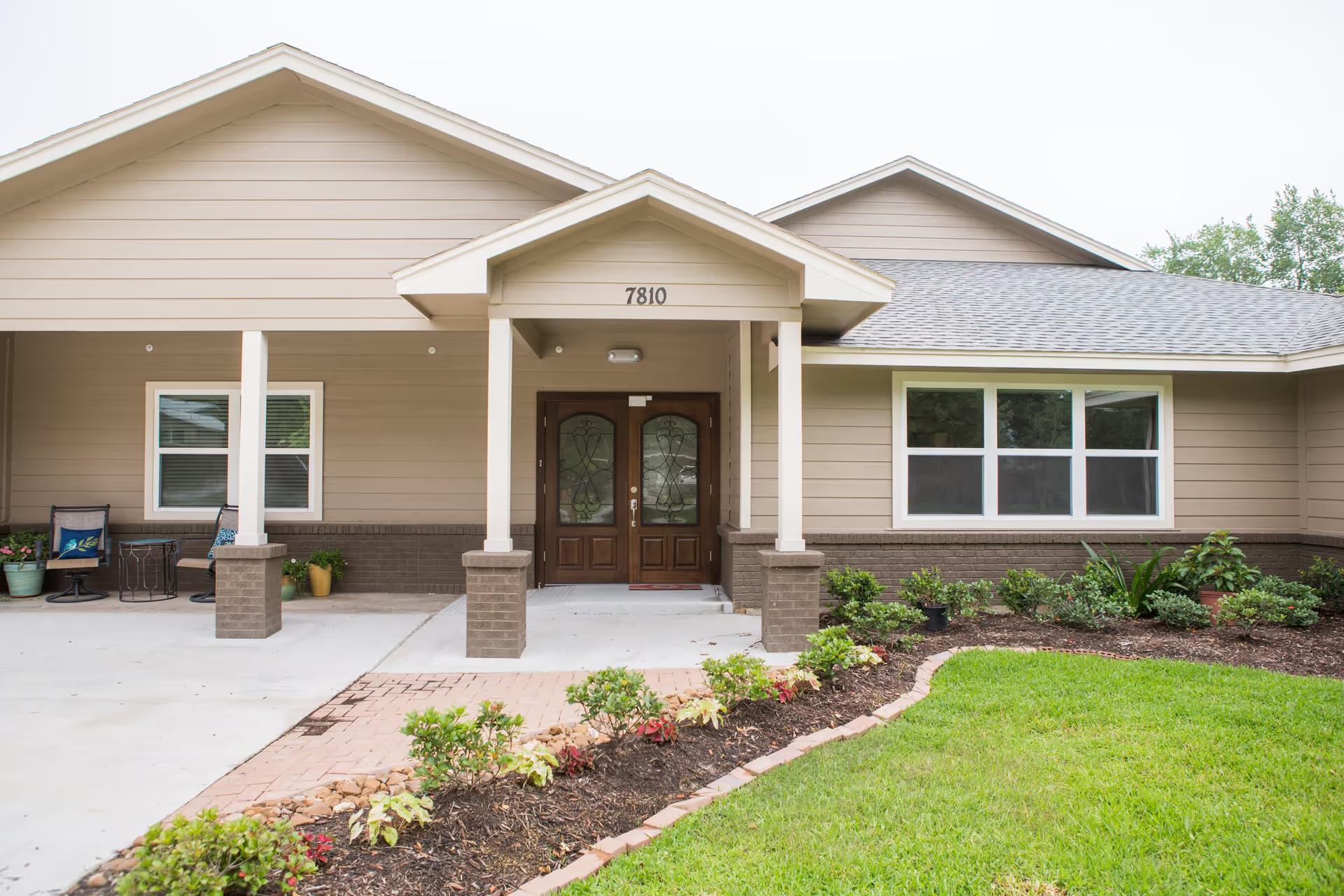
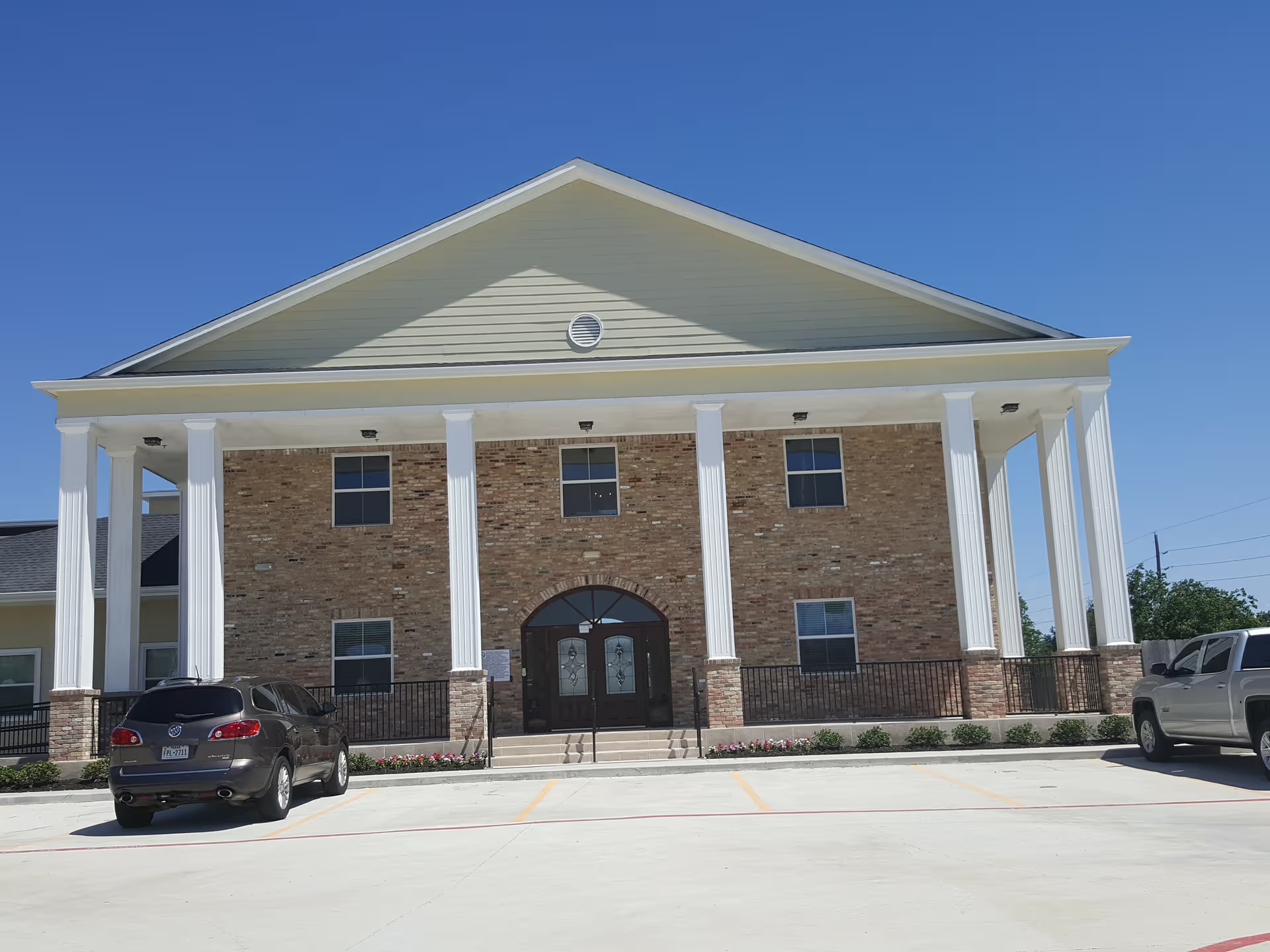
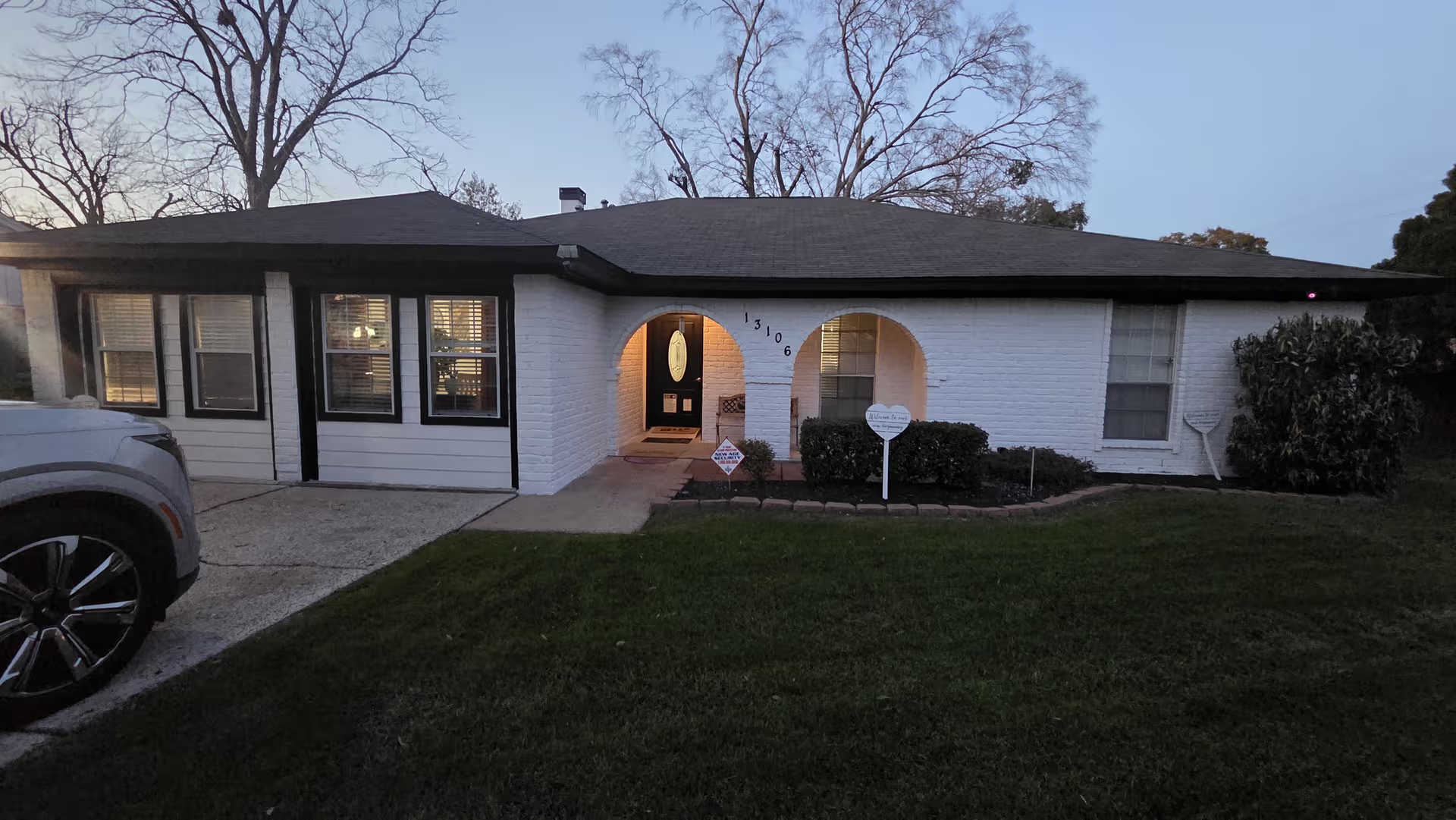
Facility and maintenance: The campus shows variation between recently renovated, well-presented areas and older sections with maintenance needs. Positive notes reference updated nurses' stations and a welcoming lobby; negative observations include cold rooms, damaged window treatments, ventilation concerns, and sanitation variability. Several reviews raise pest-control and environmental maintenance issues that require operational attention.
Management and admissions: Management responsiveness is a recurrent dividing line. Some families describe helpful, transparent admissions and social-work staff who facilitate smooth transitions; others report admission delays, unexpected charges, billing irregularities, and poor follow-up. There are also isolated but serious claims concerning billing and conduct that families may wish to verify independently. Communication from leadership and follow-through on family concerns are inconsistent according to submitted accounts.
Notable patterns and guidance: The facility appears capable of providing strong rehabilitation outcomes and has many committed staff members; however, systemic weaknesses—particularly around staffing consistency, medication administration, sanitation standards, dementia care capability, and managerial accountability—emerge repeatedly. Prospective residents and families should: (1) clarify staffing levels and dementia-care expertise if cognitive impairment is present; (2) review medication-administration policies and recent quality metrics; (3) tour both renovated and older units to inspect cleanliness and maintenance; (4) ask for written admissions and billing details; and (5) request examples of activity schedules and therapy plans. These steps can help align expectations with the variable experiences reported by families.