The set of reviews reflects a strongly mixed picture of Memorial City Nursing and Rehabilitation Center. Many families and patients praise the facility’s rehabilitation services, highlighting comprehensive physical and occupational therapy, frequent therapy sessions for short-term stays, and measurable functional gains. Multiple comments identify specific staff members and departments that provide compassionate, effective care — therapy teams, some nurses, CNAs, admissions and business-office personnel are noted for responsiveness and helpfulness. These positive experiences are frequently concentrated in the skilled/rehab unit and during daytime weekday hours.
Contrastingly, there are recurrent operational concerns that create inconsistent resident experiences. A central theme is variability in nursing responsiveness and caregiver availability: delayed or inconsistent responses to call lights, extended waits for bedside assistance, and gaps in night and weekend coverage were commonly described. These staffing inconsistencies appear to contribute to delays in wound care, inconsistent incontinence-care practices, and occasional lapses in medication administration and glucose management. Several accounts describe problems with timely clinical assessments and transfer/transport coordination, and reviewers flagged incomplete documentation and follow-through on discharge plans.
Dining and activities present a split picture. The activity department and recreation offerings receive strong, specific praise for meaningful programming and resident engagement. Conversely, dining was frequently described as inconsistent: meals arriving cold, starch-heavy menus, portion concerns, and inadequate diabetic meal accommodation in some instances. Families often supplemented meals, and reviewers advised prospective residents to verify meal options and timing when dietary management is important.
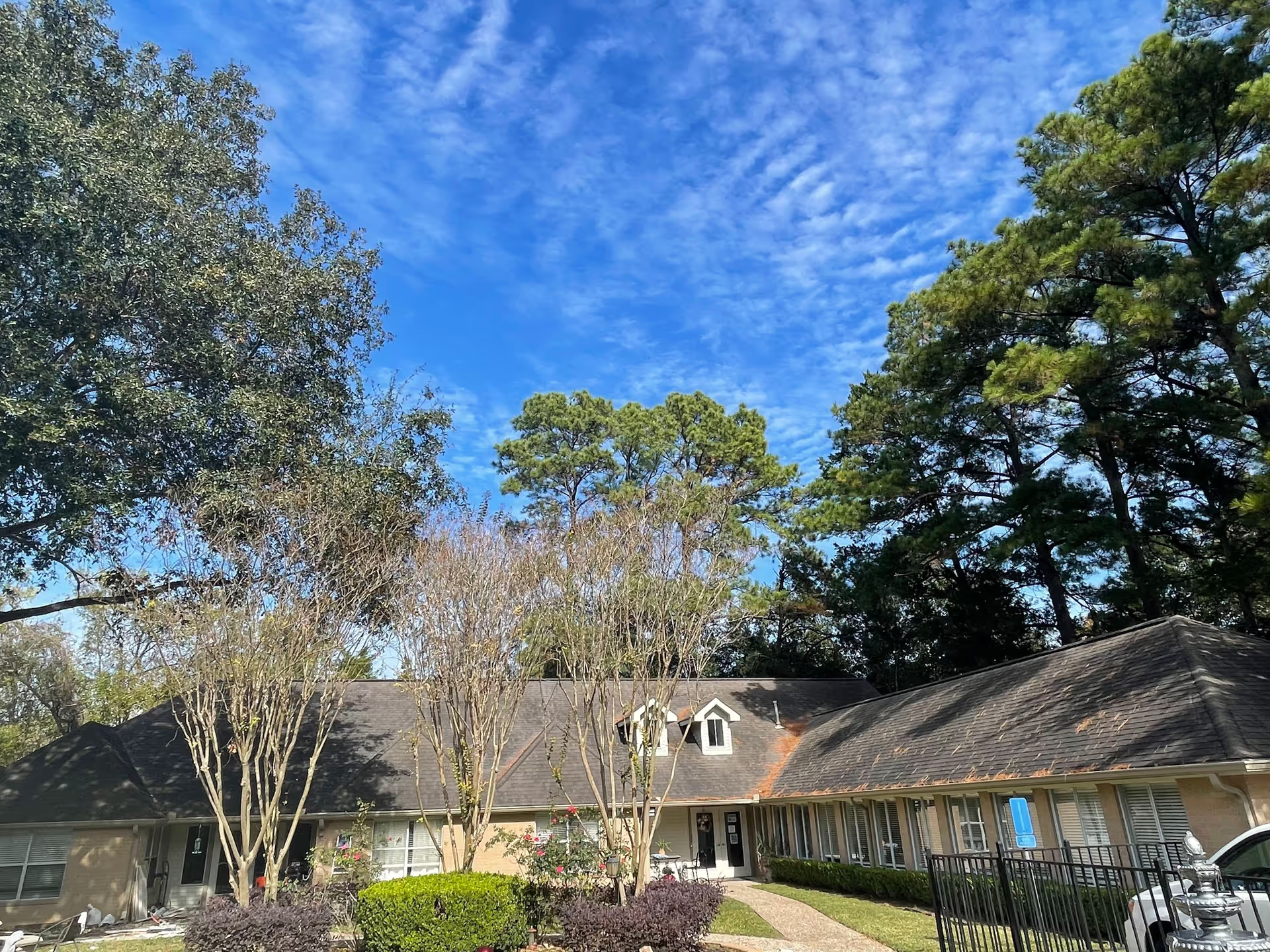
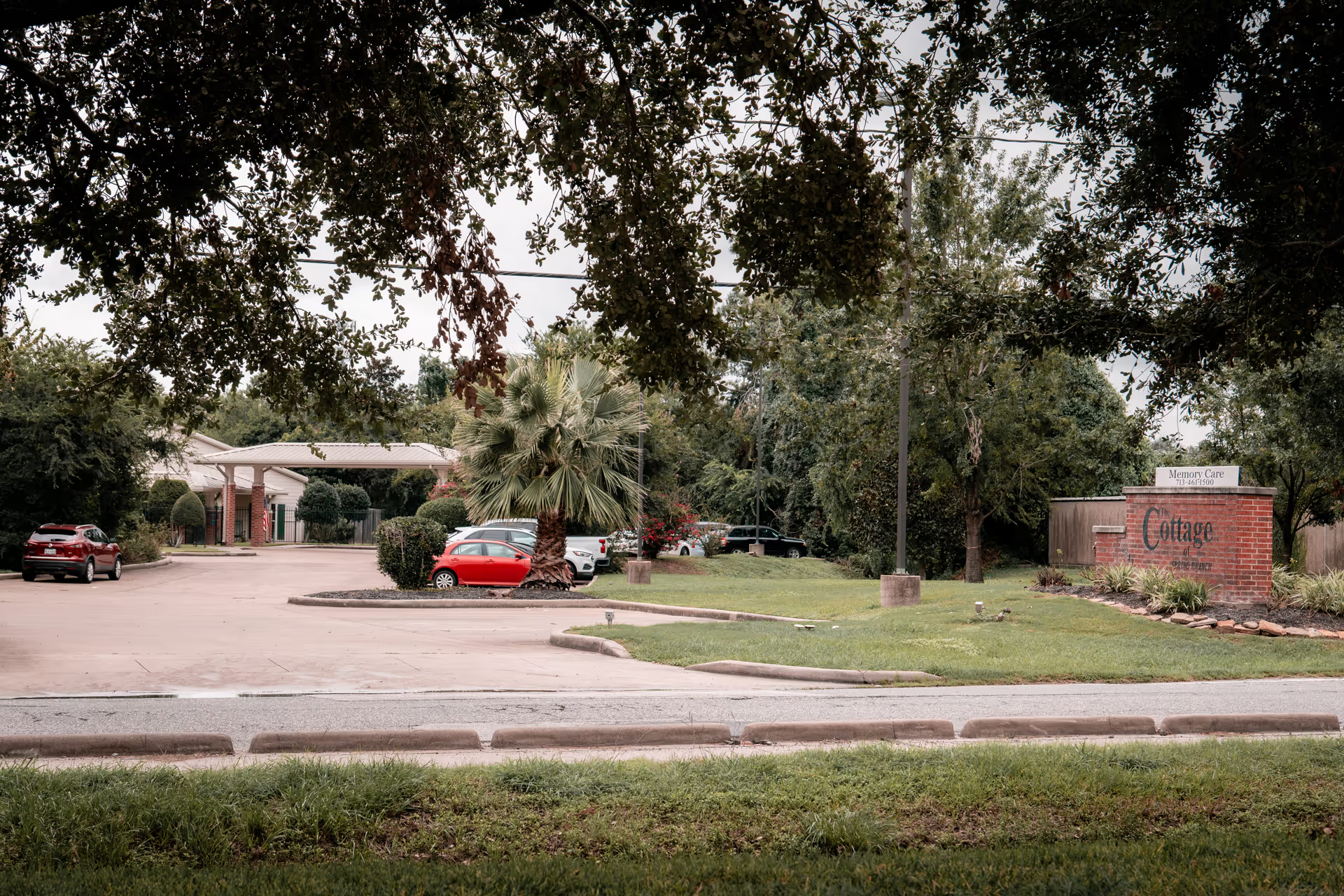
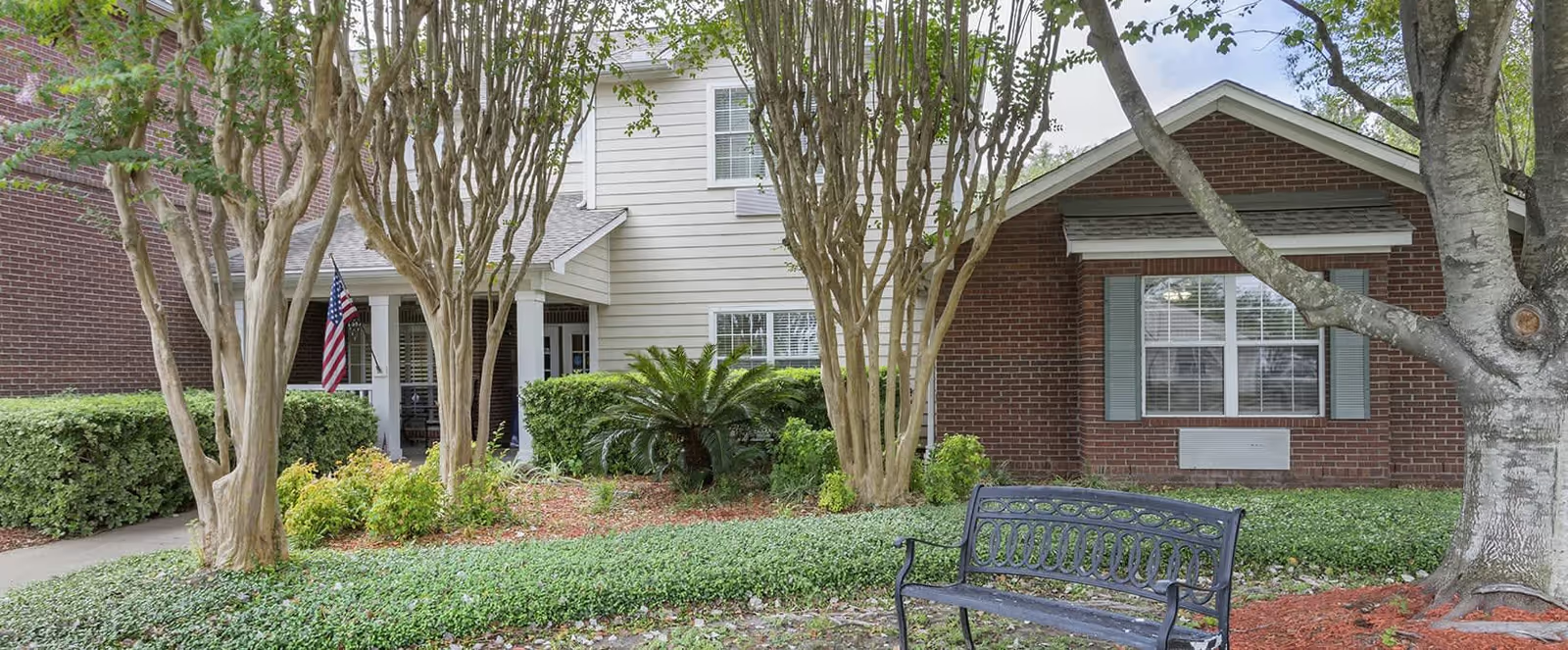
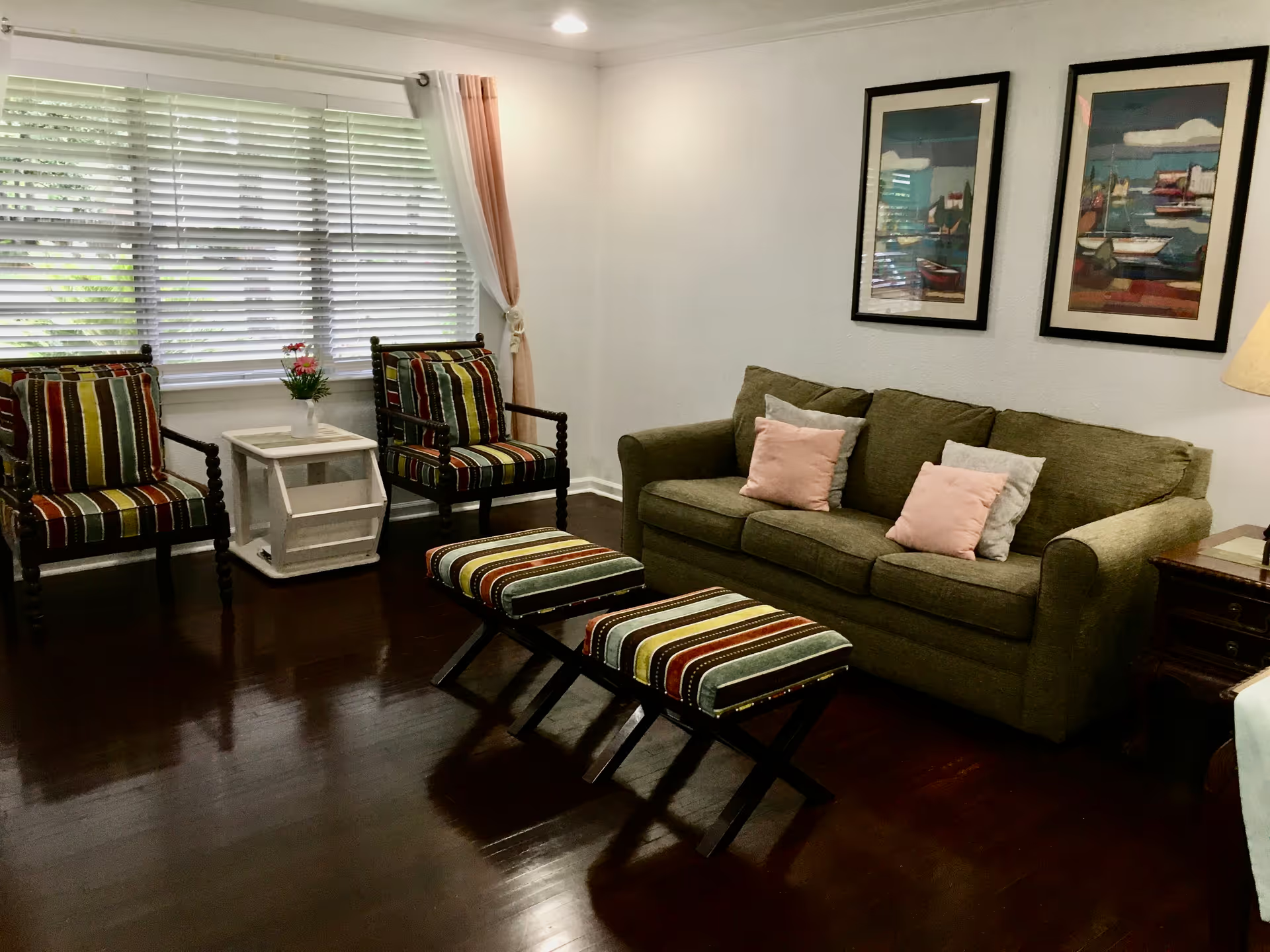
Facility upkeep and safety surfaced as another area of variability. Some reviewers note clean, well-maintained common areas and orderly hallways, while others describe maintenance deficits such as broken fixtures, uneven exterior walkways, unclear wiring/power-concerns, and limited availability of certain services (gym, beauty/therapy spaces) at times. Pest-control concerns and general housekeeping inconsistencies were cited alongside accounts of strong housekeeping in other parts of the building, suggesting uneven performance across units or shifts.
Management, communication, and administrative processes are additional recurring issues. Families describe mixed experiences with leadership and social-work responsiveness: some named administrators and social workers positively for clear communication and advocacy, while others reported poor follow-up, delayed family updates, and difficulties obtaining itemized billing or discharge coordination. There are a small number of serious allegations about billing irregularities and financial misconduct; those claims are significant and would warrant direct investigation by prospective payors or regulators. Reviewers also urge close review of medication practices, documentation, and the facility’s handling of end-of-life communication in isolated but serious instances.
Overall, the pattern across reviews is one of high variability: the facility can provide excellent, even outstanding, rehabilitation and show examples of compassionate staff and effective teamwork, yet persistent operational weaknesses — especially related to staffing consistency, housekeeping, medication and diabetic management, dining continuity, and administrative communication — lead to uneven quality of care. Prospective residents and families should consider an in-person tour across different shifts, ask for recent staffing levels and incident/inspection history, request sample meal plans for therapeutic diets, review itemized billing policies, and identify individual staff members or departments with strong reputations during the admission process.