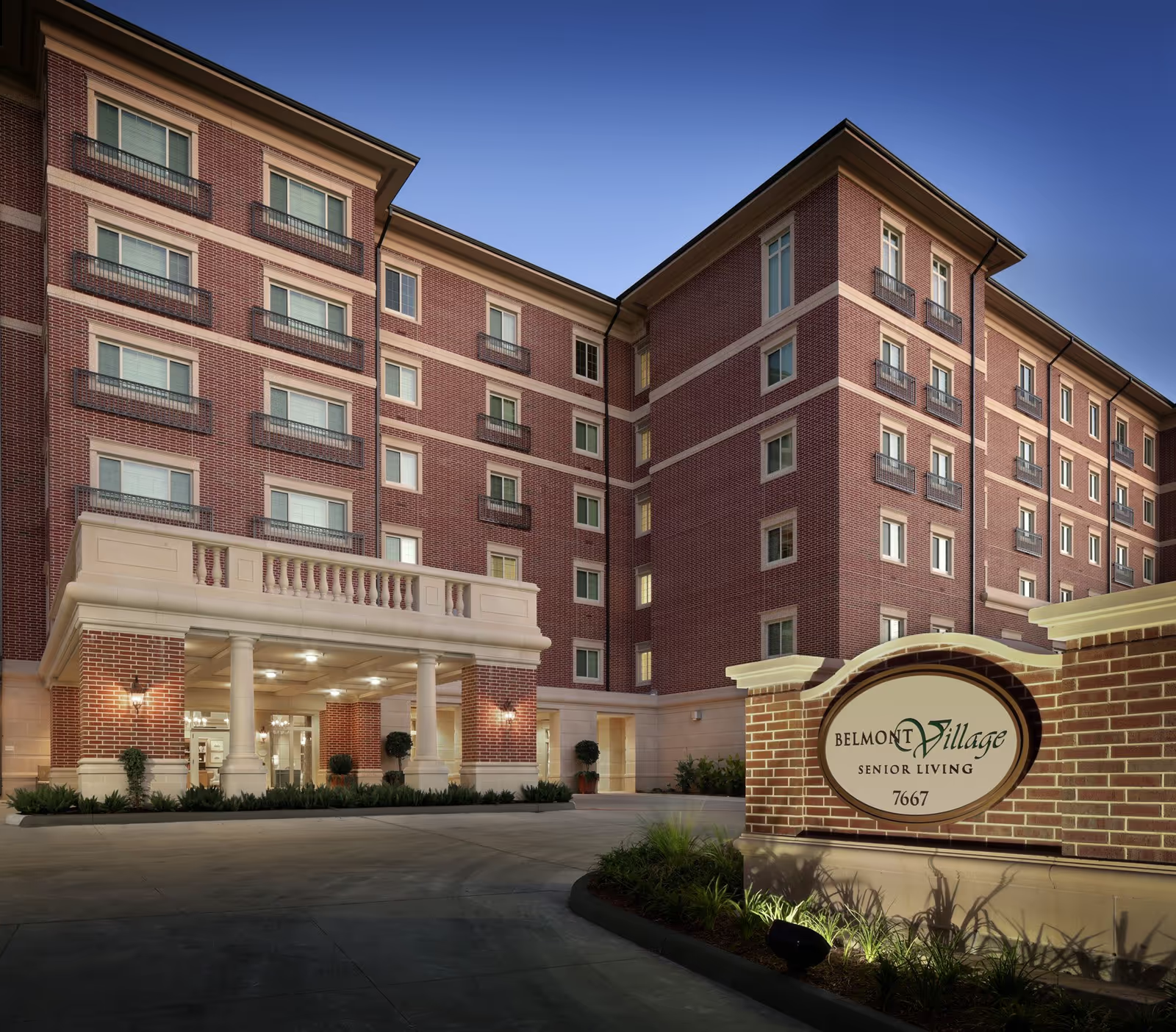
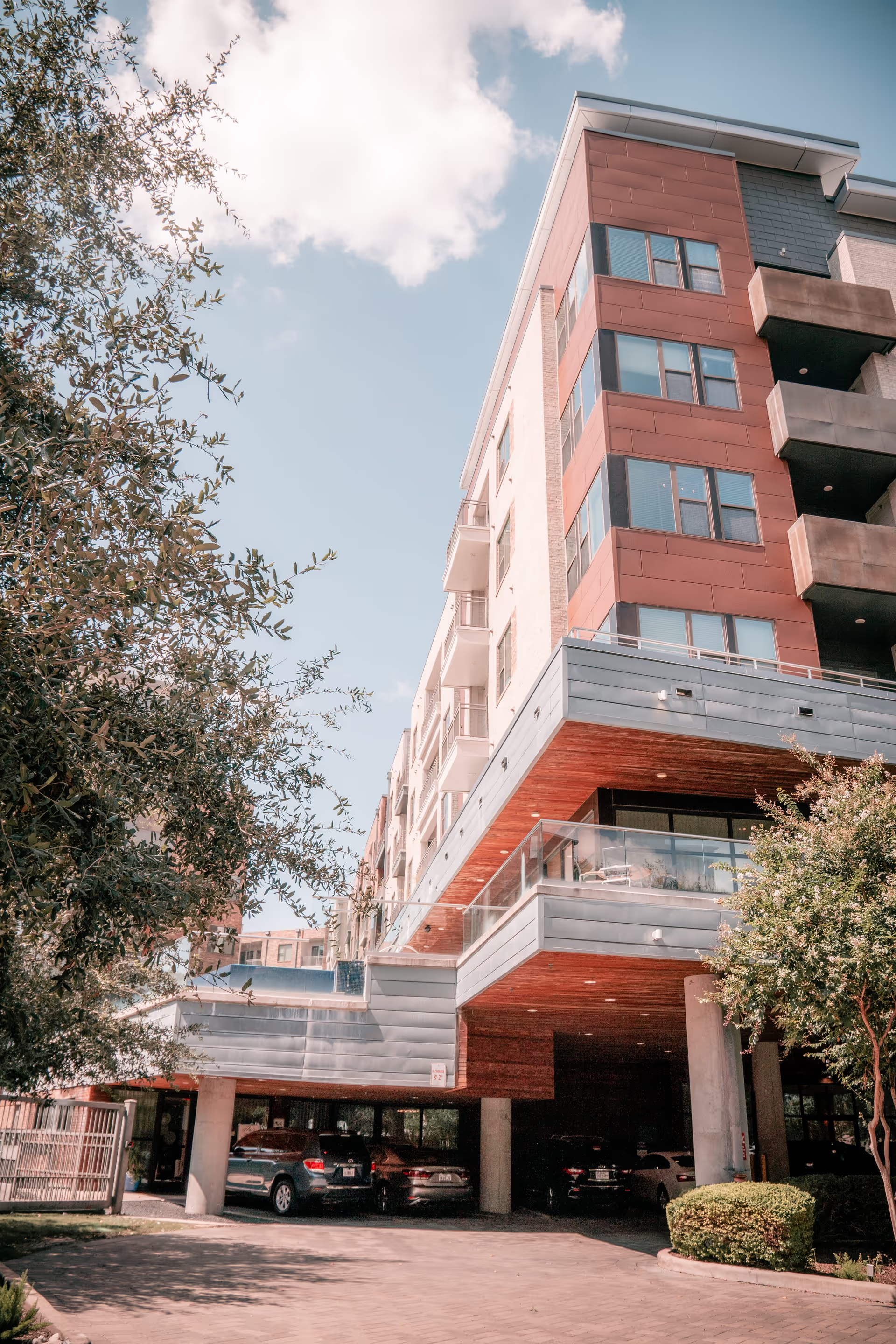
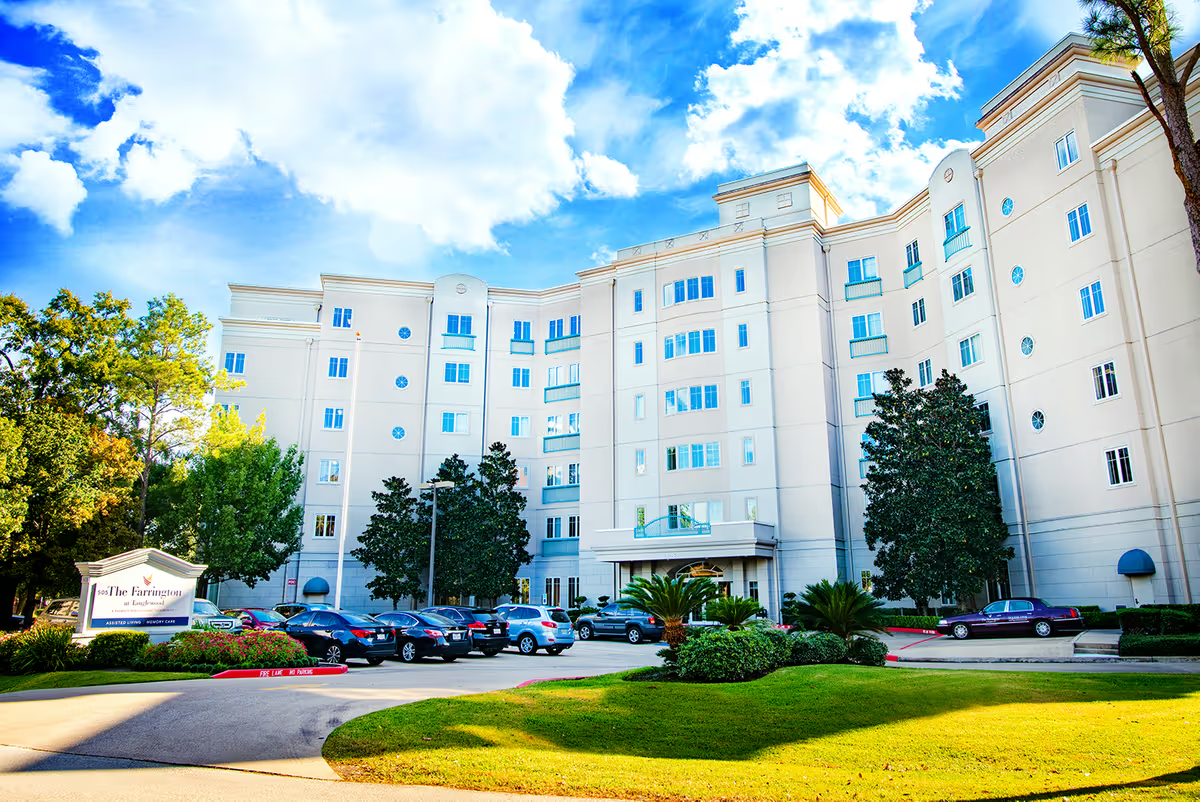
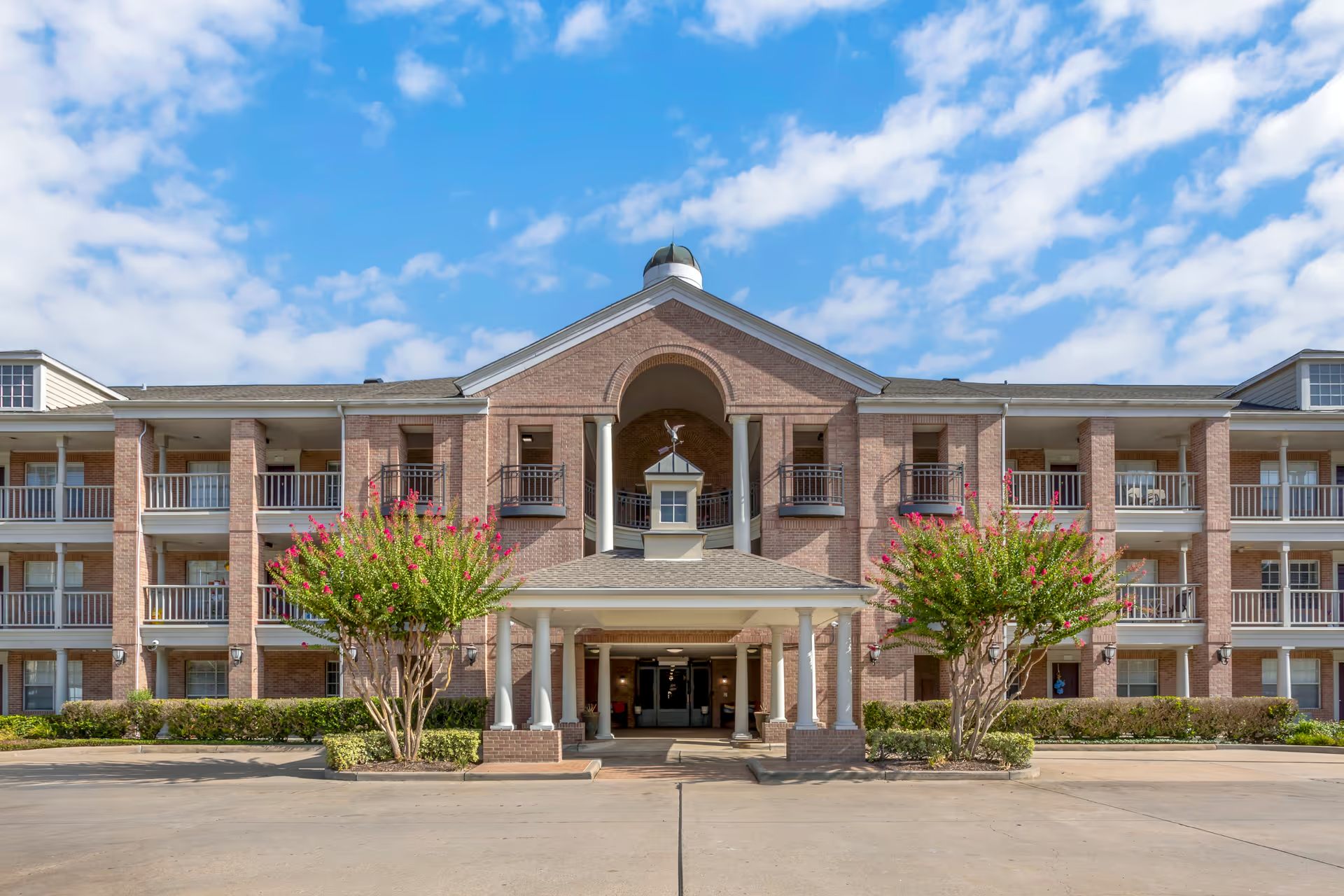
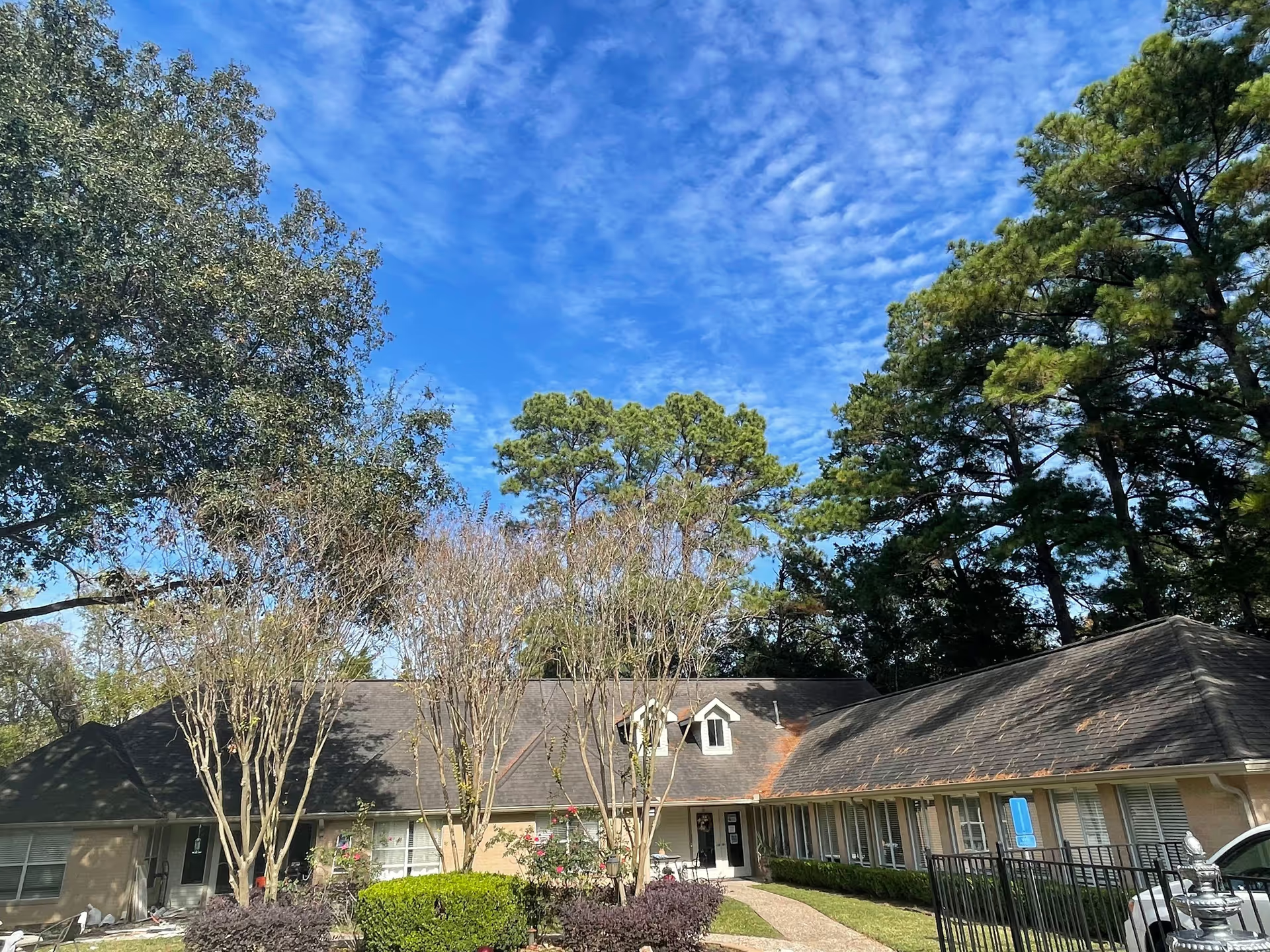
The Tradition–Woodway is consistently described as an upscale, well-appointed senior living community with substantial amenities and attractive living spaces. Many reviewers praised the facility’s design elements — large apartments with high ceilings and expansive views — and highlighted a broad set of on-site resources including a heated indoor pool, fitness classes, salon services, theater, library, and dedicated therapy spaces. The community atmosphere and social programming are frequently noted as strengths: residents and families describe an active calendar of lectures, classes, photography, and regular outings that support engagement and social connection.
Clinical and personal-care experiences are mixed but show clear strengths alongside operational gaps. Several families noted effective on-site rehabilitation and availability of in-apartment home-care and post-surgery support, and the memory-care unit received positive comments. At the same time, reviewers identified variability in caregiver performance, training, and reliability. This has translated for some families into the need for closer oversight of daily care and tasks. Where staff are praised, they are described as courteous, responsive, and willing to accommodate preferences; where concerns appear, they center on follow-through, task completion, and professionalism.
Dining and activities are generally well regarded: the dining venues, room service option, broad menus with weekly specials, and social dining format receive frequent compliments. However, reviewers also described inconsistency in meal preparation and suitabilities for specialized diets, and a desire for more frequent menu rotation or quality consistency. Programming and transportation offerings are robust — scheduled outings and bus trips are regular features that many residents cite as key quality-of-life contributors.
Facility operations show both high-end finishes and recurring operational issues. While public spaces are described as very clean and attractively furnished, maintenance and systems reliability are areas of concern: reviewers cite elevator slowdowns or failures, plumbing incidents, and intermittent electrical outages. Emergency preparedness and backup-power resilience were specifically questioned after power interruptions; reviewers expressed expectations for stronger infrastructure and clearer contingency procedures.
Management and communication patterns are another mixed area. Many accounts praise responsive front-line staff and helpful concierge services, yet others describe gaps in management communication, especially during incidents and outages, and note that leadership turnover has affected consistency. Several families described having to remain engaged in coordination of care or to escalate issues to obtain timely responses. Pricing and affordability were cited as a concern by some families despite the availability of no large buy-in options.
In sum, The Tradition–Woodway offers an attractive, amenity-rich environment with active programming and many staff who perform at a high level. Prospective residents and families should weigh those strengths against operational considerations: evaluate caregiver staffing stability and training, verify housekeeping and laundry expectations, review emergency-power and maintenance contingencies, and discuss communication protocols and cost structure before committing. A site visit focused on these operational areas — speaking with current residents and asking for specific examples of contingency plans and staffing ratios — will help clarify whether the community is the right fit for a given resident’s needs.