Overall impression: Park Manor of CyFair elicits a mixed but distinct pattern: the facility is consistently praised for its rehabilitation focus and a core group of clinical staff, while operational inconsistencies and service gaps recur across accounts. Many families and residents attribute successful mobility and discharge outcomes to an active therapy program and individual therapists; these clinical strengths are the clearest positive trend in the feedback.
Care and clinical quality: The rehabilitation department is the facility's standout asset. Reviewers repeatedly describe structured, daily therapy, personalized plans, and therapists who motivate patients toward measurable goals. Families credited PT/OT and speech services with returning residents to home-level function. Nursing and CNA performance receives frequent praise as well — several staff members are singled out for compassion, competence, and consistency — yet reviewers also describe variability in nursing responsiveness. Concerns include delayed assistance, inconsistent medication follow-through (including pain-management timing), and irregular incontinence-care and bathing schedules. These items point to an uneven operational reliability despite solid clinical capability.
Staff, communication and management: Front-desk, admissions, and social-work staff are often described as helpful and family-oriented; some liaison staff are highlighted for regular updates and clear communication. At the same time, reviewers describe turnover in leadership roles and uneven follow-up after incidents. Communication gaps appear in two areas: timeliness of clinical updates to families and administrative responsiveness (for example, billing/refund delays). Language barriers also limit consistent communication for non-English-speaking residents in some cases.
Dining, activities and amenities: Activity programming and social engagement are repeatedly described as well organized and beneficial to resident morale. Common areas and activity spaces receive positive comments. Dining feedback is mixed: some reviewers found meals adequate and supportive of recovery, while others described inconsistent food quality and service delays; a number of families recommended bringing supplemental food for personal preferences. Transportation services and on-site amenities (hairdresser, community room) are noted as useful supports for residents.
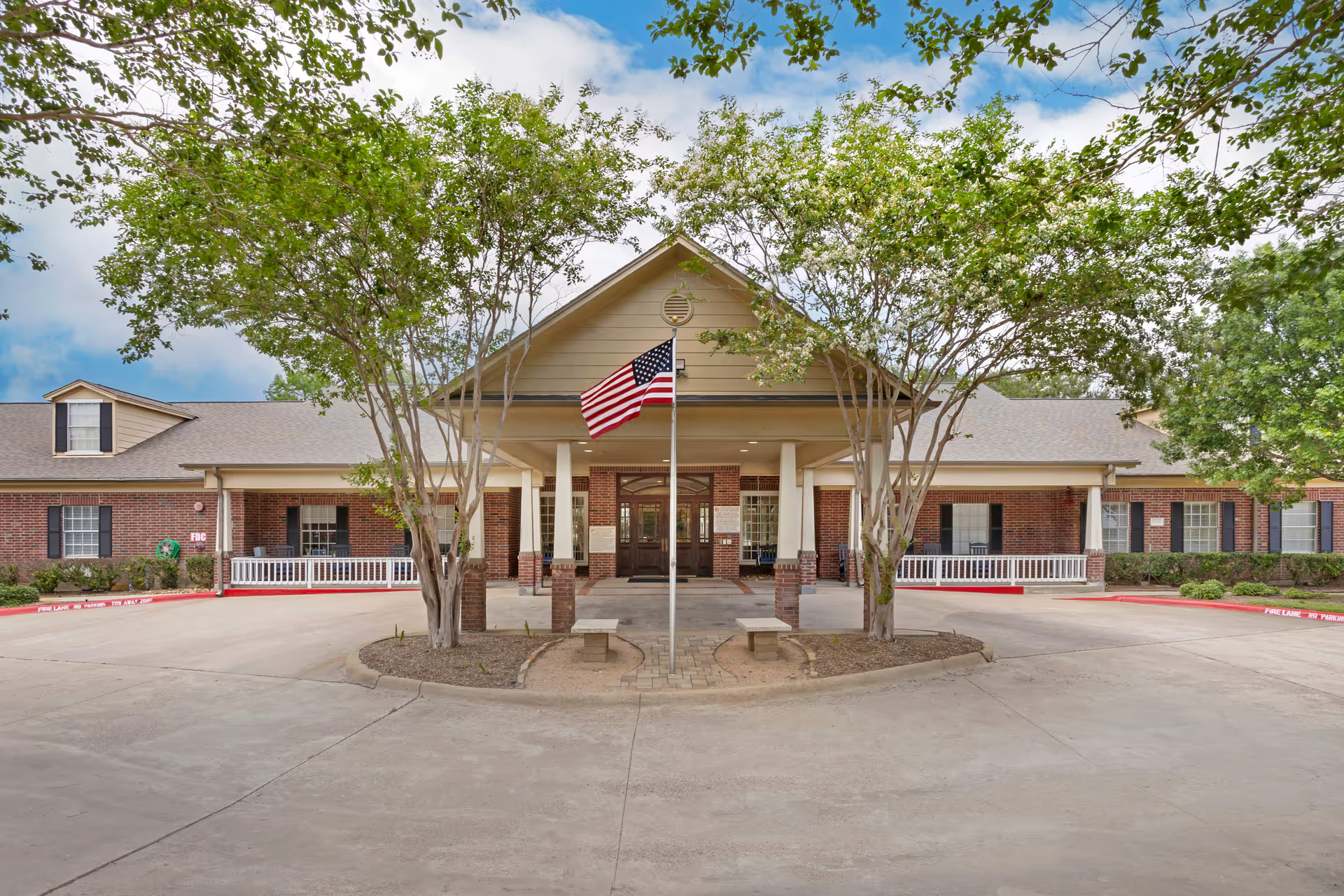
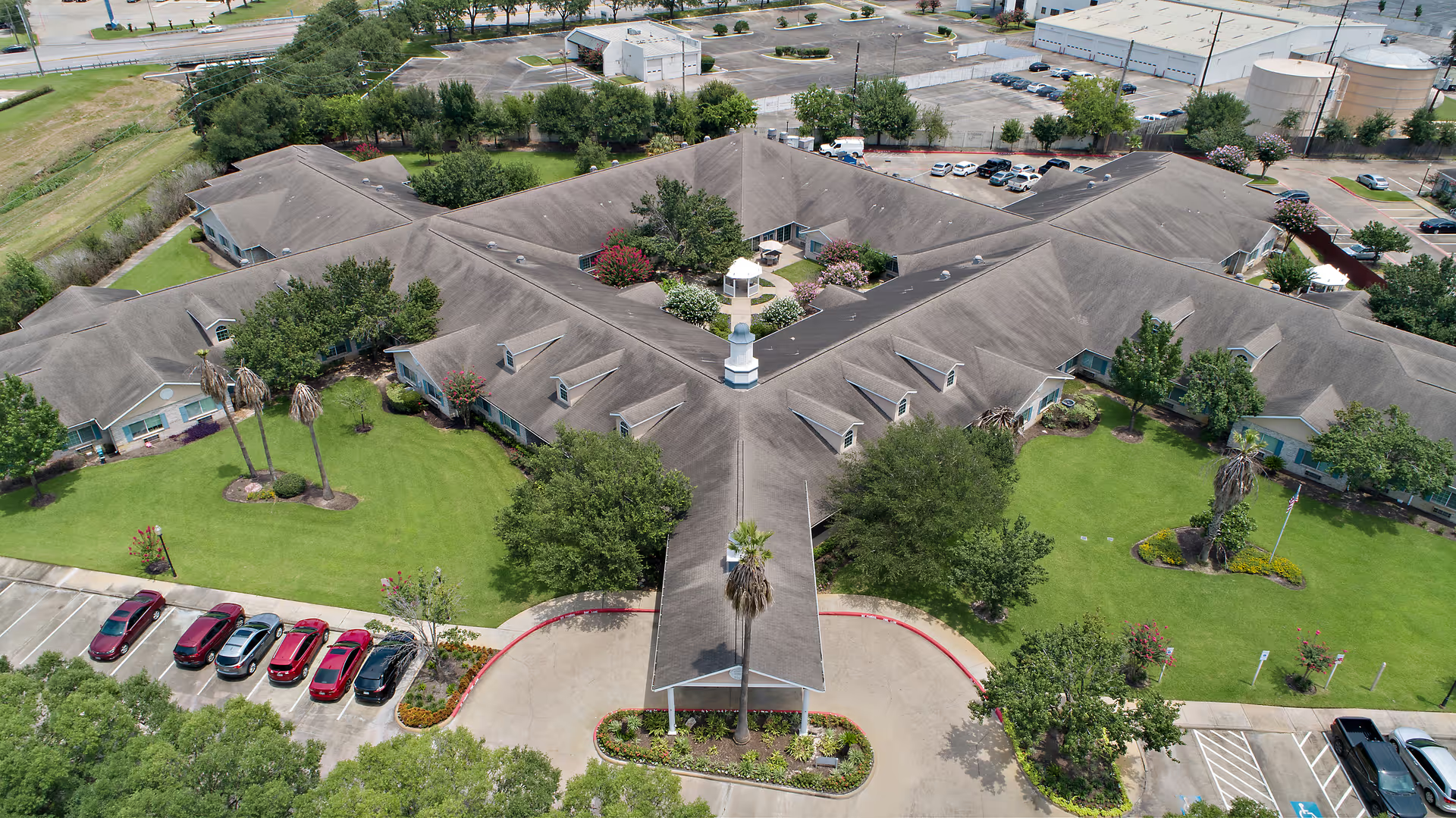
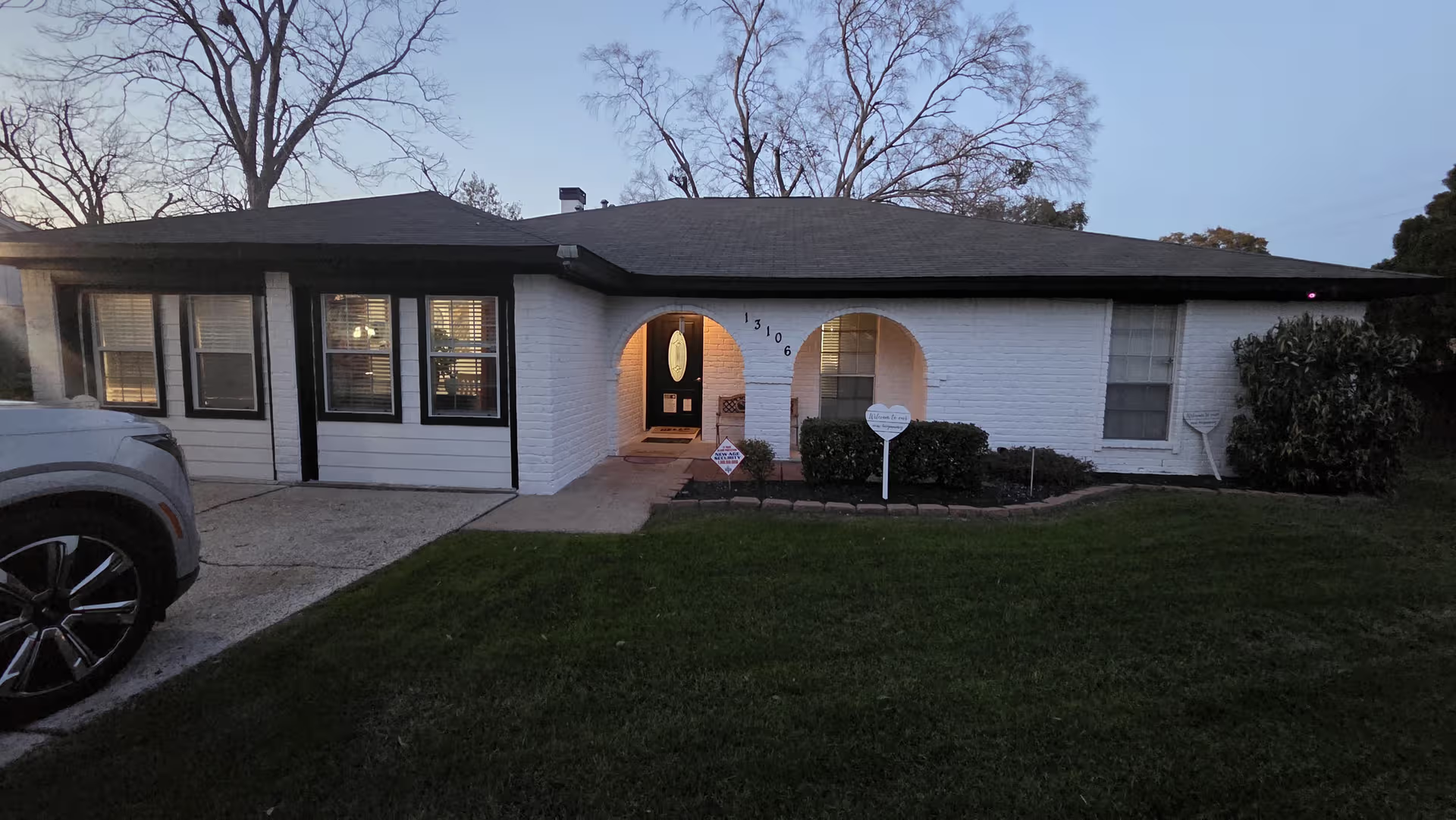
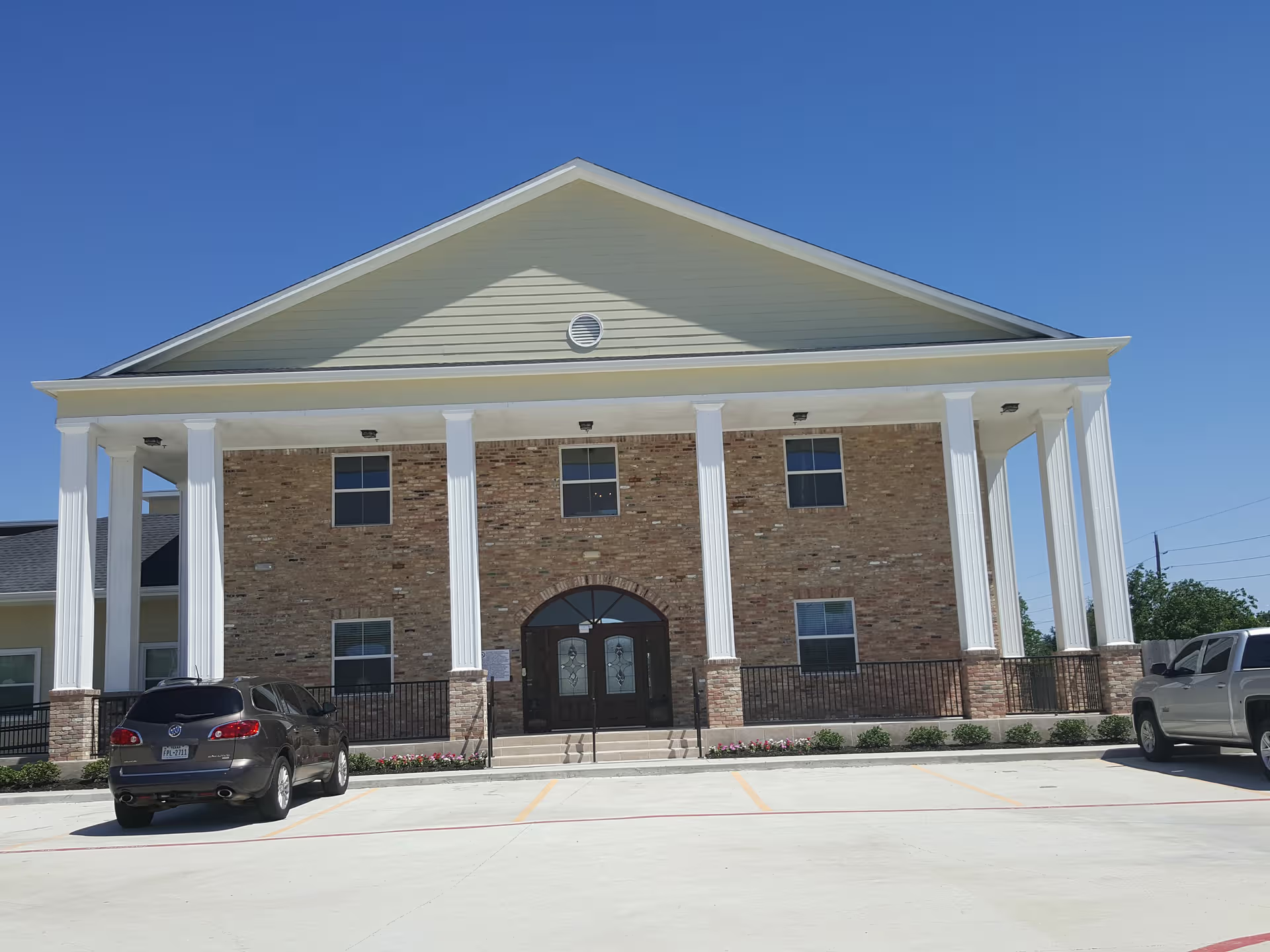
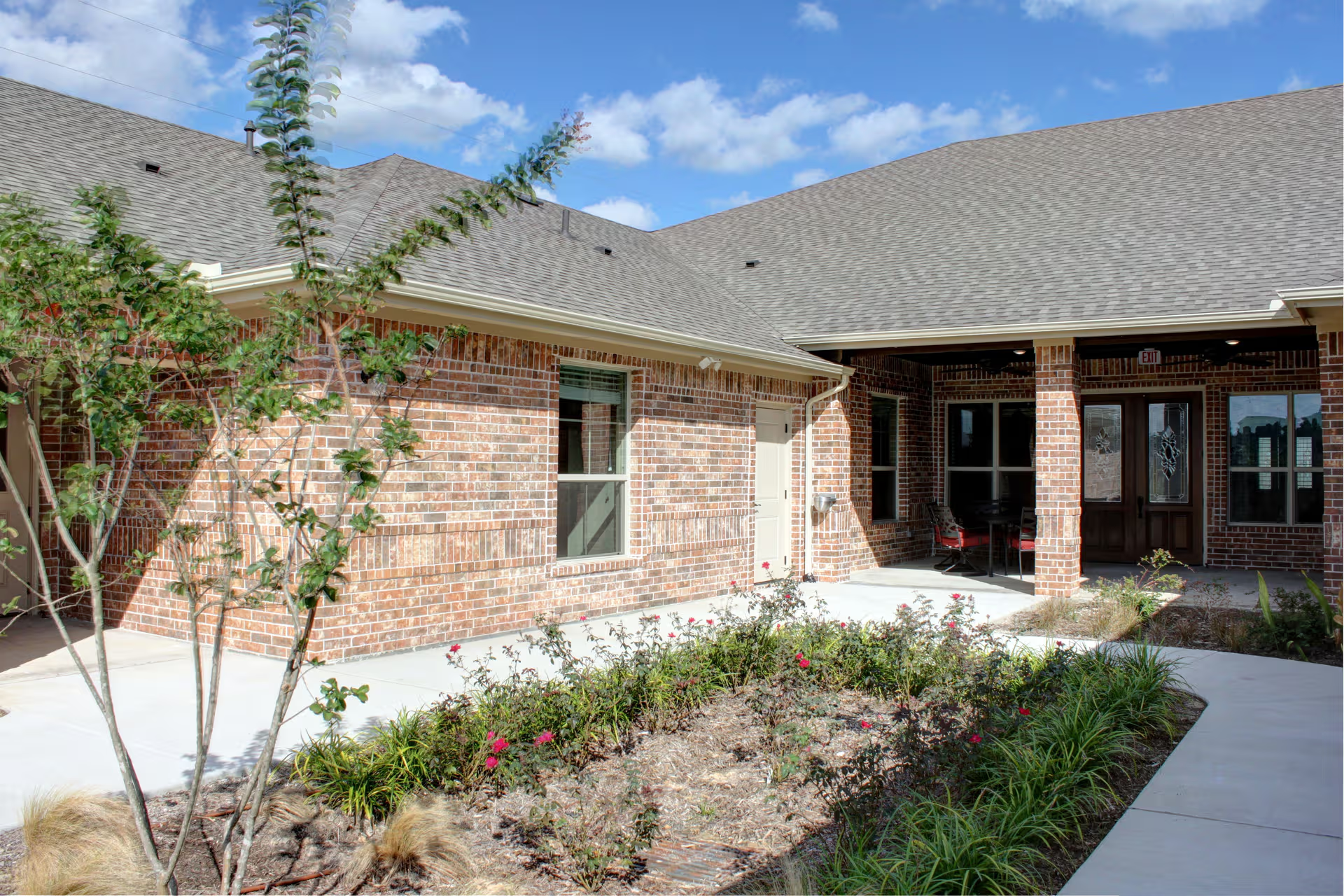
Facilities and environment: Many reviewers praise cleanliness and a well-kept interior overall, but there are recurring sanitation and odor concerns in particular rooms or halls and occasional reports that housekeeping is inconsistent. HVAC performance and noisy equipment were raised as comfort issues. Shared rooms are described as space-limited, and several accounts highlight problems with belongings management and security, including missing or damaged items; at least one account involved allegations of theft and an intention to pursue escalation. These concerns suggest gaps in property controls and inventory practices rather than universal facility-wide failure.
Patterns and practical guidance: The dominant pattern is a strong therapy-first culture with clinicians and aides who can and do produce good clinical outcomes, paired with operational weaknesses in staffing consistency, timely nursing responses, medication handling, dining service consistency, and property-management controls. Prospective residents and families should prioritize direct questions and verifications around staffing ratios and turnover, medication administration protocols (including pain-management), incontinence and bathing schedules, meal provisioning, pest-control and sanitation practices, belongings handling, and availability of bilingual staff. A tour focused on the resident wing, a review of written policies for meds and incident follow-up, and conversations with the therapy team and social work about discharge planning will help clarify whether this facility’s strengths align with a particular resident's needs.