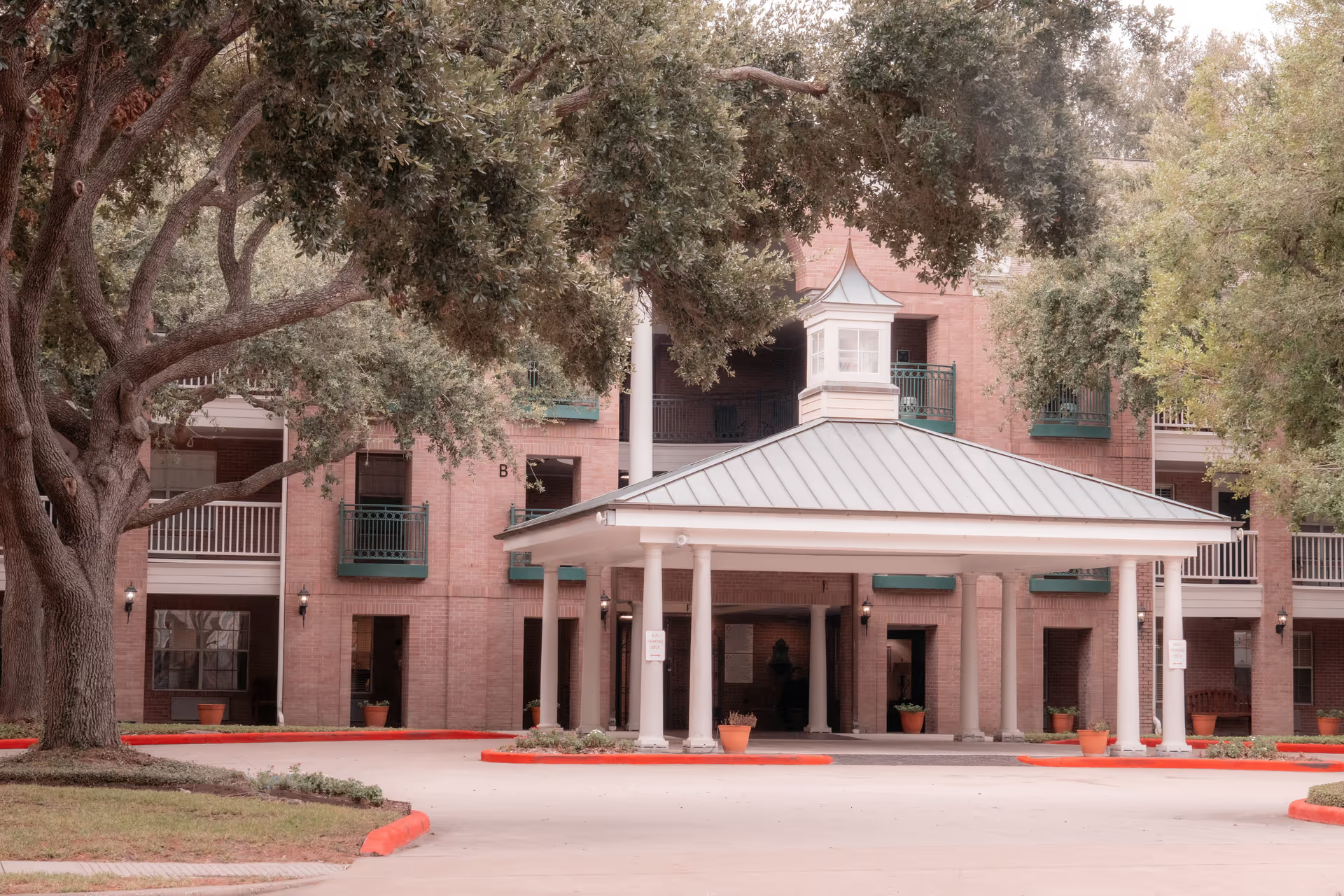
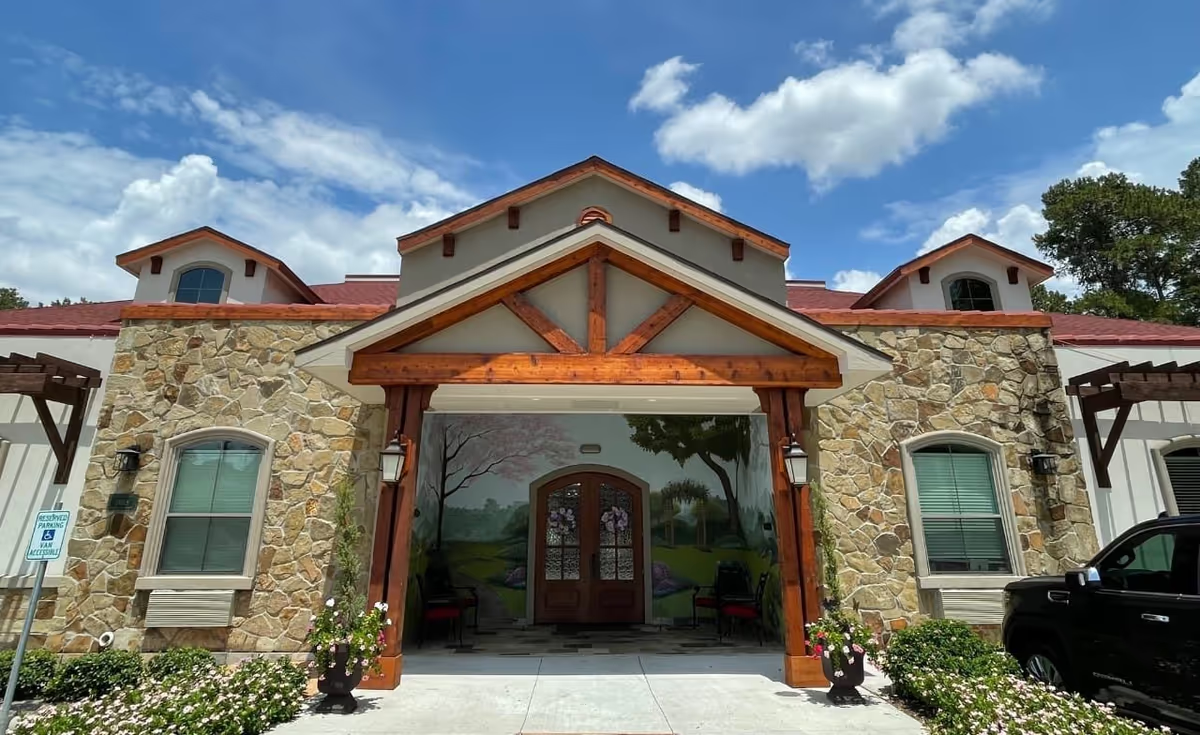
Overall impression: Reviews portray The Solana Vintage Park as a modern, well‑appointed senior living community with many operational strengths alongside a set of recurring operational concerns. The facility's design, cleanliness of common areas, and breadth of on-site amenities (salon, theater, therapy rooms, library, landscaped patios) are frequently praised. Families and residents commonly describe a warm, hotel‑like atmosphere and highlight visible leadership, concierge services, and a generally welcoming front-desk presence.
Care and staff: Care quality is described in largely positive terms: reviewers praise compassionate, attentive caregivers, visible nursing presence, personalized one‑on‑one attention, and staff who go beyond basic duties to support residents and families. Memory care receives repeated positive mention for patient, respectful programming and trained staff. At the same time, reviewers also point to operational challenges that can affect care continuity — notably staffing shortages or turnover that at times slow responsiveness, and communication gaps around medication management that have led to missed or miscommunicated doses. These issues suggest variability in day‑to‑day reliability despite many individual staff being characterized as dedicated and skilled.
Dining and nutrition: Dining reviews are mixed. Many families report nutritious, well‑presented meals and enjoyable dining spaces; others cite inconsistent food quality, limited menu variety, or cultural/dietary preferences not fully met. Small service issues (slow coffee service, cafeteria order problems) and differing expectations for menu variety appear as recurrent themes. Prospective residents with specific dietary needs or strong culinary preferences should request sample menus and clarify accommodation procedures before moving in.
Activities and social life: Activity programming is a clear strength for many residents: there is a robust calendar of on‑ and off‑campus events, group social hours, outings, entertainment, and family nights. These programs are credited with improving social engagement and quality of life. However, a subset of reviews describes variability in programming consistency (reduced activity levels post‑COVID for some) and notes that activity fit can vary by resident; expectations about daily participation and individualized programming should be discussed during touring and assessment.
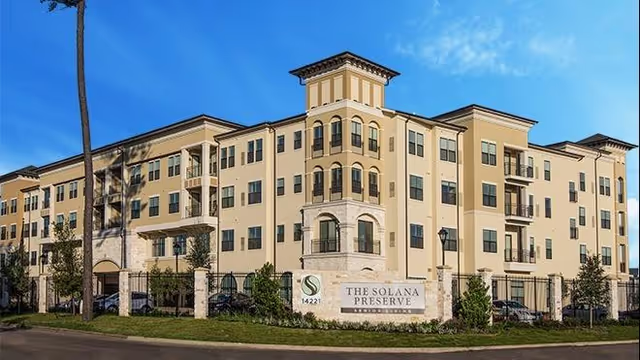
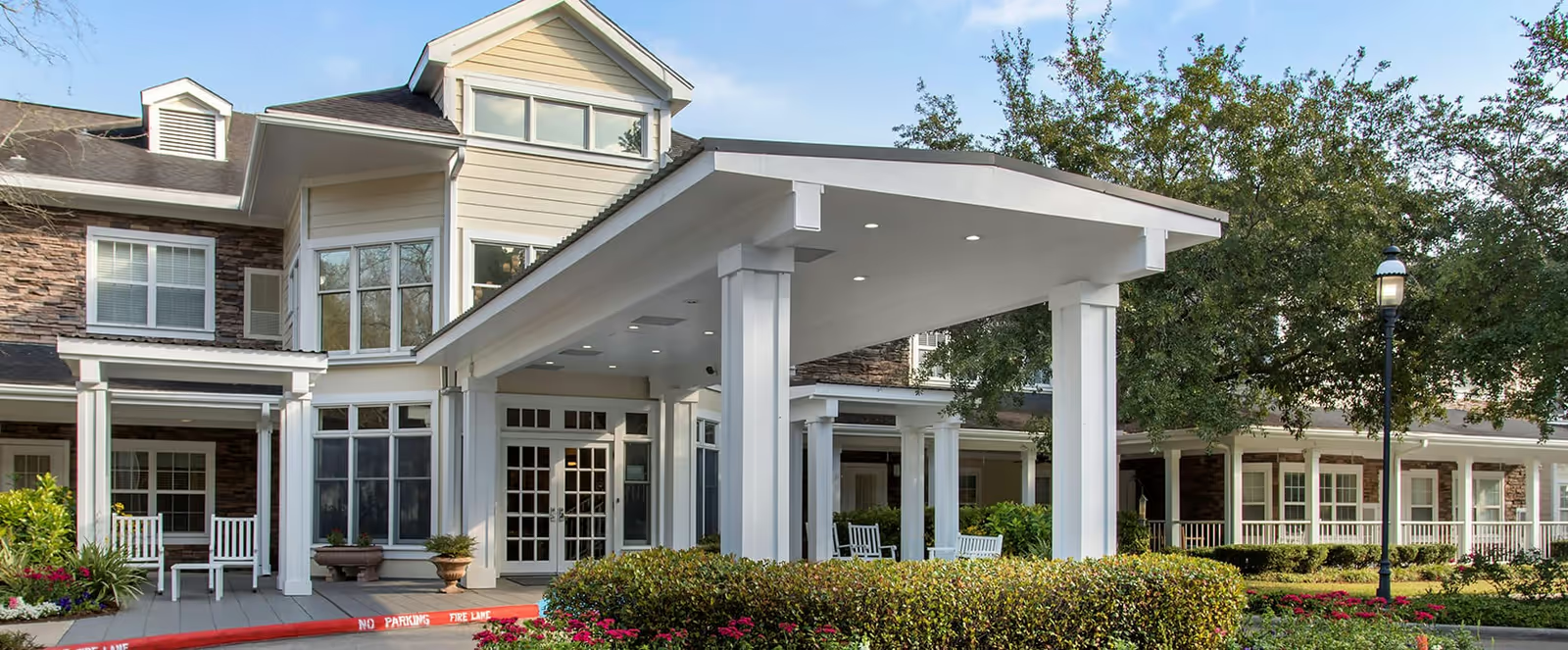
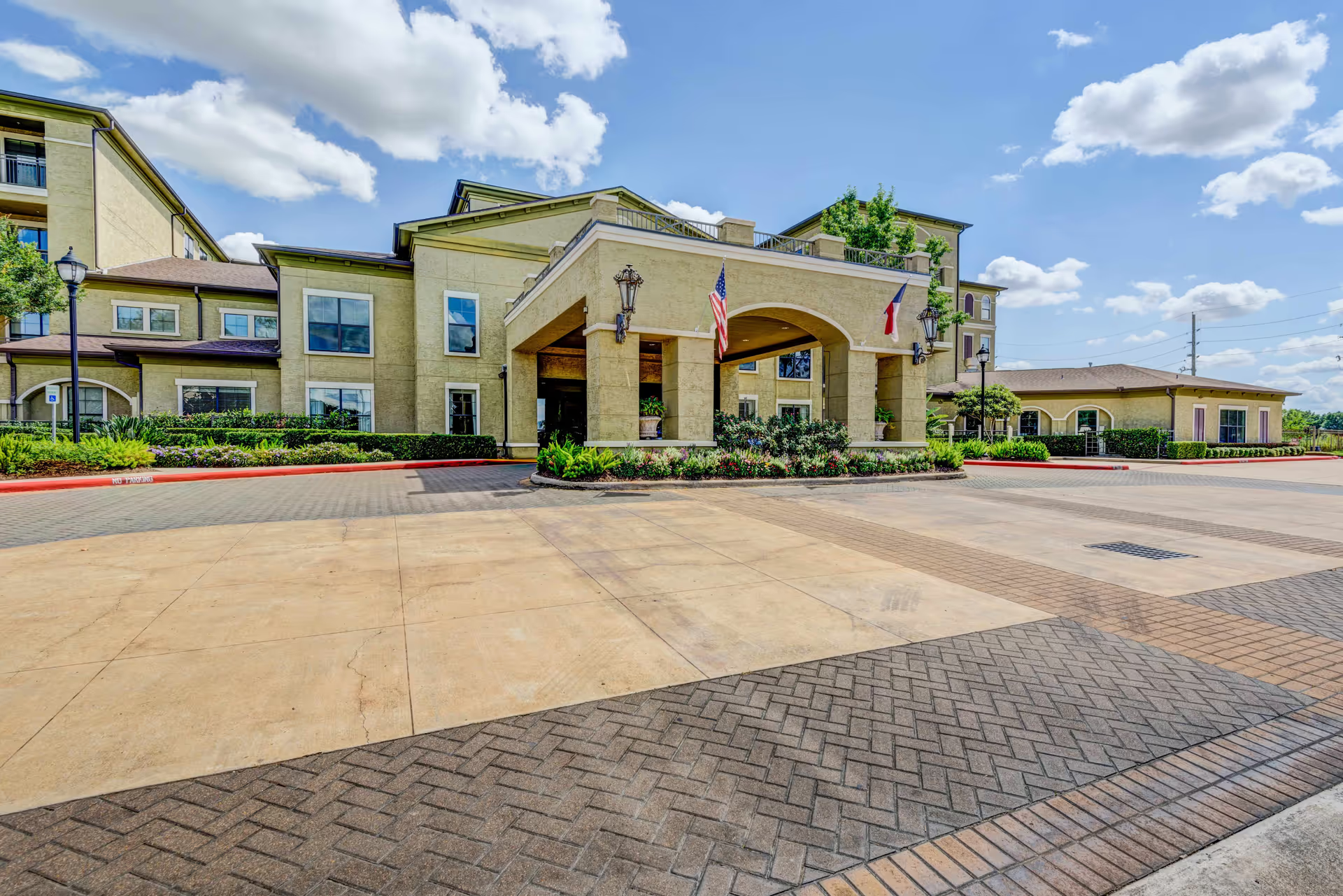
Facilities and location: The building and grounds are frequently described as new, bright, and well maintained, with accessible design features and a variety of apartment floor plans. Outdoor spaces and memory‑care patios are highlighted, though some families find assisted‑living outdoor amenities limited or cite exterior noise and heavy traffic affecting certain units. Parking and proximity to highways and hospitals are generally viewed as positive for convenience, but location and unit layout suitability vary by individual needs.
Management, policies, and notable patterns: Leadership presence and staff dedication receive positive comments, and several reviewers praise smooth move‑ins and supportive administrative coordination. Conversely, recurring concerns include billing and deposit communication gaps, perceived marketing pressure during admissions, and inconsistent responsiveness from corporate or management on financial issues. There are also serious, isolated allegations of discriminatory conduct and concerns about how some complaints were handled; these allegations merit direct follow‑up with management and, where appropriate, documentation for regulatory review. Finally, affordability and clarity about add‑on fees are common preoccupations for prospective residents.
Bottom line: The Solana Vintage Park presents as a high‑quality, amenity‑rich community with many strengths in staffing, memory care, programming, and facility design. Prospective residents and families should verify medication‑management practices, staffing levels for their unit, menu accommodations, and contractual/billing terms during their tour and assessment. For individuals needing rapidly escalating clinical care, clarify the community's capacity and transition protocols in advance. Where family proximity, quiet outdoor space, or strict dietary and clinical requirements are critical, a targeted tour and direct questions to leadership will help determine fit.