Reviews of this skilled nursing and rehabilitation facility are strongly polarized: therapy services and many individual staff members receive consistent praise, while routine nursing care, communication, and operational reliability emerge as recurring concerns.
Care quality: The facility has a clearly strong rehabilitation program — physical, occupational and speech therapy are frequently described as effective, goal-oriented, and instrumental in helping residents regain independence. Conversely, skilled nursing care is characterized as inconsistent. Positive accounts describe compassionate, competent nurses and aides who provide attentive bedside care; negative accounts describe delays attending to resident needs, missed or incomplete medication administration, and gaps in routine care practices. Several reviewers raised sanitation and incontinence-care concerns and noted odor issues in patient rooms; these are presented here as areas requiring verification and remediation.
Staff and communication: Individual staff members — including therapists, receptionists, and several nurses and administrators — are repeatedly identified as dedicated, compassionate, and helpful. At the same time, reviewers describe variable staff attitudes and uneven responsiveness across shifts (day versus night) and units. A dominant theme is poor accessibility by phone and slow responses to family inquiries, compounded by accounts of leadership being difficult to reach or not following through on commitments. These conflicting impressions suggest that while strong staff culture exists in pockets, consistency of conduct and communication is an operational weakness.
Dining and activities: Many families praise the meals as nourishing and well prepared, and several reviews highlight positive food experiences. However, food quality is described as uneven by other reviewers, and at least one account raised a dietary-safety concern tied to medication interactions — an item families should proactively review with care managers. The activities program is generally viewed positively; an engaged activities director and routine programming were noted as contributors to quality of life.
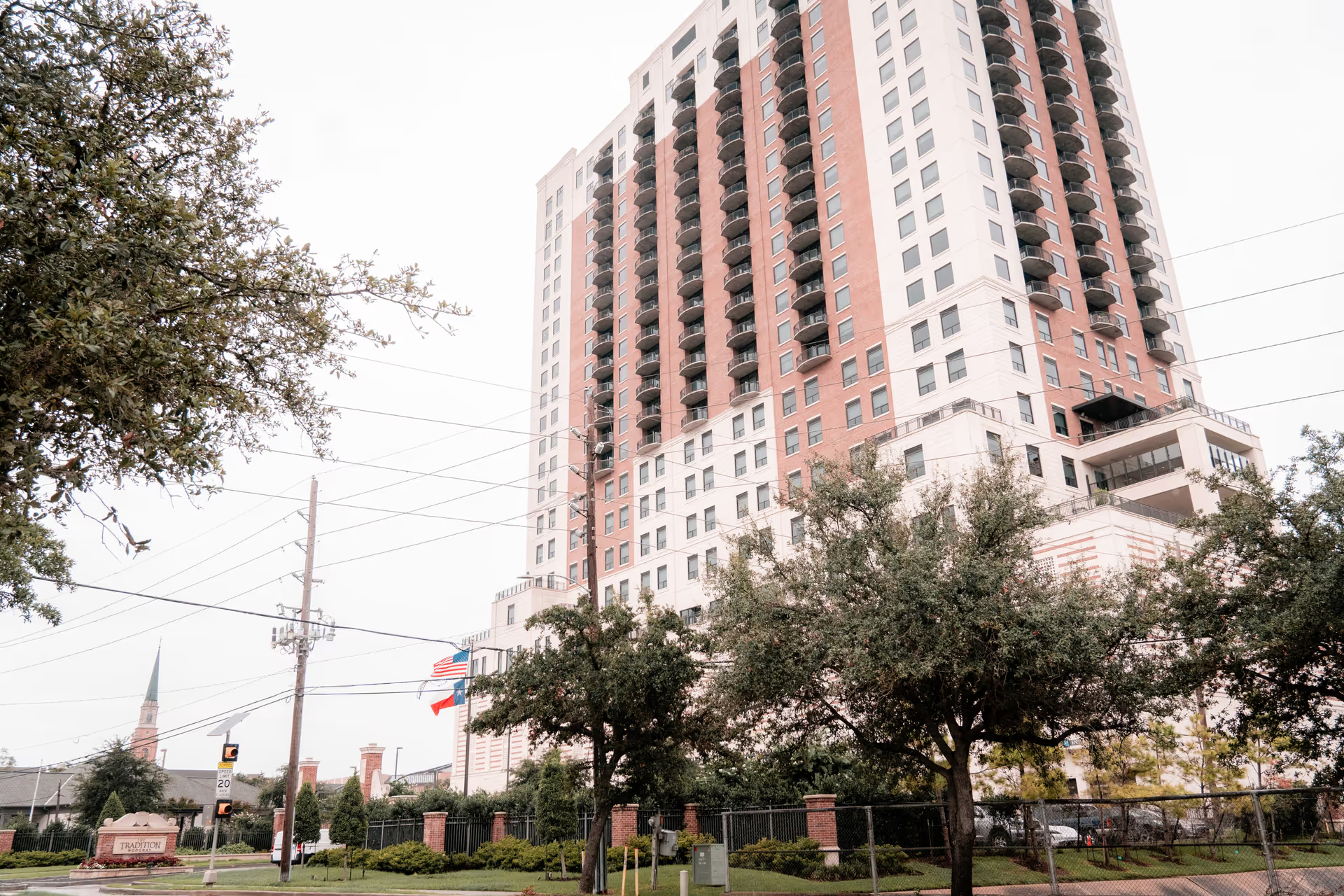
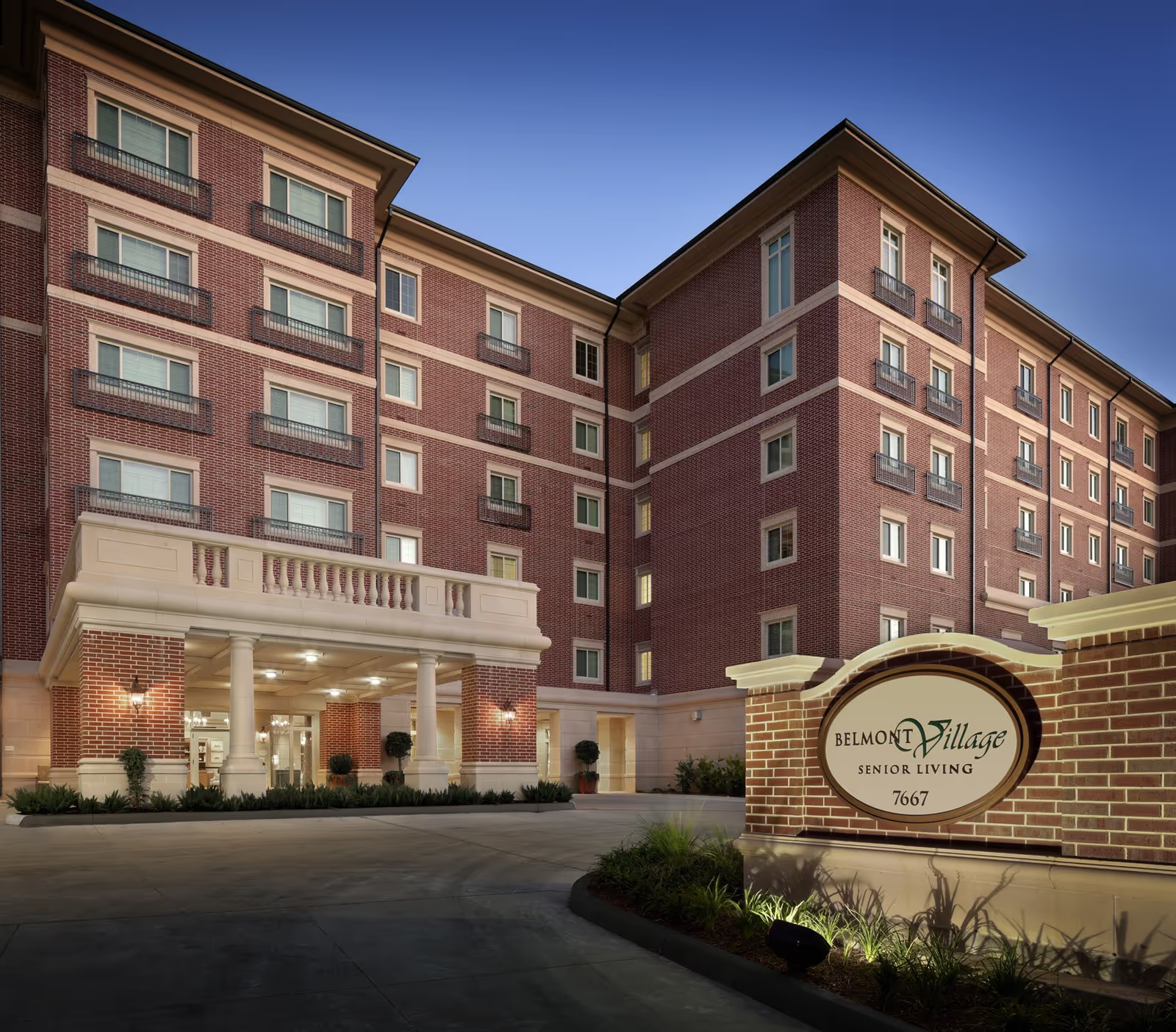
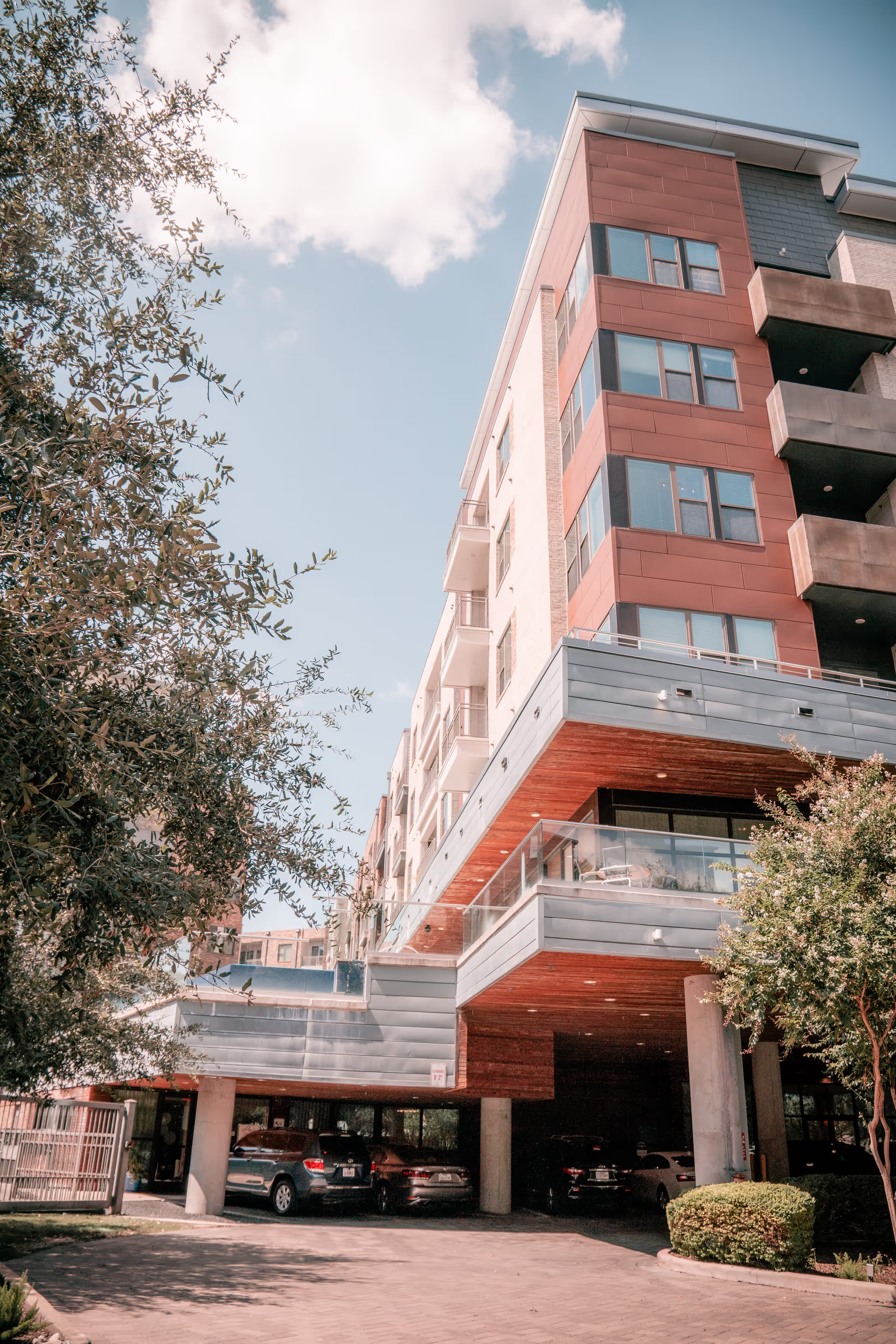
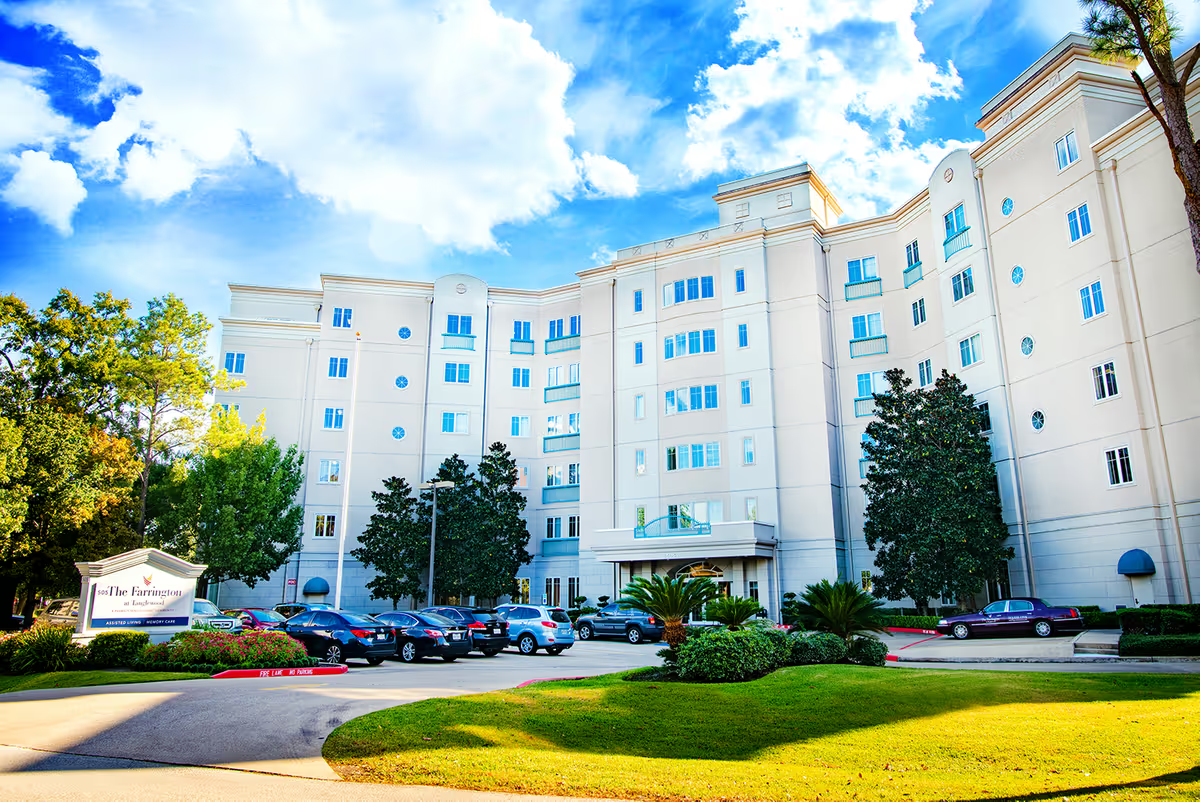
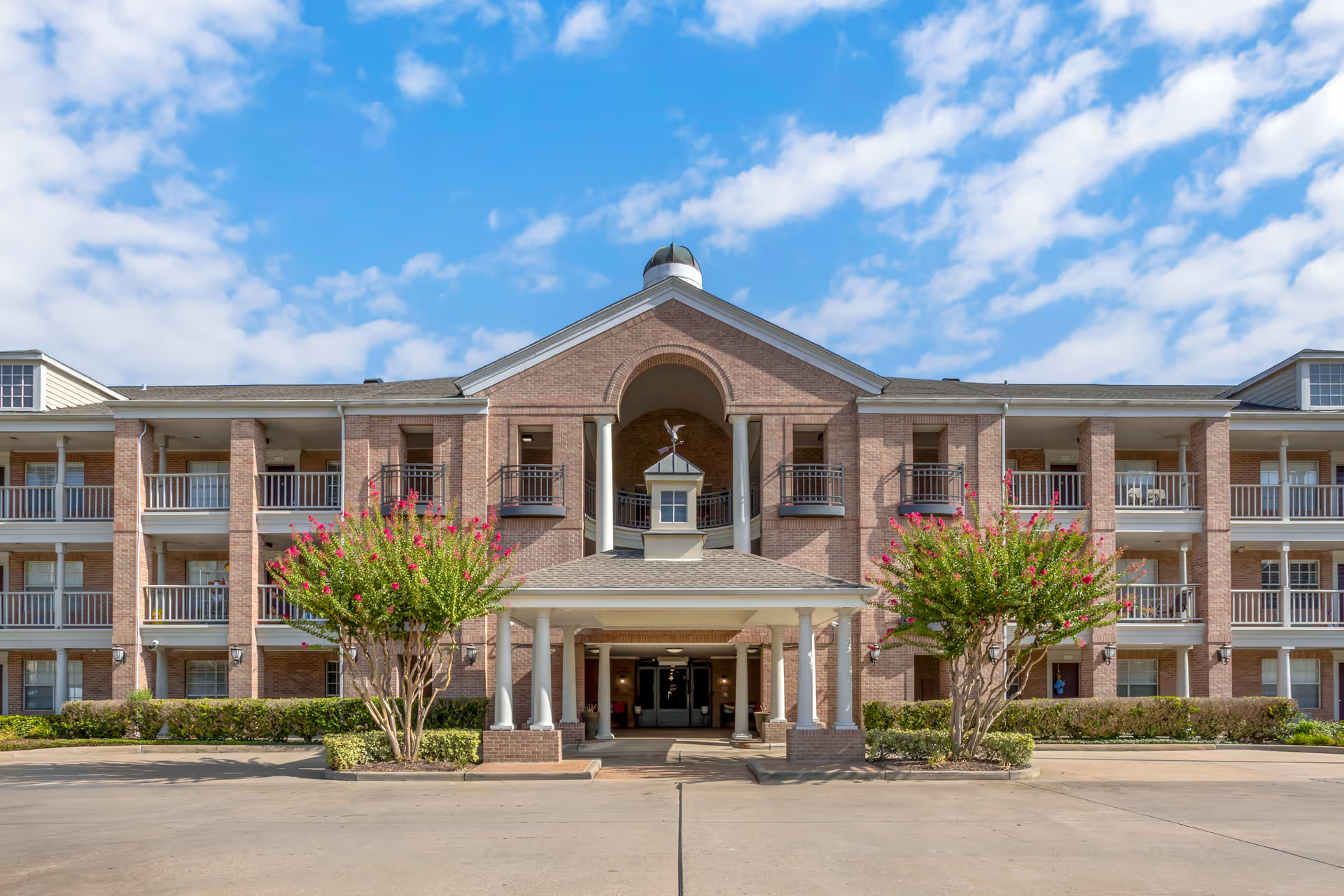
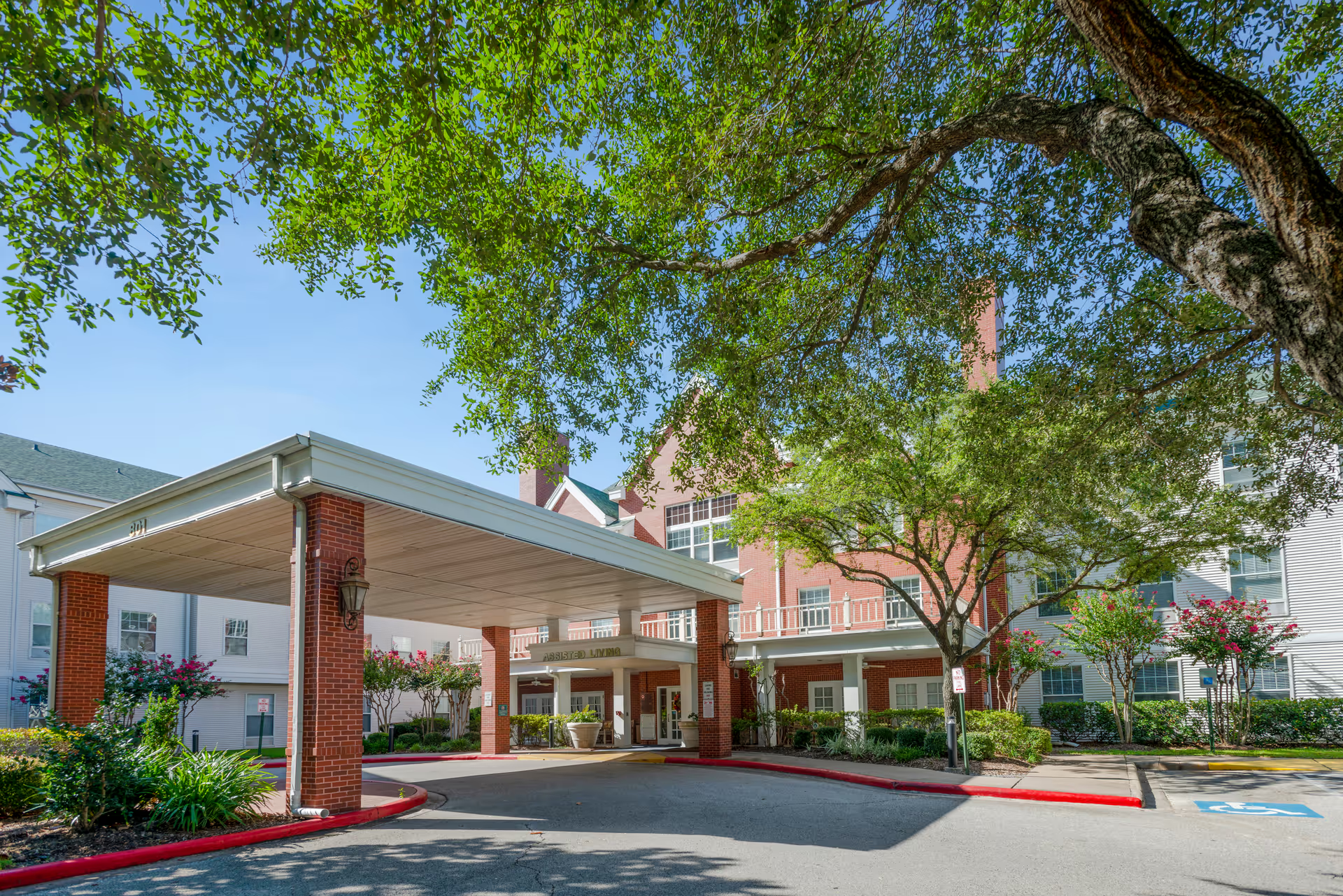
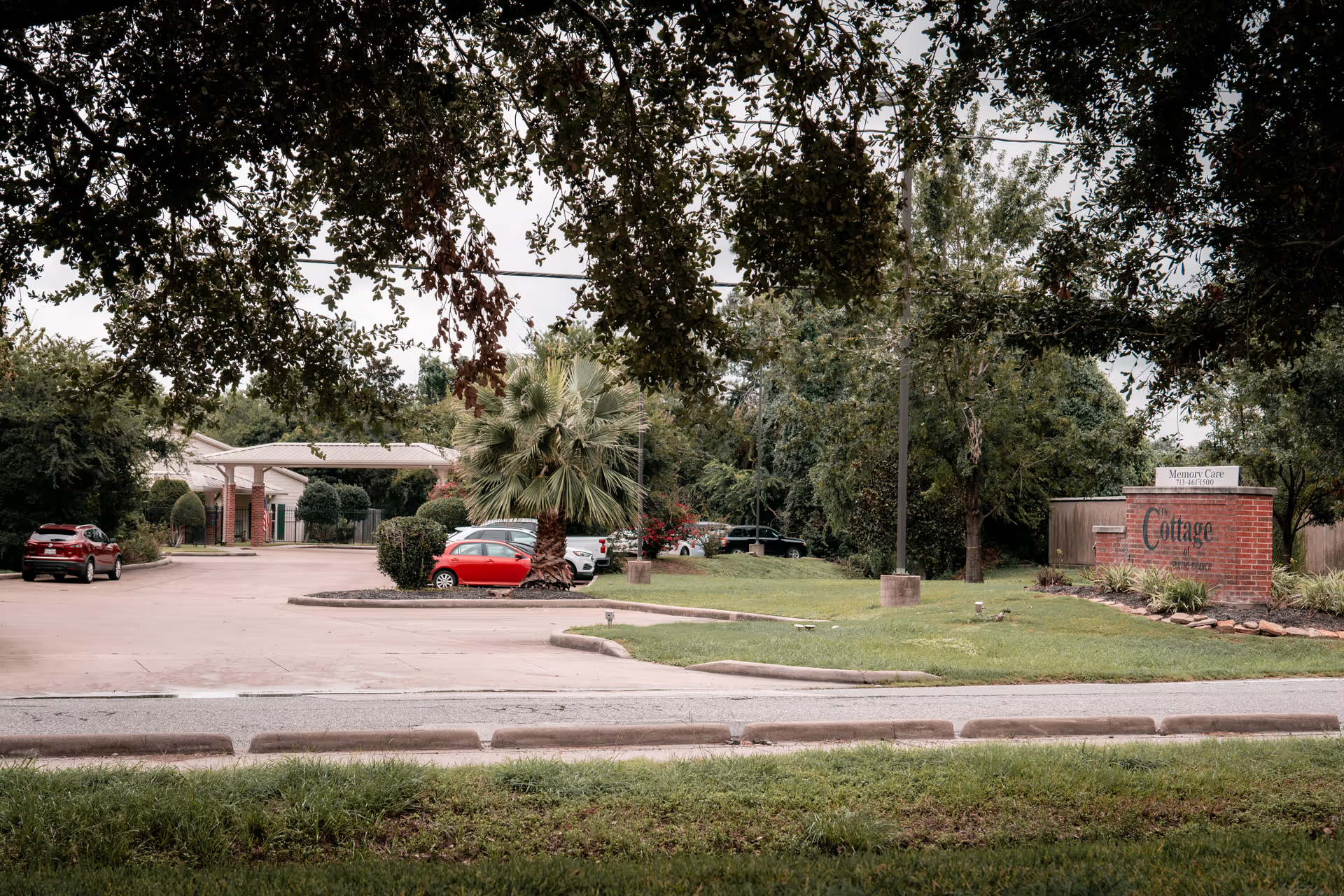
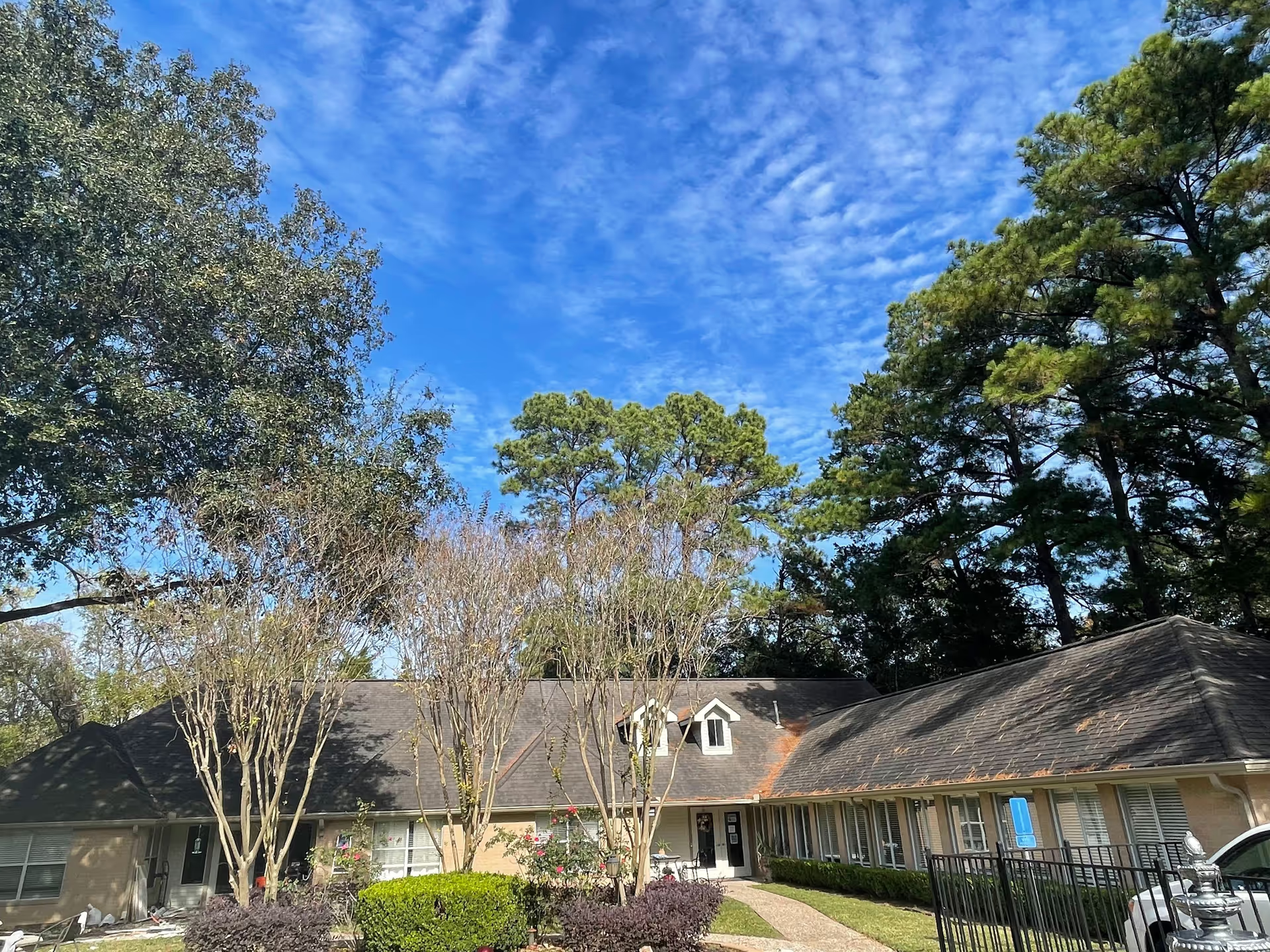
Facilities and amenities: The building is frequently described as clean, light-filled, and well located with pleasant views; ongoing renovation work has been mentioned. At the same time, reviewers identify dated patient rooms, uncomfortable beds, occasional nonworking room phones or TVs, and limited privacy in shared rooms. Housekeeping quality appears inconsistent across units.
Management, billing and discharge: Multiple reviews point to shortcomings in discharge planning, home-health coordination, and equipment provisioning at discharge. Billing issues and delays in refunds or Medicare-related processes are also recurring themes. Admissions and some administrative staff receive favorable mentions for being helpful and informative, but there are repeated critiques about executive-level responsiveness and follow-through on promises.
Notable patterns and guidance for families: Therapy outcomes are a consistent strength and the facility may be a strong choice when the primary need is short-term rehabilitation. However, prospective residents and families should verify operational details in advance: staffing ratios and overnight coverage, protocols for call-response and incontinence care, medication-administration safeguards, dietary accommodations and safety checks, discharge-planning processes, and accurate information about long-term care, memory-care availability, and payer acceptance. If continuity of oversight is important, families may want to plan for regular visits and clear channels of communication with the care team. For serious safety or clinical concerns cited in a few reviews — including adverse resident outcomes — families should consult licensing records and ask facility leadership for documentation of corrective actions and quality metrics.