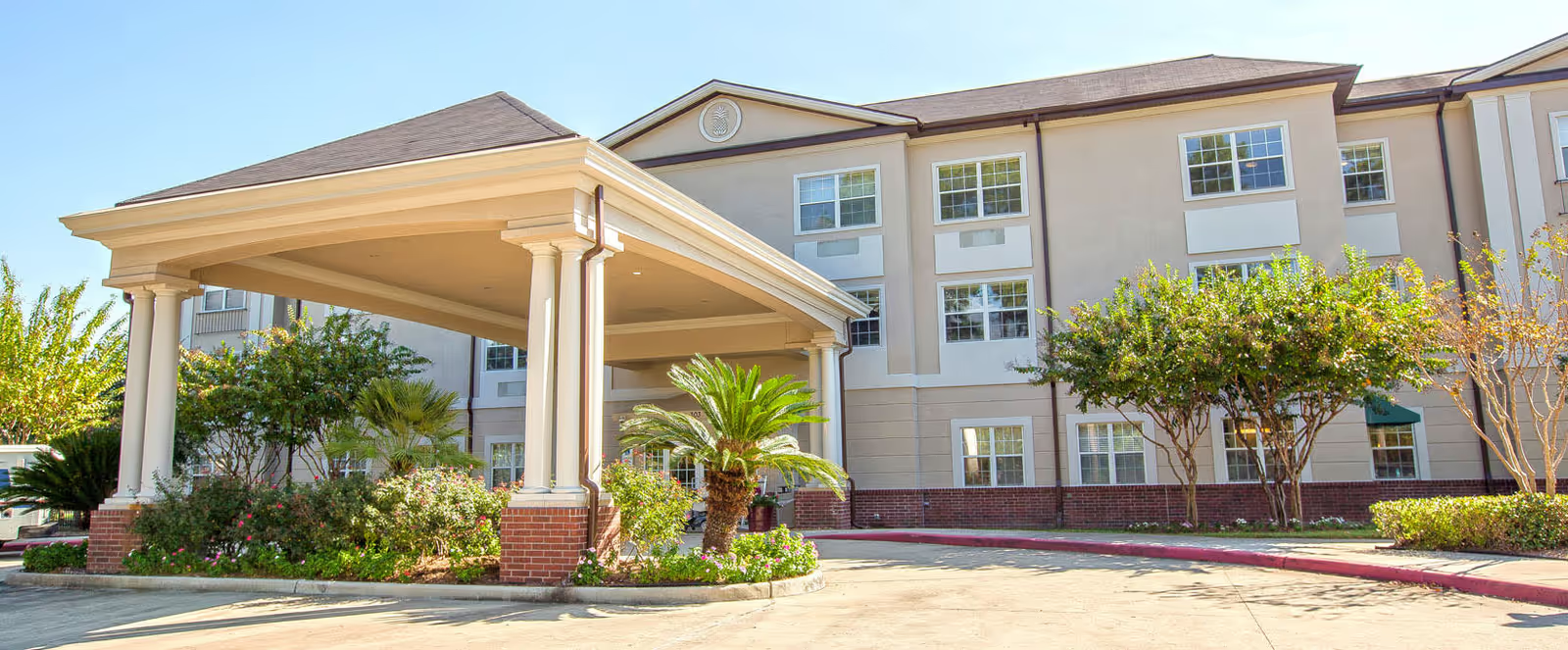
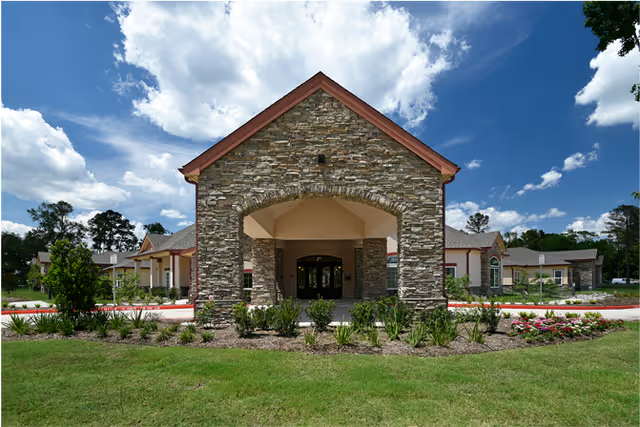
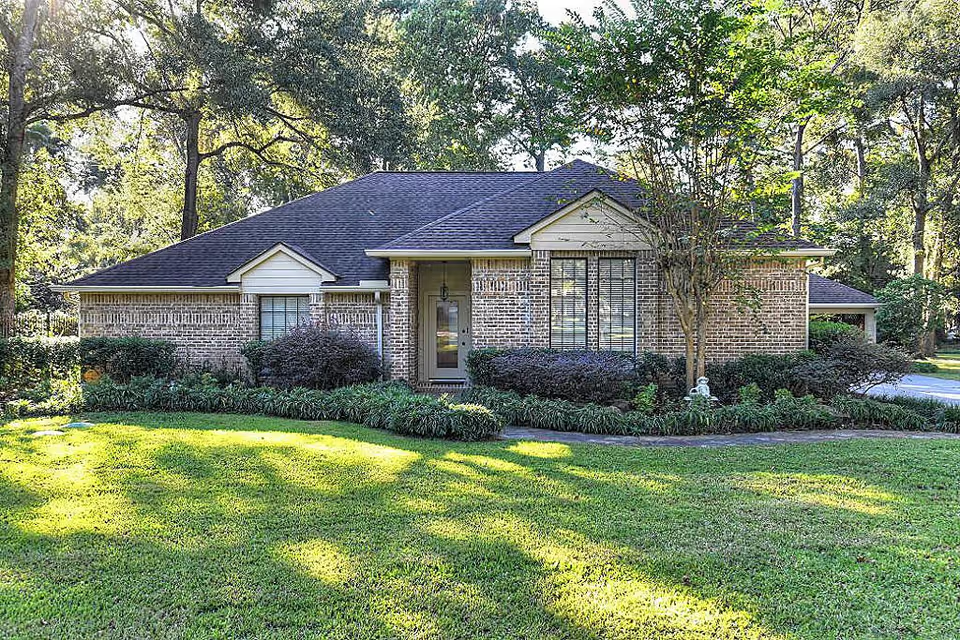
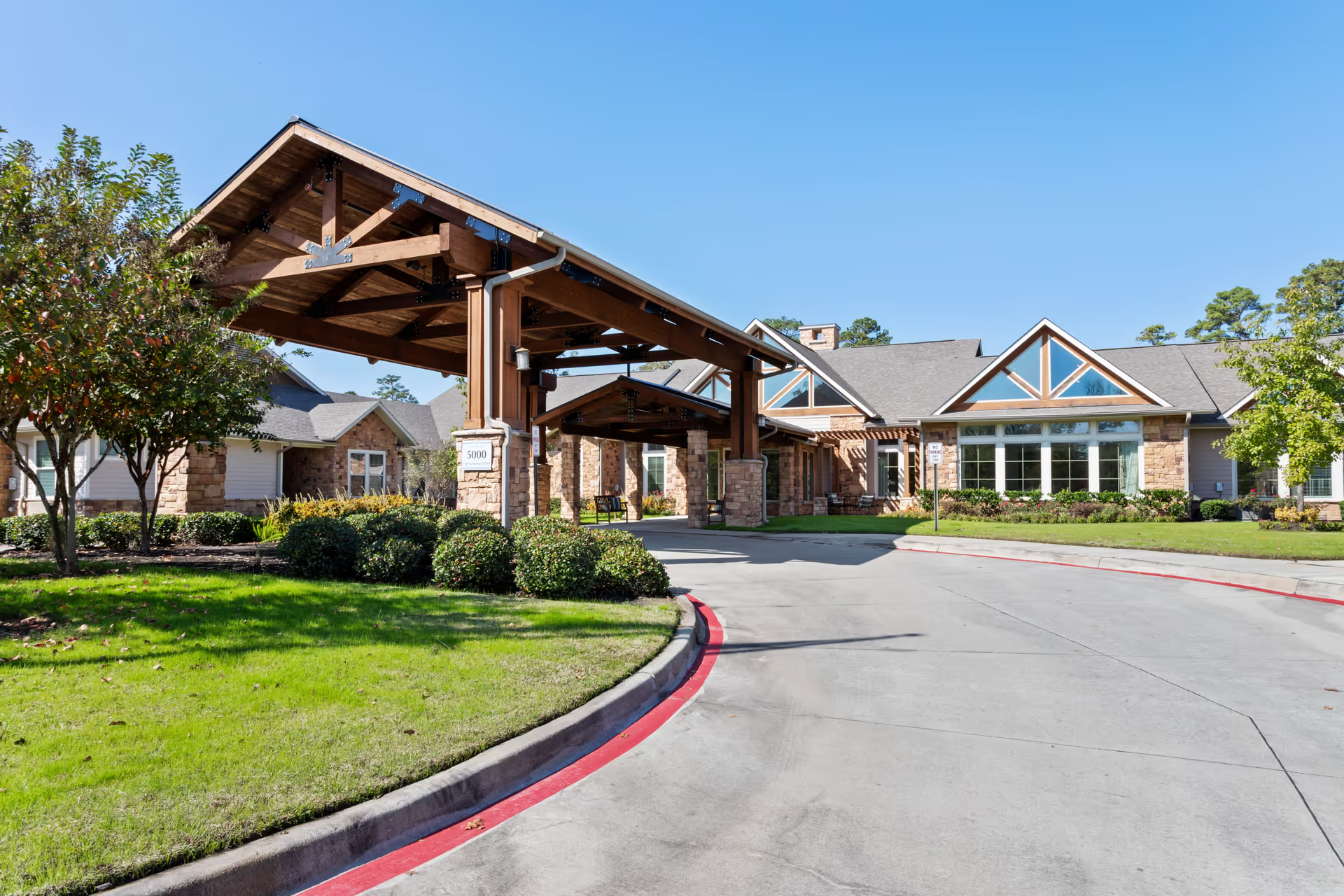
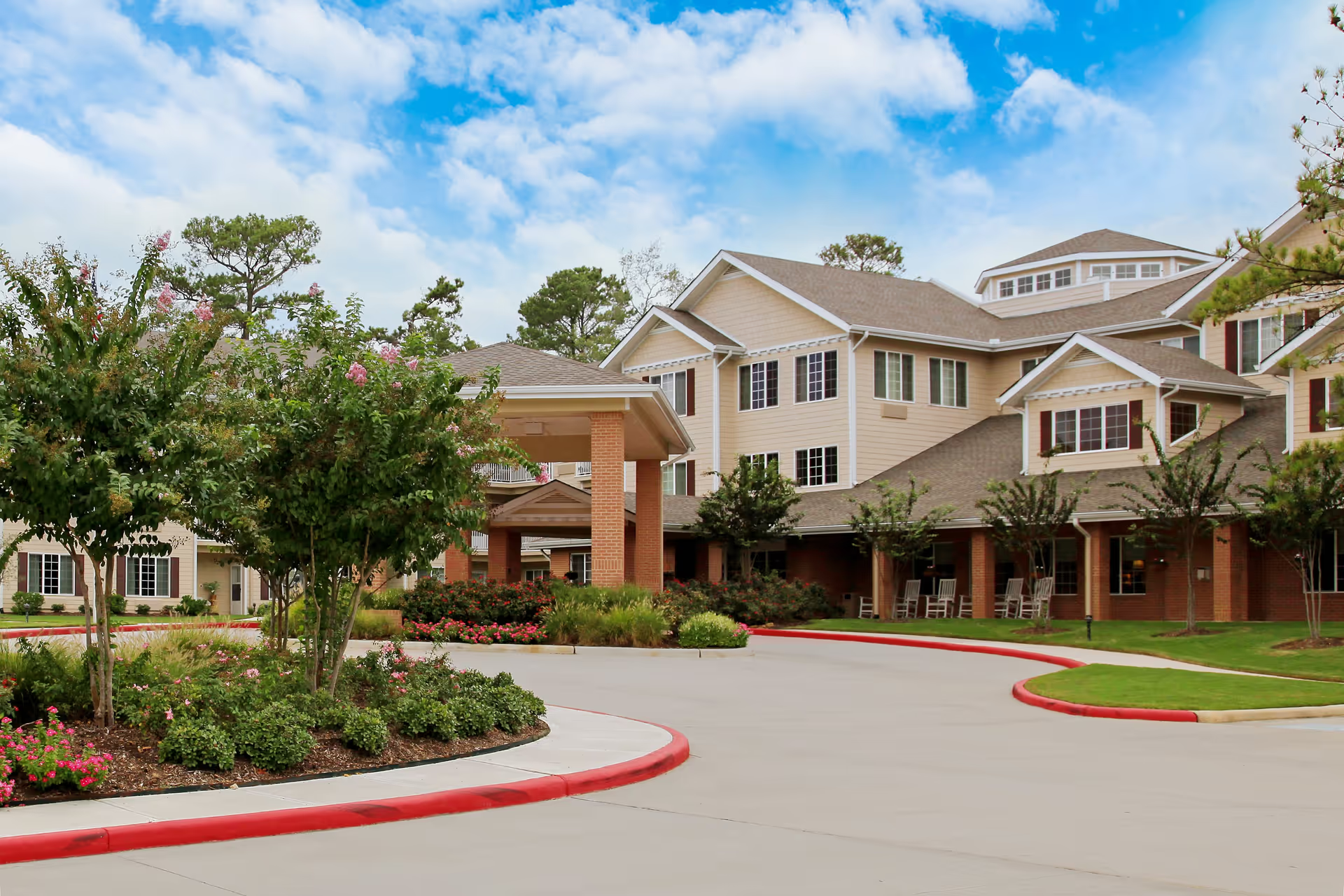
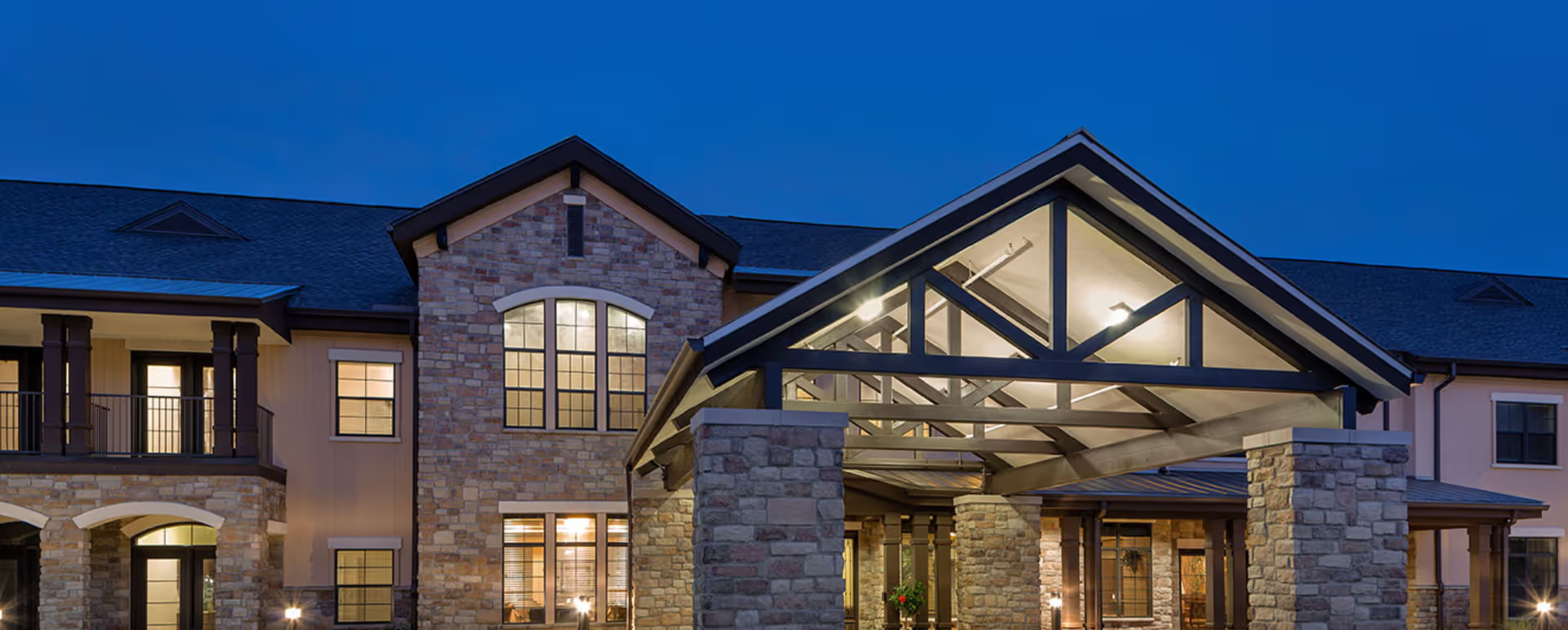
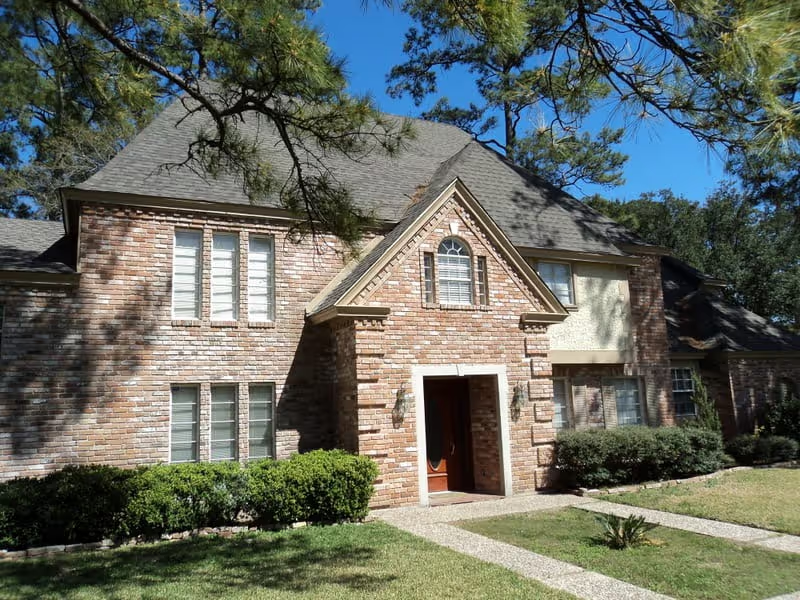
This community presents a mixed but instructive picture: many families describe a warm, small-facility atmosphere with attentive caregiving staff, an active activities calendar, and attractive outdoor spaces. Strengths frequently cited include compassionate direct-care staff, a variety of engagement options (gardening, bingo, movies, library, field trips), convenient ancillary services (in-building therapy, labs, salon, chapel), and steady meal service with full daily meals. The setting is often described as home-like and budget-friendly, with some residents benefiting from private rooms, single-story access, and easy outdoor access in a contained courtyard.
Care quality shows a clear duality. On the positive side, caregivers are repeatedly described as patient, respectful, and genuinely invested in residents’ well-being; administrative staff and some leaders (executive director, sales manager) are frequently praised for responsiveness and supportive move-in experiences. However, there are recurring clinical and operational concerns: inconsistent medication administration and documentation, gaps in nursing communication between shifts, and uneven clinical recordkeeping related to hospital transfers. Several reviewers raised serious safety concerns that suggest weaknesses in medication controls and incident documentation; those statements included allegations of falsified records and unresolved safety events and should be explored directly with the facility and regulators as needed.
Dining and activities are overall strengths. Many accounts highlight enjoyable meals, variety in menu choices (including diabetic options), organized dining, and regular social events and outings that contribute to resident satisfaction and weight/stability improvements for some. The activities department appears active and inclusive, offering frequent on- and off-site programming that residents find meaningful.
Facility condition and housekeeping are variable. The property’s courtyard, garden areas, and outdoor seating are frequently praised and described as a major quality-of-life asset. At the same time, the building is frequently characterized as older, with maintenance and cleanliness inconsistencies cited (room cleaning variability, occasional sanitation and pest-control concerns, dated rooms, cobwebs on porches, television reception issues). Room configurations are sometimes limited (shared rooms and few kitchenette options), which may be a constraint for families seeking more private apartment-style accommodations.
Management and communication patterns are inconsistent across reviews. Some families commend strong leadership, clear tours, and helpful move-in coordination; others describe poor oversight, insufficient notification about staff changes, surprise billing, and unclear points of contact during transitions (including after a Brookdale acquisition mention). Nighttime responsiveness and call-light responsiveness were highlighted as operational weaknesses in a number of accounts.
Overall impression: the community can be an excellent fit for families prioritizing compassionate staff, active programming, outdoor amenities, and affordability, particularly in a smaller, single-story environment. At the same time, prospective residents and families should directly assess clinical safeguards and operational controls—specifically medication management, nursing shift communication, sanitation practices, pest control, and billing transparency—before committing. Recommended due diligence includes asking for current staffing ratios and turnover data, reviewing medication-administration and incident-reporting procedures, inspecting multiple resident rooms and common areas, and clarifying pricing/billing practices and pest-control/housekeeping schedules.