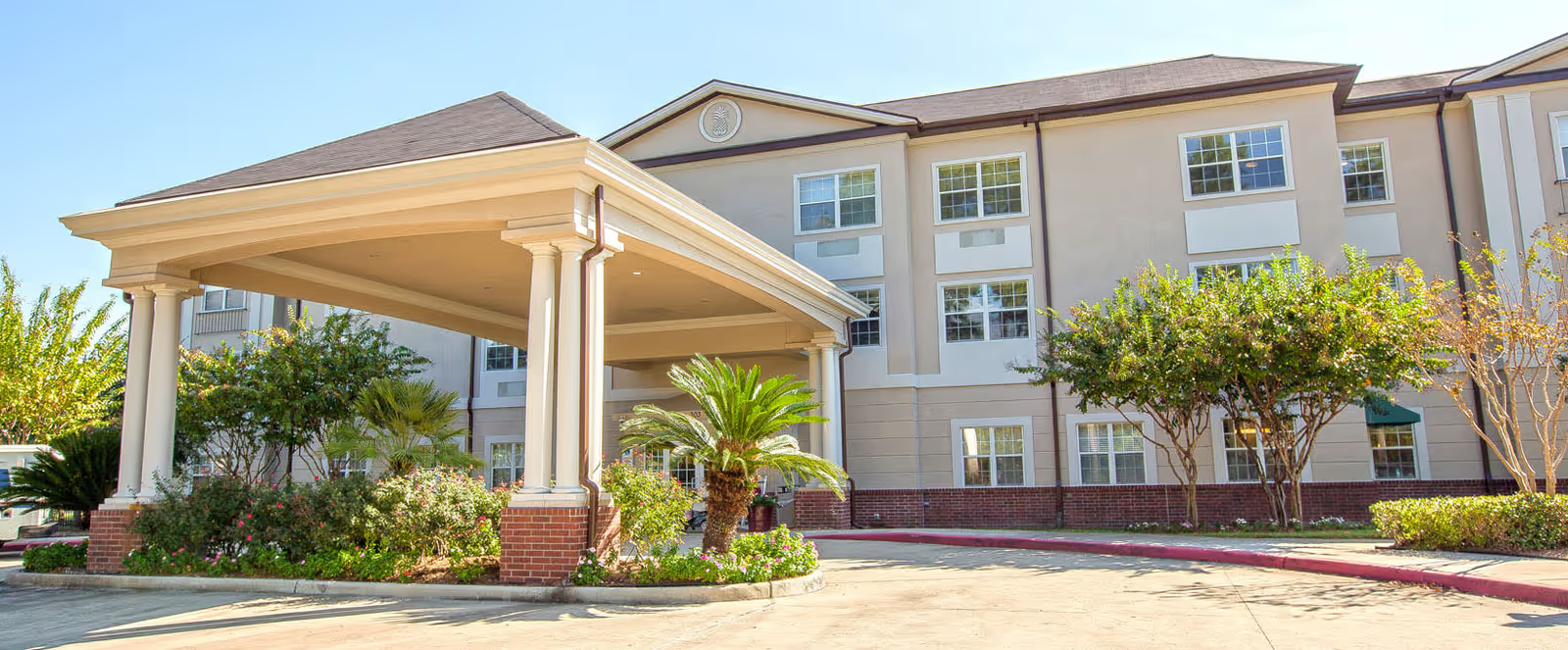
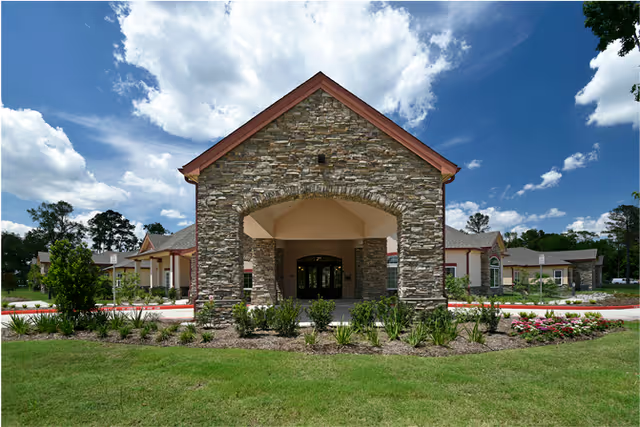
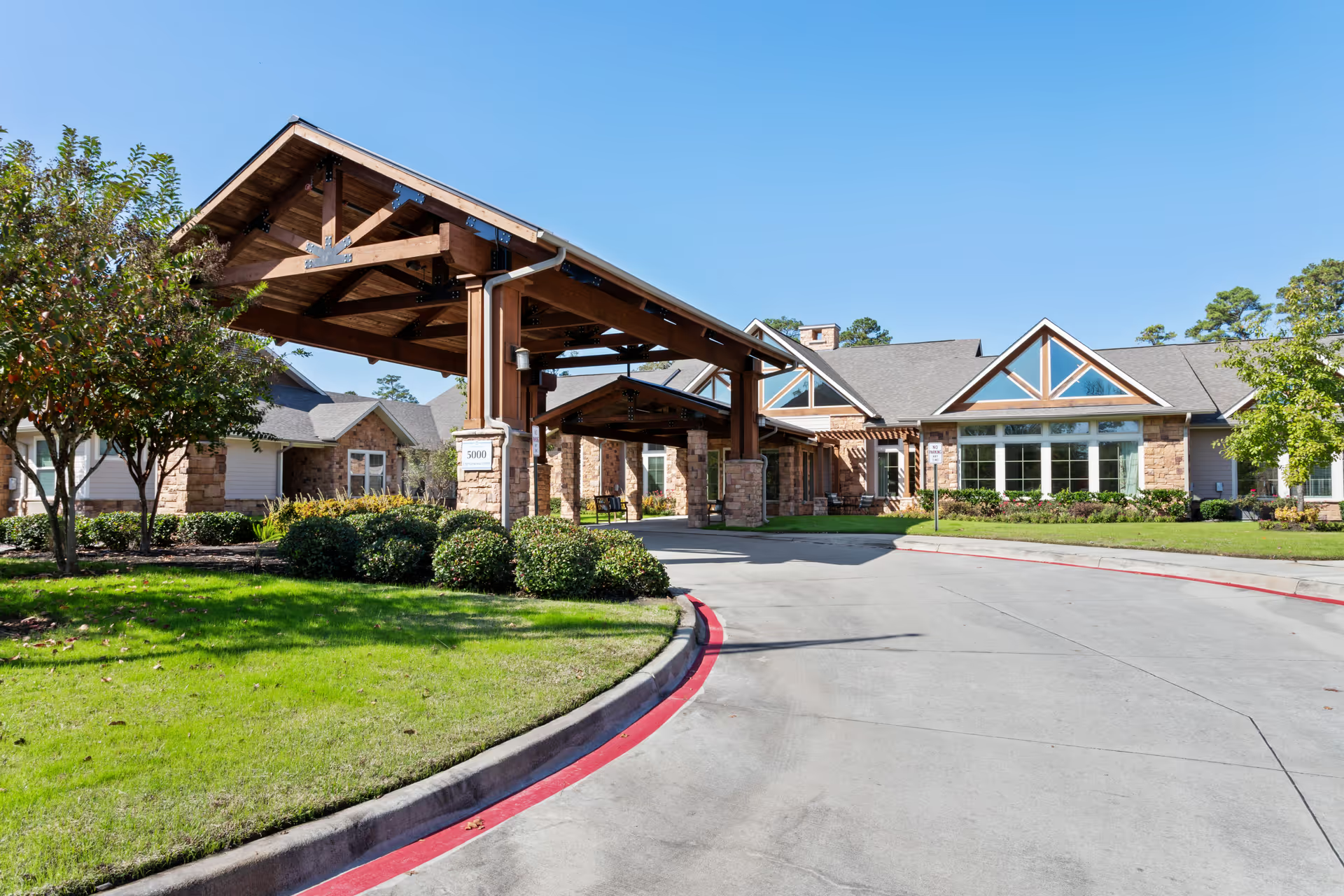
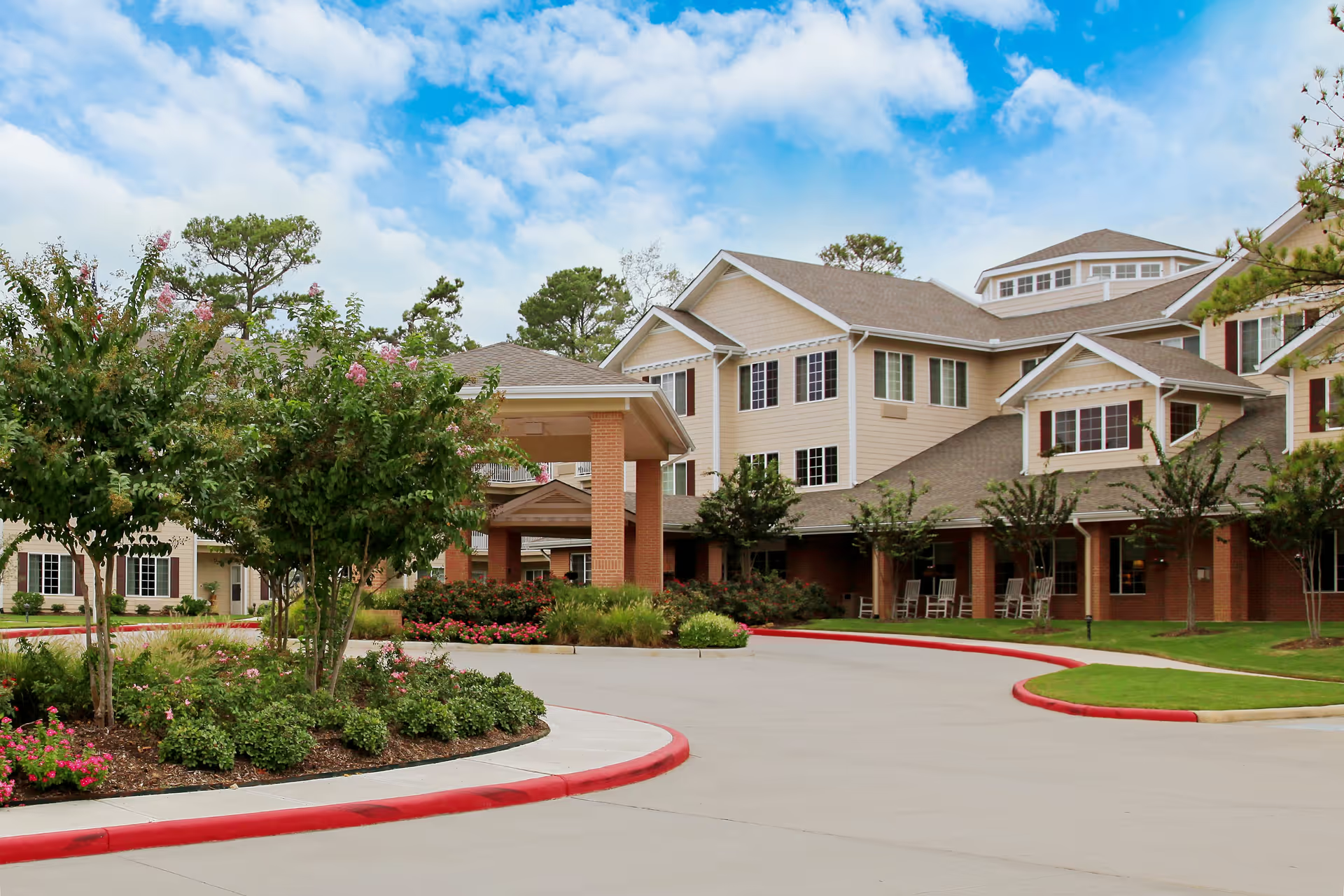
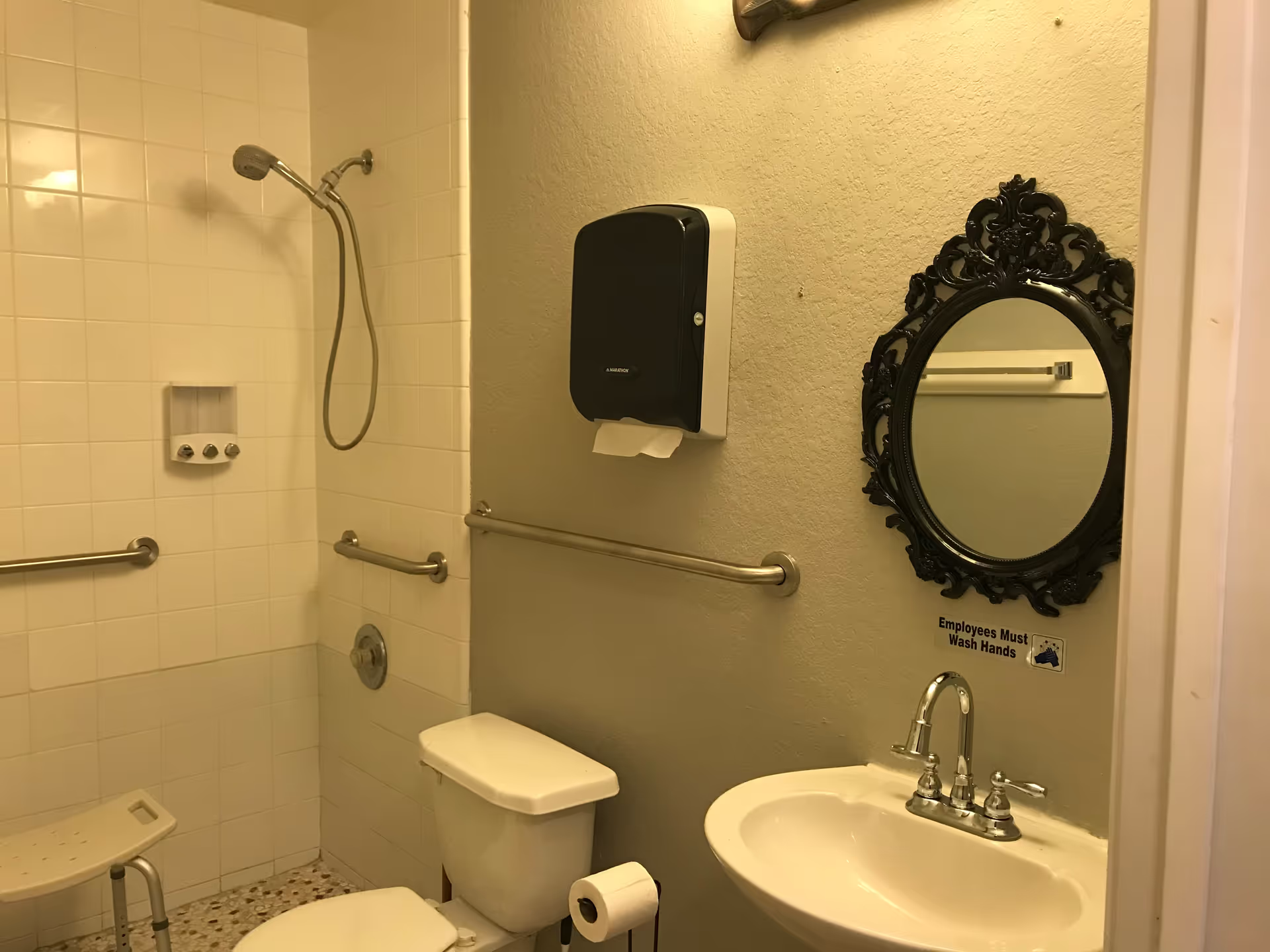
Spring Creek Village elicits strongly polarized impressions. Many families and visitors highlight a modern, well-maintained campus with spacious, bright apartments, attractive common areas, and a restaurant-style dining room. The site-level amenities — salon, on-site therapy and rehab services, shuttle, outdoor patios, and a secure, well-lit memory-care neighborhood — are repeatedly noted as strengths that support independence, social engagement, and convenience for family members.
Staff and programming are consistently cited as the community's greatest asset. Numerous accounts describe compassionate, personable caregivers, engaged activities leadership, and memory-care programming that includes purpose-built activities (gardening, Dementia Live experiences, adapted games). Several families praised specific staff members and directors for proactive communication, thoughtful transition support, and going beyond routine responsibilities. Rehabilitation and therapy services, as well as chef involvement in menus, are positive operational features for residents seeking active recovery or enriched dining.
At the same time, a recurring pattern of operational concerns appears across reviews. Staffing levels and turnover are frequently mentioned as creating variability in day-to-day care: families describe uneven caregiver availability, delayed responses to call pendants, inconsistent bathing schedules, and reduced weekend or overnight coverage. These staffing patterns are tightly connected to more specific quality issues noted by reviewers, including gaps in medication administration controls, missed or delayed clinical tasks, and uneven housekeeping or laundry practices.
Dining and housekeeping responses are mixed. Many reviewers praise the dining environment, chef-created menus, and restaurant-like presentation; others note episodes of limited fresh-produce options, repetitive or pre-prepared meals, and variability in portioning or meal assistance. Housekeeping and sanitation are usually described positively but some reviews point to inconsistent room cleaning, laundry mishandling, and odor or sanitation concerns in particular areas at times.
Management and communication elicit divergent impressions. Some families report proactive, responsive leadership that addresses concerns and implements improvements under new management. Conversely, a set of reviews describe slow follow-through, billing disputes, or rigid fee enforcement; these accounts raise caution about transparency and consistency in financial and administrative practices. A few serious individual complaints reference clinical-incident follow-up and billing disputes after a resident death, underscoring the importance of clarifying escalation and grievance procedures during a tour.
What emerges overall is a community with strong physical assets and many committed frontline caregivers, paired with operational instability in staffing, clinical processes, and administrative consistency. Prospective families should prioritize direct conversations and observations around staffing ratios (including nights and weekends), medication-administration protocols and incident escalation, housekeeping and laundry routines, pendant/emergency response times, and billing/contract terms. An on-site visit that includes the memory-care neighborhood, a mealtime observation, and requests for recent staffing/turnover information will help validate whether the community’s strengths align with a prospective resident’s needs and acuity level.