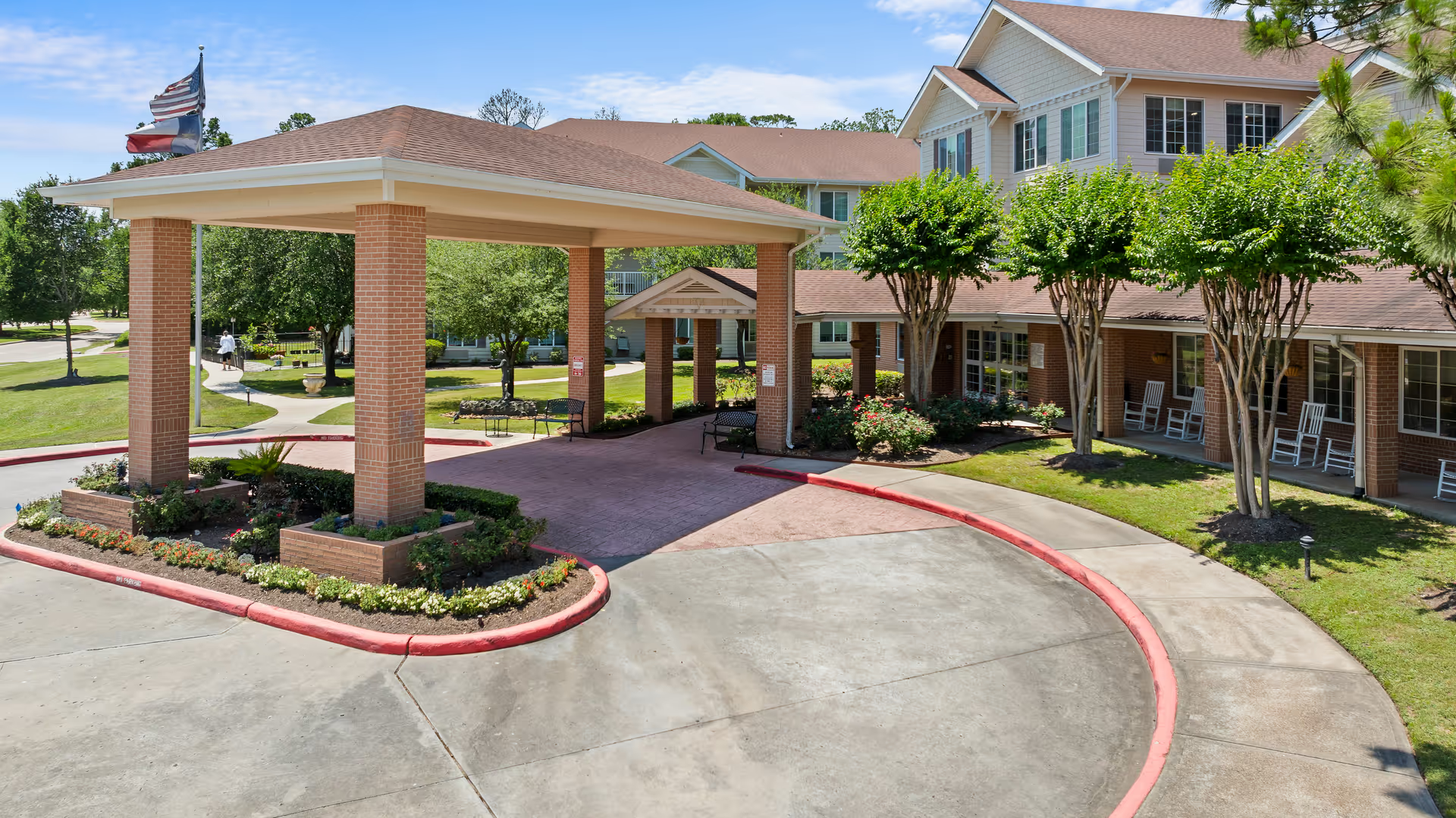
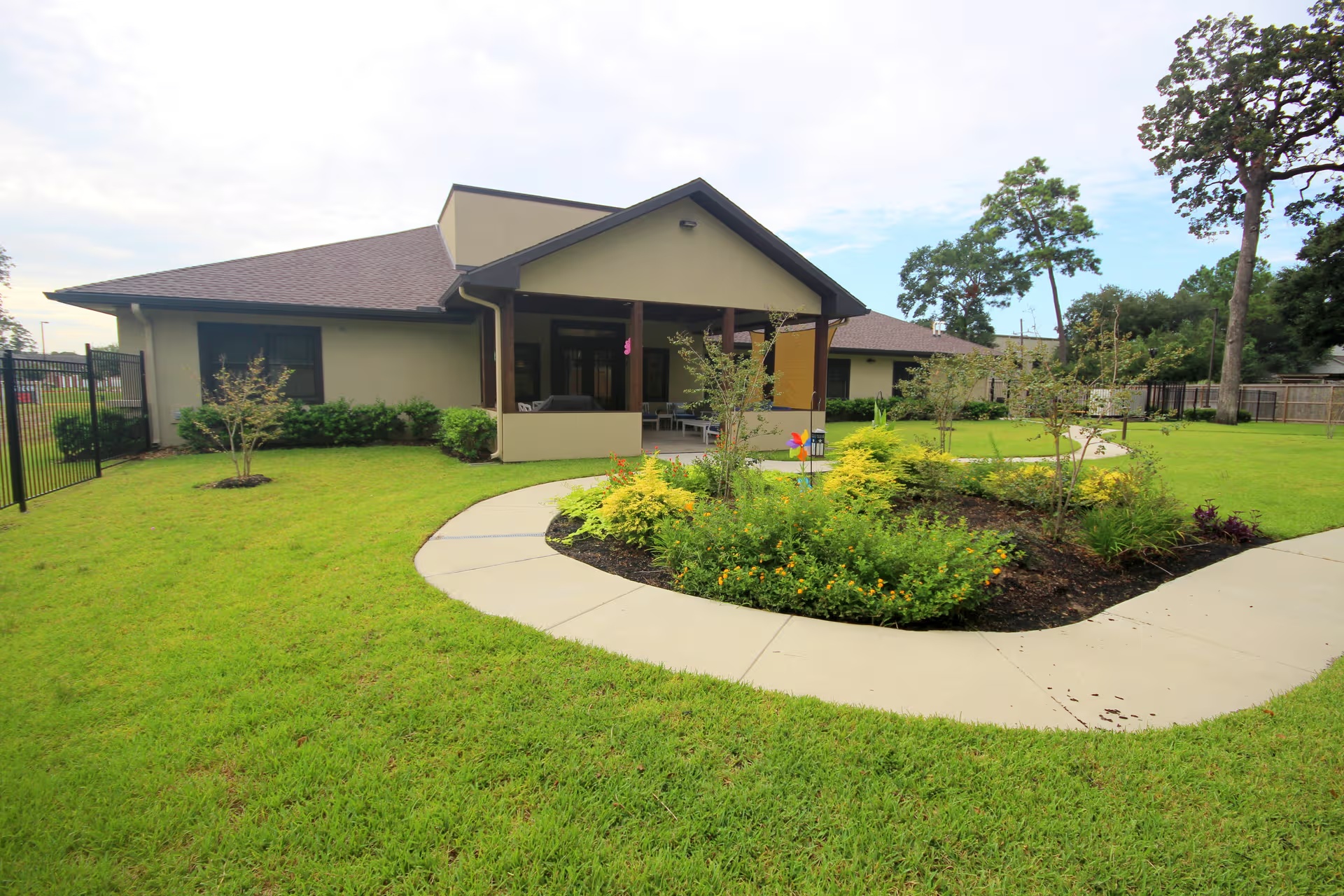
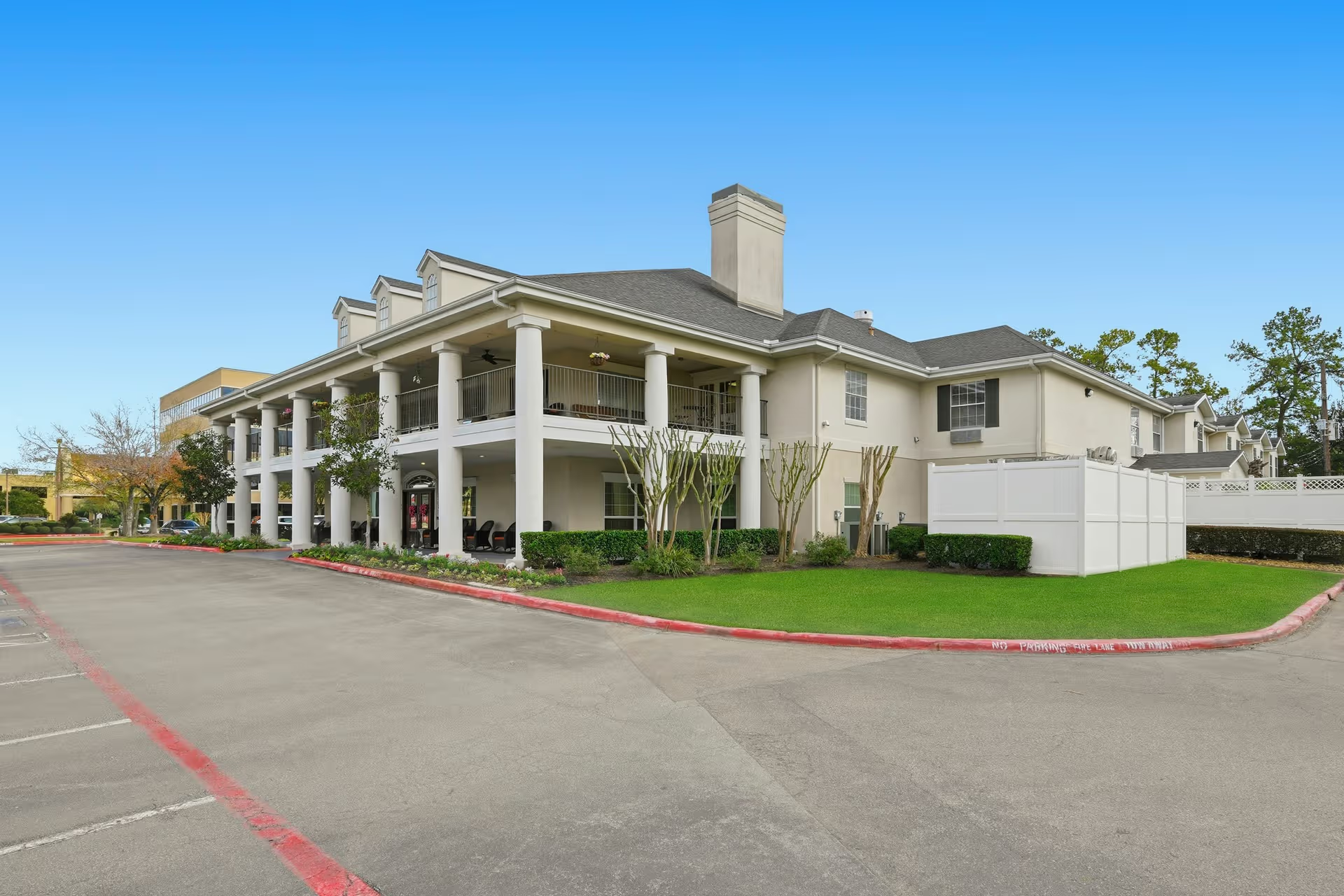
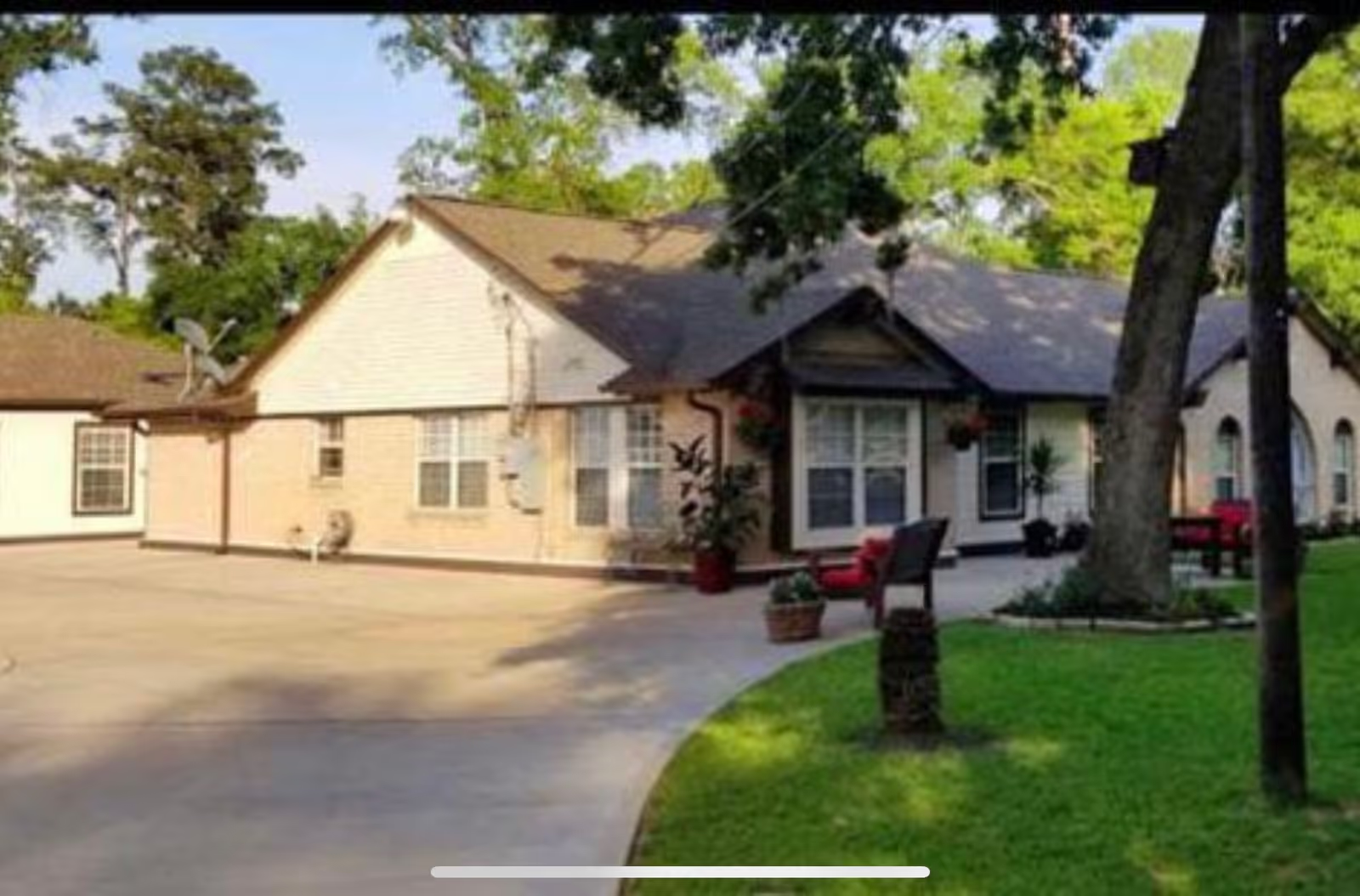
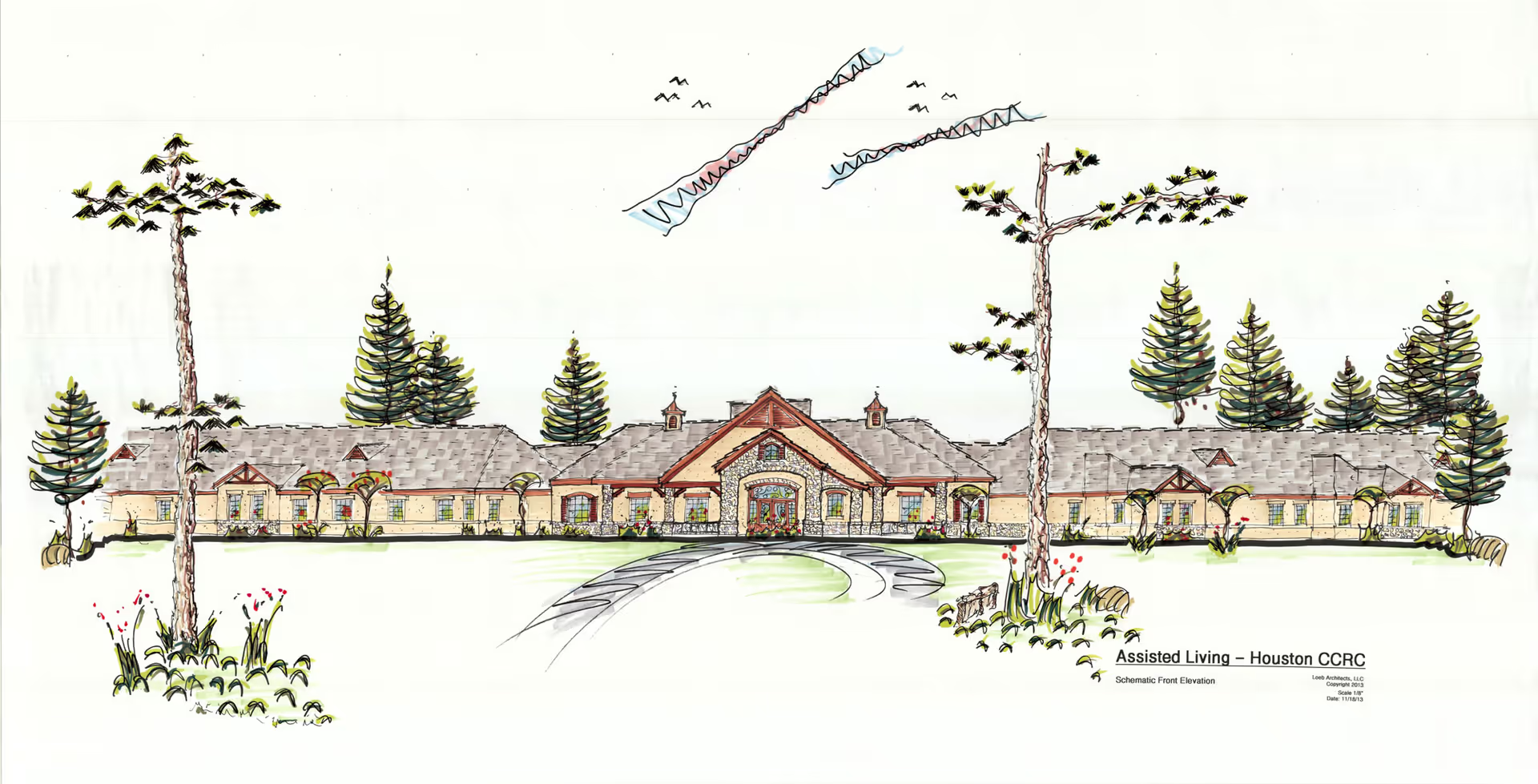
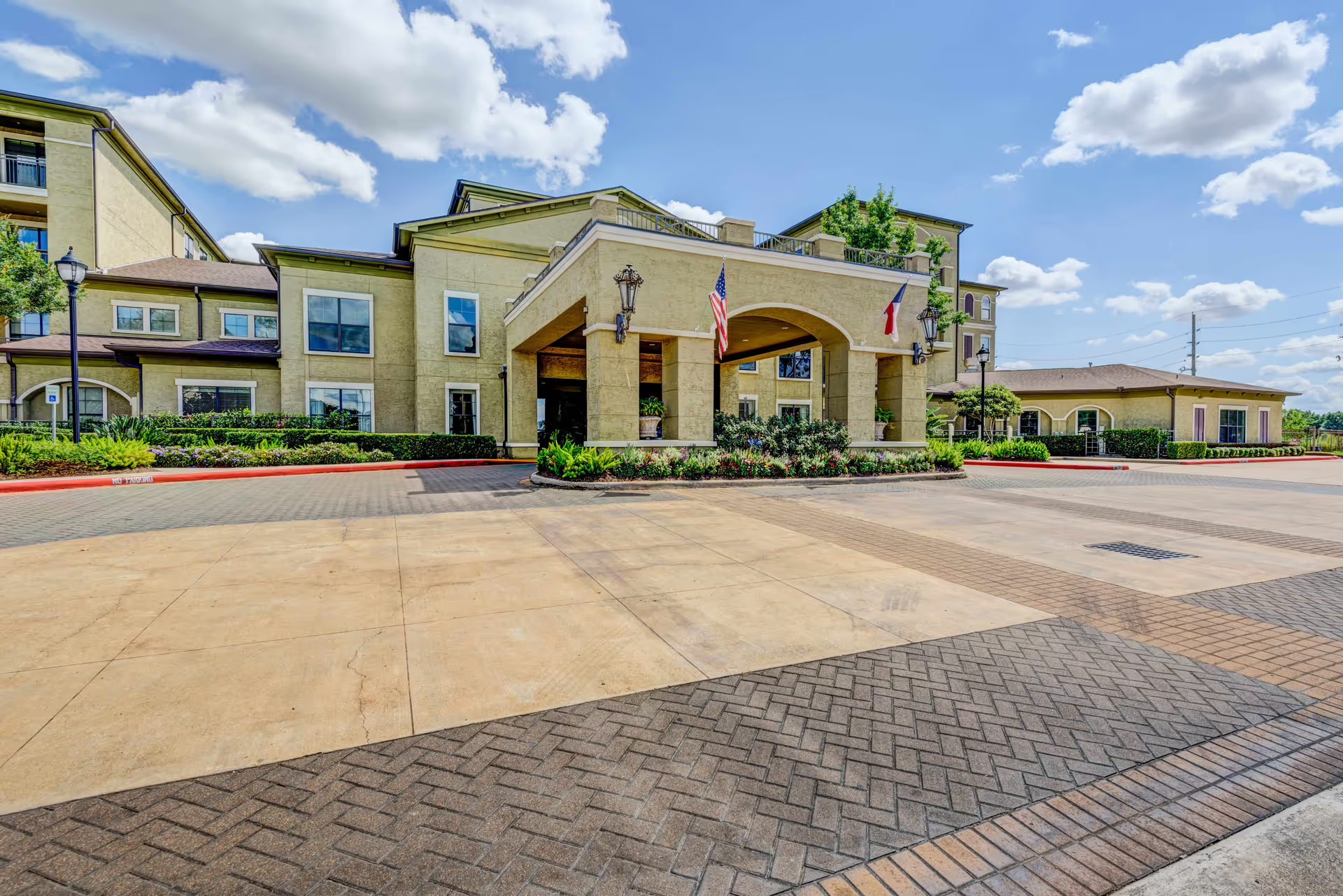
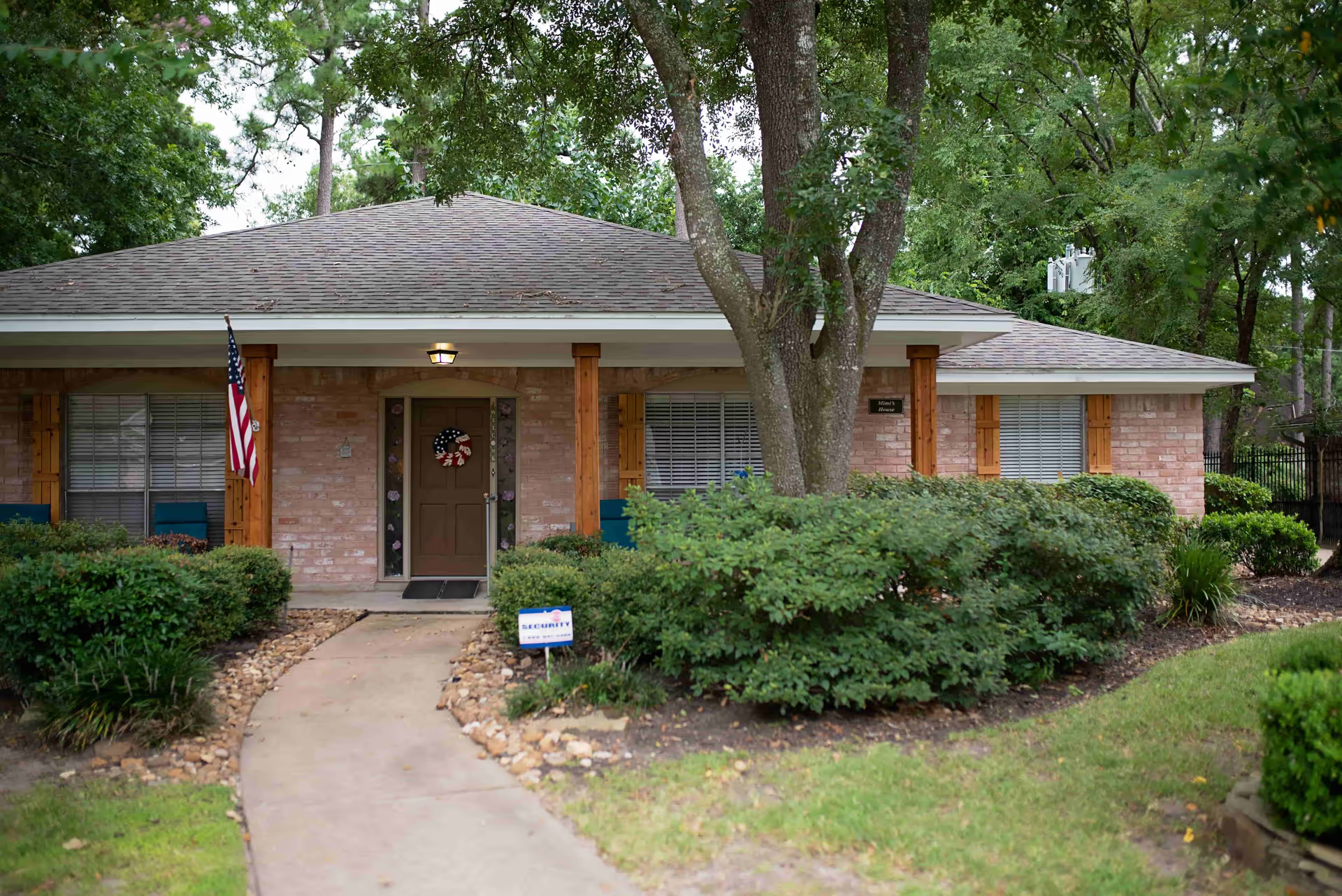
Wood Glen Court presents as a bright, apartment-style assisted living community with many features that families and residents find attractive. The property is frequently described as well-maintained, attractively decorated, and easy to navigate on a single story. Units tend to be larger-than-average for the market, with kitchenettes, courtyard access, and on-site amenities such as a salon, library, laundry, and scheduled transportation. The built environment and available common spaces support social engagement and easy access to outdoor areas.
A dominant strength in the feedback is the quality of staff and leadership. Families repeatedly note compassionate, hands-on caregivers, proactive executive leadership, and effective communication with families. Clinical supports are present on-site — including physical and occupational therapy programs and regular medication administration — and nursing and med-tech responsiveness is commonly praised. Several accounts highlight staff efforts during infection-control periods and the ways leadership involved families in updates and community morale activities.
Activities and social programming are another clear positive: a broad calendar of offerings (exercise classes, Bingo, faith services, live music, outings, and special events) and an engaged activities director are frequently cited. These programs, alongside regular social events and communal dining, contribute to an active resident life and high overall satisfaction for many families. Where dining is concerned there is mixed feedback: some residents and families praise fresh, improved menus and a new chef, while others describe inconsistent food quality or limited menu execution. Prospective residents may want to sample meals and ask about current menu planning and culinary staffing.
There are several operational concerns to weigh. Staffing instability and turnover are raised enough to be considered a pattern that can affect continuity of care and familiarity with residents. Relatedly, there are specific serious concerns in some accounts about pest-control management and the speed and thoroughness of remediation measures; these are described as leading to sanitation issues and slow responses in isolated cases. There are also allegations regarding staff theft and inventory controls; given the seriousness of that claim, families should request information on inventory processes and incident resolution protocols. The community’s single-floor, spread-out layout is generally an advantage, but for residents with limited mobility the distance from some apartments to dining and activity spaces can be challenging.
In sum, Wood Glen Court appears to deliver a resident-centered, socially active environment with many families praising staff compassion, leadership visibility, and clinical supports. However, important operational trade-offs exist: variable dining experience, staffing turnover, accessibility considerations for less-mobile residents, and specific concerns about pest control and asset controls. Families considering the community should tour in person, sample meals, ask for current staffing ratios and turnover data, request pest-management and remediation policies, review medication and incident-response protocols, and verify how the unit location relates to dining and activity areas to ensure a good match for mobility and care needs.