Overall impression: Northgate Forest Senior Living is consistently described as a small, home-like assisted living option with strong emphasis on individualized, compassionate care. Families and visitors frequently highlight a warm, family atmosphere, active owner involvement, and a staff that presents as upbeat and nurturing. The facility’s scale and staffing model contribute to a personalized environment where residents receive frequent attention and familiar caregivers.
Care quality and staff: Reviewers overwhelmingly praise the caregiving team for kindness, attentiveness, and respect for resident dignity. Night checks and round-the-clock care are noted, and staff participation in family events and end-of-life acknowledgments was viewed positively by relatives. Names of particular staff and owners are commonly offered as examples of dependable leadership and hands-on engagement. At the same time, a minority of accounts raise concerns about staff communication tone and conduct; these describe isolated instances suggesting variability in how staff interact with residents. The small-staff model supports individualized attention but may also limit staffing depth and contribute to occasional inconsistencies in practice or responsiveness.
Dining and activities: Dining is a clear strength. Reviews emphasize chef-prepared, home-cooked meals that are described as healthy and appealing, including special-event or birthday meals. Social programming and family-oriented events — from holiday parties to petting-animal activities — are regular features and contribute to resident engagement. Families also report that staff send photos and frequent updates, which supports family involvement and transparency.
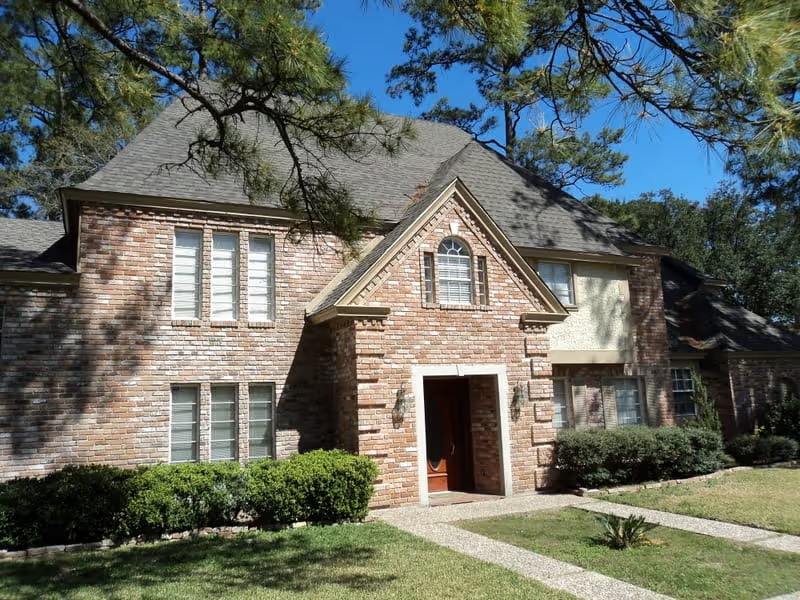
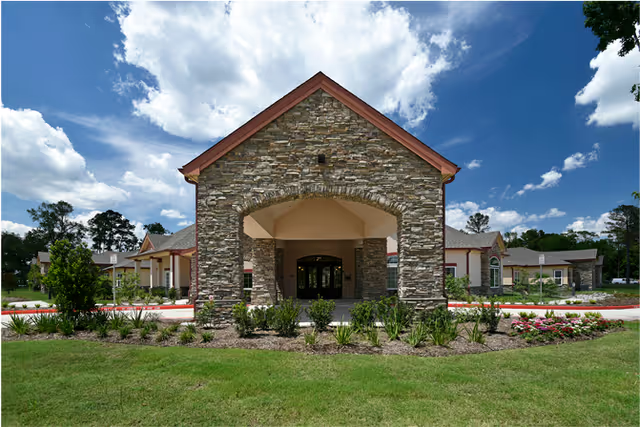
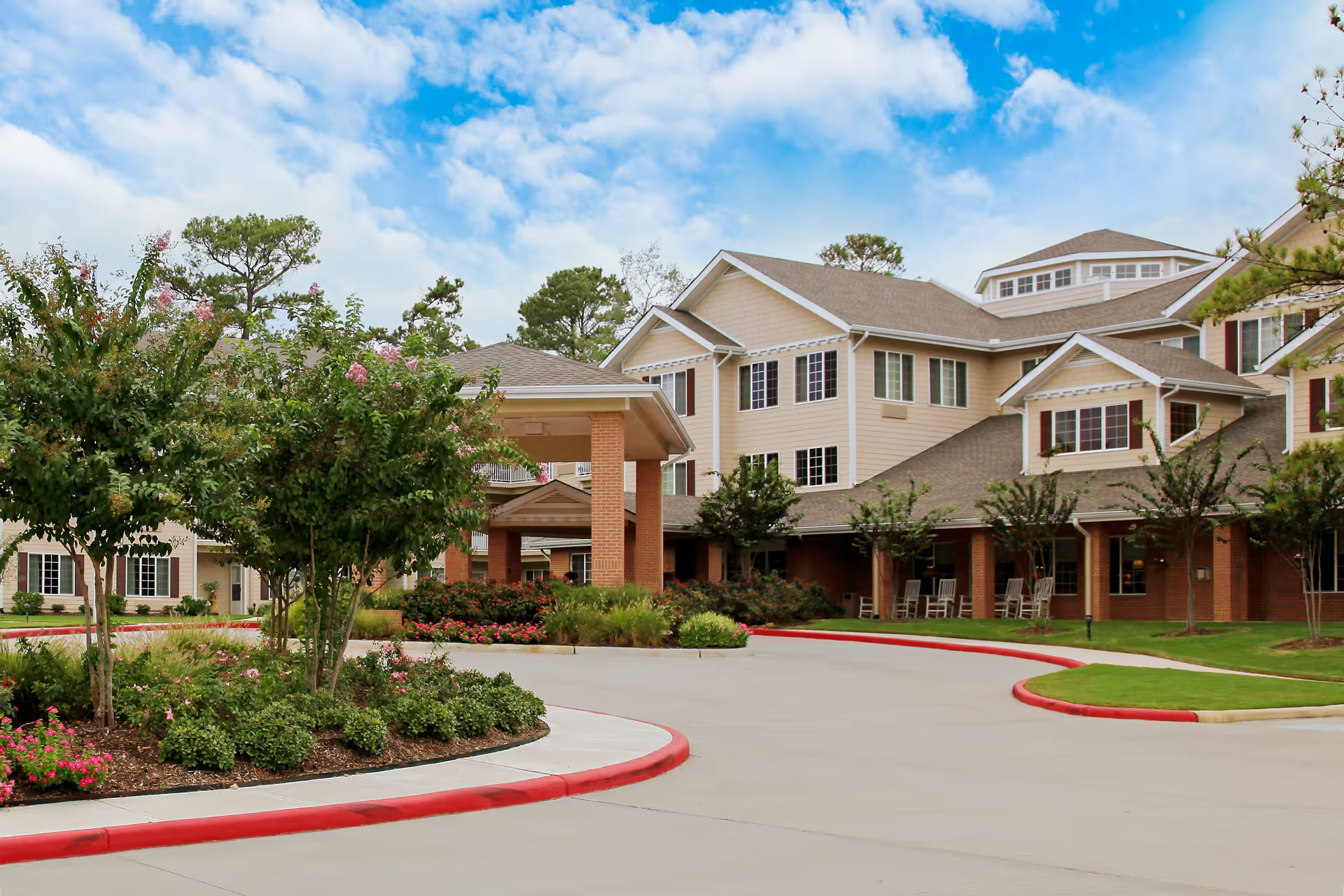
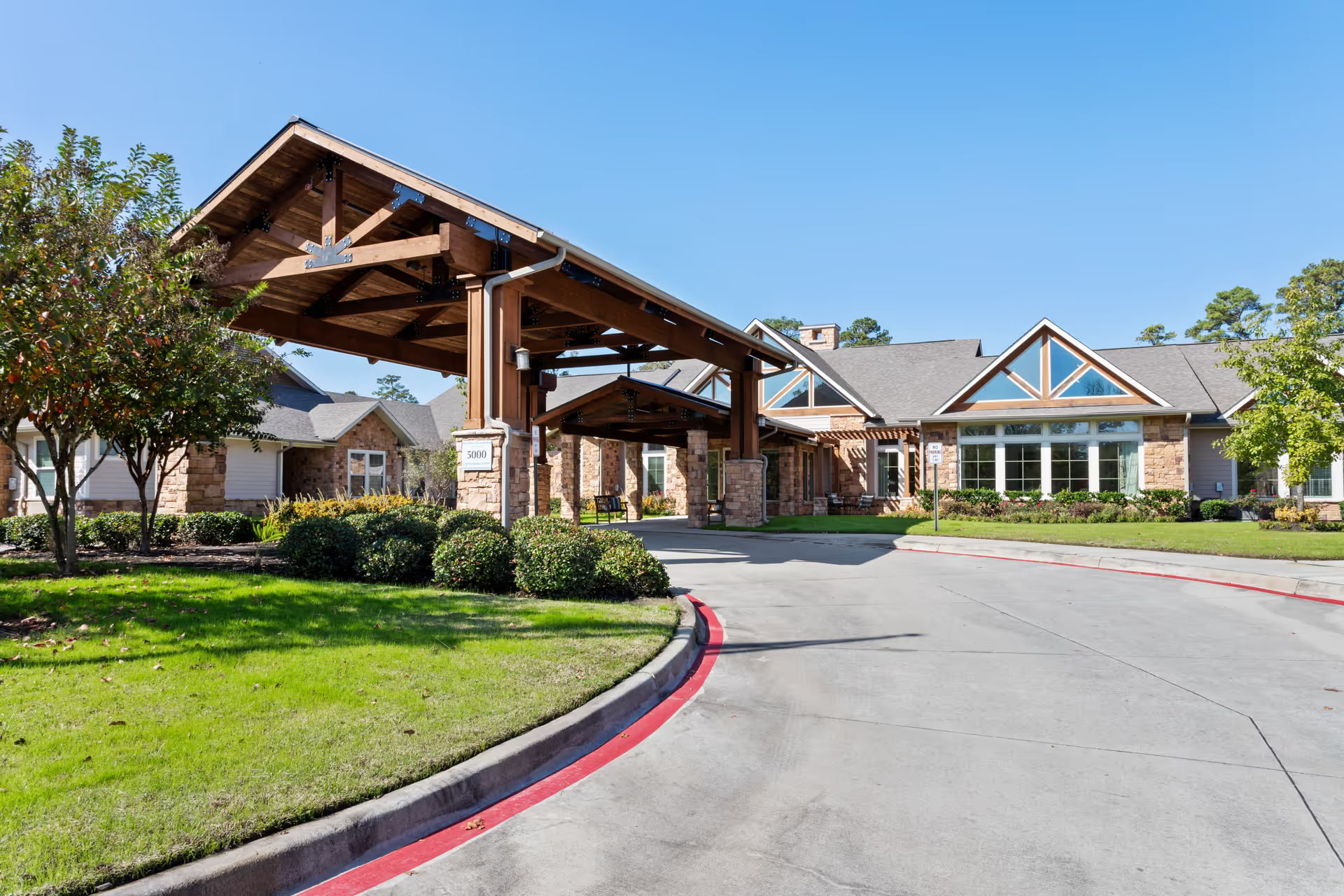
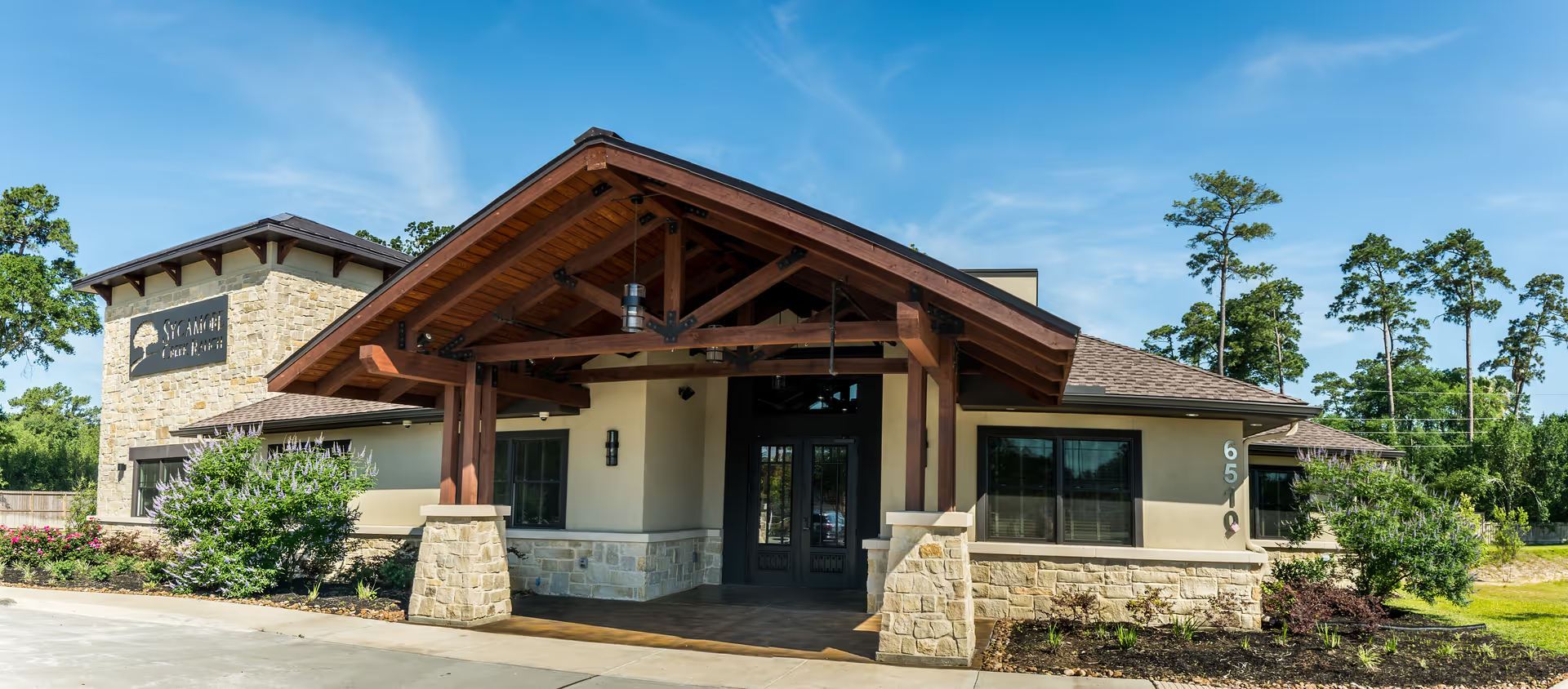
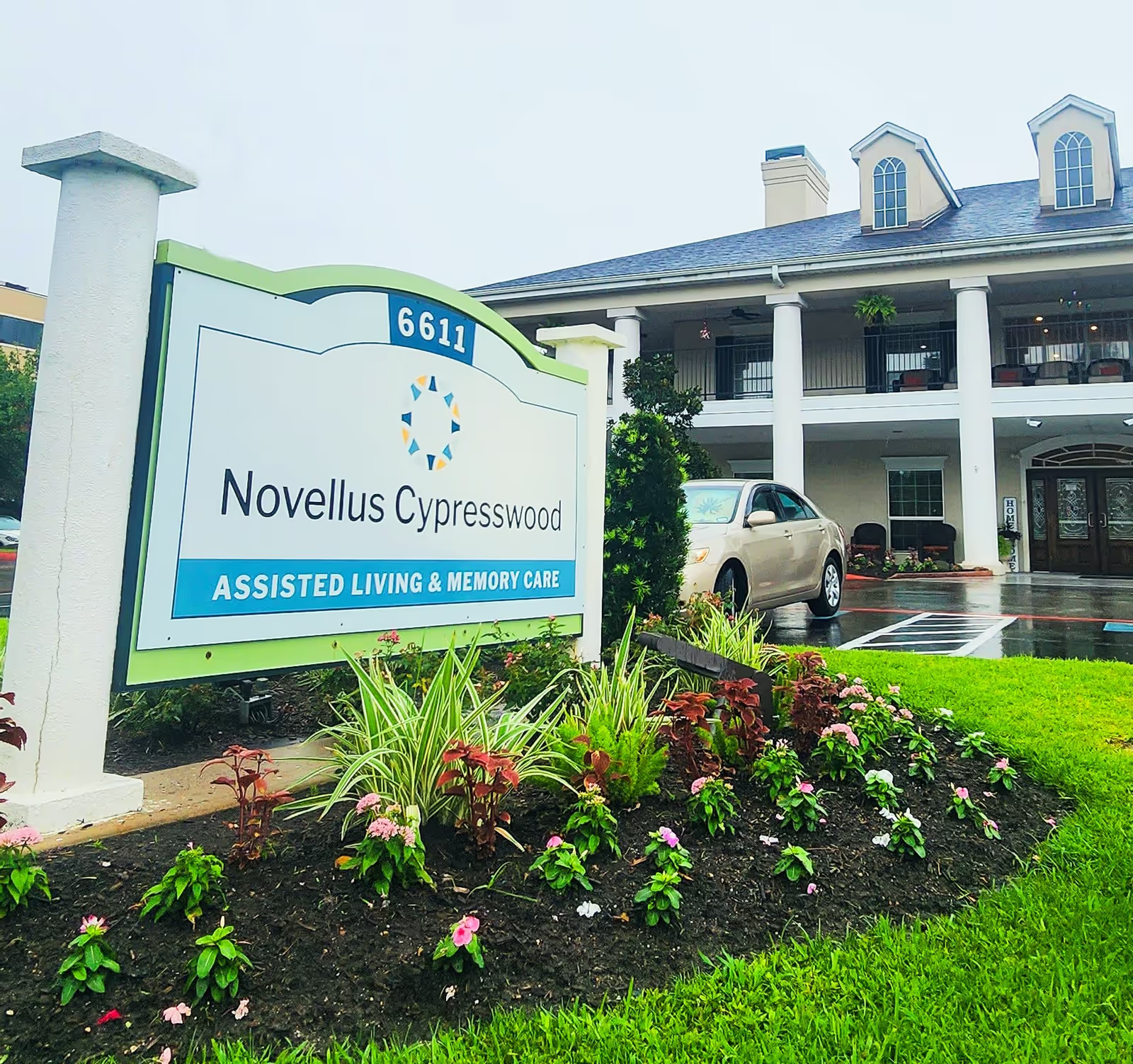
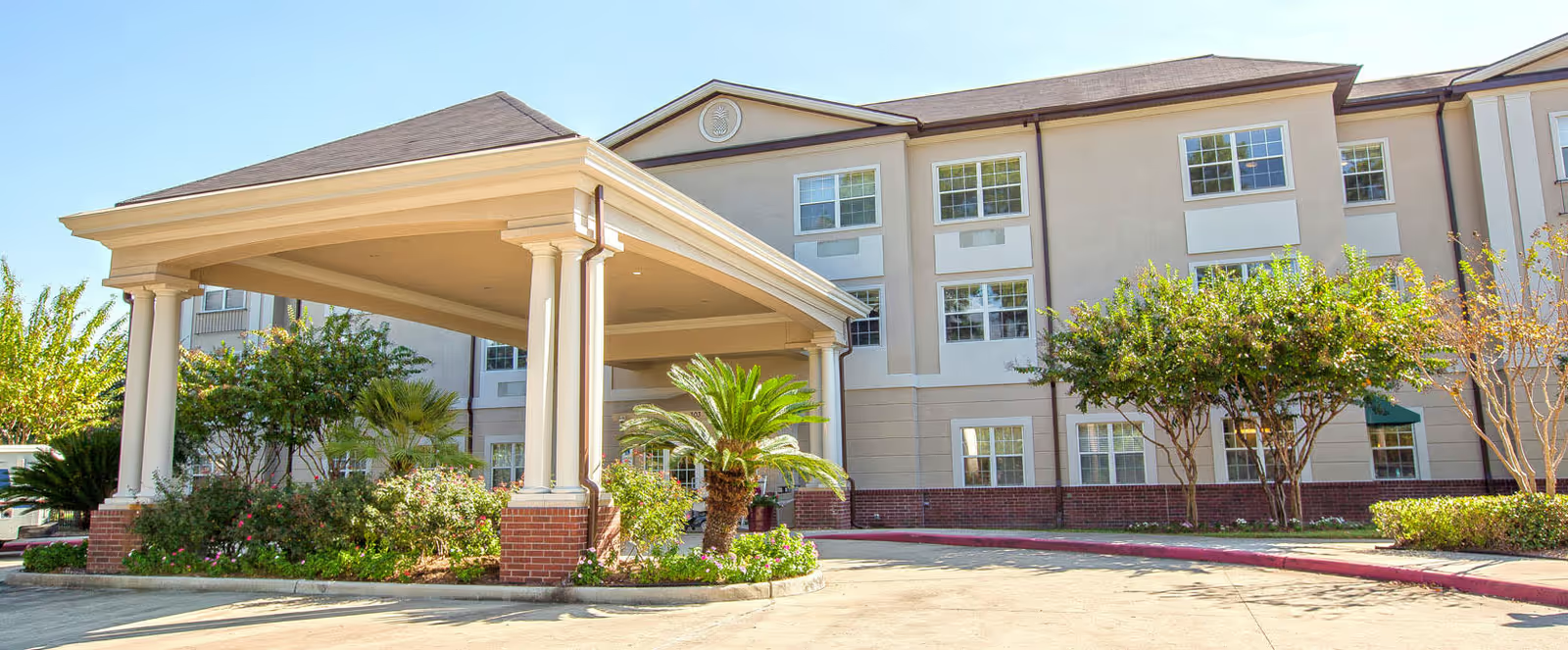
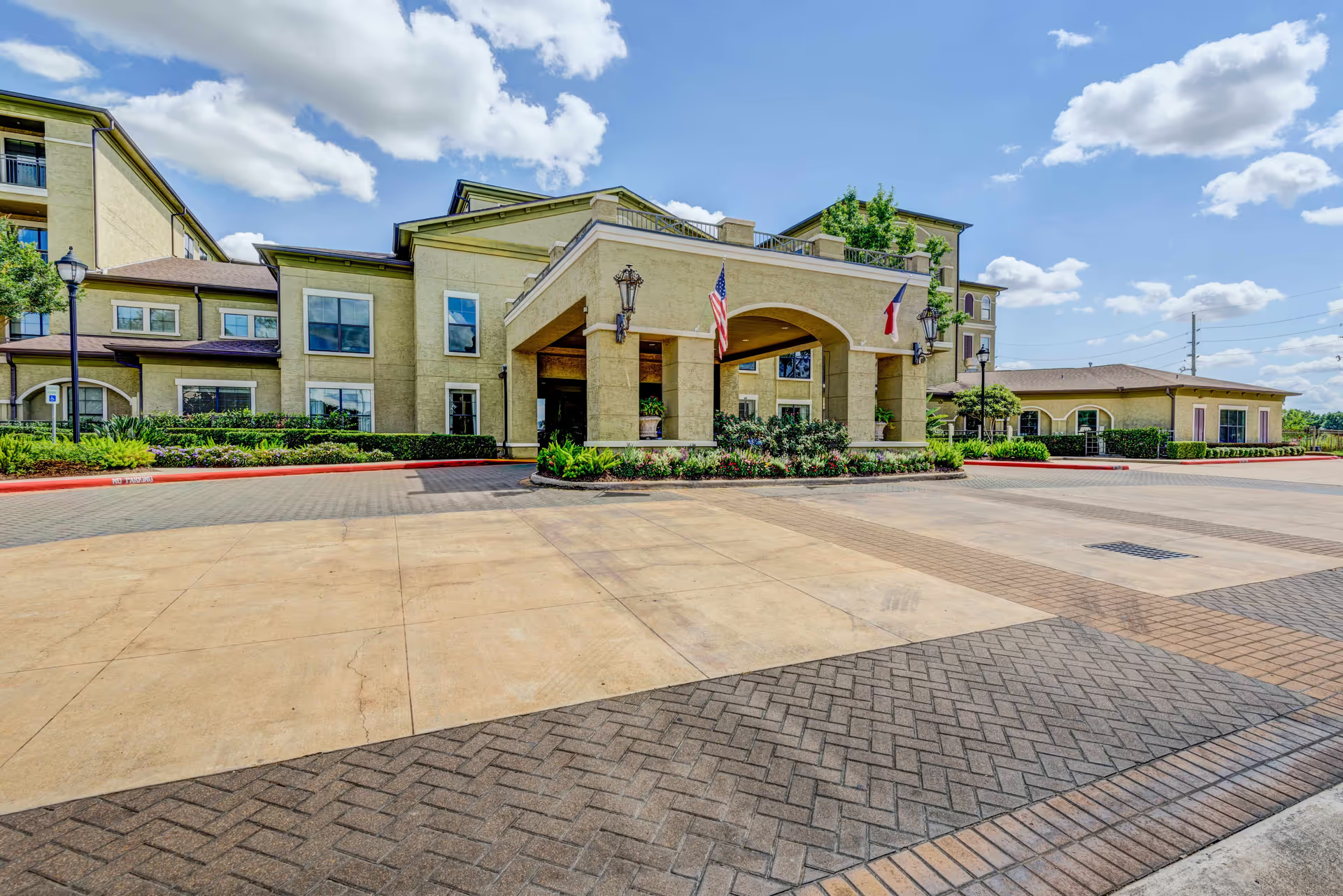
Facilities and setting: The physical environment is described as clean, immaculate, and odor-free, with well-maintained grounds and a quiet, country-like atmosphere. The home-like decor and outdoor access are repeatedly noted as contributing to resident comfort and improved mood. The size and layout reinforce a residential feel rather than an institutional one.
Management and coordination: Management presence and communication are recurring positives; reviewers note an owner on site, frequent updates, and a willingness to engage with families. However, there are operational areas to monitor: visitation policies during infection-control periods were applied inconsistently by some accounts, creating family frustration. In addition, a limited number of reviews describe disagreements between facility clinical staff and outside providers (for example, hospice), indicating opportunities to strengthen clinical coordination and documentation.
Notable patterns and recommendation guidance: Prospective families should weigh the advantages of personalized, small-home care and robust dining and activity programming against the potential for variability that can accompany a small-staff model. The facility scores highly on cleanliness, resident dignity, and family engagement, but families sensitive to strict visitation expectations or who require extensive clinical coordination should discuss those topics explicitly with management during touring and intake. Overall, the documented strengths suggest a compassionate, well-kept setting with a few operational areas where clearer policies and deeper staffing redundancy could reduce variability in experience.