Overall impression: The community presents as socially active and staff-centered, with frequent praise for warm, engaged caregiving and a robust activities program. Families and visitors commonly describe welcoming tours, a lively social calendar (bingo, outings, church visits, craft projects), and deliberate efforts by staff to integrate new residents. Dining is frequently described as appealing with varied menus, and many reviewers noted specific meal highlights. On-site amenities—salon, gym, movie room, walking paths, a porch with park views, pet therapy, and transportation for field trips—support an active lifestyle for residents.
Care and staff: Staffing is a clear strength in many accounts. Reviewers describe compassionate caregivers, long-tenured med techs, and dedicated activity directors who foster resident engagement and social connections. Medication-management procedures and family communication are often singled out as thorough. That said, there are operational concerns: several comments point to staffing shortages (especially at night) and uneven responsiveness during off hours. A few families described negative interpersonal interactions during assessments or with individual clinical staff; these items suggest variability in conduct and communication tone rather than a uniform pattern. Prospective families should confirm staffing ratios and night coverage during a tour.
Memory care and clinical fit: The facility offers active memory-care programming with structured projects and specialized activities that many families praised. At the same time, there are repeated indications that dementia-care suitability can vary by case: some families report excellent outcomes and stabilization, while others felt the level of impairment exceeded the community’s capabilities. This pattern suggests an admission-screening and placement fit issue rather than a uniformly strong or poor clinical program. Ask about assessment protocols, escalation pathways, and criteria for transitions to higher-level care when evaluating placement for a memory-impaired loved one.
Dining and activities: Meals and engagement programming are consistent highlights. Reviewers note homemade items, themed events, and a full calendar that encourages participation. Activity staff are described as proactive in encouraging residents to join events, and families commonly report improved mood and socialization for their relatives. A small number of comments reference inconsistency in kitchen performance or food quality and indicate ongoing improvements; investigating recent menu cycles and sample meals during a visit is advisable.
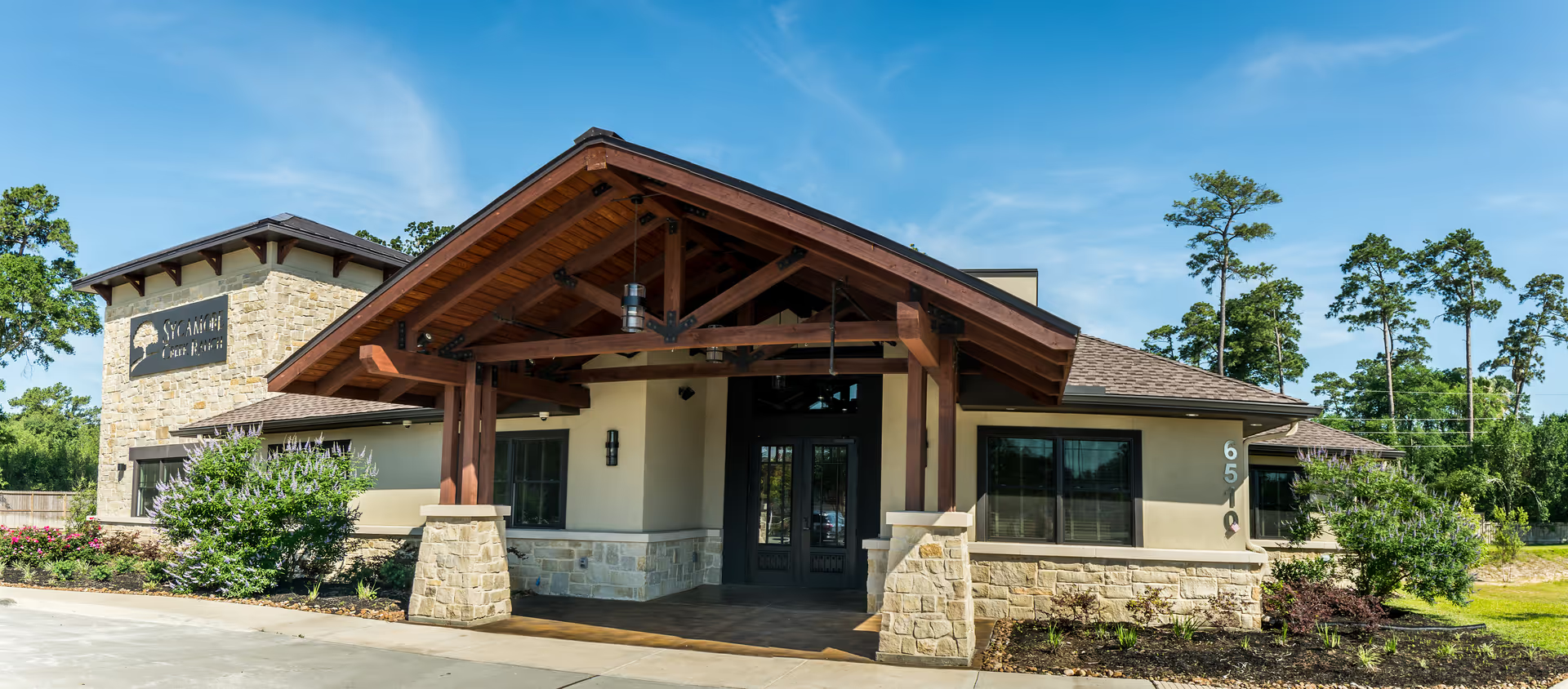
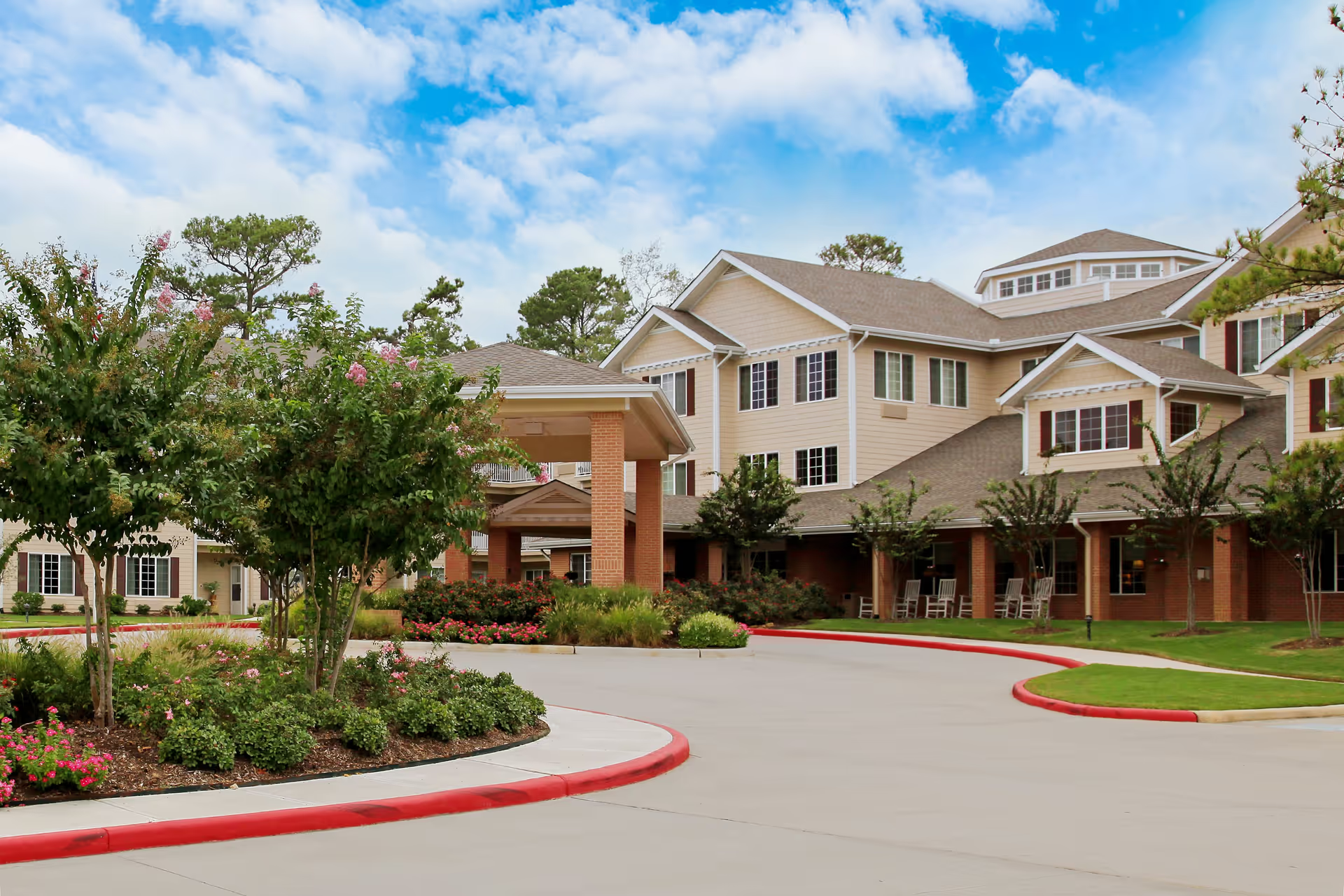
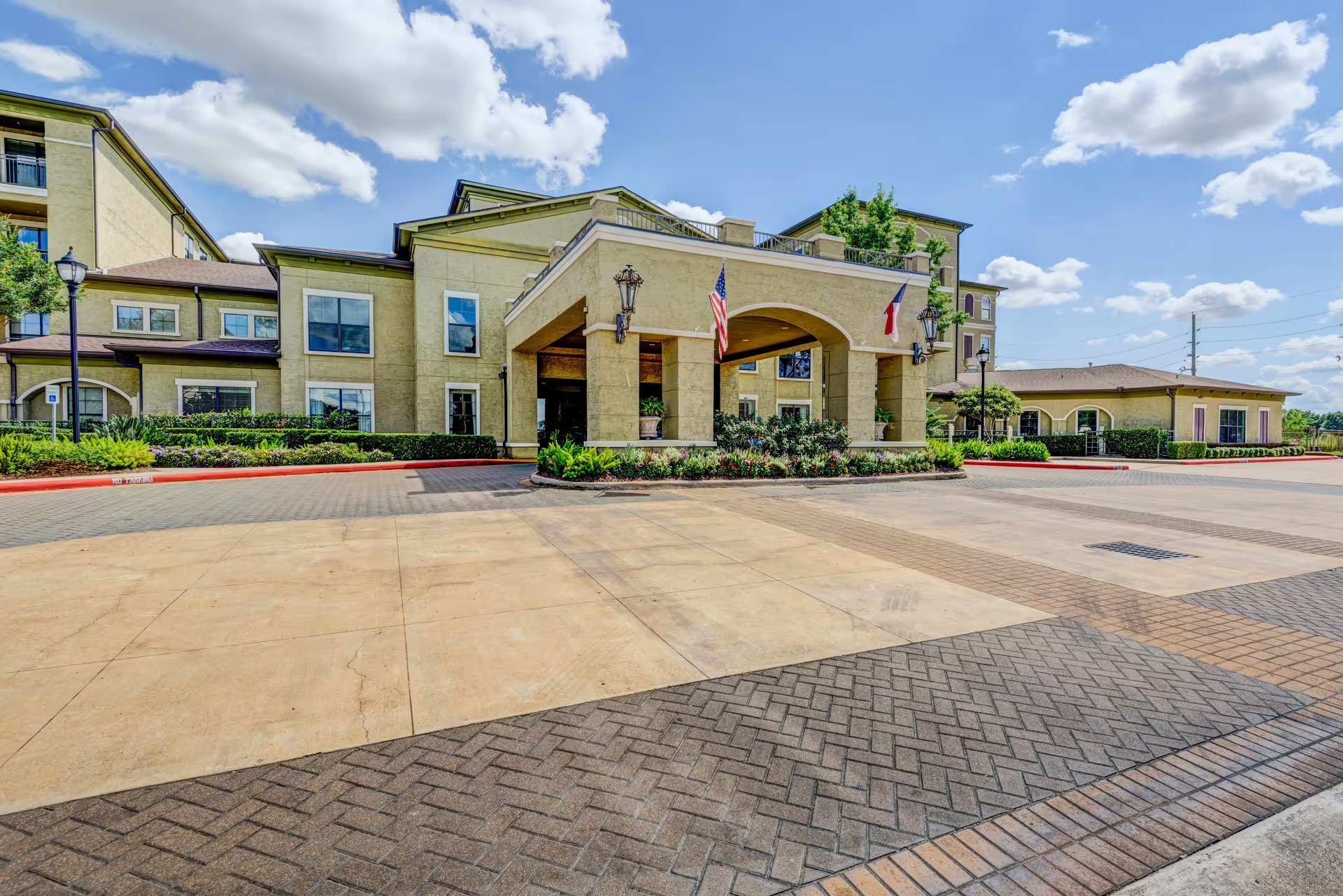
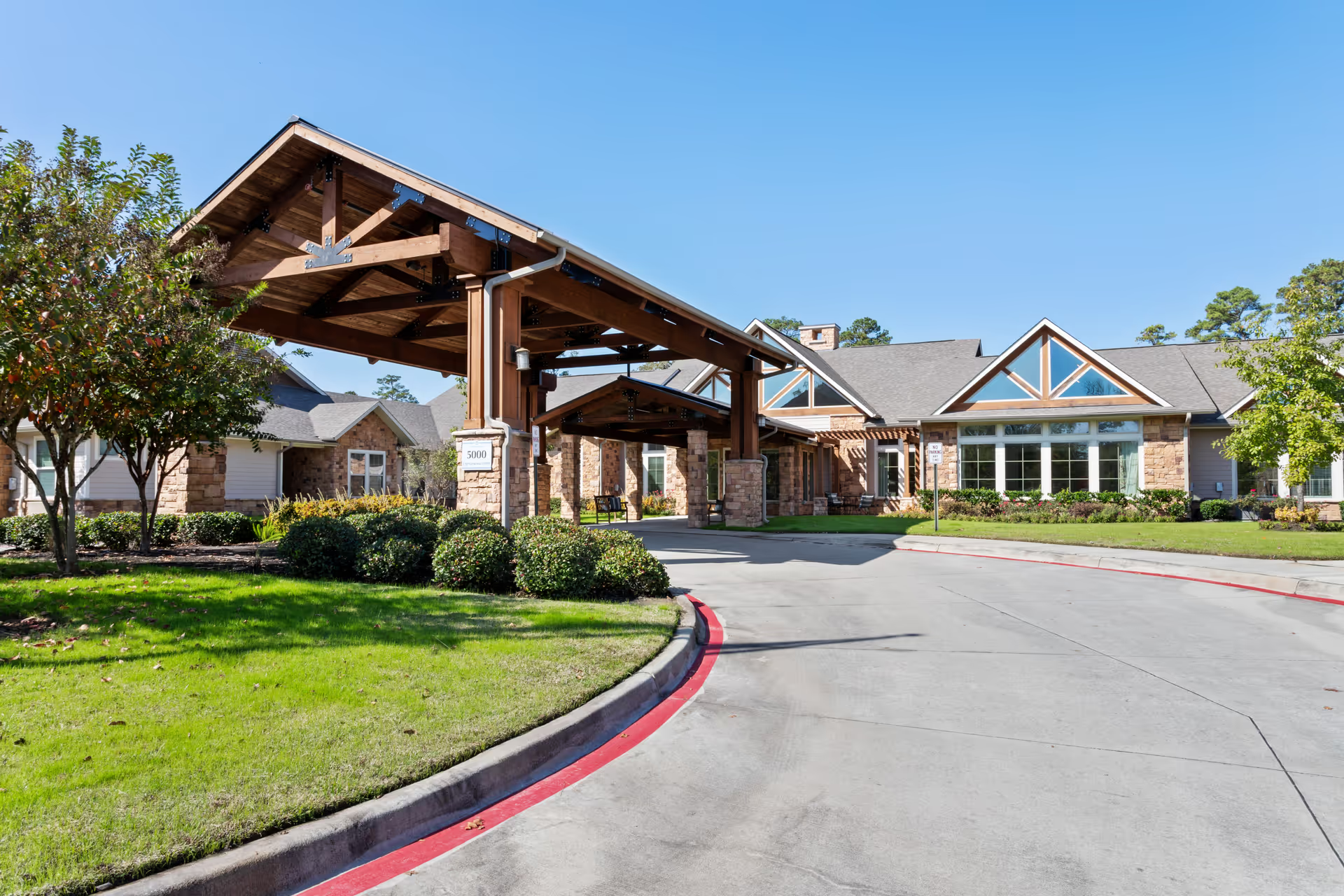
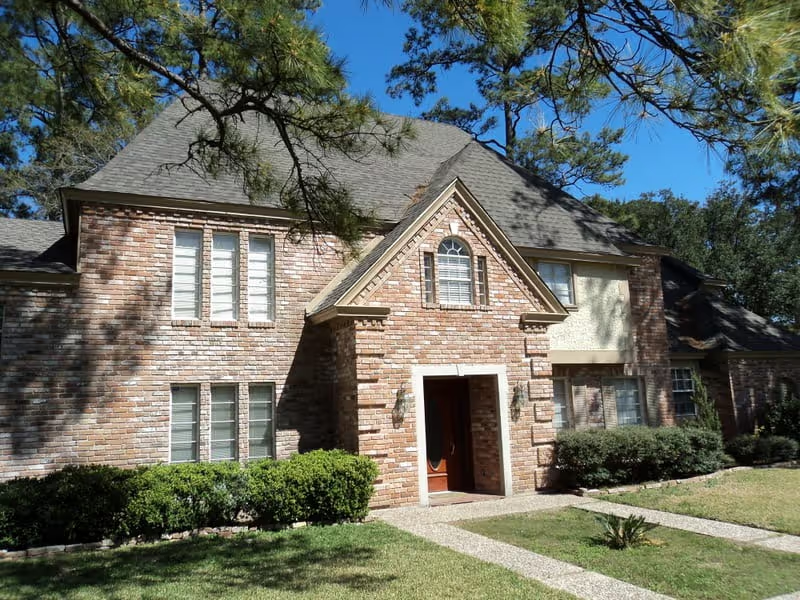
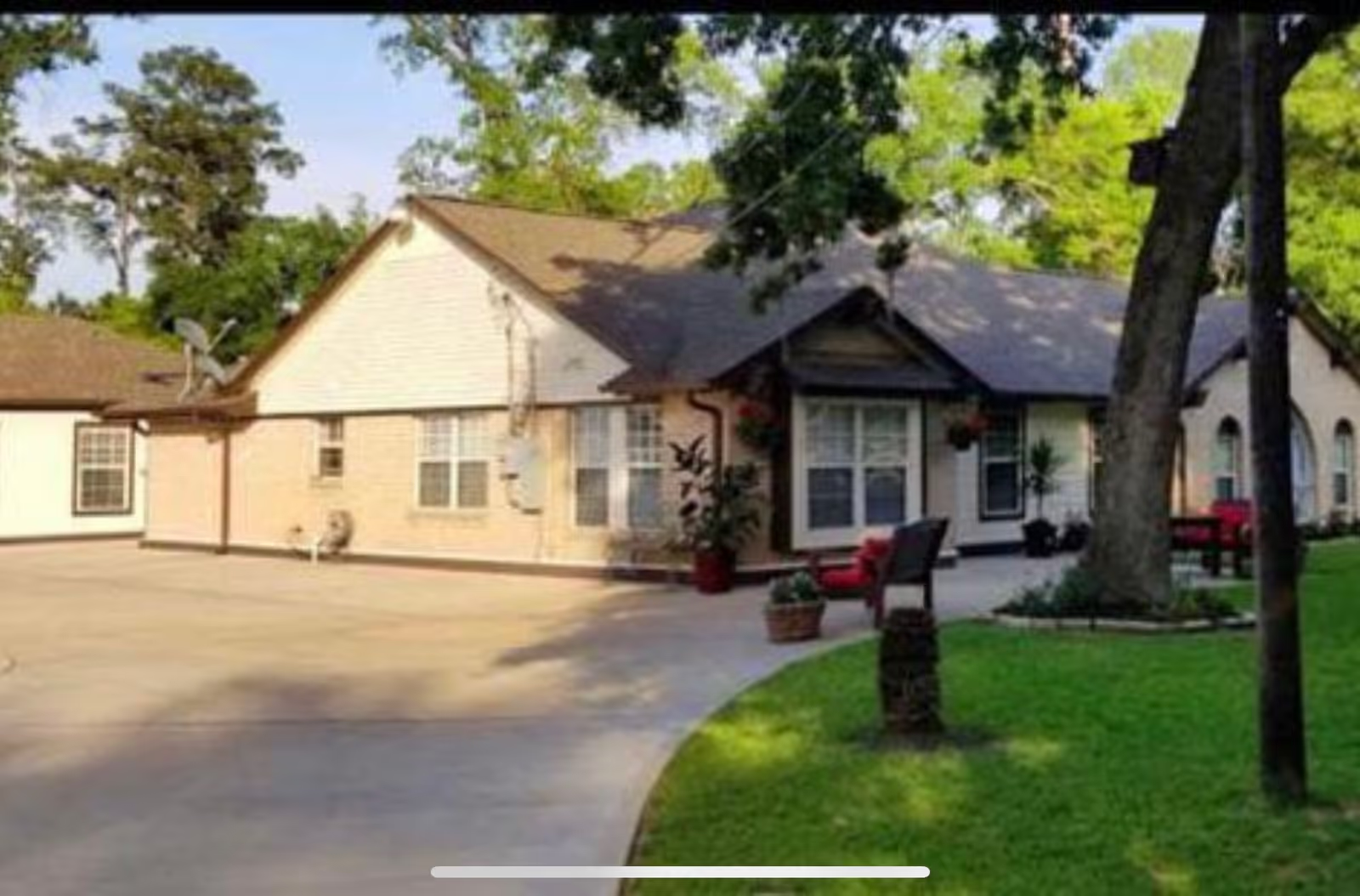
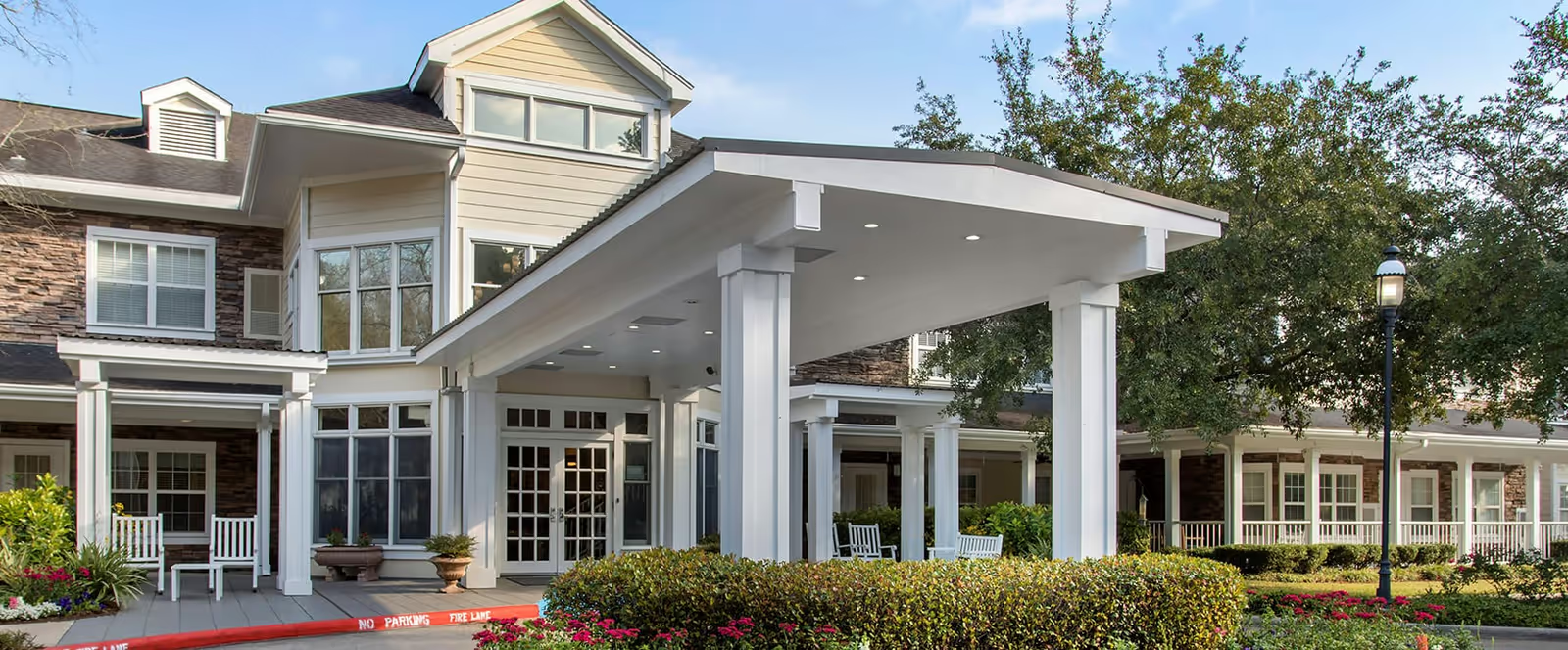
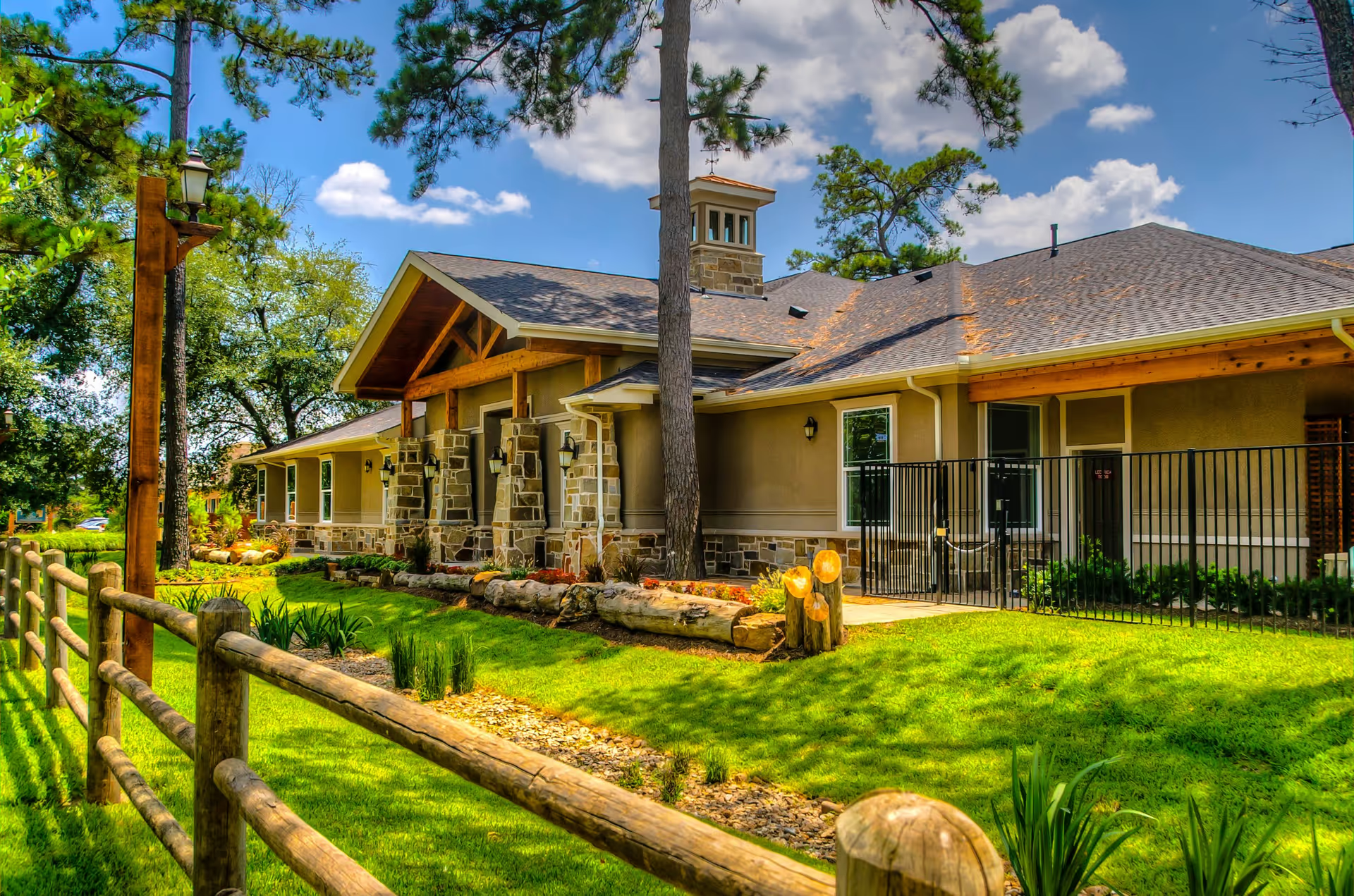
Facilities and maintenance: Physical spaces receive mixed but generally positive feedback. Many reviewers describe clean, well-kept common areas, attractive presentation, and some hotel-like units. Conversely, there are recurrent mentions of aging carpet and furnishings in parts of the building, occasional odors or sanitation concerns in common areas, and maintenance reliability issues such as HVAC or elevator outages. The facility’s multi-level layout—with limited downstairs units—can complicate accessibility for some residents and may be confusing for those with cognitive impairment. Confirm unit availability, visit different wings, and ask about planned capital improvements.
Management and operations: Opinions on leadership are mixed. Several families praise a new management team and specific staff members for improving culture and responsiveness; others raise concerns about leadership turnover, unresponsive upper management, billing problems, and frequent rate increases. Additional operational points include privacy and marketing-consent practices that some found intrusive (unconsented texts and sign-in practices) and occasional reports of aggressive sales tactics. When considering this community, request written explanations of billing practices, fee increase history, consent policies, and the chain of command for escalating concerns.
Guidance for prospective families: The facility has clear strengths in social programming, daily engagement, and many examples of compassionate direct care. However, notable operational weaknesses—staffing variability (particularly at night), mixed maintenance reliability, accessibility constraints, and uneven dementia-care fit—warrant targeted questions during a tour. Recommended inquiries include current staff-to-resident ratios by shift, night-response times, criteria for memory-care placement and escalation, recent maintenance logs, unit availability (including two-bedroom options and downstairs units), and written policies on billing, rate changes, and marketing/consent communications. A focused visit that observes mealtime, an activity, and a night or weekend staffing pattern will help determine whether the community’s strengths align with an individual resident’s needs.