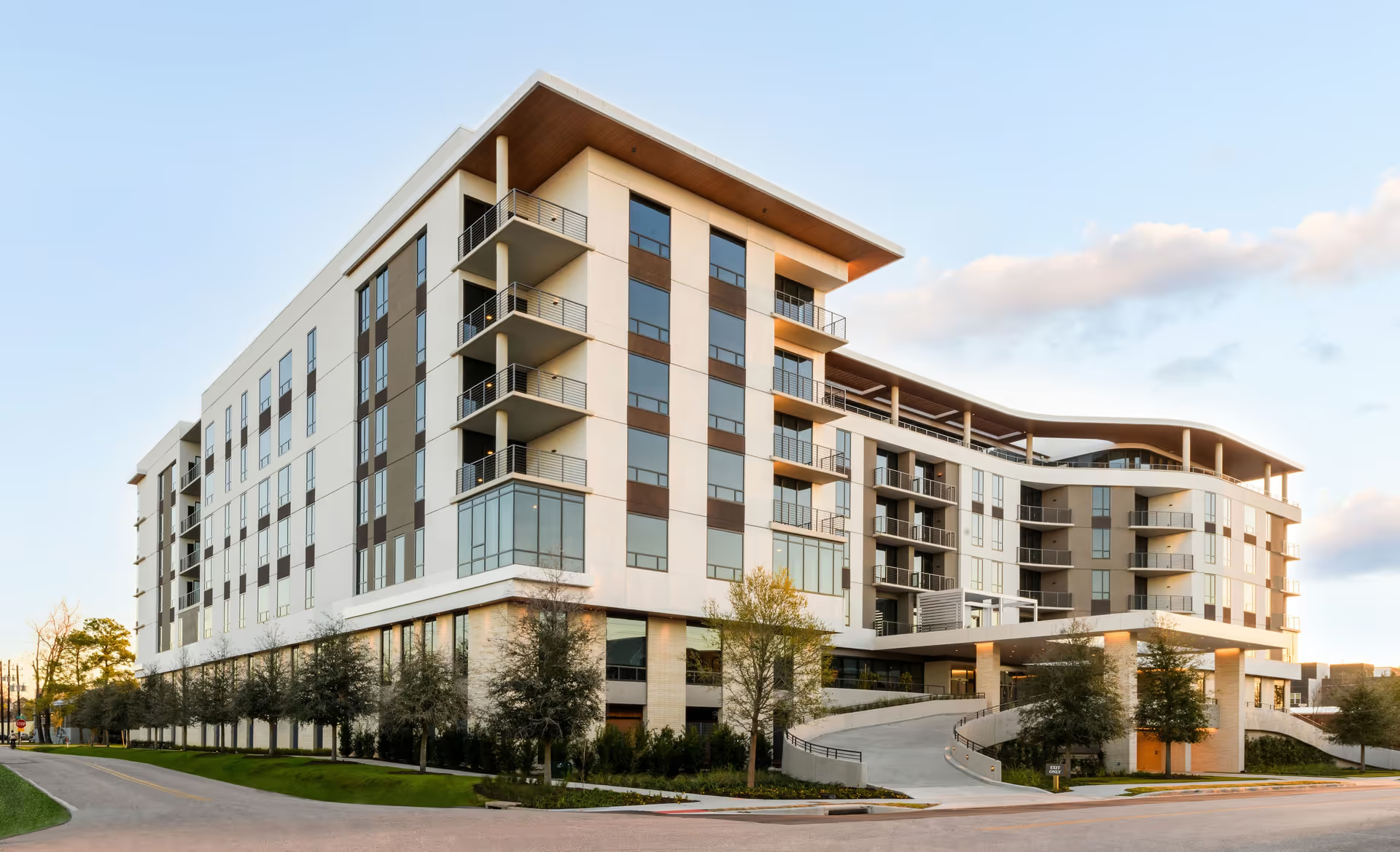
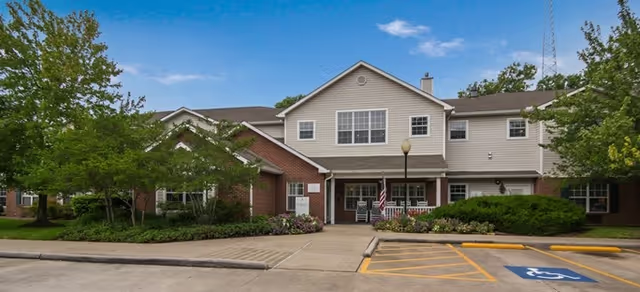
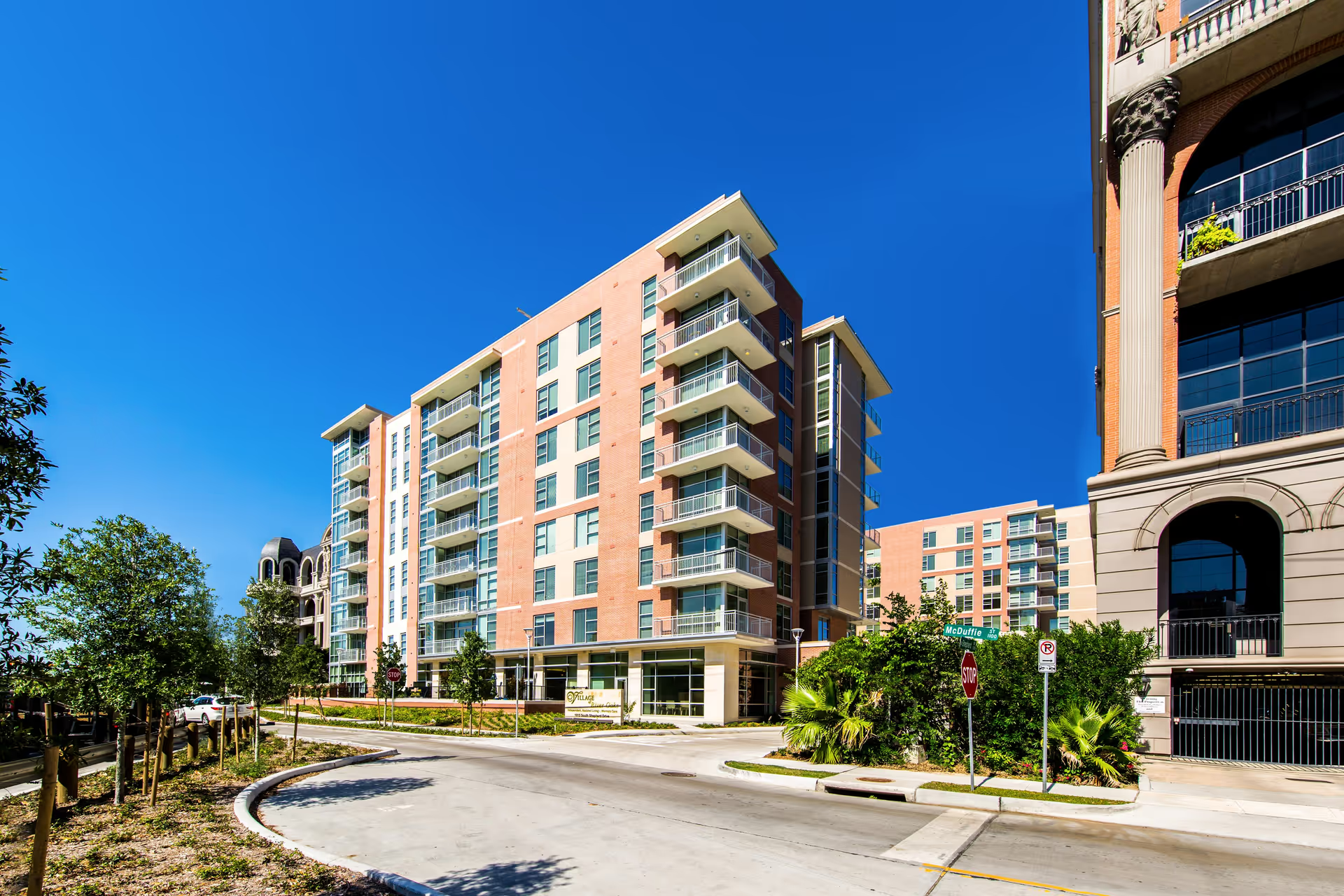
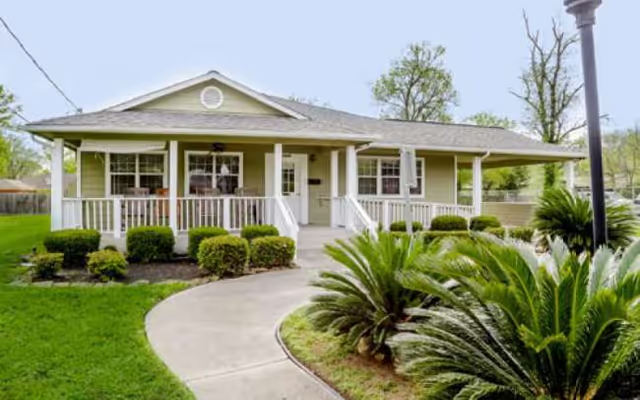
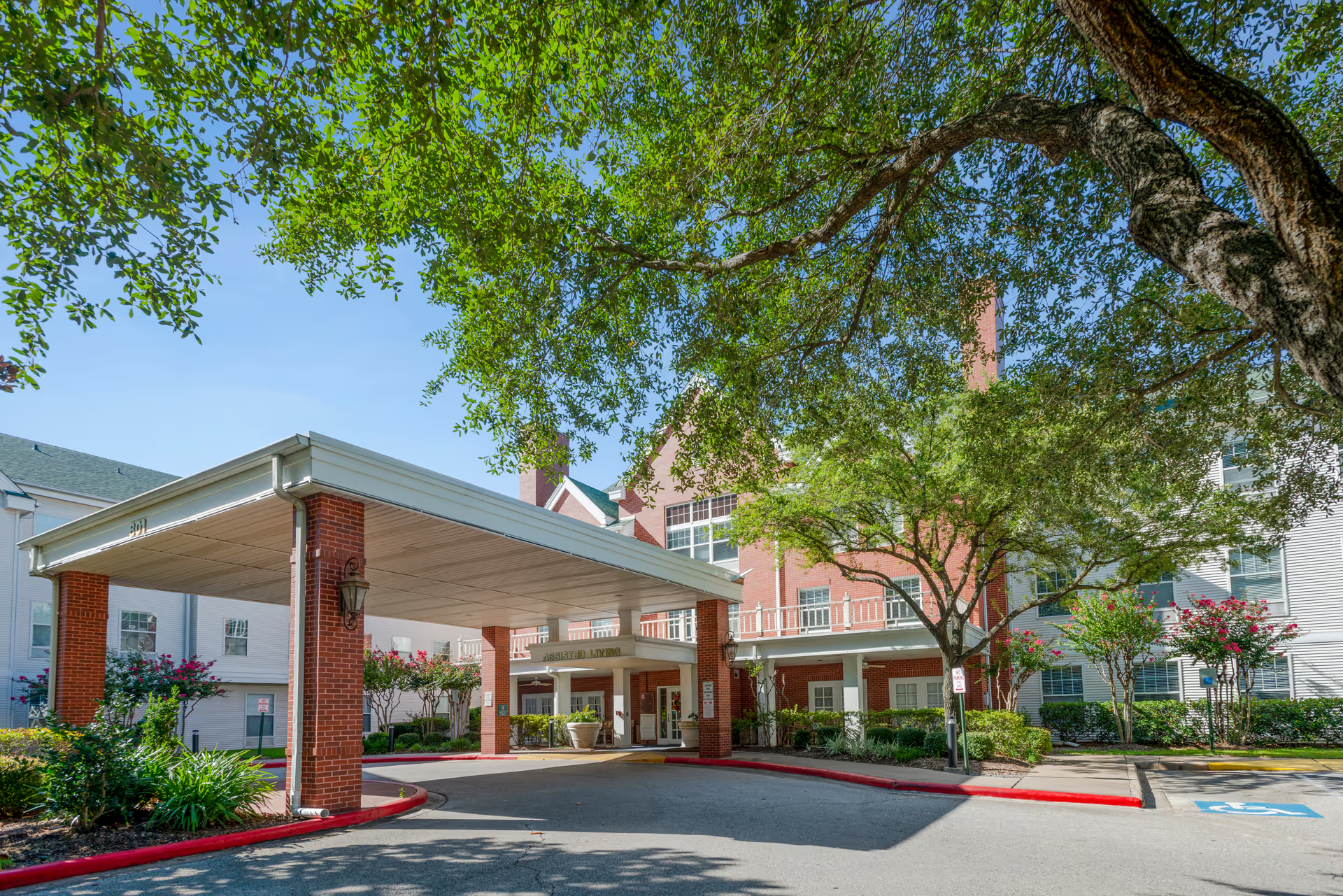
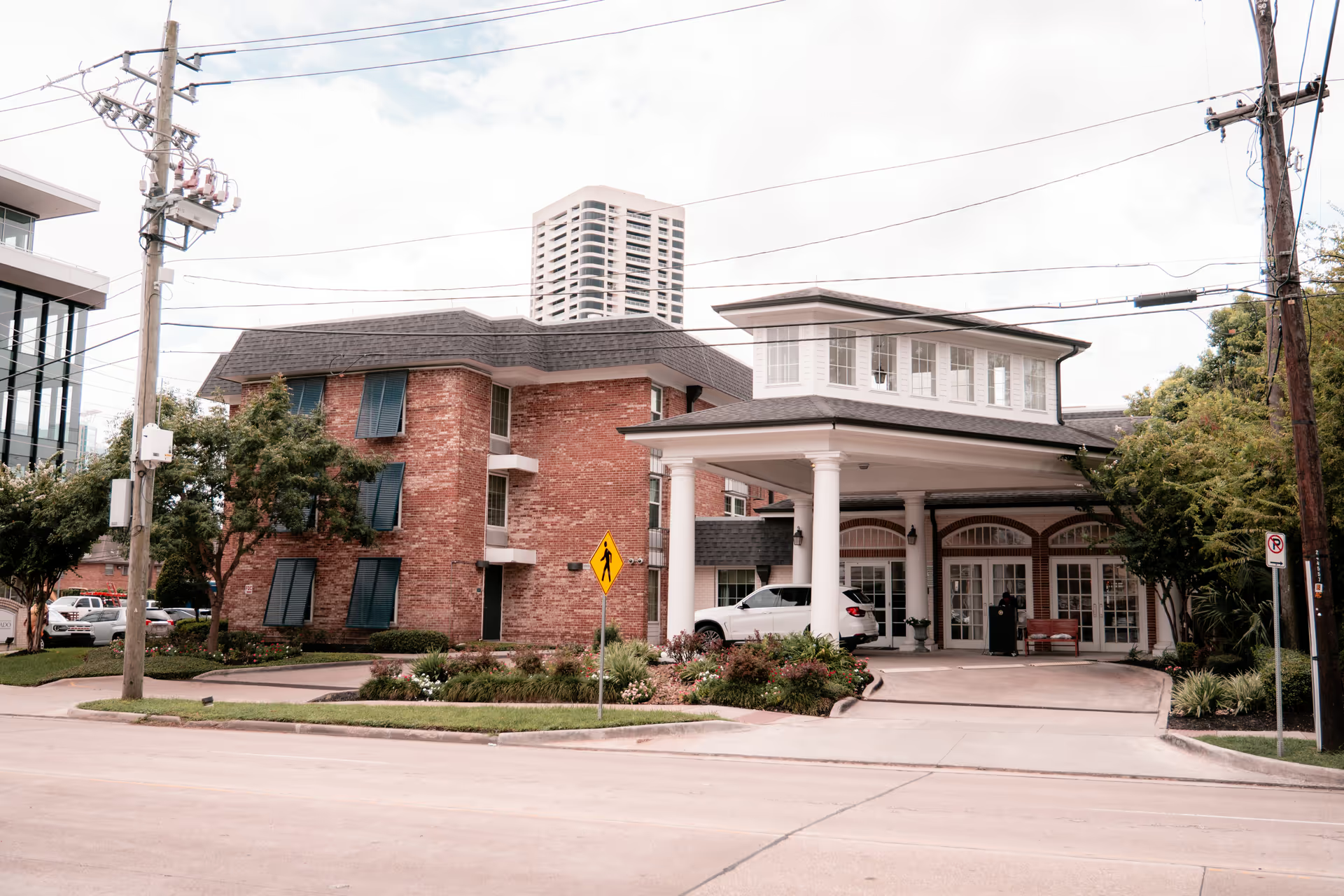
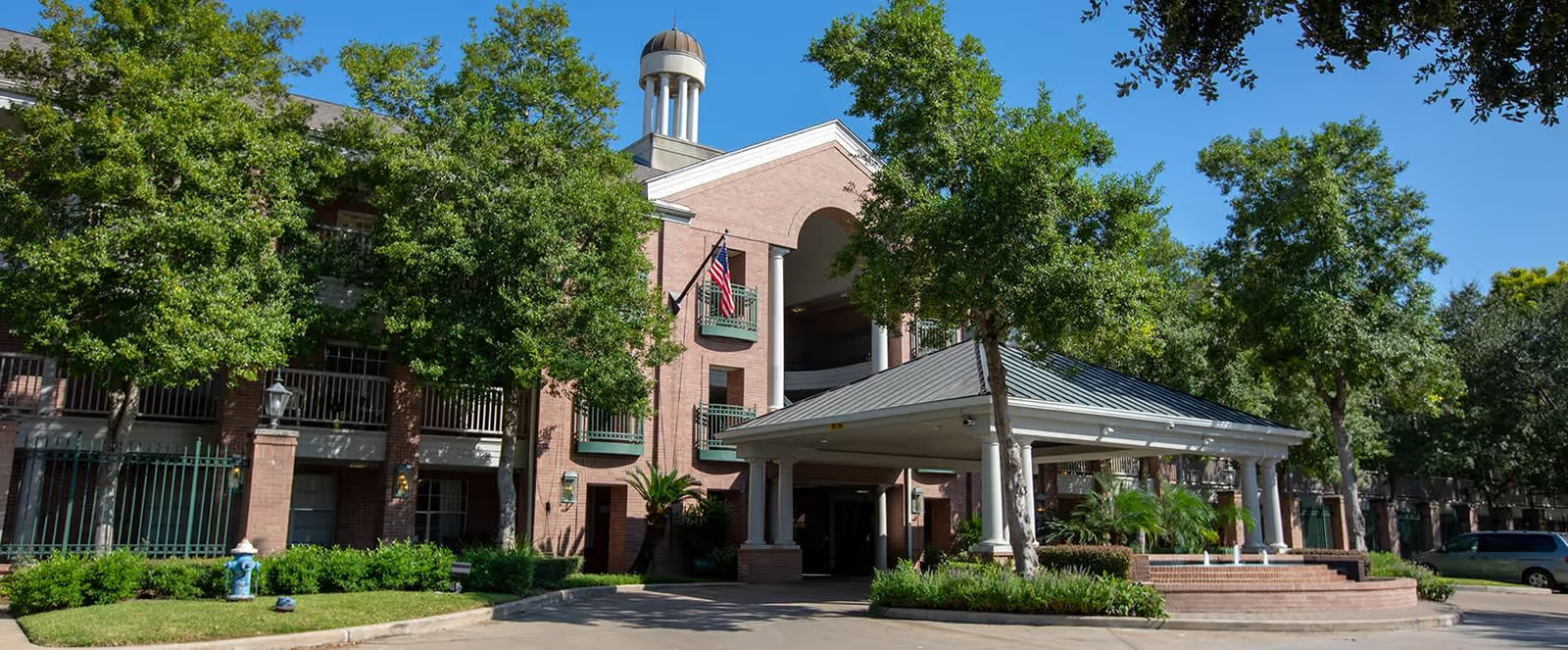
Overall impression Village of the Heights elicits strongly polarized impressions: many families and residents praise the campus, its amenities, and a number of caring frontline staff, while other accounts raise operational and clinical concerns. The property itself is frequently described as new, bright, and well appointed, with a range of apartment sizes, attractive communal areas, salon services, pools, and reachable outdoor space. The activity program receives repeated positive mentions for variety and engagement (group games, exercise classes, outings, faith services and veterans recognition). Dining is often described as chef-led with appealing selections, although service consistency is variable.
Care and staff A clear pattern is coexistence of highly engaged, compassionate caregivers and inconsistent staff performance. Many reviews highlight aides, nurses, and particular leaders who are attentive, patient and resident‑focused; memory‑care teams and some nurse practitioners are singled out for effective communication and active programming. At the same time, persistent themes include understaffing, uneven training, and times when coverage is thin (including reports of only one caregiver on a shift or floor). Those operational constraints appear linked to delays in response, inconsistent medication delivery, and lapses in routine clinical monitoring and care planning. There are also specific concerns about how pet issues are handled operationally — a pet-friendly policy that is not always implemented consistently by staff.
Clinical oversight and safety Several accounts describe gaps in clinical monitoring, medication administration, and follow-up. Reviewers cite inconsistent medication management processes, limited physician on‑site availability (physician visits and on-call arrangements vary), and occasional failures of follow-through from management on clinical concerns. These are framed as systems and process weaknesses rather than uniform practice across the entire staff. Prospective families should ask about staffing ratios, clinical oversight structures, and protocols for monitoring hydration, oxygenation, skin integrity, and medication reconciliation during a tour.
Dining, housekeeping and maintenance Food quality receives mixed but generally positive notes: many residents enjoy menu variety and special offerings, while others note problems with temperature, portioning, timing of service, and occasional limited variety for specific dietary needs. Housekeeping and laundry operations are inconsistent according to accounts — with both examples of well‑kept rooms and reports of missed laundry or delayed room servicing. Maintenance responsiveness is also variable; common issues cited include thermostat problems and slow resolution of room repairs. There are isolated odor concerns in some areas that prospective visitors may want to check in person.
Activities and community life Activity programming is a strength: organized calendars, social dining, outings, exercise classes, and memory‑care engagement are frequently praised and credited with improving residents’ social lives. However, reviewers also describe gaps in resident awareness of activities, reduced weekend programming, and a diminished sense of community at times (notably during pandemic-related changes). For families prioritizing weekday programming and outings, the community offers a robust slate; families seeking extensive weekend programming should inquire specifically about schedules.
Management and admissions experience Management impressions are mixed: several reviewers commend an engaged executive director and responsive leadership, particularly when they intervene on behalf of a resident. Conversely, other families describe broken promises, slow complaint resolution, and sales or admissions practices that felt pressurized or misleading. There are also isolated allegations of retaliatory behavior toward complainants; this is a serious type of concern that prospective families should explore directly with management and in-state oversight resources.
Notable patterns and guidance for families The dominant pattern across reviews is variability — excellent experiences coexist with significant operational gaps. Strengths cluster around the physical environment, social programming, and committed frontline caregivers. Weaknesses cluster around staffing consistency, clinical monitoring, housekeeping/laundry reliability, and management follow-through. To assess fit, prospective families should conduct an in-person visit that includes: meeting the executive director and care manager, reviewing staffing ratios by shift and level of care, asking for written clinical protocols (medication administration, monitoring, escalation), clarifying pet policy enforcement, inspecting recent housekeeping/room examples, sampling a meal at dining time, and asking about complaint-resolution procedures and weekend programming. These targeted questions will help determine whether the community’s operational practices align with a resident’s clinical and social needs.