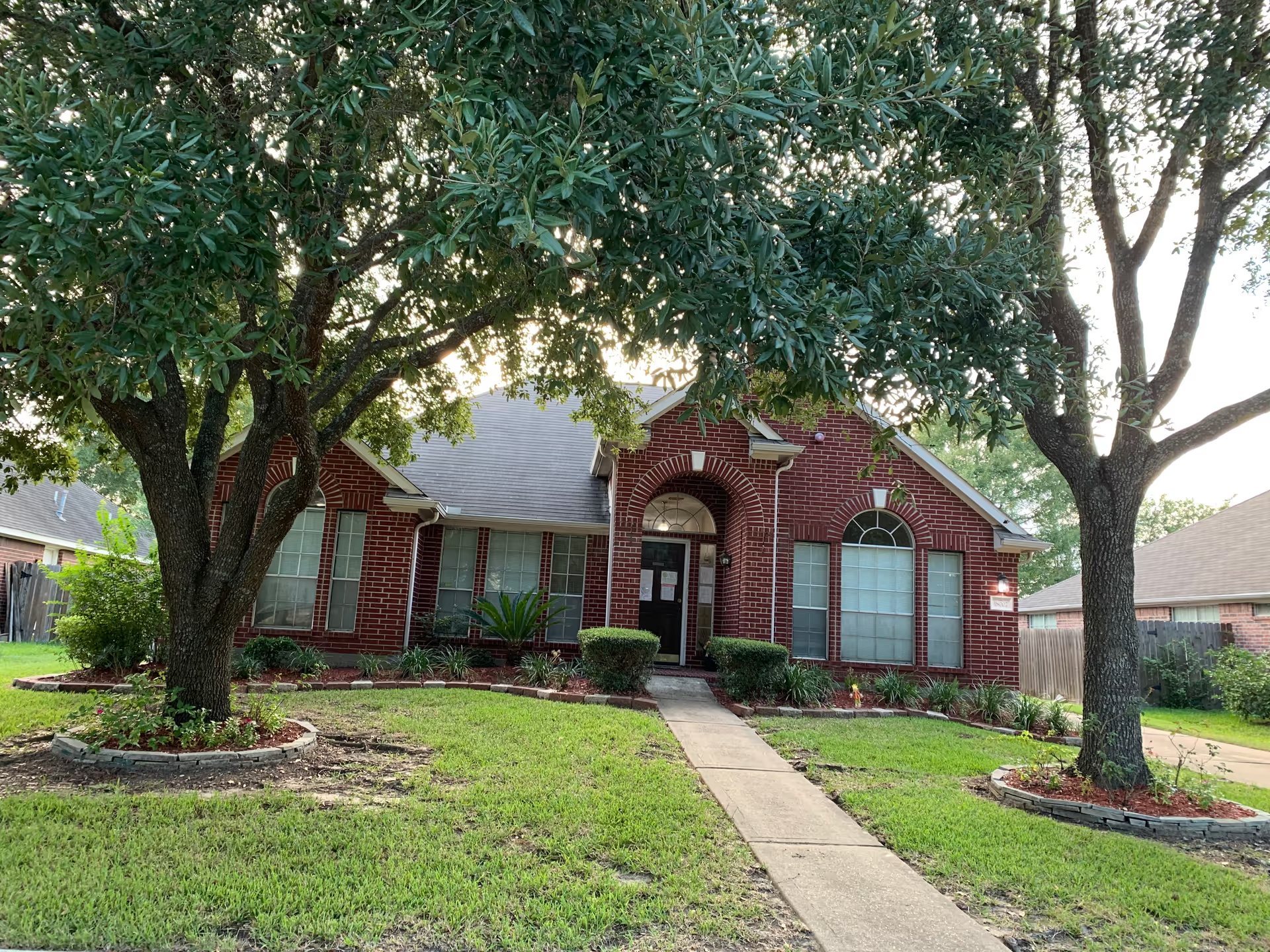
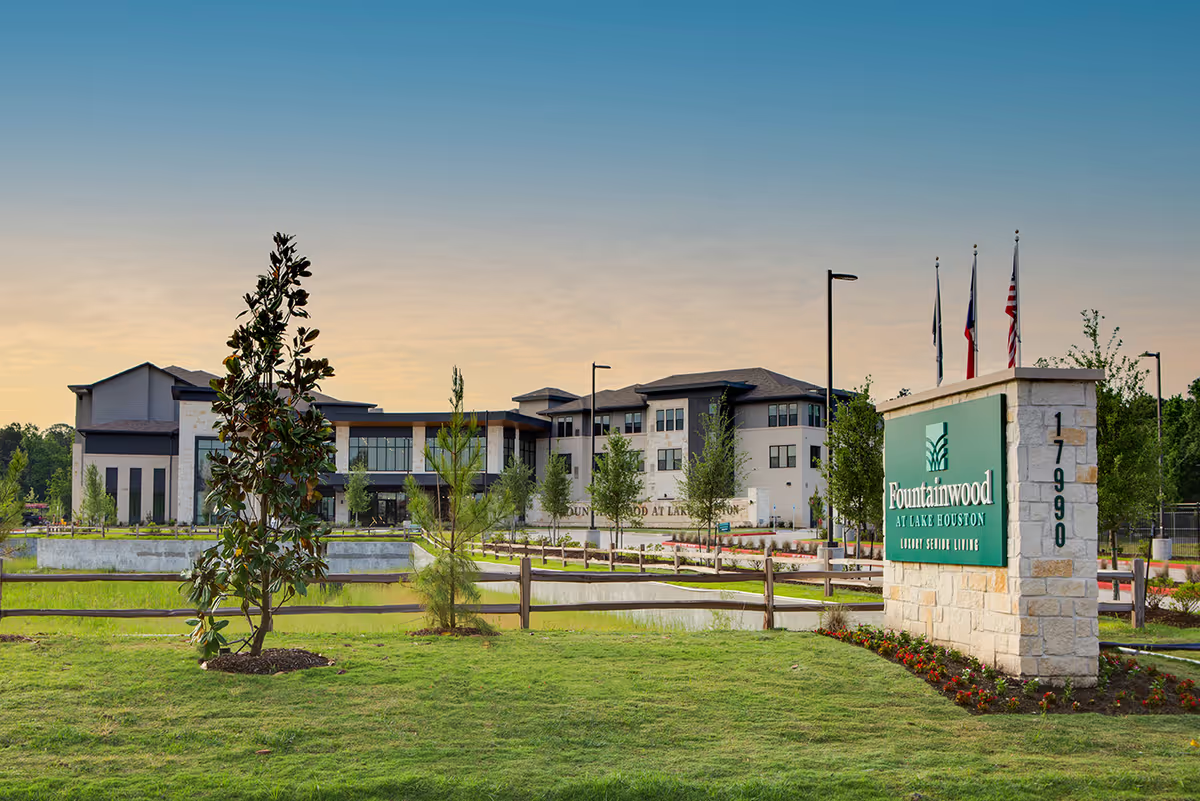
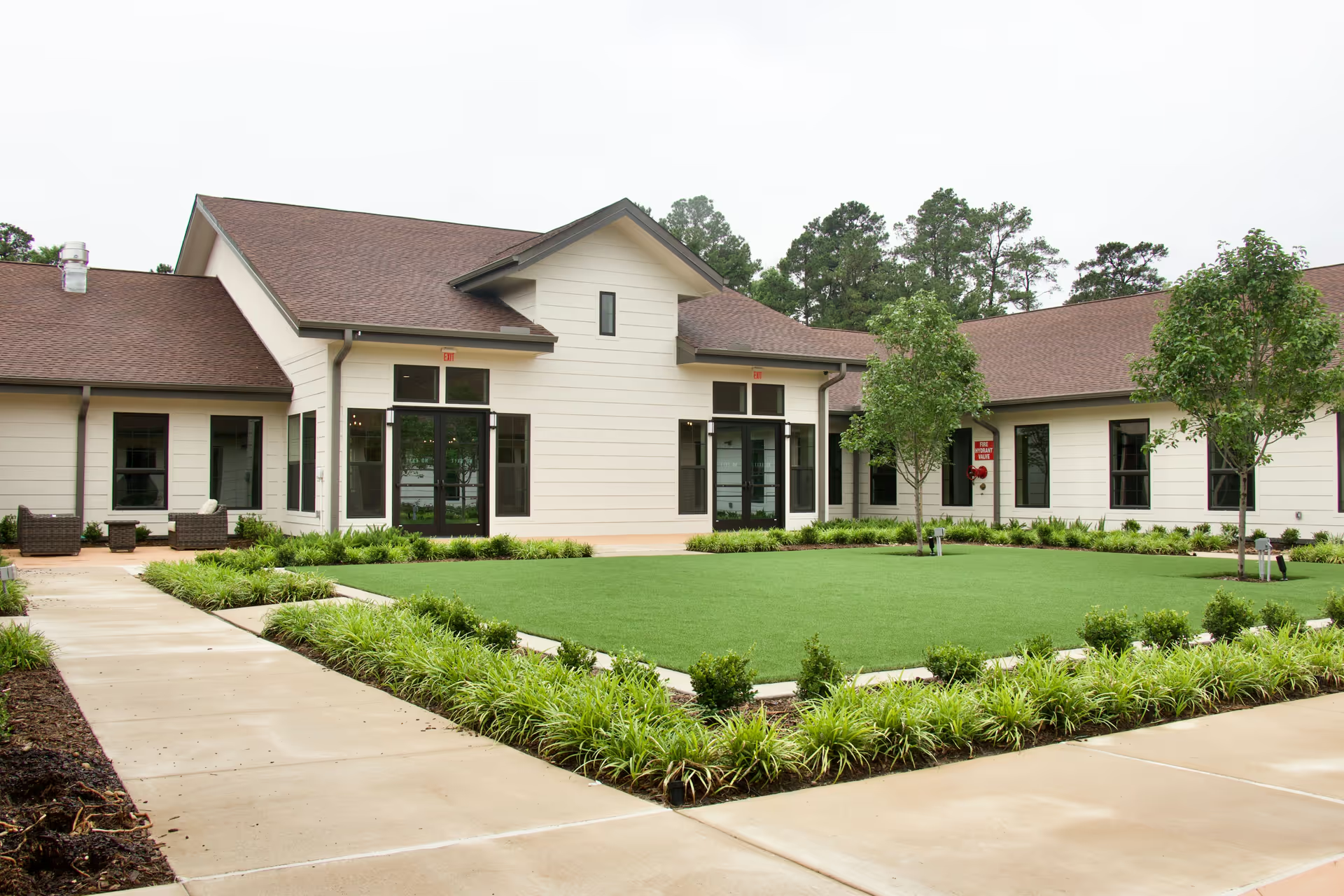
Fall Creek Rehab & Healthcare Center elicits strongly polarized experiences. Many families and patients describe an attractive, well-kept facility with pleasant common areas, an accessible layout, and an atmosphere that can feel warm and home-like. Therapy services (PT/OT/speech) are a repeatedly cited strength; therapy teams are often credited with measurable recovery progress and practical discharge planning. Individual caregivers, from CNAs to some nurses and front‑desk staff, are frequently described as compassionate, personable, and effective at daily needs and family communication.
Alongside those positives, a consistent pattern of operational weaknesses appears across reviews. Staffing levels and turnover are recurrent concerns, with several accounts indicating long waits for assistance, delays in addressing care needs, and uneven coverage across day and night shifts. Those staffing inconsistencies are linked in multiple accounts to delayed medication administration, gaps in hygiene and incontinence management, and lapses in basic room cleaning and maintenance. Independently of building appearance, reviewers identify room-level sanitation and pest-control concerns that warrant inspection during an in-person visit.
Dining and clinical-administration issues are additional areas of mixed performance. Some residents report adequate variety and supportive meal service, while others indicate inconsistent food quality, small portion sizes, and meals that do not always adhere to prescribed diets. Families also describe variability in clinical processes: medication timing and documentation, follow-through on care plans, and the facility’s responsiveness during clinical changes (including off‑hour physician coverage) show uneven performance. Several reviewers also raised concerns about personal property handling and linen management.
Management and communication emerge as a central theme influencing perceptions. Positive interactions with particular administrators and admission staff are contrasted with accounts of leadership turnover, inconsistent communication with families, and difficult phone or front-office responsiveness. A few reviews reference regulatory complaints or legal action; such reports underscore the importance of reviewing current inspection and licensing records. Safety-related themes — including fall-prevention practices, transfer safety, and timely escalation of clinical issues — are areas prospective families should evaluate closely.
Practical takeaway: the facility’s strengths lie in its therapeutic services, certain frontline caregivers, and its physical environment. Persistent operational concerns center on staffing reliability, timely care response, medication and hygiene processes, and management consistency. Prospective residents and families should plan a focused tour: observe staffing during peak and overnight hours, review medication-administration and care-plan documentation, inspect room cleanliness and pest-control measures, ask about diet accommodation procedures, and request recent inspection or complaint resolution history to form a balanced assessment.