Hurst Plaza Nursing & Rehab elicits sharply mixed impressions. Many reviewers praised the compassionate nature of frontline staff, particularly CNAs and therapy personnel, and described a robust rehabilitation program that operates seven days a week and yields measurable recovery for some residents. The facility is also credited with an active activities program, social dining areas, transportation for outings, an on-site beauty shop, and a pet-friendly atmosphere that contributes to a small-community, home-like feel in parts of the building. Several families specifically noted clean, renovated rooms and attentive transfers to higher-level care when needed.
At the same time, a consistent pattern of operational concerns appears across reviews. Staffing levels and responsiveness are uneven: call lights and requests for assistance can be delayed, and some units—particularly the memory-care/Alzheimer’s unit—are described as understaffed. These workforce constraints are linked to delays in assistance with activities of daily living, inconsistent bathing/change schedules, and reports of residents needing help to eat. Reviewers describe variability between strong therapy outcomes and less-reliable nursing care, suggesting unit-level differences in staffing or supervision.
Clinical oversight and safety processes are another recurring theme. Several accounts raise concerns about wound care and pressure-injury prevention, and there are complaints about inconsistent medication management and limited physician or nursing follow-up on medication side effects. These operational gaps are best characterized as weaknesses in clinical protocols and oversight rather than isolated paperwork issues. A small number of more serious conduct concerns were described; the term "allegation" has been used for some of those accounts. Prospective families should inquire directly about wound-care protocols, medication reconciliation processes, and physician coverage.
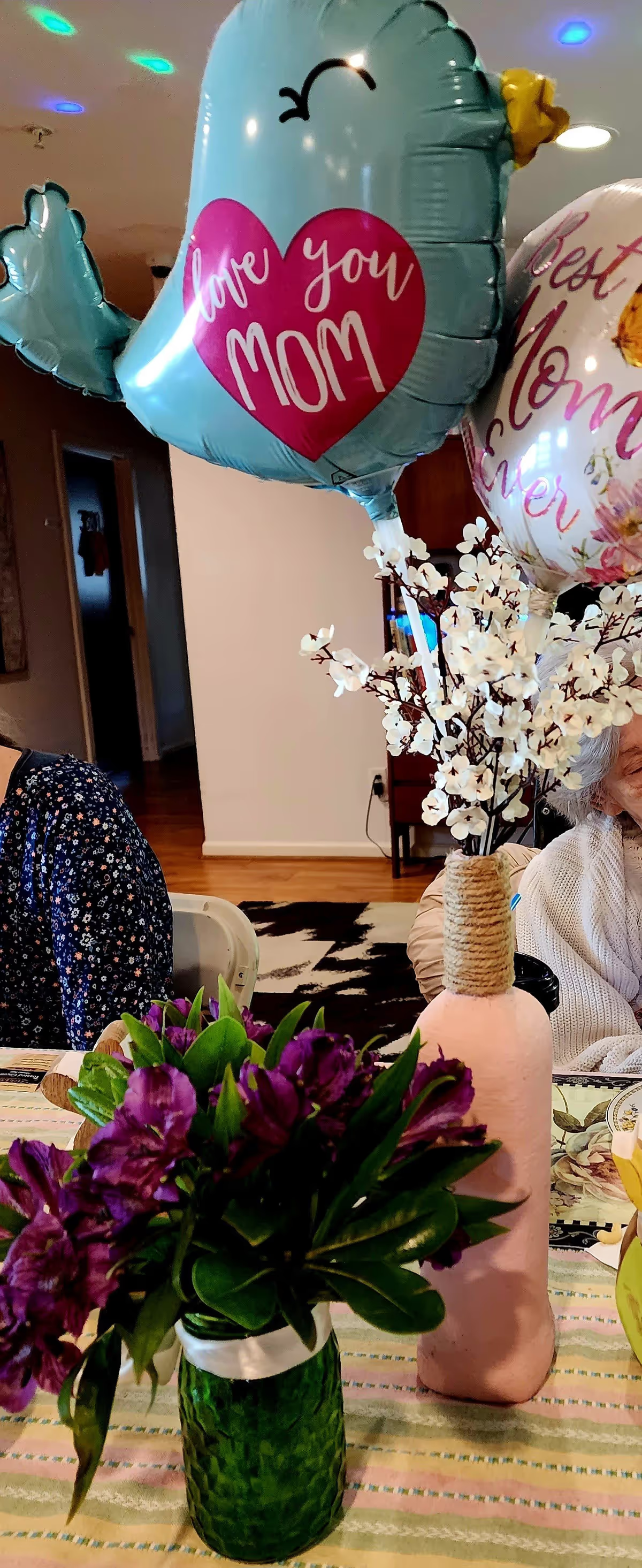
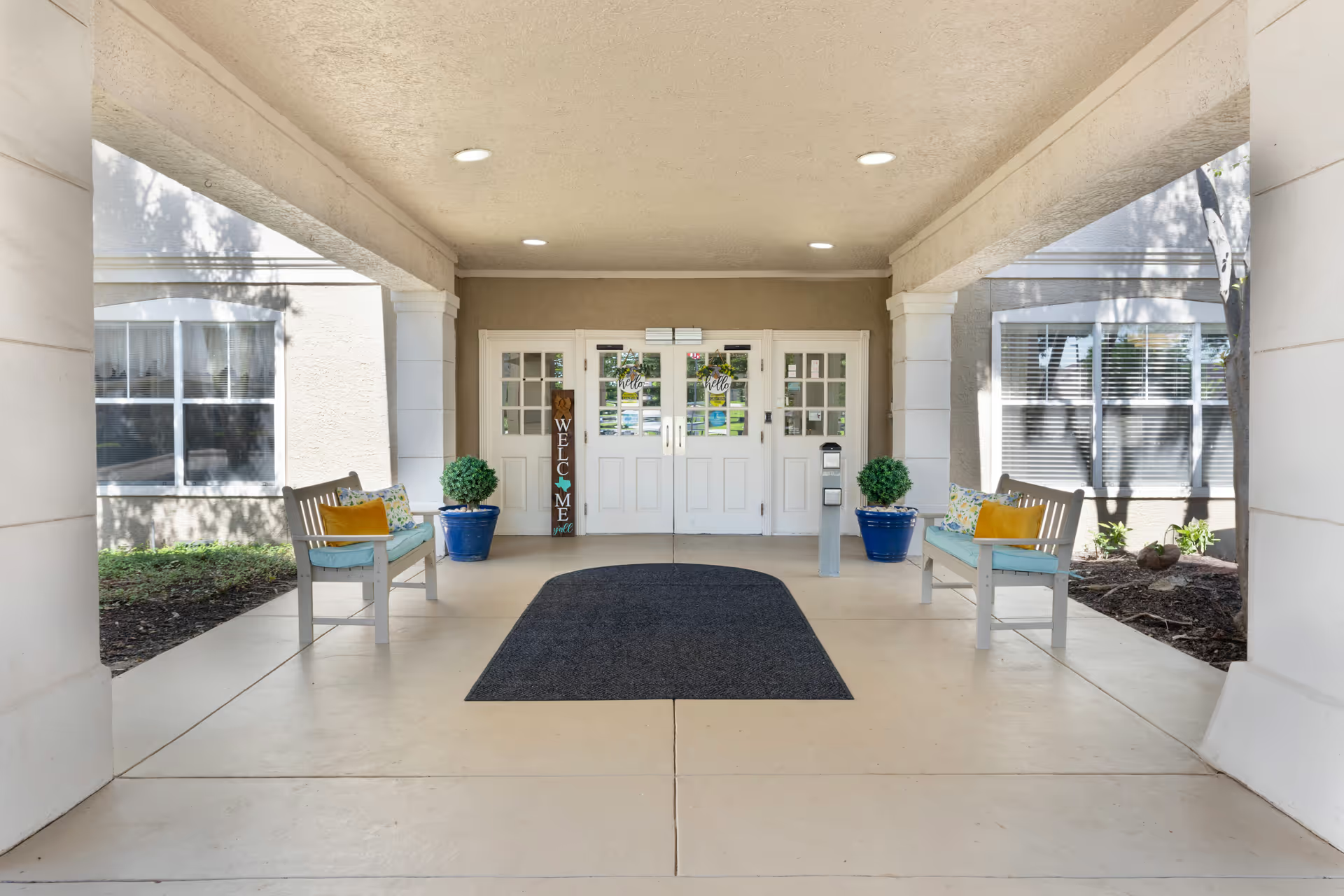
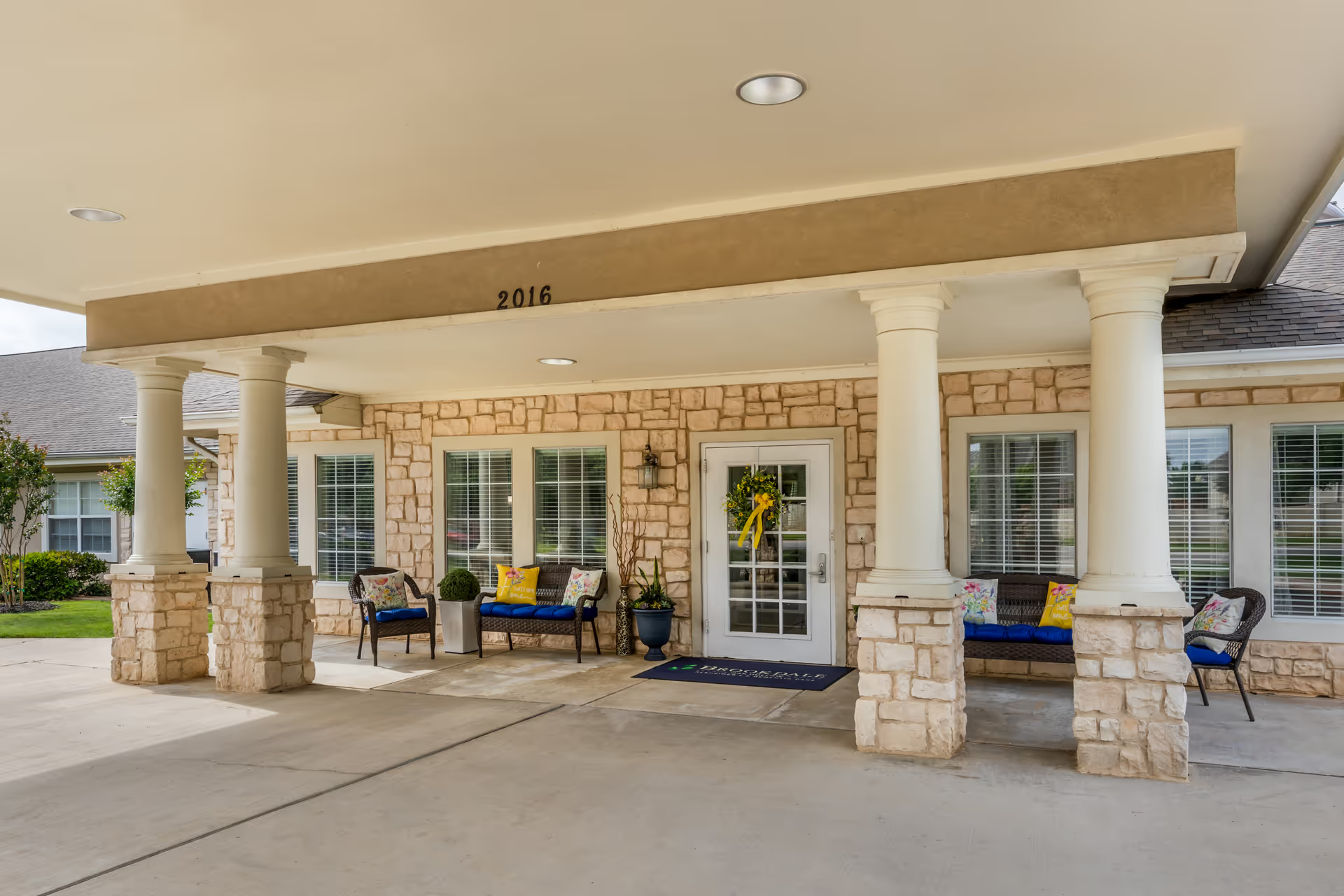
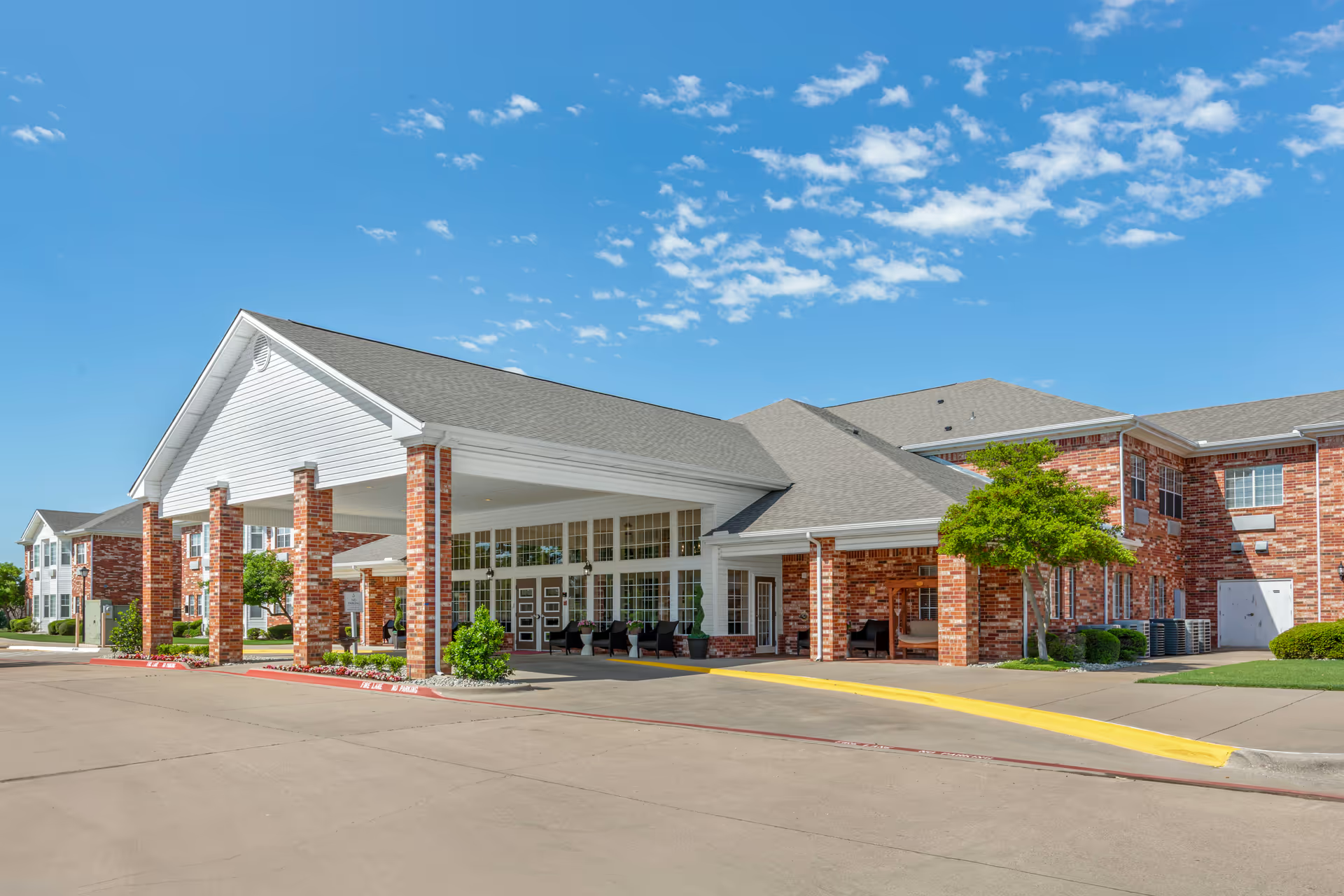
Dining and activities receive a generally favorable reception, with specific praise for seasoned food, social meal settings, and a varied activity calendar (bingo, outings, therapy-supported socialization). That said, there are intermittent complaints about meal temperature, texture (pureed diets), and inconsistent meal-service execution. Facility condition is similarly mixed: portions of the campus are described as clean, renovated, and well-maintained, while other areas are characterized by sanitation or odor concerns and older infrastructure.
Management and communication are areas of divergence. Some reviewers commend the administrator and front-line leaders for supportive family communication and visible leadership; others identify weak responsiveness to family concerns, inconsistent discharge communication, and opaque decision-making. High staff turnover and selective adherence to family instructions were noted as contributors to variability in care experience.
In summary, Hurst Plaza appears to offer strong rehabilitative services, many compassionate caregivers, and active social programming, but these strengths coexist with operational weaknesses—particularly inconsistent staffing, variability in nursing-unit performance, and gaps in clinical oversight and sanitation consistency. Families touring the facility should assess staffing ratios and turnover in the specific unit of interest, review wound-care and medication-management protocols, observe mealtime service, and ask about how management responds to clinical and family concerns to determine whether the facility’s strengths align with their priorities.