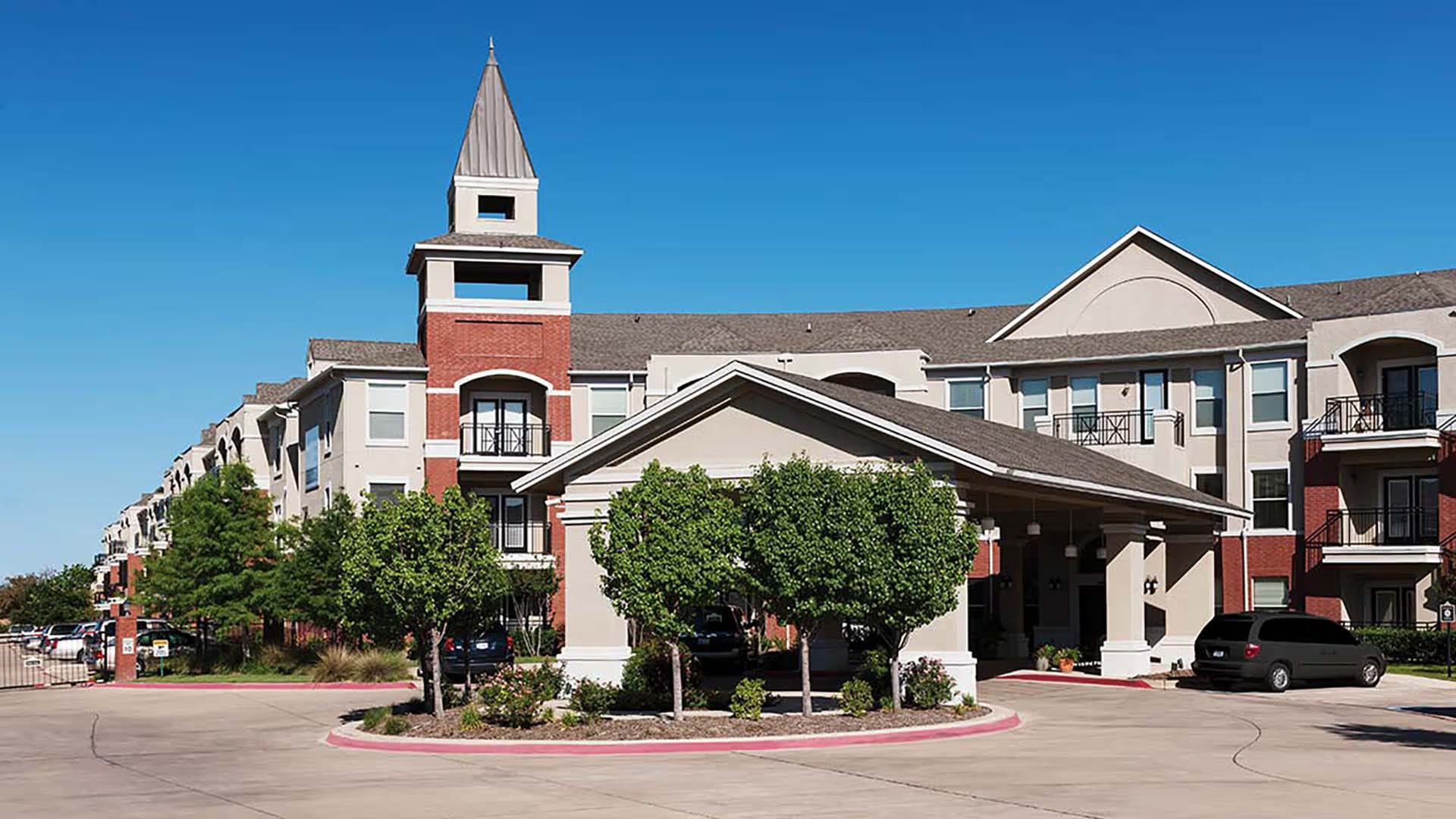
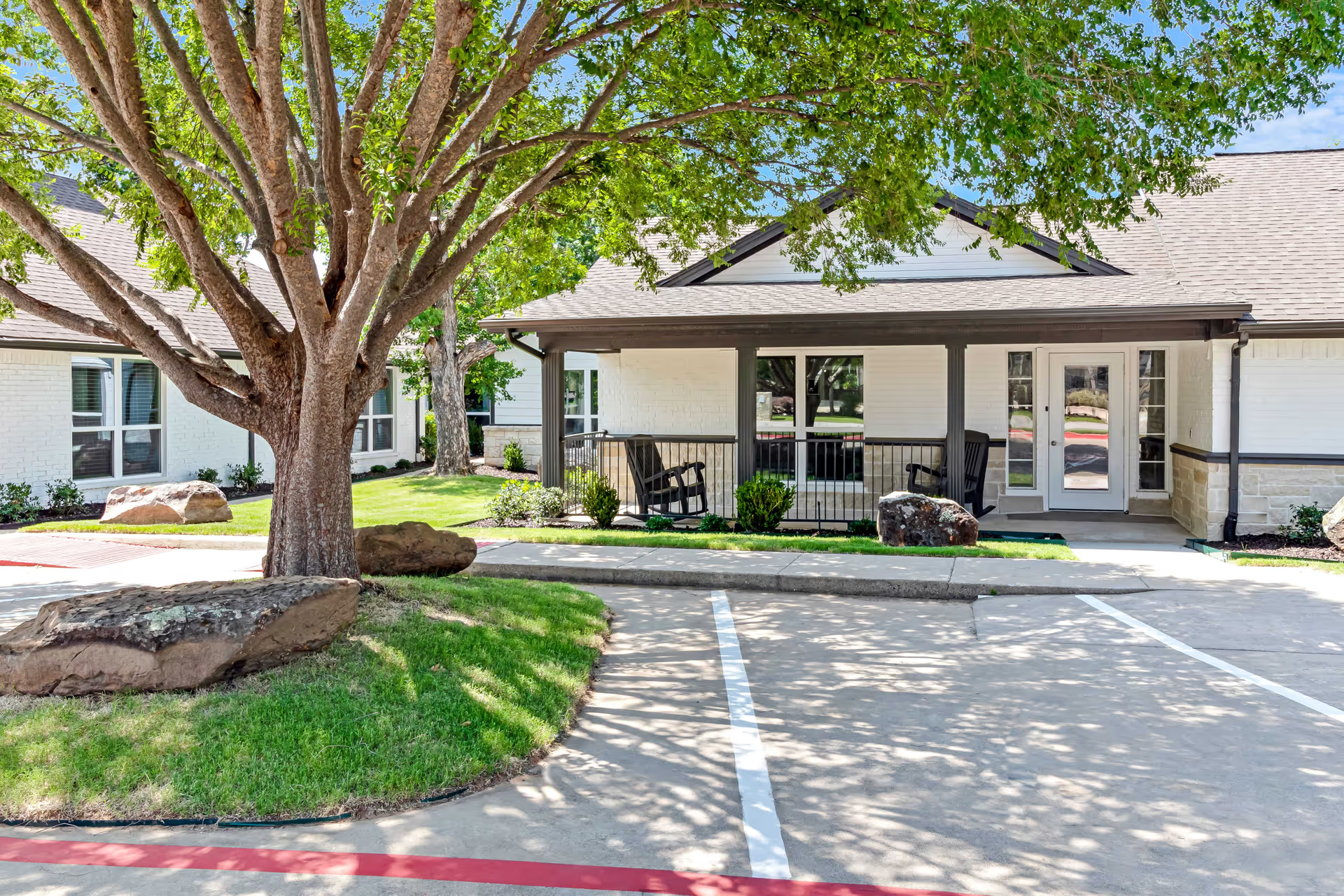
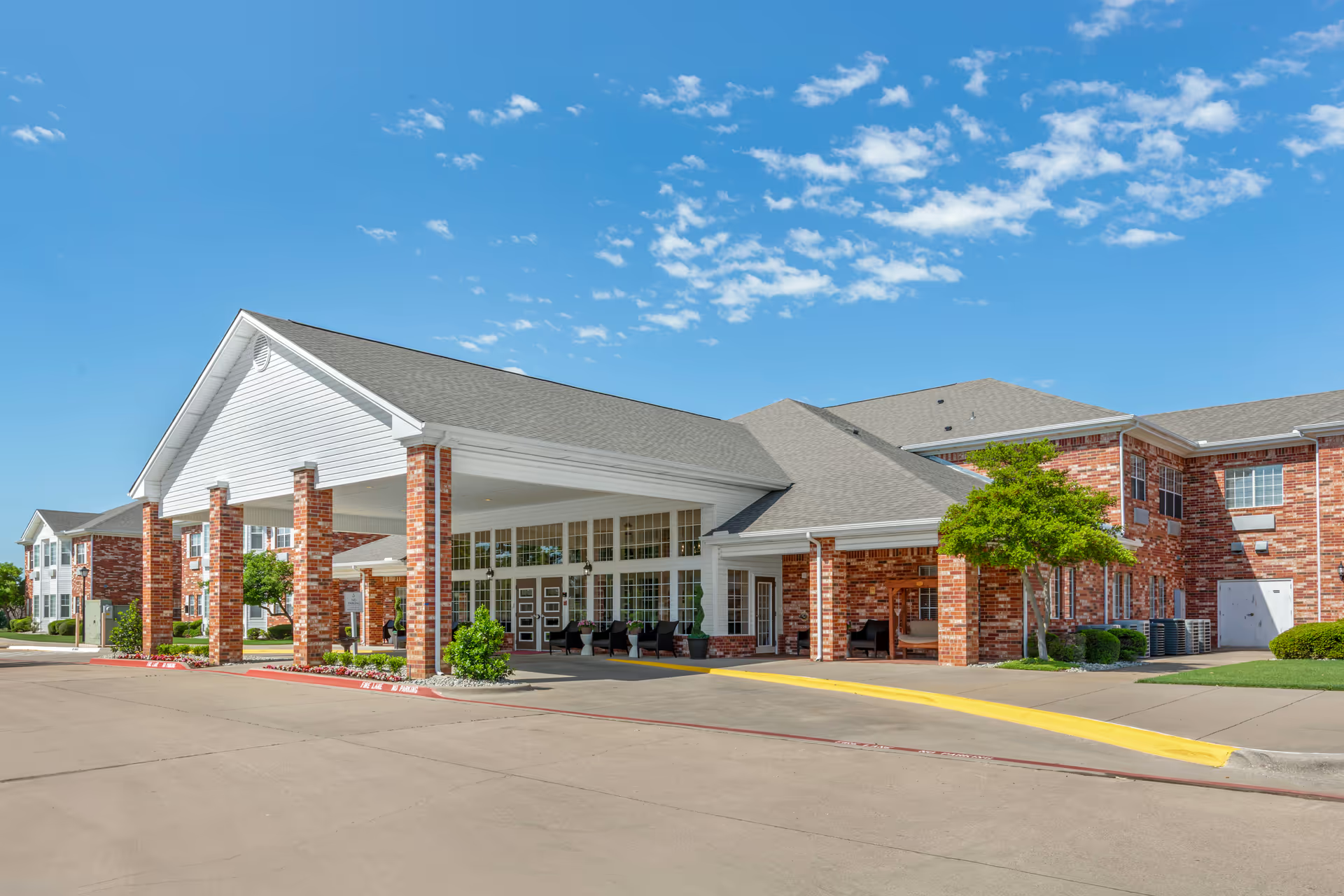
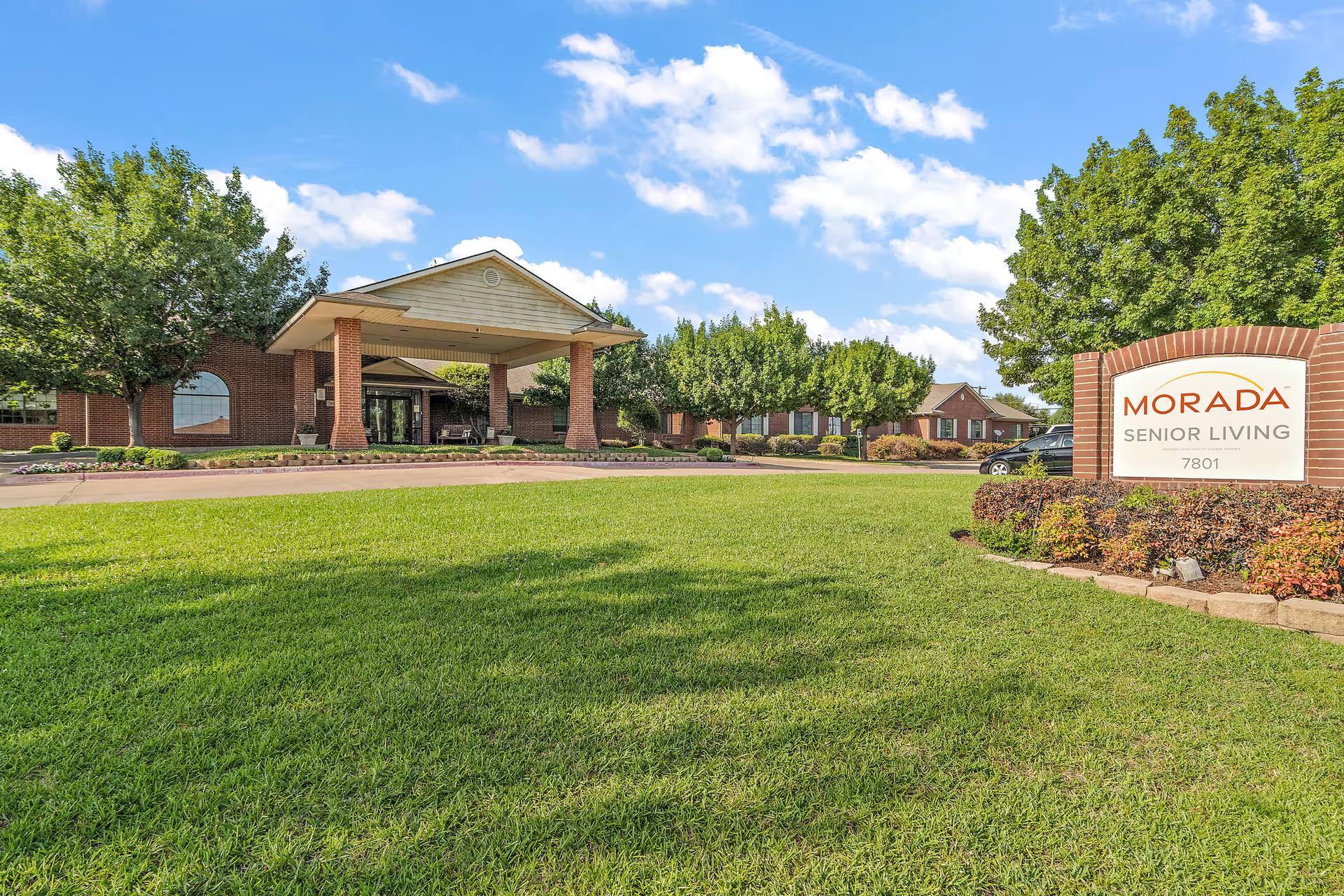
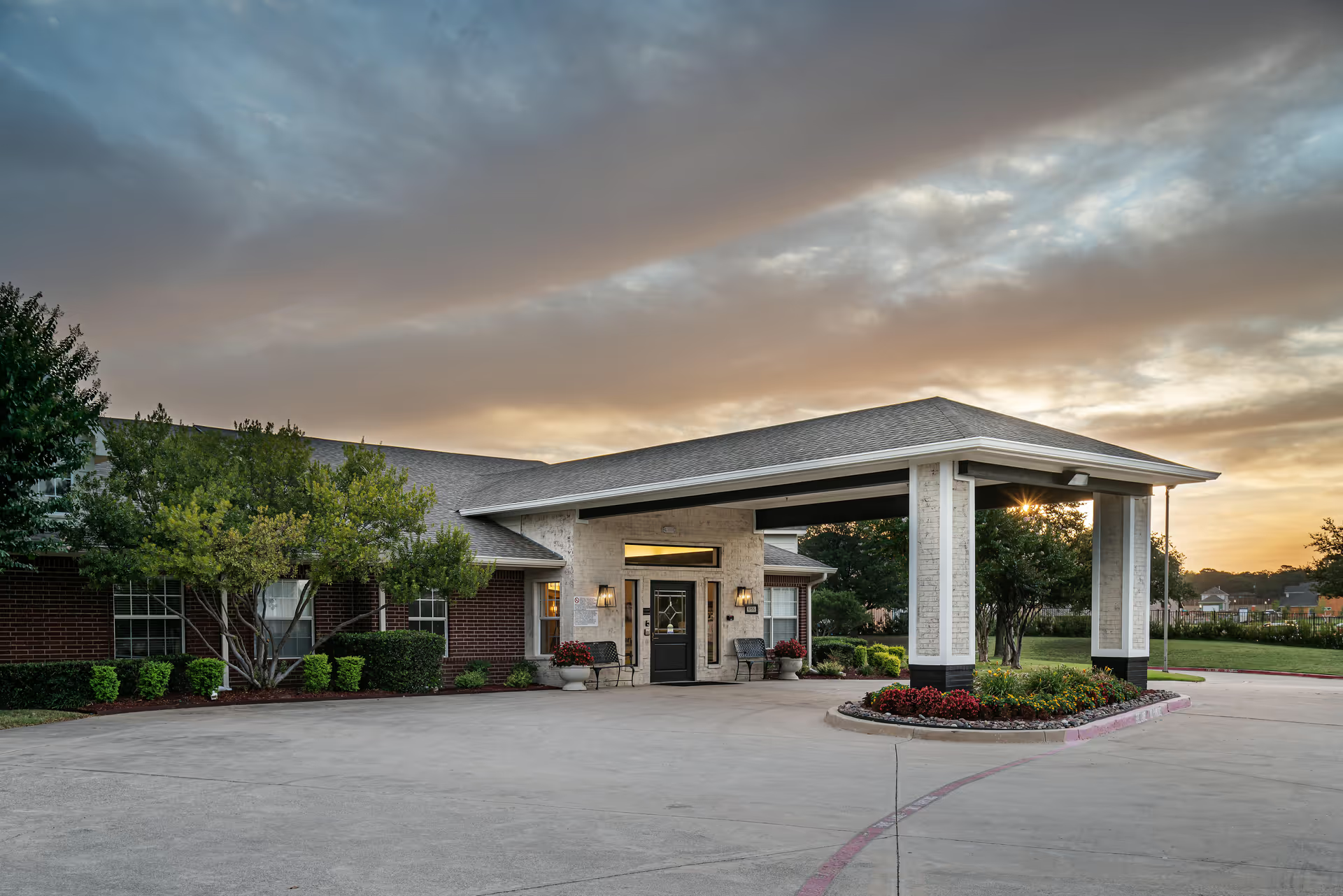
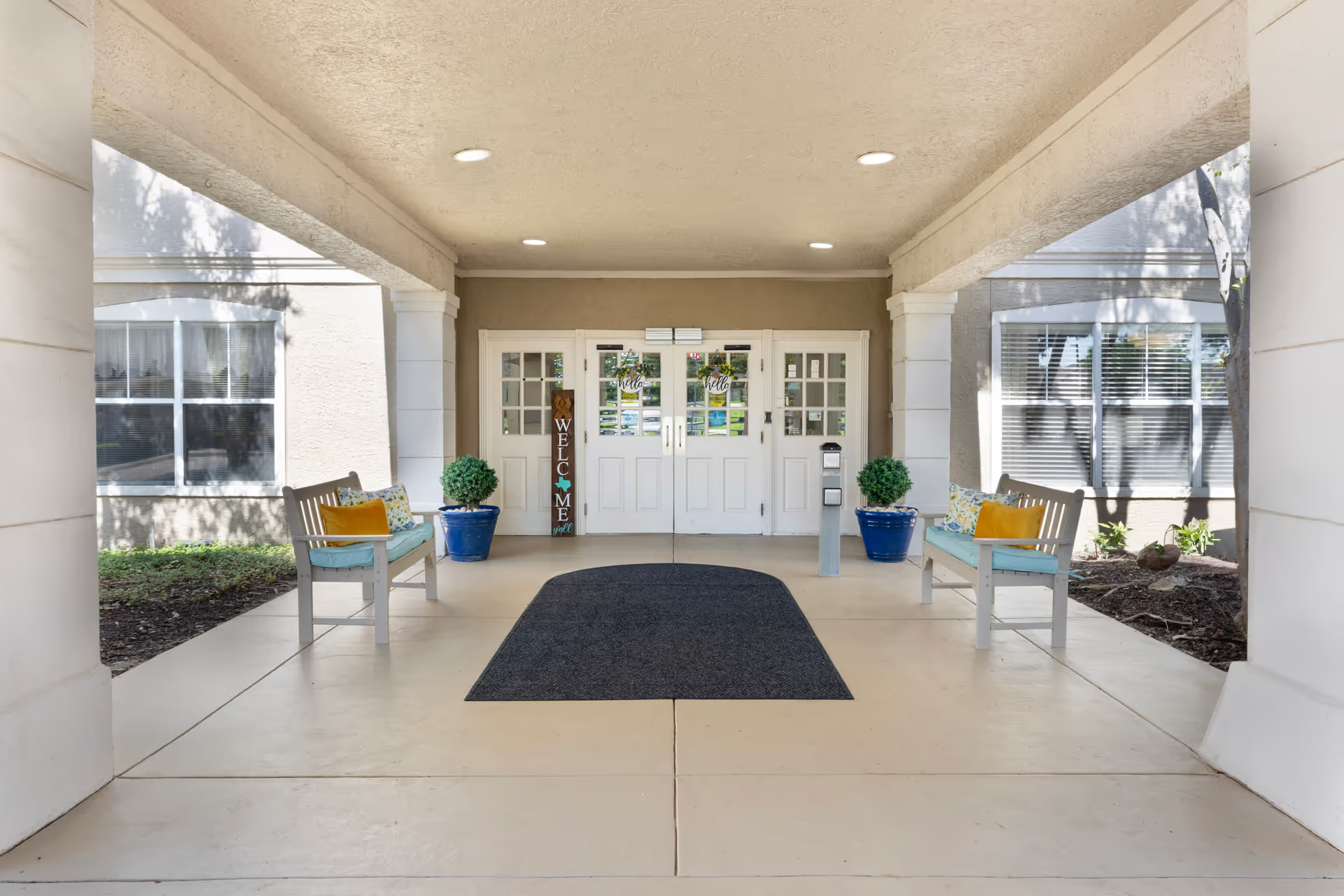
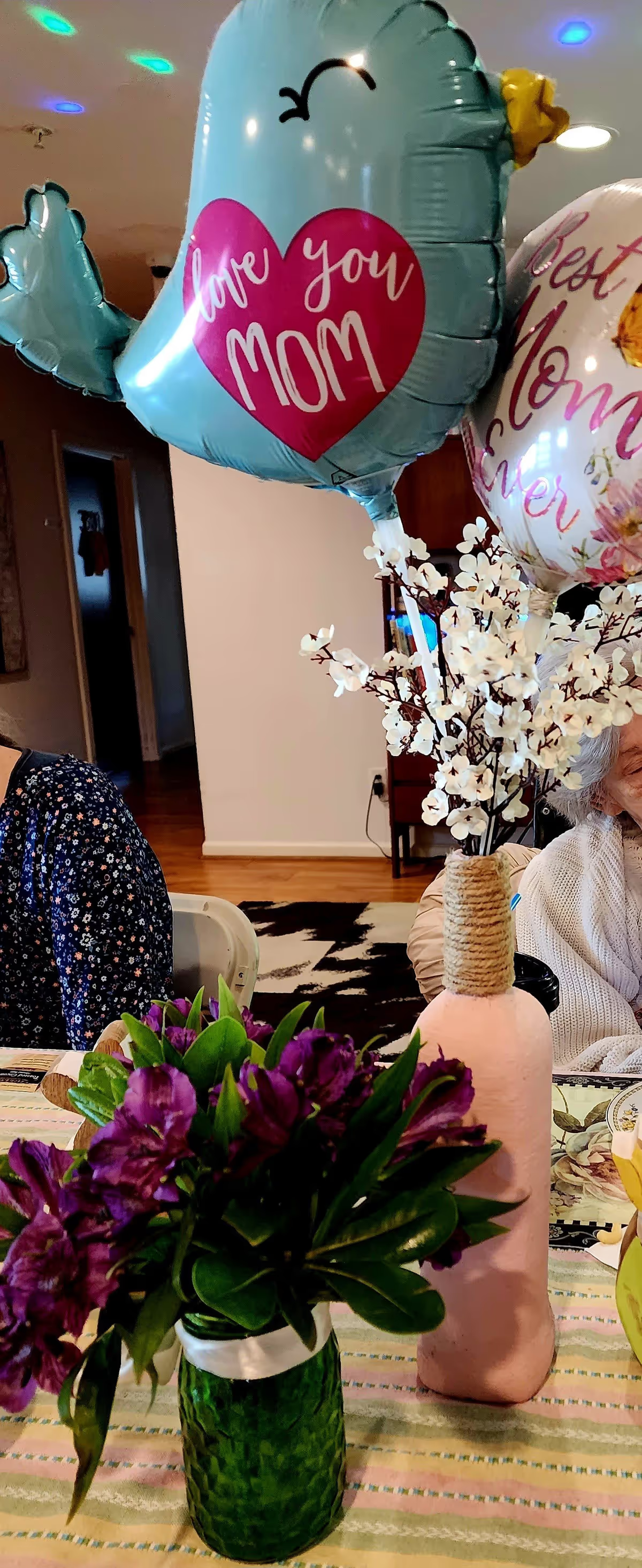
The reviews for Oakmont Guest Care Center are highly polarized, reflecting a facility with clearly visible strengths alongside recurring operational challenges. Positive accounts emphasize compassionate, attentive caregiving, successful rehabilitation outcomes, and a substantially renovated, home-like physical environment. Many families praised individual staff members by name and described a warm communal atmosphere, active therapy services, and supportive end-of-life partnerships that provided reassurance during transitional and hospice care.
Care quality appears uneven. Several families describe attentive, recovery-focused nursing and aides who contributed to meaningful clinical gains and improved cognition when appropriate supports were in place. Conversely, other accounts identify inconsistent clinical continuity: delays in medication and medical-record transfer, missed or delayed treatments, and lapses in personal-care schedules (for example, bathing and oral care were noted to be irregular). There are also repeated mentions of slow response times to call lights and delayed emergency attention, which families perceived as a risk to resident safety.
Staffing and staff conduct are prominent themes. Reviewers report high turnover among administrative and nursing personnel, and variability in staff performance across shifts—weekend coverage in particular was described as thin. While some caregivers and nurses received strong praise for going above and beyond, others were characterized as inattentive or disengaged, producing a mixed picture of day-to-day operations. Several reviews pointed to weak follow-up from certain administrative staff and inconsistent communication with families, though other accounts described hands-on, accessible leadership and rapid problem resolution. New ownership and management changes were credited by multiple families with noticeable improvements in service and environment.
Dining, housekeeping, and facility maintenance show similar contrast. The recently remodeled spaces, updated therapy gym, tasteful décor, and pleasant common areas were frequently highlighted as significant improvements. At the same time, there are recurring sanitation and pest-control concerns in food-preparation areas and inconsistent housekeeping in some units; reviewers also cited issues with meal temperature, food quality, and insufficient mealtime assistance. Laundry and clothing-management problems were mentioned sporadically.
Safety, security, and administrative processes merit attention. Reviewers raised concerns about fall prevention, wandering risk, window security, and thoroughness of transfer procedures. Communication-related weaknesses included after-hours phone unavailability, delayed medical record transfers, and occasional billing or documentation confusion; there were also a limited number of serious allegations concerning missing personal items and questions about accountability following adverse events. Families advised close monitoring and active engagement with the facility’s escalation procedures.
In sum, Oakmont presents as a facility with strong physical investments, several exemplary staff members, and effective rehabilitation and hospice capabilities, alongside operational gaps tied to staffing consistency, responsiveness, sanitation controls in certain areas, and variable administrative follow-through. Prospective residents and families should weigh the positive reports of individualized, compassionate care and the renovated environment against the pattern of inconsistent staffing and communication. When considering placement, ask specific questions about staffing ratios, after-hours coverage, call-response metrics, pest-control and kitchen sanitation protocols, therapy staffing consistency, and the facility’s procedures for clinical transfers and family communication to better assess current performance and fit for a given resident’s needs.