Overall impression: Reviews convey a polarized but consistent pattern: many families and residents praise the facility’s clinical strengths and hospitable environment, while others describe operational shortfalls that affect continuity and confidence. Strengths most often cited include a professional therapy program, compassionate bedside staff, and a clean, modern facility; weaknesses cluster around communication, staffing stability, and certain elements of daily operations.
Care quality and clinical services: Clinical care is described as strong in many accounts. Physical and occupational therapy programs are frequently credited with producing measurable improvement and safe discharges; wound care and medication administration are noted as reliable in a number of cases. Conversely, other reports describe gaps in pain-management timing, inconsistent handoffs between shifts, and delayed attention for higher-dependency residents. One review described a severe infection that required emergency transfer; that account highlights the importance of consistent clinical oversight and reinforces the pattern that outcomes appear tied to staffing continuity and communication quality.
Staff and management: Nursing staff and CNAs are repeatedly characterized as caring, attentive, and professional by numerous families; individual staff (including an involved administrator, social worker, and therapy personnel) are singled out for positive impact. At the same time, many reviews note high turnover and variable therapist or aide conduct, which reviewers link to inconsistent experiences. Management responsiveness emerges as an operational concern: families report difficulty reaching administrators, inconsistent information, and limited follow-up on complaints. These management and staffing themes suggest that the facility’s performance is sensitive to personnel changes and weekend staffing levels.
Dining and activities: Dining impressions are mixed. Several reviewers appreciated meals and treated food as a positive part of the stay, but a comparable set of reviews described bland or unappetizing offerings and lower-protein weekend options. Activity programming (bingo, social visits, and other communal events) receives favorable comments and contributes to a welcoming, family-like atmosphere for many residents; however, some higher-dependency residents report limited assistance to join communal areas or engage socially.
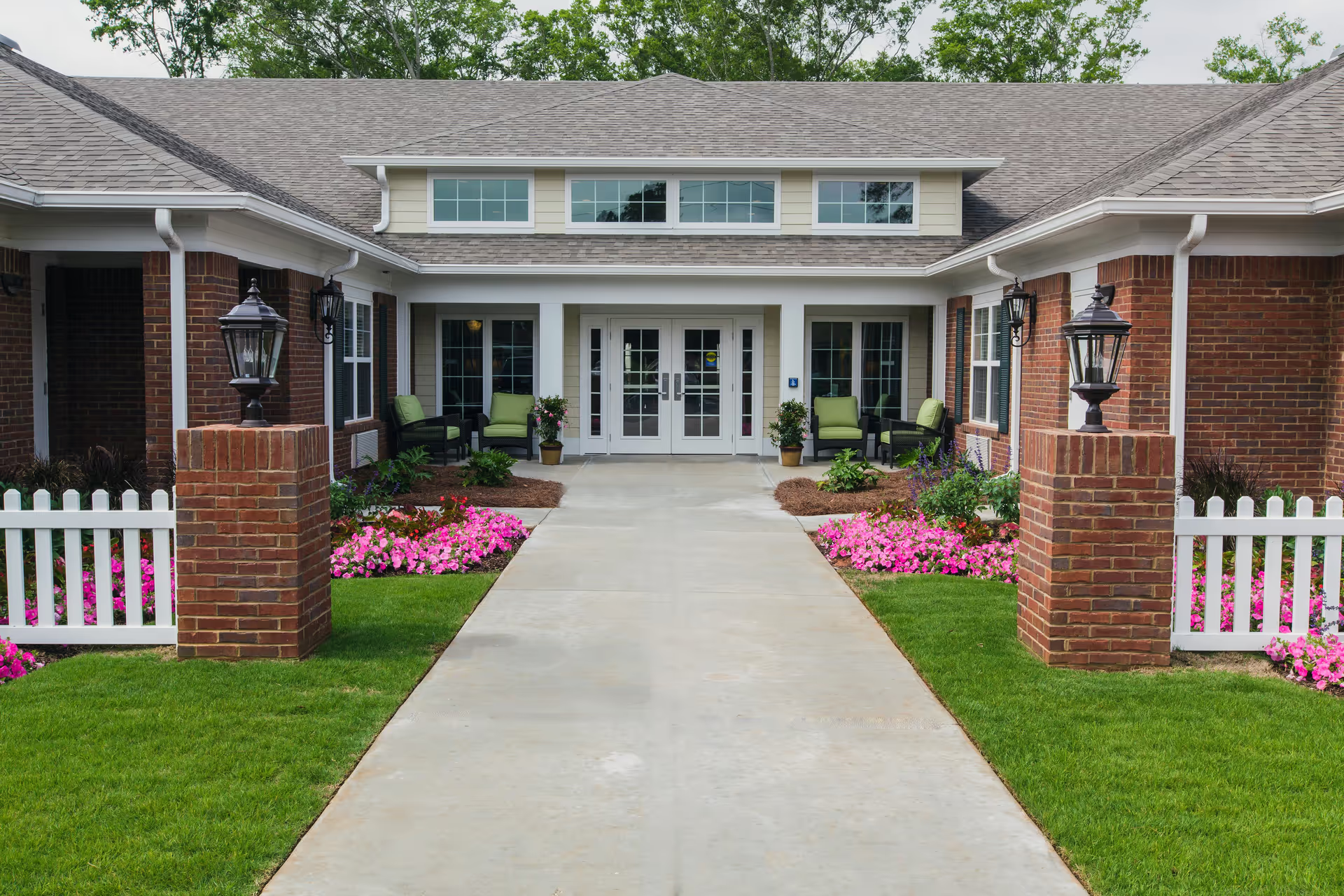
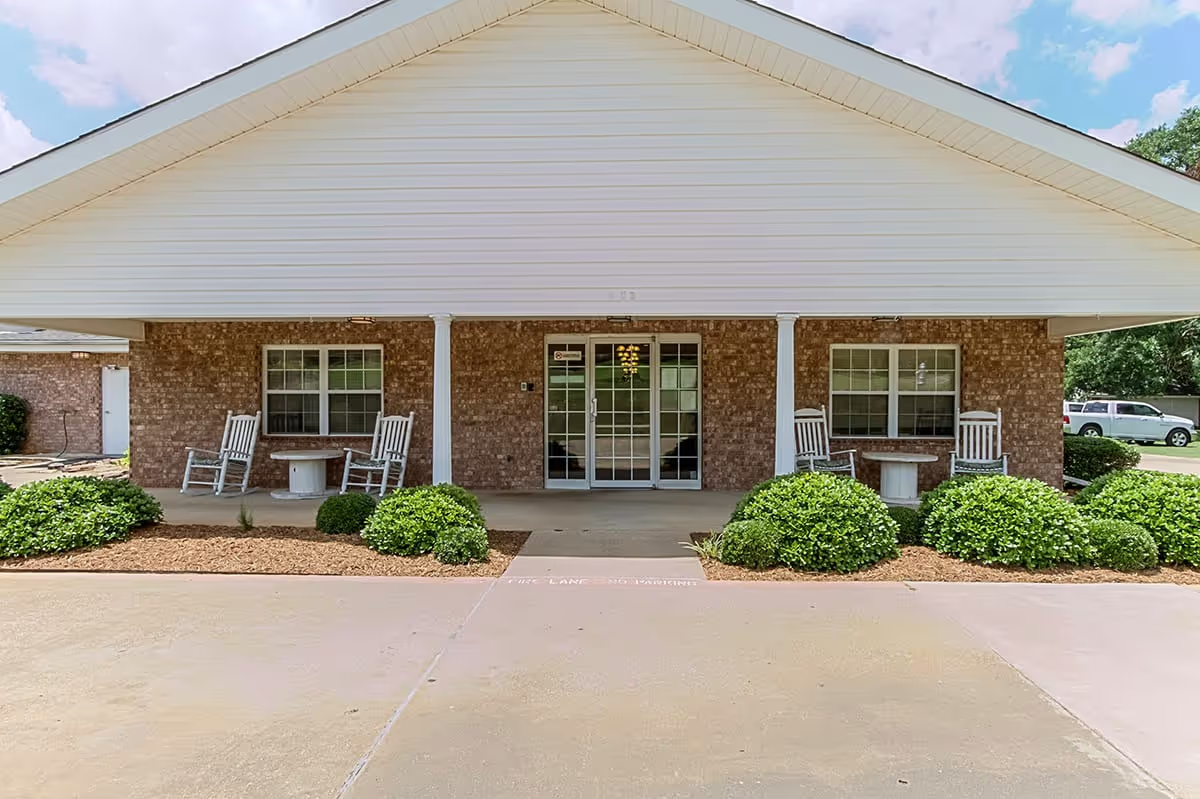
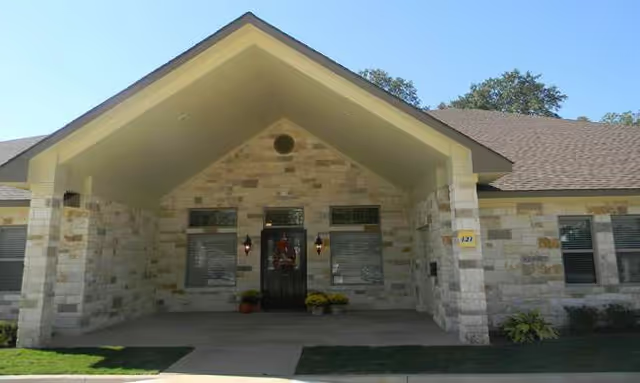
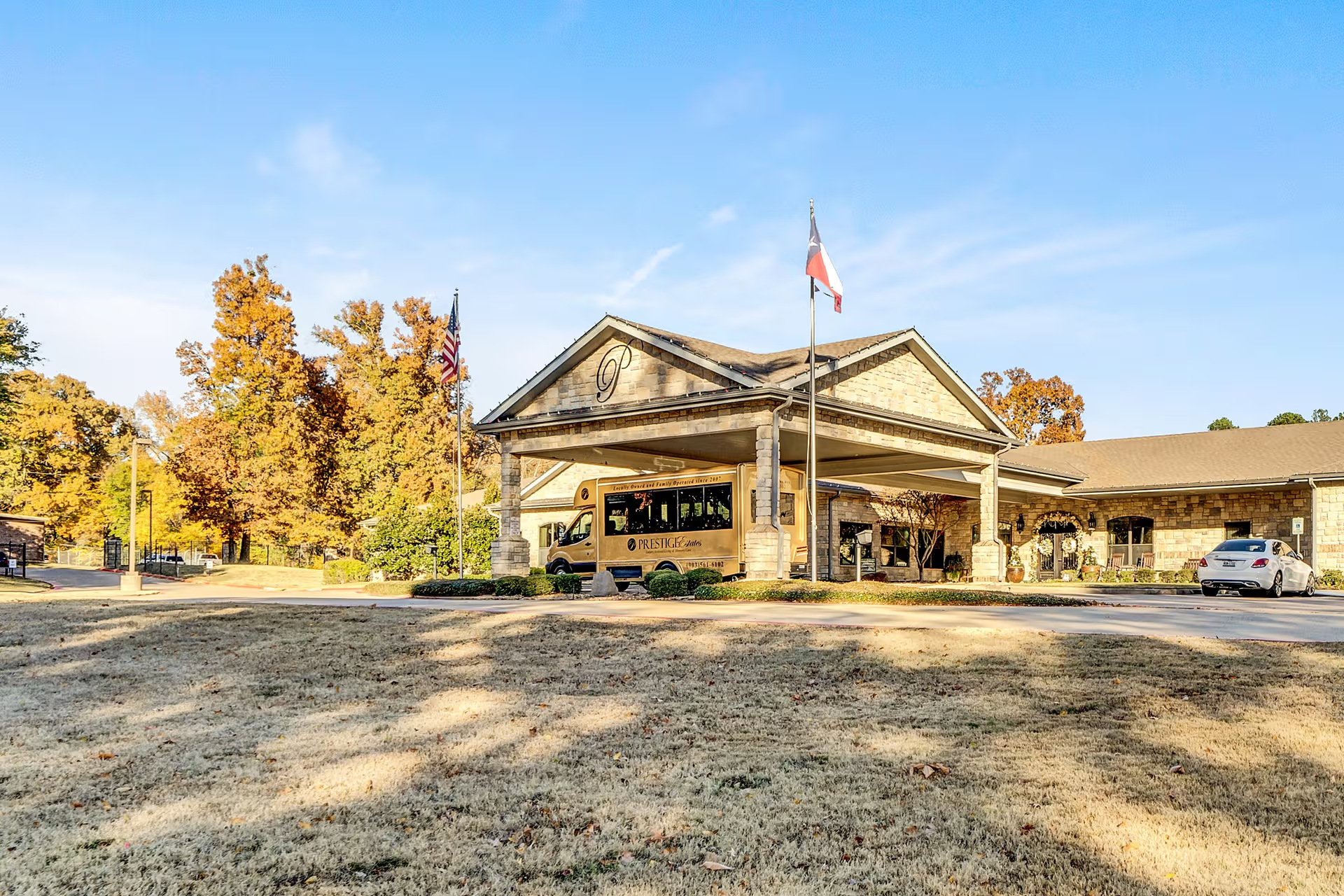
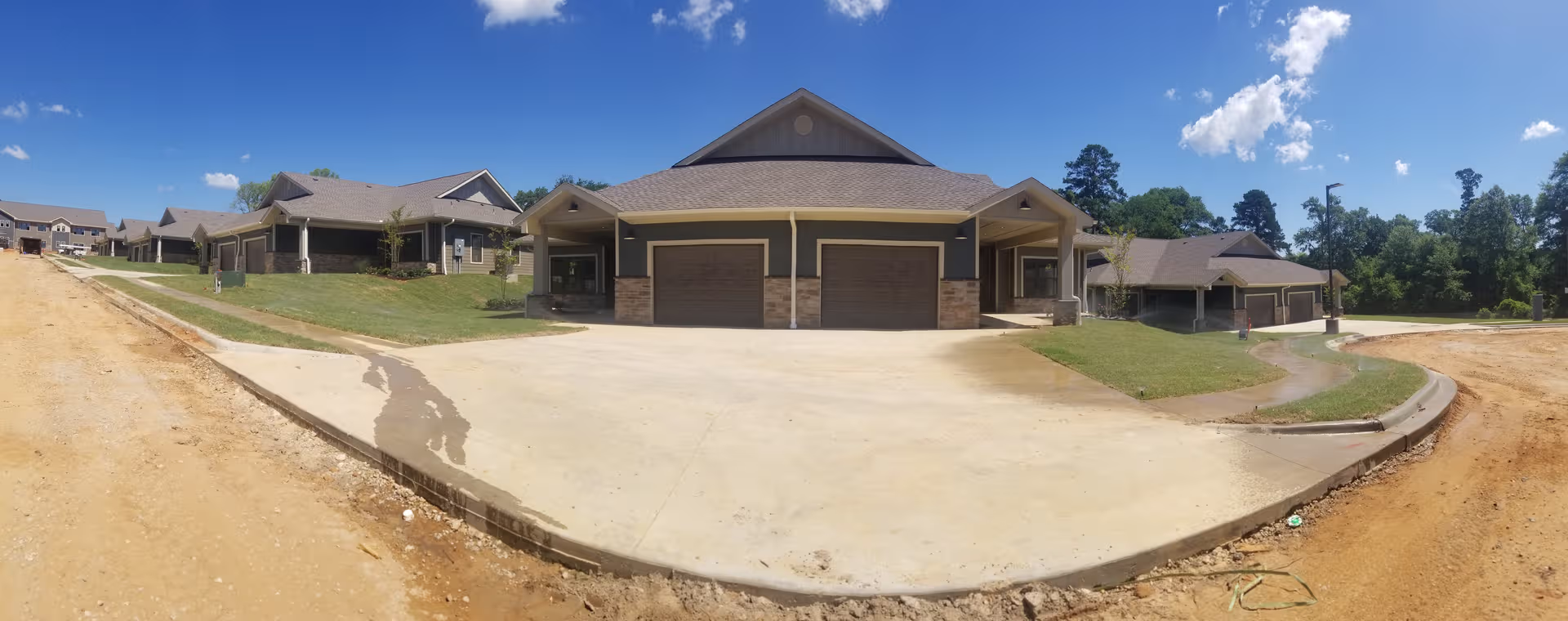
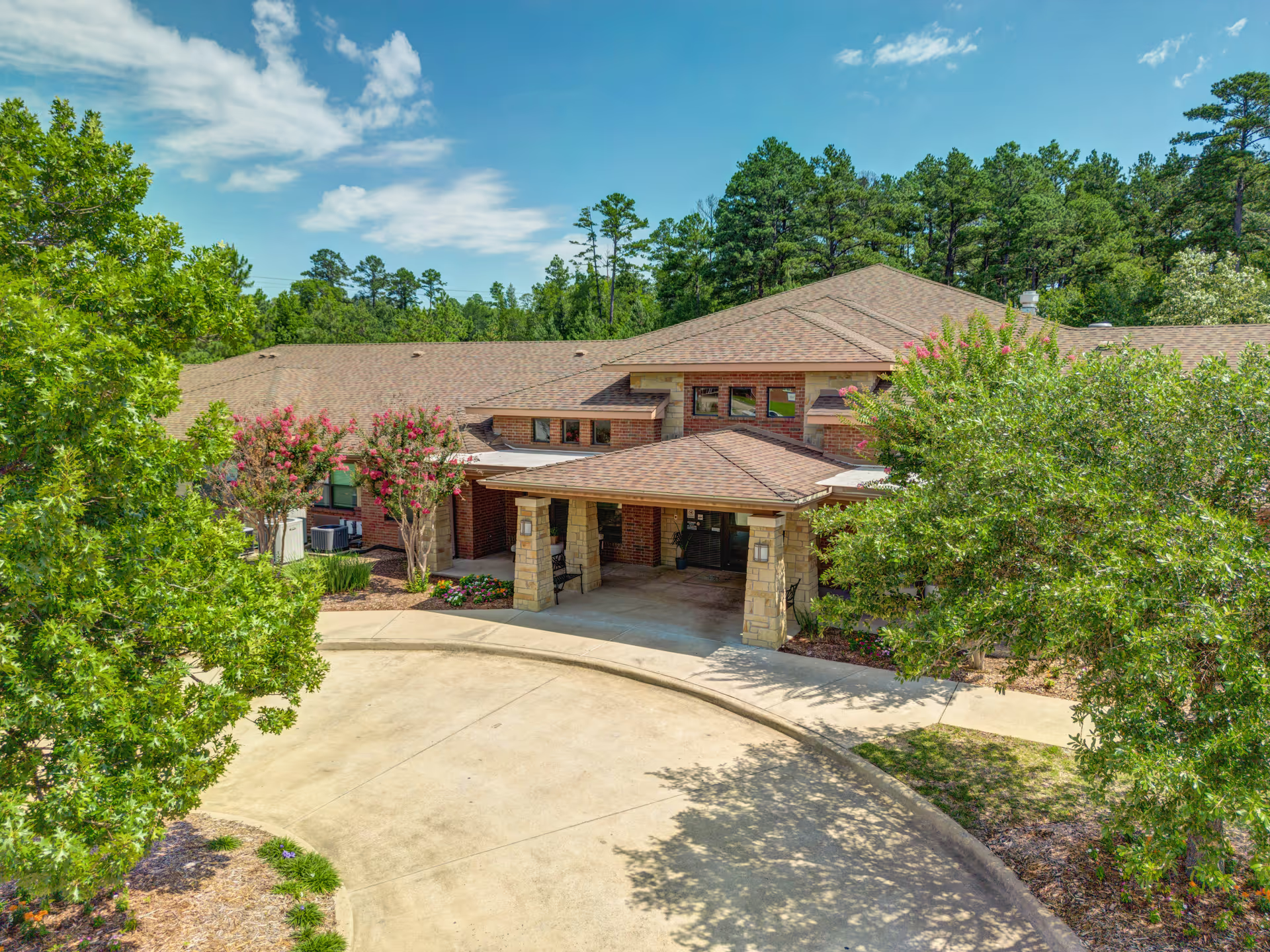
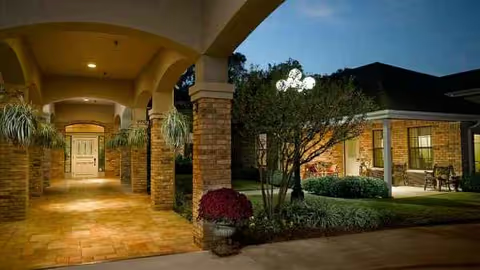
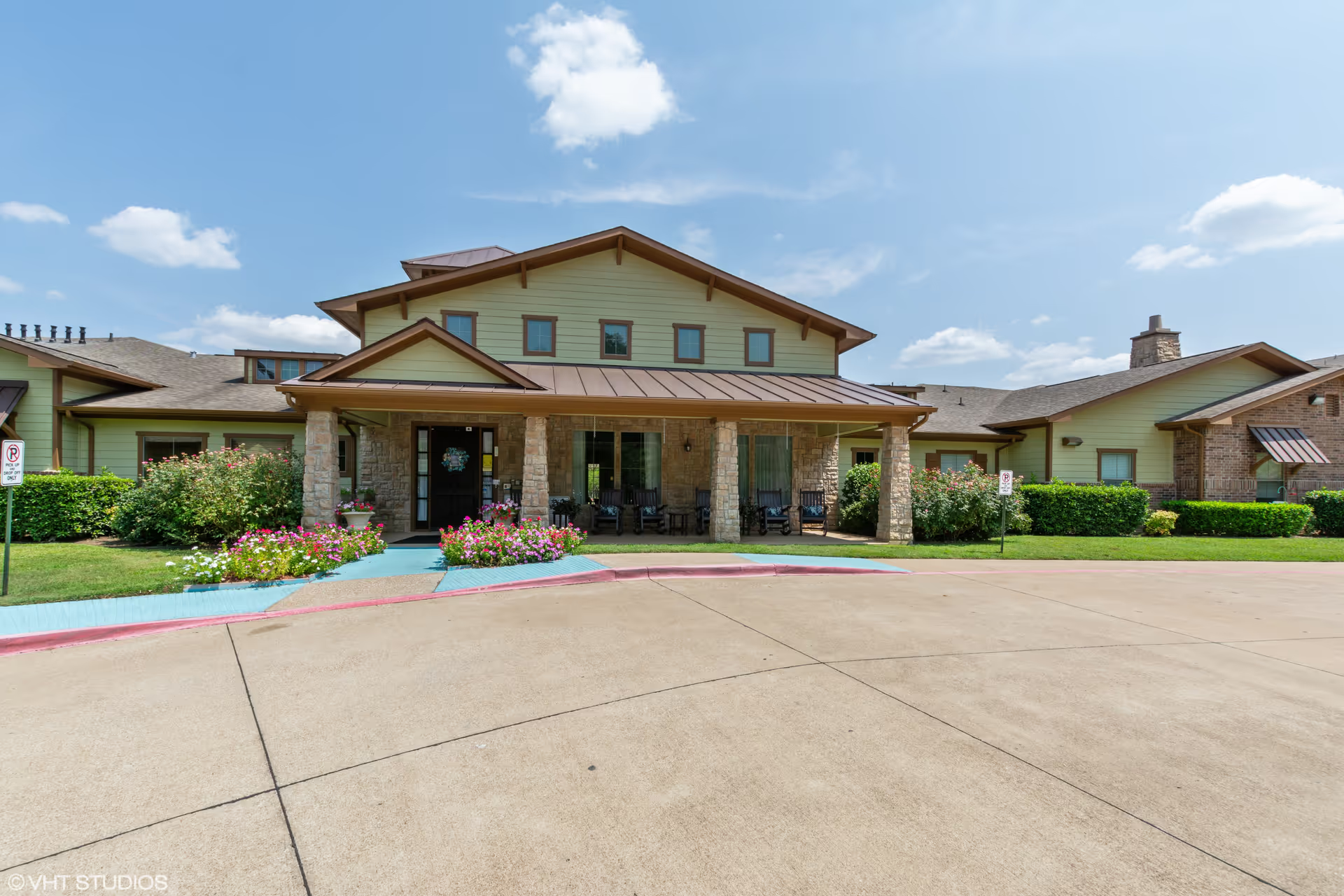
Facilities and safety: The building itself is repeatedly described as clean, modern, and well-maintained, with accessible on-site services such as a hair stylist and transportation. At the facility level, reviewers raise concerns about sanitation and odor inconsistencies in particular areas, and about safety/access-control practices after isolated incidents (for example, a resident found outside or difficulty with door operation for wheelchair users). These observations point to potential gaps in environmental monitoring and security protocols rather than a uniform facility-wide condition.
Notable patterns and takeaways: The dominant pattern is variability—many families had excellent experiences centered on compassionate staff and effective rehabilitation, while others encountered lapses tied to communication breakdowns, staff turnover, and weekend or shift coverage. Prospective residents and families should weigh the facility’s strong therapy and nursing capabilities against reports of inconsistent responsiveness, clarify expectations for insurance and billing coordination, and ask targeted questions about staffing continuity, shift handoffs, infection- and safety-protocols, and weekend meal/service schedules prior to placement.