The reviews for Jourdanton Nursing and Rehab are markedly polarized. On the positive side, many reviewers describe a clinically strong, rehab-oriented program with particularly favorable impressions of the physical and occupational therapy teams, and staff who are described as compassionate and attentive. Multiple comments highlight successful short-term rehabilitation experiences (for example, post‑operative hip replacement care), effective therapist-led recovery plans, and a generally welcoming environment that supports patient healing and staff professional development.
Staffing and clinical-care quality are areas of notable variability. Several reviewers praised specific nurses, therapists, and unit leaders for responsiveness and individualized attention, and the facility’s CNA classes and staff mentorship received positive remarks. Conversely, other reviews raise concerns about inconsistent staffing levels and high turnover, which reviewers link to lapses in care continuity. Specific clinical-process issues mentioned include medication-administration problems or omissions, inconsistent wound-care follow-through, and delays in providing feeding or incontinence assistance; these indicate potential gaps in clinical-care consistency and supervision that merit direct inquiry during a tour.
Dining and activities are also mixed. The facility receives compliments for meal quality and an active calendar of daily activities and occasional outings. At the same time, some reviewers report unreliable meal timing and meals served at inappropriate temperatures. Activities programming is generally noted as service-oriented with frequent offerings, which many families view as a restorative element of residency or rehabilitation.
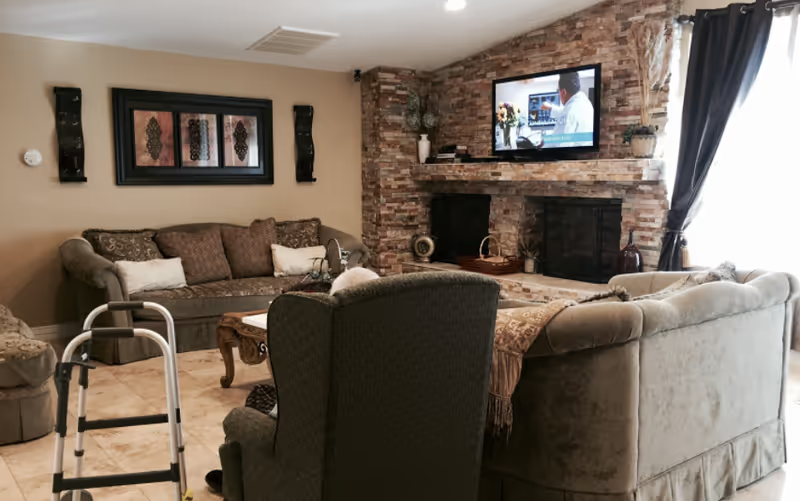
Facility condition and operations show conflicting impressions. Several reviewers describe clean, organized resident areas and a safe atmosphere, while others cite sanitation concerns, odor issues in some units, and pest-control problems. Maintenance and infrastructure issues (electrical, plumbing, and broken equipment) are described and are likely to affect perceptions of safety and comfort. Reports of hazardous conditions in hallways and limited supplies or equipment availability underscore operational weaknesses that should be assessed in person.
Management and oversight present another pattern. Some reviewers note positive changes under new leadership and responsive unit supervisors; others express concern that management priorities emphasize operational metrics over individualized care, and that staff changes have removed experienced caregivers. There are also statements implying insufficient safeguards around resident finances and property, which suggest questions about oversight and family communication are warranted.
Overall, the facility appears capable of delivering strong, rehab-centered outcomes when staffing and operational supports align, but the reviews indicate important variability in day-to-day experience. Prospective residents and families should plan an in-person visit, ask targeted questions about current staffing ratios and turnover, medication-administration protocols, wound and bathing schedules, pest-control and maintenance plans, dining service hours and temperature controls, staff background checks and training, and safeguards for personal finances and belongings. Observing mealtime, an activity, and shift change can help verify whether the strengths noted in many reviews are consistently realized at the time of placement.