Overall impression: Reviews reflect a polarized but informative picture. The property is frequently described as attractive, well maintained and socially active, with many reviewers praising the campus amenities, thoughtful move-in support, and a lively community atmosphere. At the same time, a distinct cluster of operational issues appears repeatedly and has meaningful implications for prospective residents with higher acuity needs.
Care and clinical operations: Strengths include many accounts of compassionate, engaged caregivers and nursing staff who establish close relationships with residents. Some families describe around-the-clock clinical support and attentive end-of-life care. Counterbalancing that, there are significant concerns about inconsistent staffing levels, gaps in cross-shift communication, and delays in attending to falls or mobility assistance. Several accounts point to problems with medication management and care-transition coordination that led to hospital visits or additional clinical follow-up. Prospective residents who require reliable, continuous clinical support should clarify staffing ratios, emergency response protocols, and handoff procedures during a tour.
Staff and management: Staff are often singled out as the community's strongest asset — individual caregivers, activity coordinators, and directors receive frequent commendation for kindness and personal attention. However, reviewers also describe inconsistency in leadership and management responsiveness; some note strong director-level engagement while others report concerns about a profit-focused approach, billing opacity, and uneven follow-through on complaints. Staffing turnover and uneven supervision appear to contribute to variability in resident experience.
Dining and nutrition: Dining experiences are mixed. Several reviewers praise fine-dining options, thoughtful menus, and pleasant dining rooms; others cite buffet-style service problems, cold meals, long lines, minimal diabetic-friendly options, and inconsistency in meal delivery. Dietary accommodations and special-diet handling were highlighted as an operational gap in some reports. If nutrition is a priority, ask for sample menus, the process for special-diet requests, and a meal-service walkthrough.
Activities and social life: The community offers a broad activity portfolio — bingo, arts and crafts, theme weeks, outings, church services, and a variety of in-house clubs and social hours are frequently praised. This programming supports a socially active environment and strong peer connections. A minority of reviewers noted reduced evening programming or periods when advertised activities were not executed as expected; confirm current activity calendars and evening offerings if that is important.
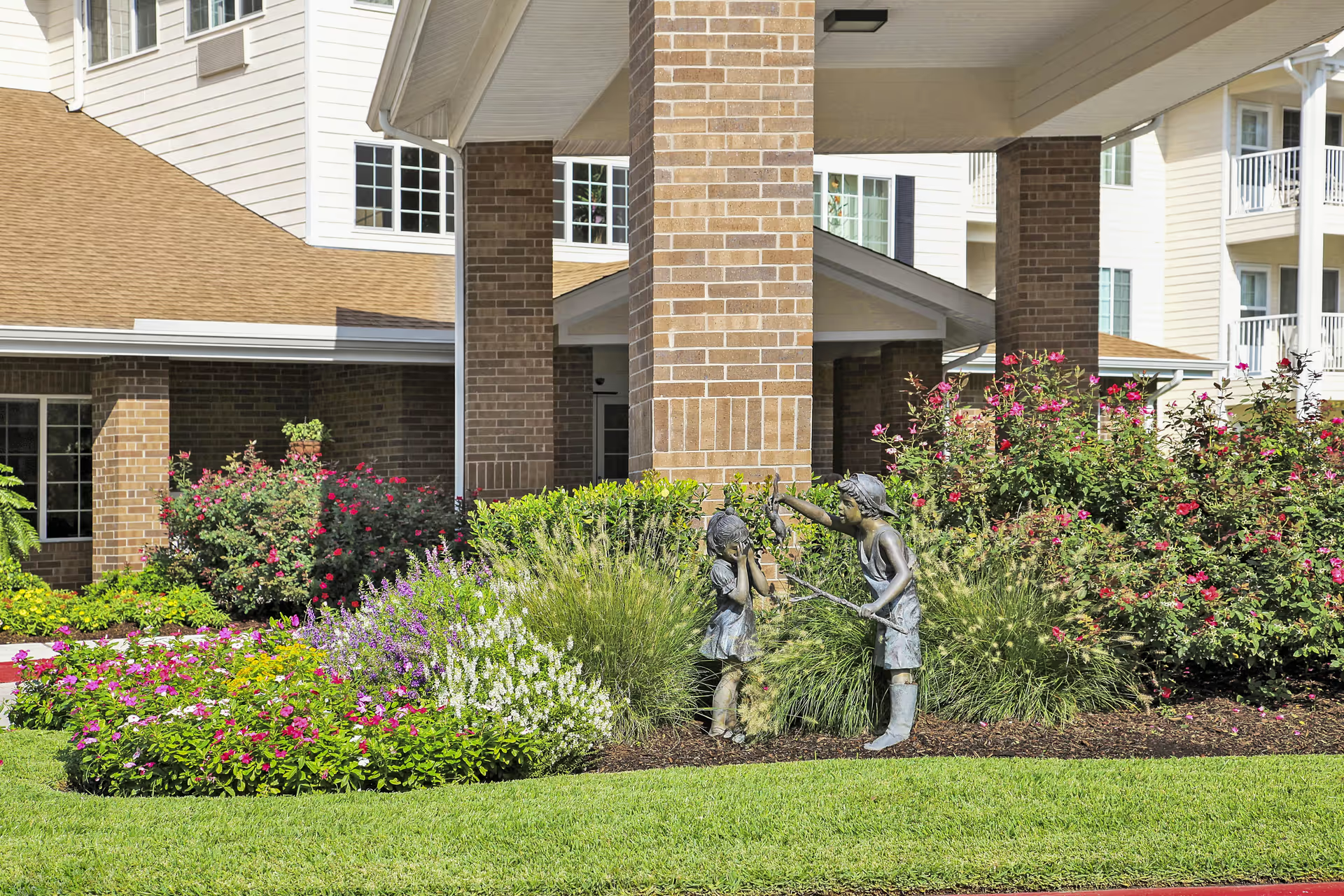
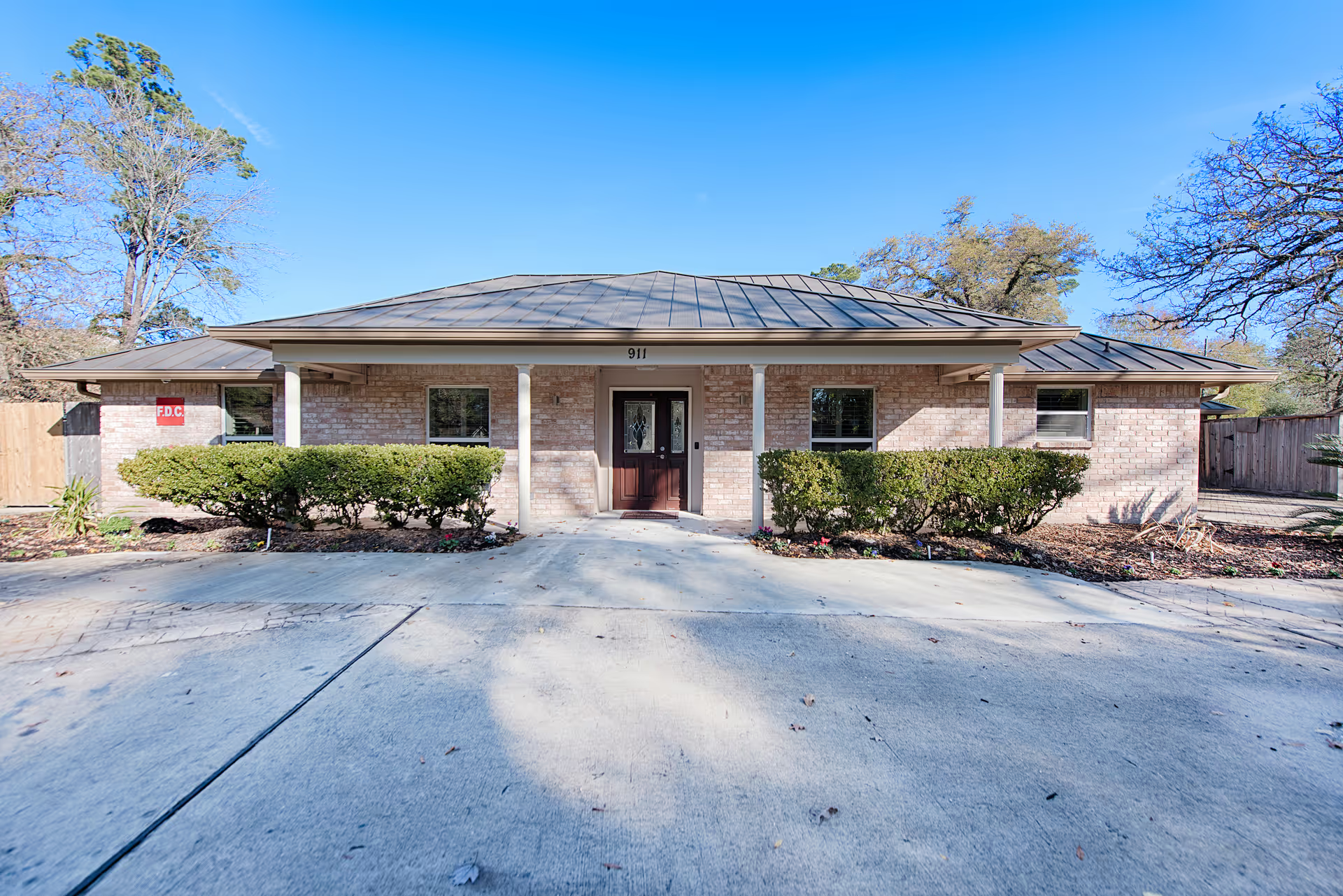
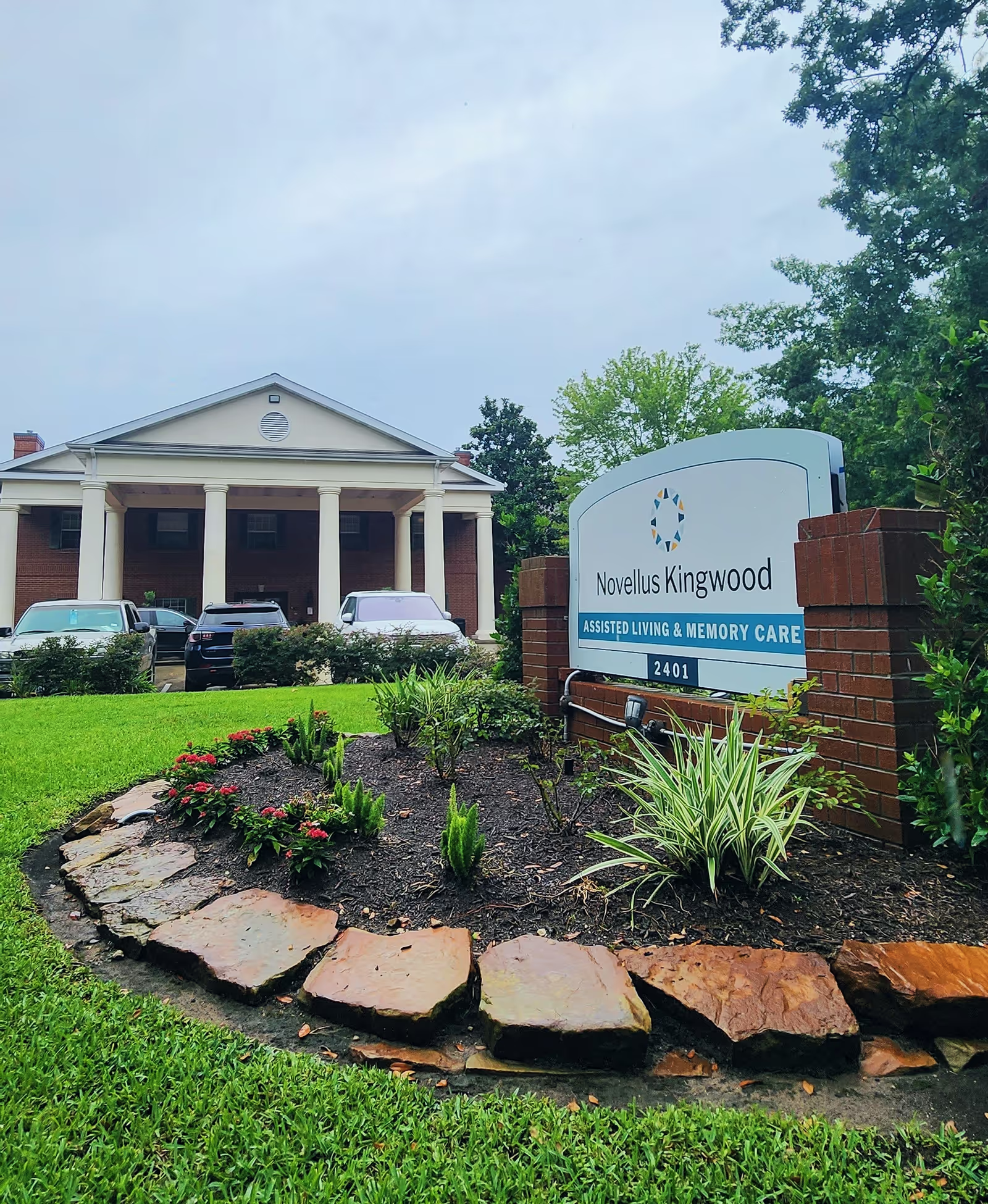
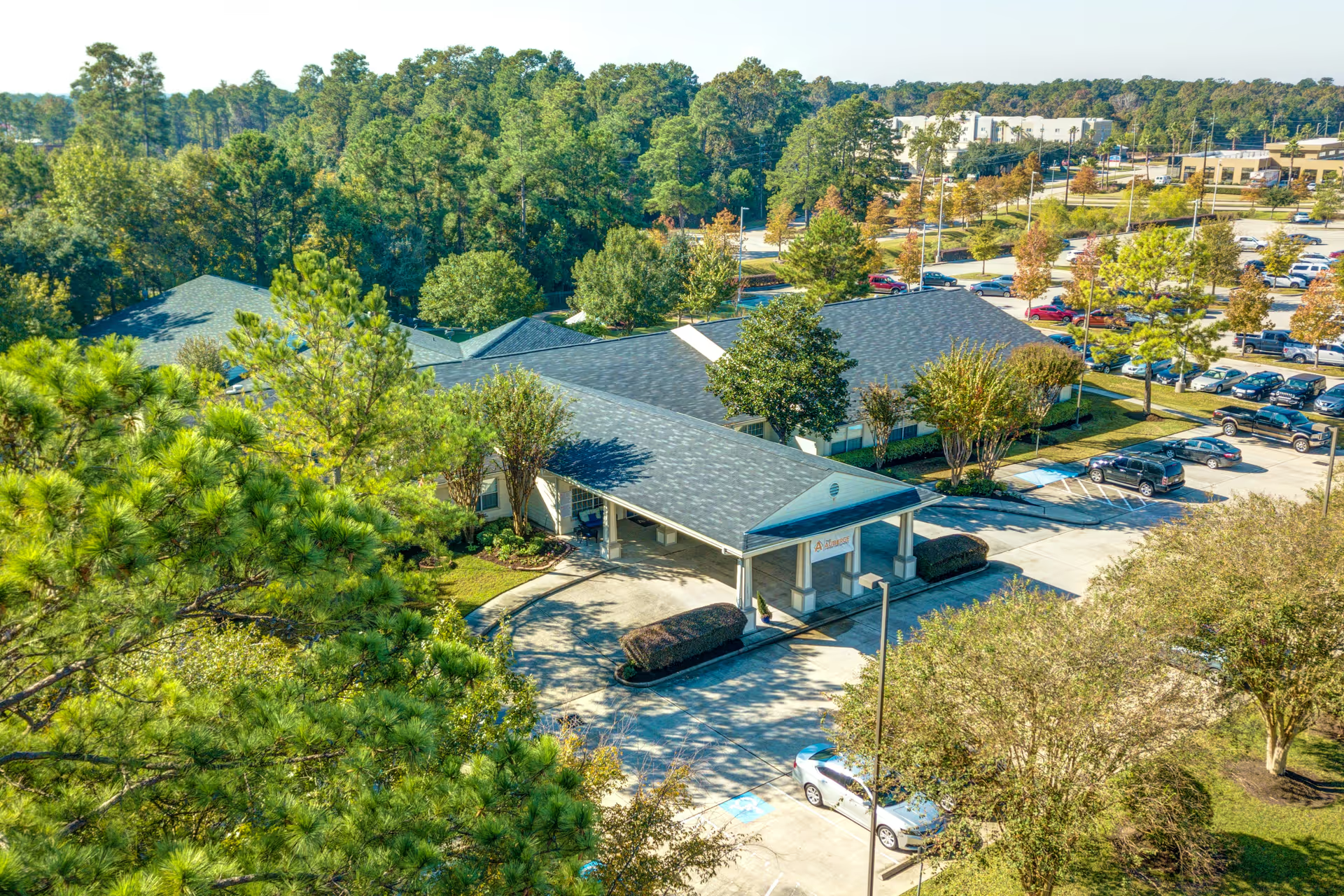
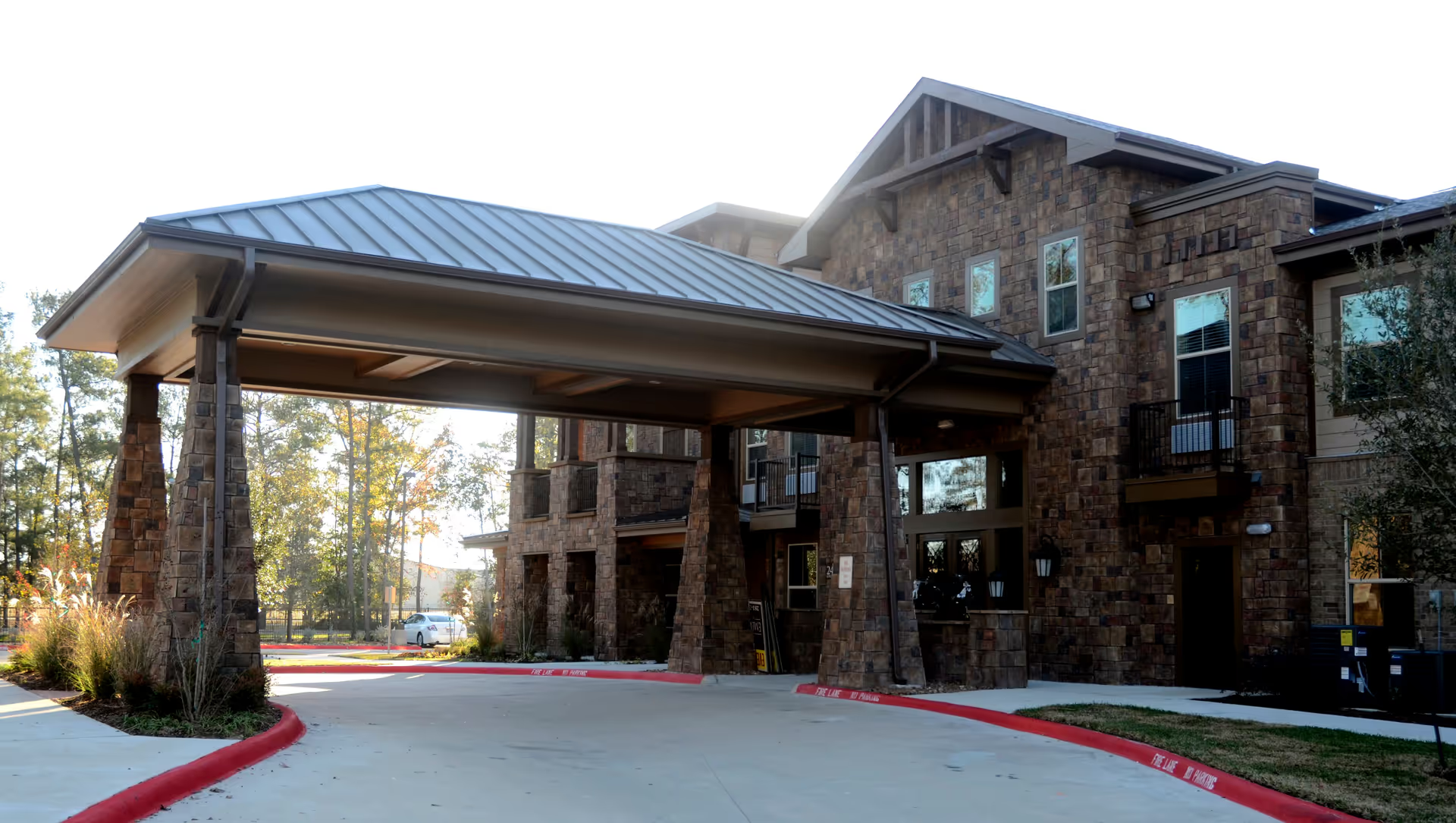
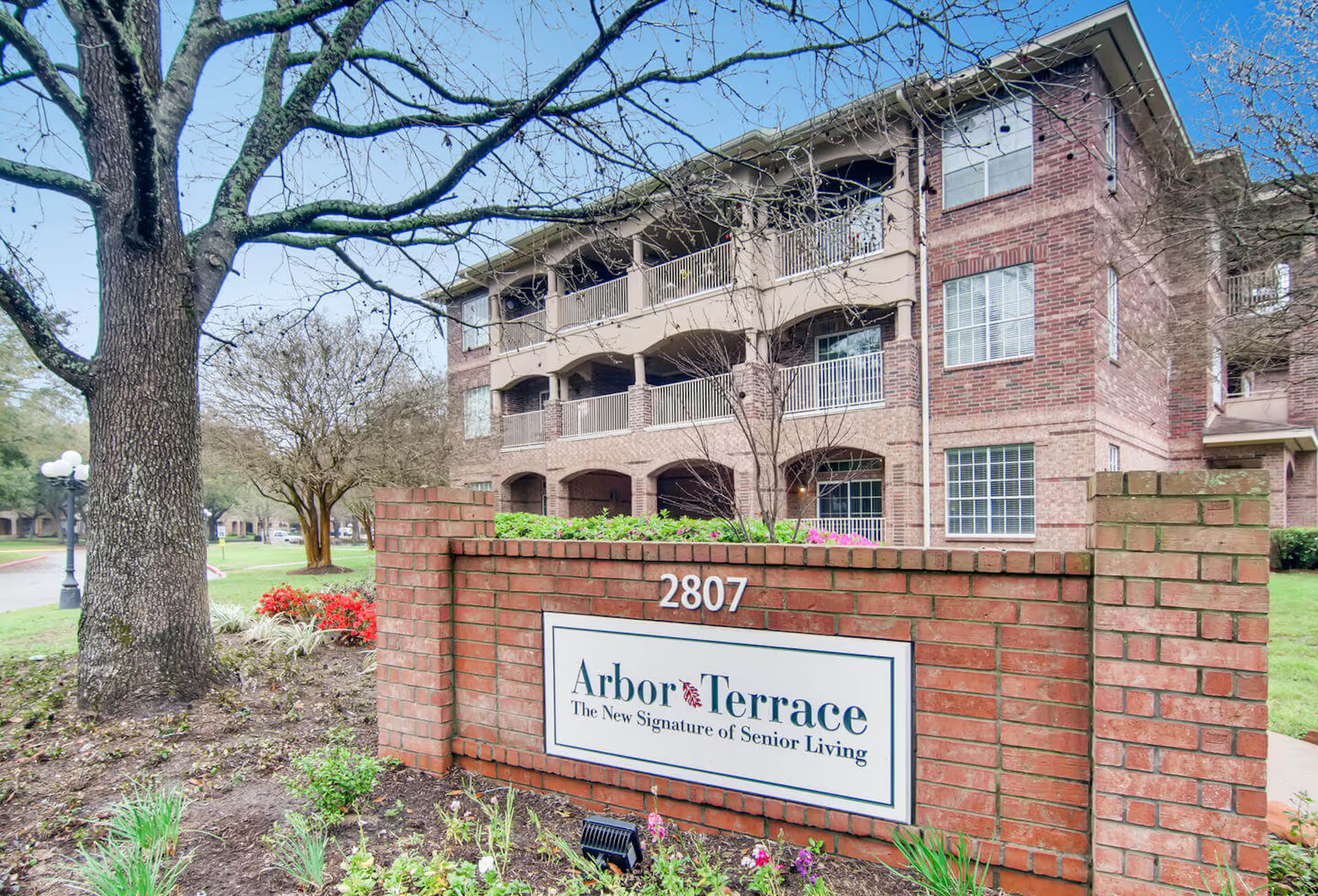
Facilities and maintenance: Physical plant attributes draw positive comments: landscaped grounds, theatre, library, salon, hobby rooms, and a range of apartment layouts. Maintenance responsiveness is described as timely in many cases, though others report delays in repairs, ignored maintenance tickets, and inconsistent housekeeping frequency. Operational infrastructure issues were raised in some reviews — limited parking or inefficient access to therapy spaces, unreliable phone service, and lack of backup power for clinical equipment in emergencies. These are practical considerations to verify on-site.
Patterns and recommendation: The dominant pattern is a high-quality social environment and many dedicated staff balanced against operational variability in staffing, dining logistics, communication, and maintenance. For families considering this community, a focused tour should include direct questions about staffing models and shift coverage, emergency and generator capabilities, dietary accommodations, written care-plan adherence, and sample billing statements. Meeting unit-level staff and observing a meal service or an activity can help determine whether the current operating practices align with the prospective resident's needs.