Overall impression: Reviews present a mixed and polarized picture. Many families describe consistently positive day-to-day caregiving—especially from CNAs and rehabilitation staff—while a substantial subset raise serious operational and clinical concerns that affect safety and continuity of care. The facility appears capable of delivering effective short-term rehabilitation and engaging activities in a clean, renovated environment, but recurring themes indicate inconsistent performance across shifts and units.
Care quality: Strengths include focused rehabilitation services and a number of nurses and aides who provide attentive, compassionate care. However, there are repeated concerns about medication management (timeliness and administration practices), wound-care follow-through, and gaps in clinical oversight, particularly during evenings and weekends. Several accounts point to delayed responses to resident needs, inconsistent implementation of physicians' orders, and readmissions related to unresolved clinical issues. Families noted variability in end-of-life comfort measures and post-discharge communication.
Staff and operations: Direct-care staff—especially CNAs and some therapists—are frequently described as caring and effective. At the same time, reviewers consistently raise operational issues: staffing ratios that leave nursing coverage thin at peak times, high staff turnover, and uneven staff competency across shifts. Weekend and night coverage is commonly cited as weaker. Administrative responsiveness is another area of concern; families reported difficulty getting timely answers, unfulfilled promises, and occasional problems with billing or admissions coordination.
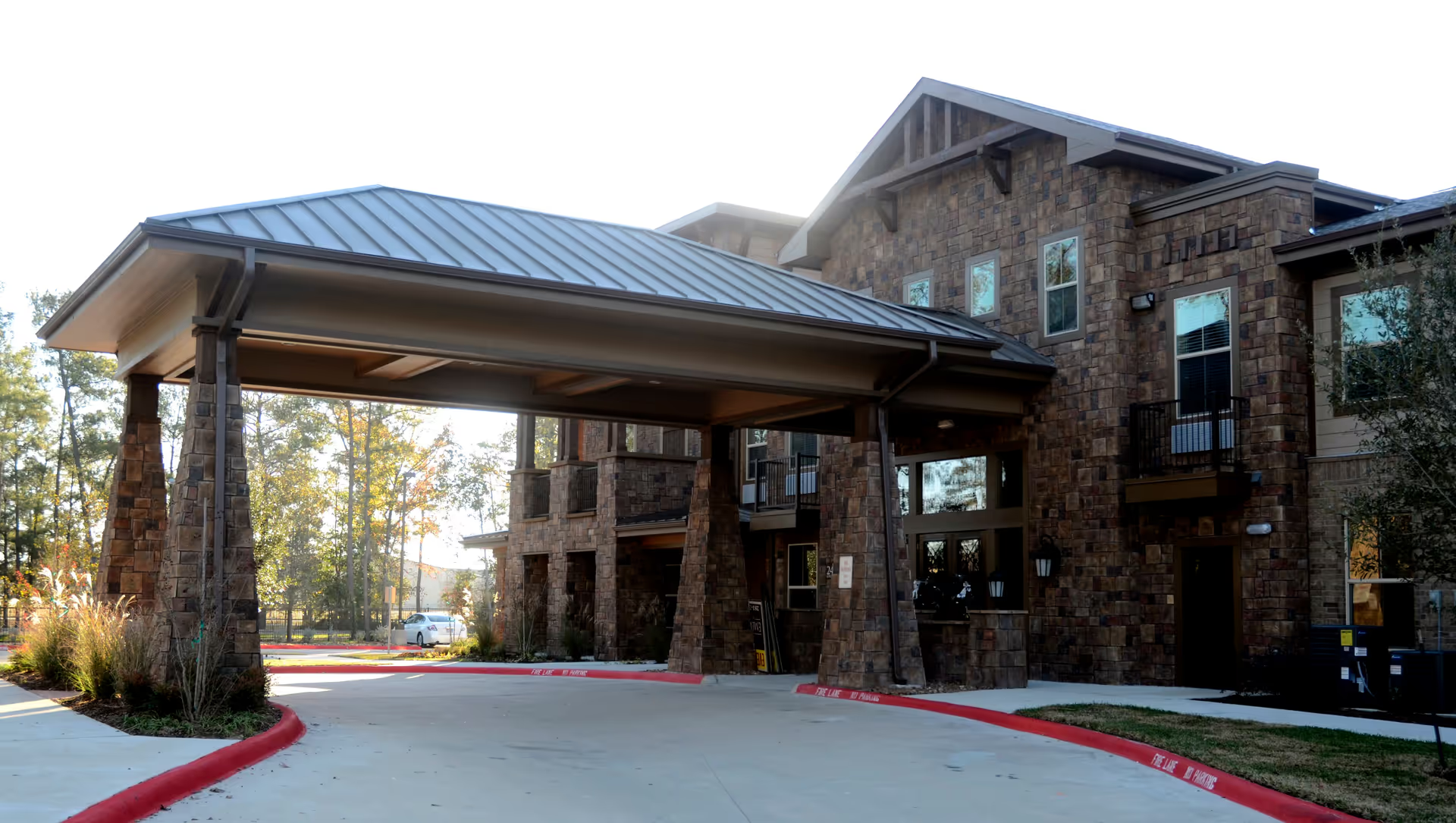
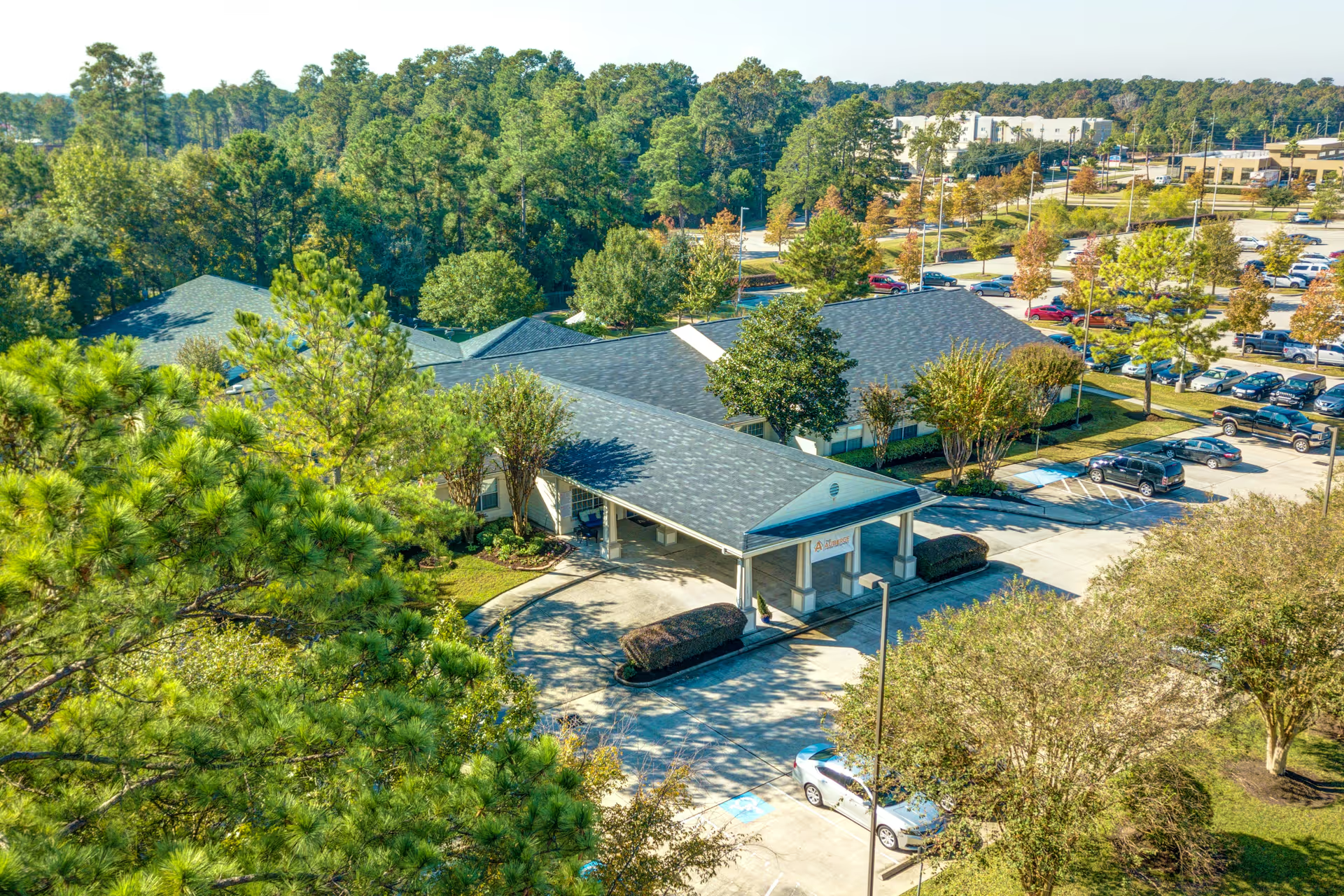
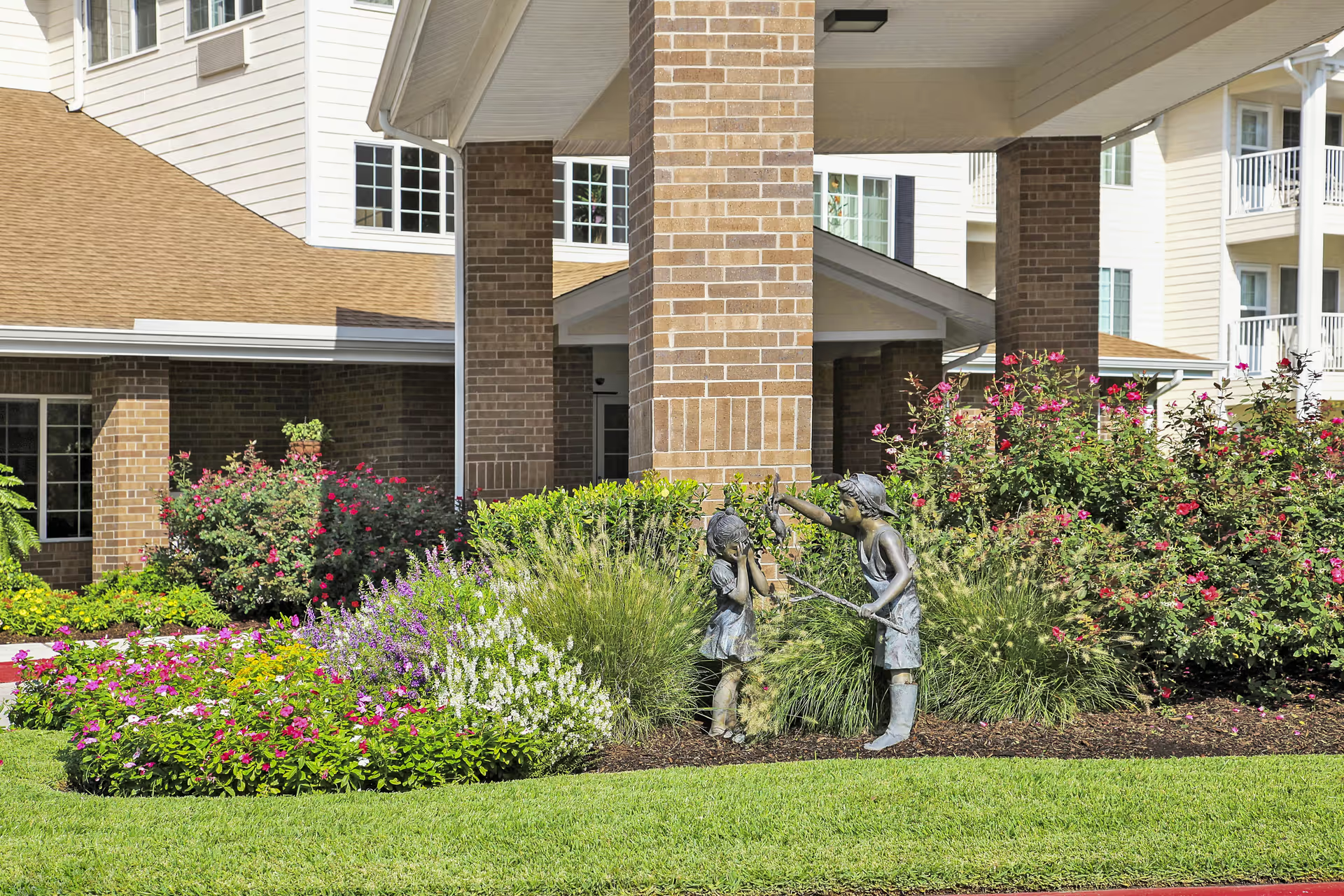
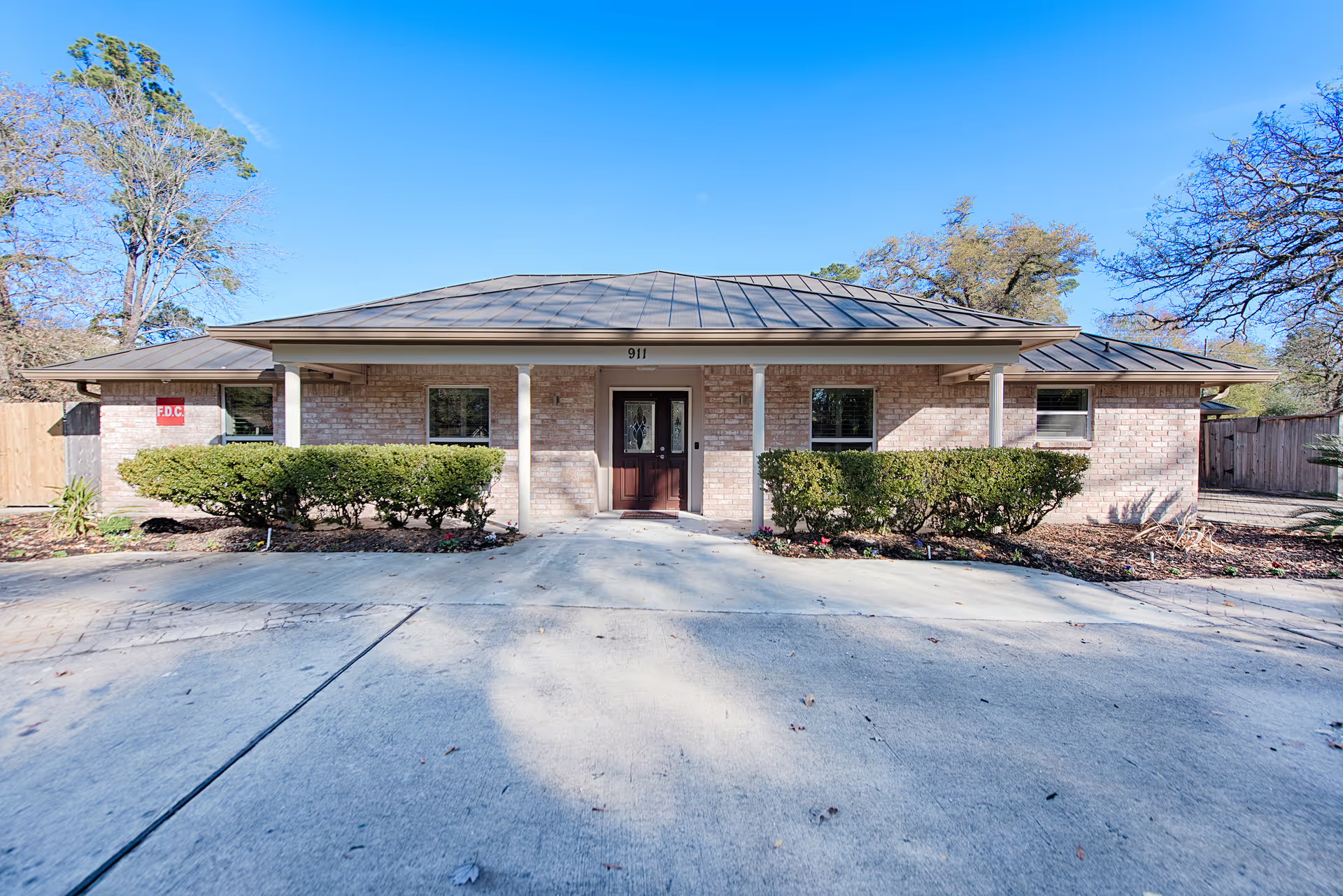
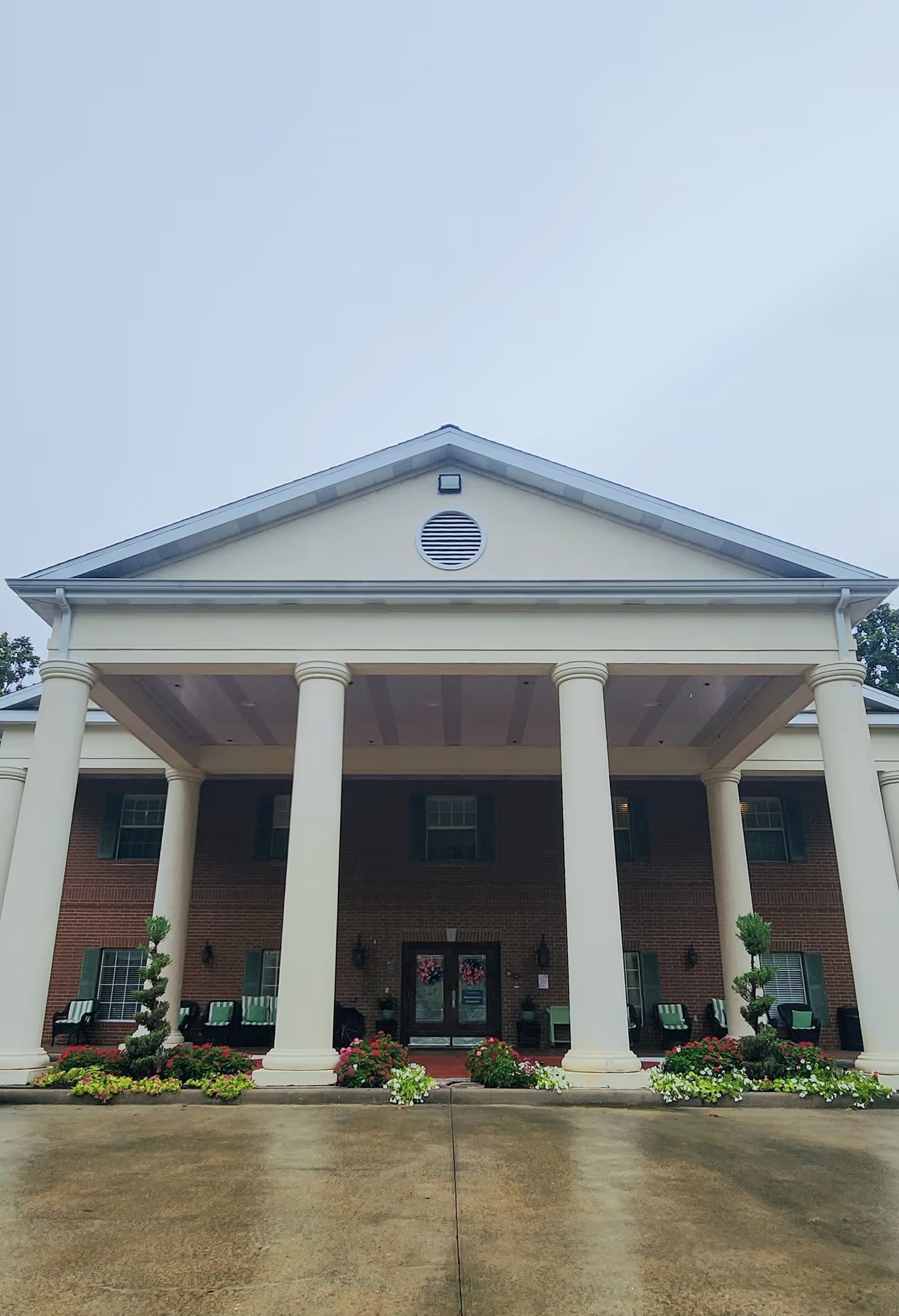
Dining, activities, and amenities: The facility’s physical environment and activity programming receive positive mentions—clean rooms, renovated common areas, a therapy gym, music and church programs, and communal spaces for dining and recreation. Food quality is described variably: some families find meals acceptable and well-managed for dietary needs, while others describe bland or inconsistent meal preparation. Maintenance responsiveness and a secure entry process are noted as strengths.
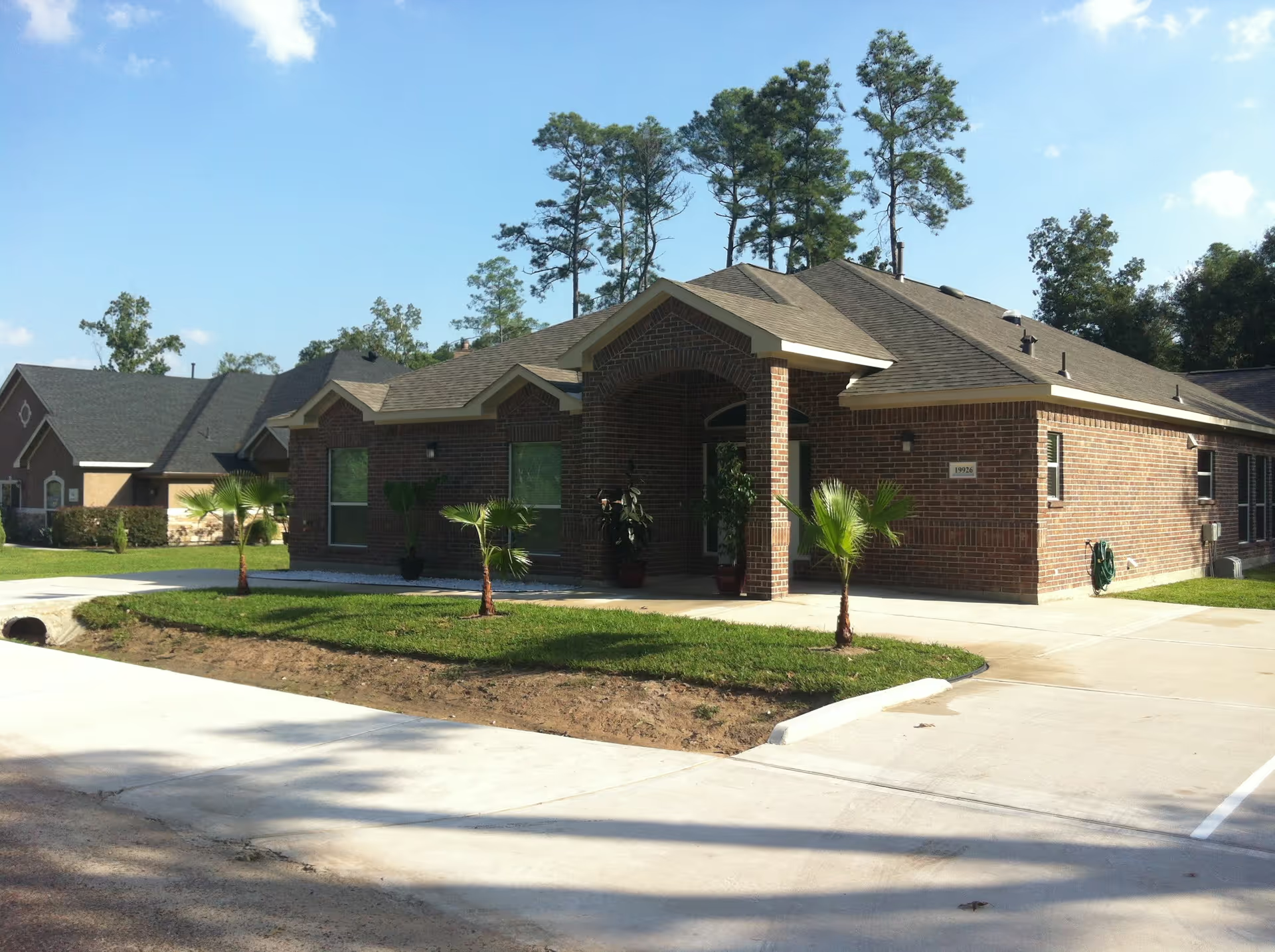
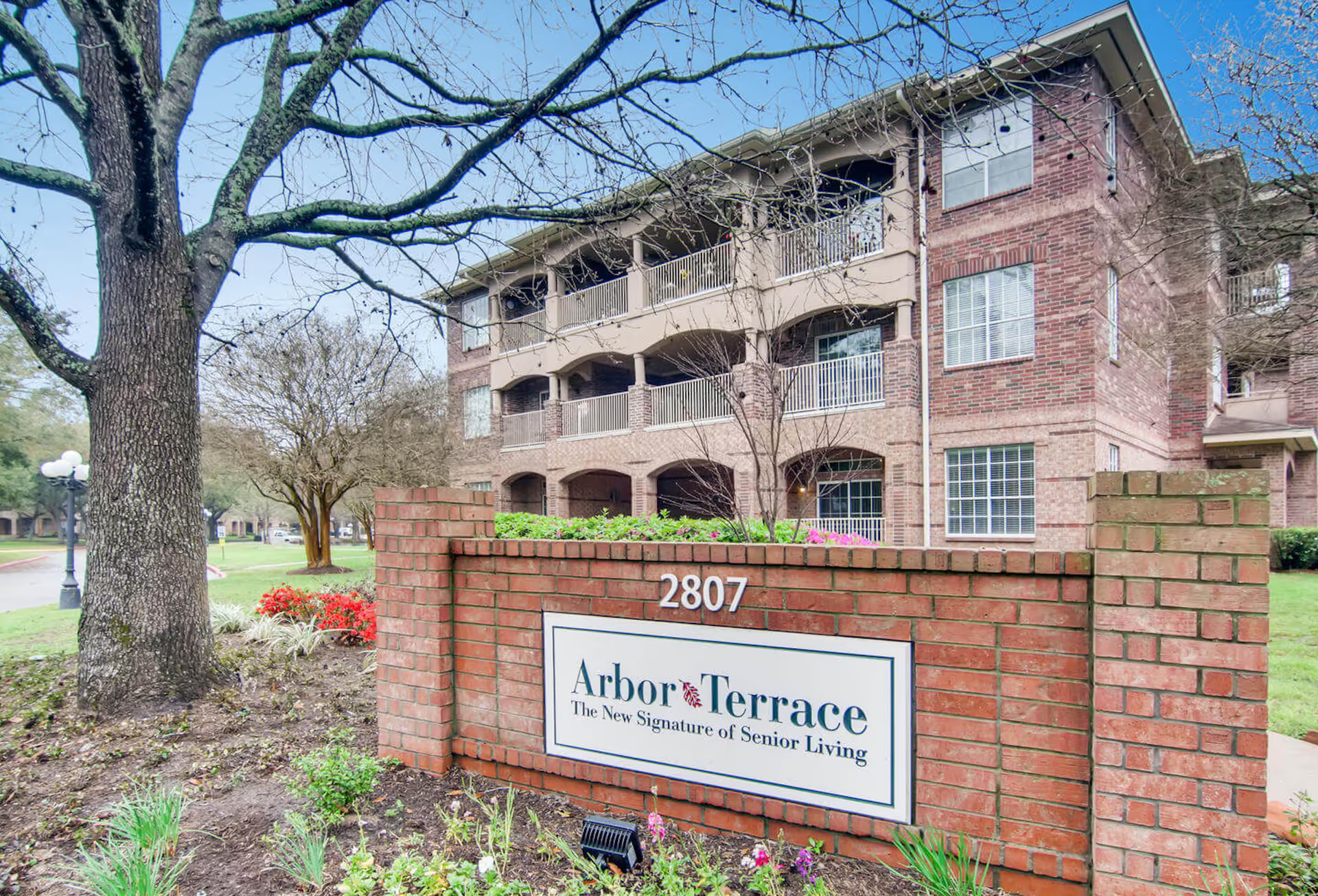
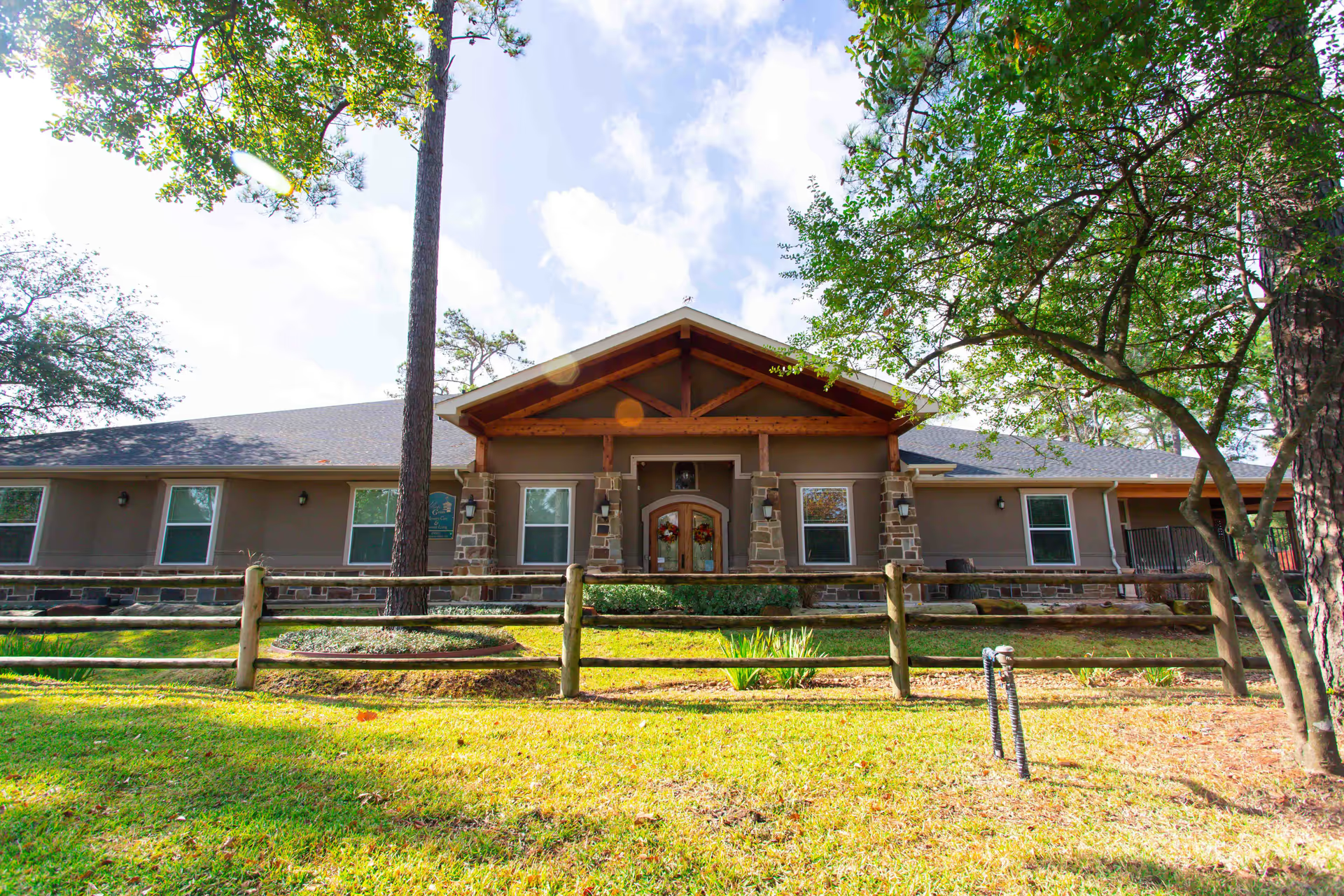
Facilities and infection control: Many reviewers praise the modernized rooms and overall cleanliness, but there are also reports of sanitation variability in some units and episodic pest-control concerns involving personal laundry or linens. Some reviewers identified missing or outdated assistive equipment and gaps in environmental supports that could affect mobility and safety.
Patterns and practical considerations: The dominant pattern is inconsistency—high-quality, attentive care occurs alongside operational lapses that can affect vulnerable residents. Families considering this facility should verify current staffing levels, weekend/night nursing coverage, specific wound- or complex-care protocols, and the facility’s processes for medication administration, fall prevention, and discharge follow-up. Asking for recent inspection results, therapy schedules, and examples of how the facility handles clinical escalation may clarify whether the site’s strengths are likely to match an individual’s care needs.
Bottom line: Kingwood Rehabilitation & Healthcare Center demonstrates clear strengths in rehabilitation, caregiving from many frontline staff, and facility upkeep in several areas. These positives coexist with recurring, facility-level weaknesses in staffing consistency, clinical oversight, communication, and certain aspects of personal-care and infection-control follow-through. Prospective residents and families should weigh the facility’s rehabilitation and social-program advantages against the operational risks highlighted, and pursue targeted questions and visits to confirm current performance.