Reviewer feedback for Legend Oaks Rehabilitation and Healthcare — Kyle is notably polarized: a substantial portion of families and residents praise the facility’s clinical therapy offerings, many frontline caregivers, and the social work/discharge resources, while a sizeable set of reviews raise operational and clinical reliability concerns. Prospective families will see recurring strengths in therapy outcomes (physical, occupational, speech), individualized activity programming, and staff members who are described as compassionate and supportive. Several reviewers specifically highlighted effective social-work coordination, smooth discharges when those systems function well, and transportation or community‑access options that support resident engagement.
Care quality is uneven according to the aggregated comments. Strengths include strong rehabilitation therapy programs and clinicians who facilitate measurable progress for many residents. However, recurring operational issues affect clinical reliability: medication administration problems, pharmacy/insurance coordination delays, and inconsistent monitoring of acute changes (including delayed or absent neurologic checks and slow responses to falls) are prominent themes. A number of families said the facility managed routine post‑acute rehabilitation well but may be less well suited for higher‑acuity medical needs without hospital transfer or additional oversight.
Staffing and staff conduct emerge as a mixed picture. Many reviews single out individual nurses, aides, therapists, and administrative staff as caring, knowledgeable, and available; named staff received strong praise. Counterbalancing that are frequent descriptions of long response times to call bells, perceived prioritization problems during busy periods, staff use of personal devices while on rounds, and inconsistent supervision of less experienced aides. These patterns point to staffing levels and frontline training/supervision as key operational risk areas.
Dining and activities are frequently cited as positives, with multiple mentions of engaging programming tailored to varying abilities, pleasant dining spaces, and generally appealing meals. That said, there are also comments about inconsistent meal quality and interruptions in meal service for some residents, so food service reliability appears variable across stays.
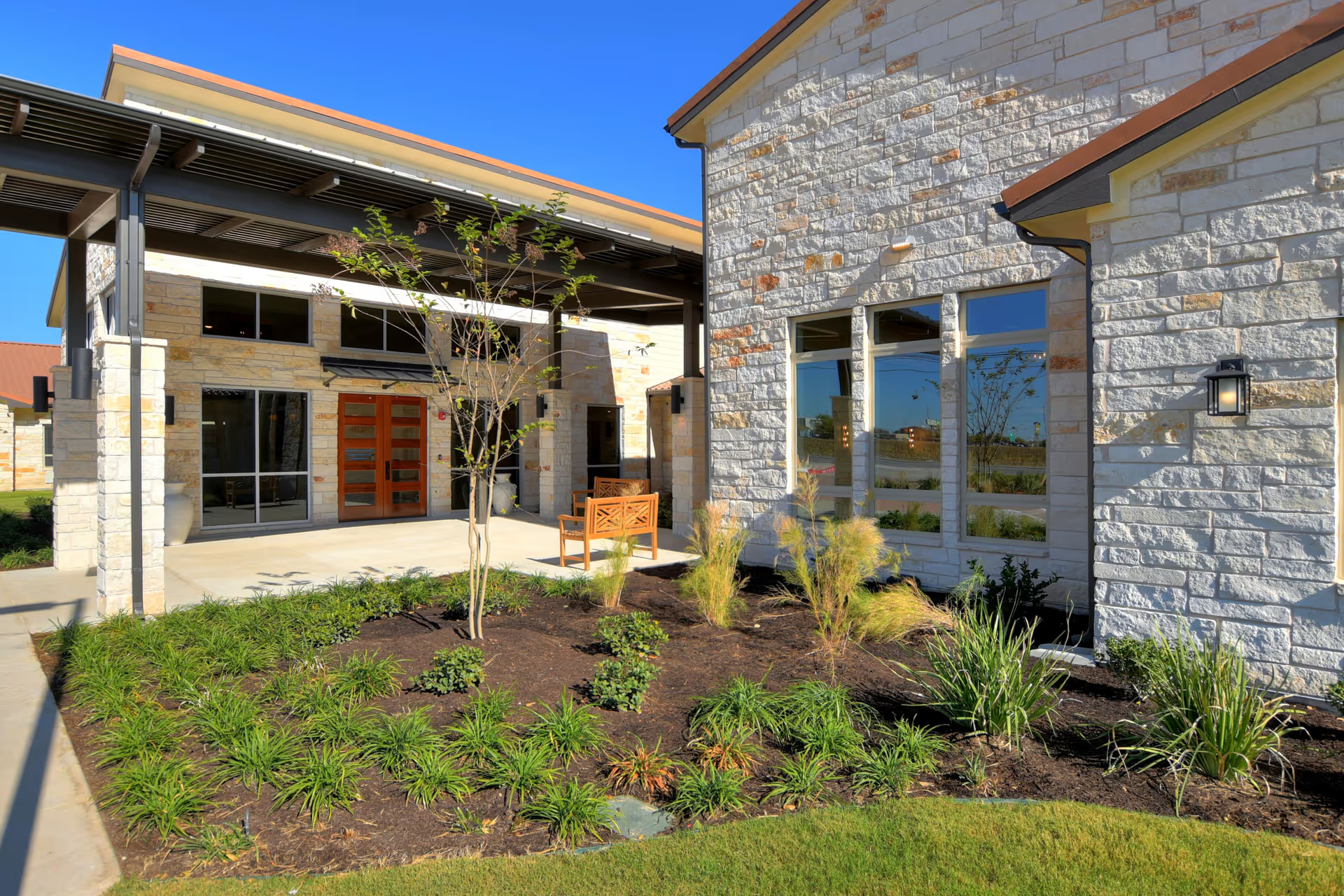
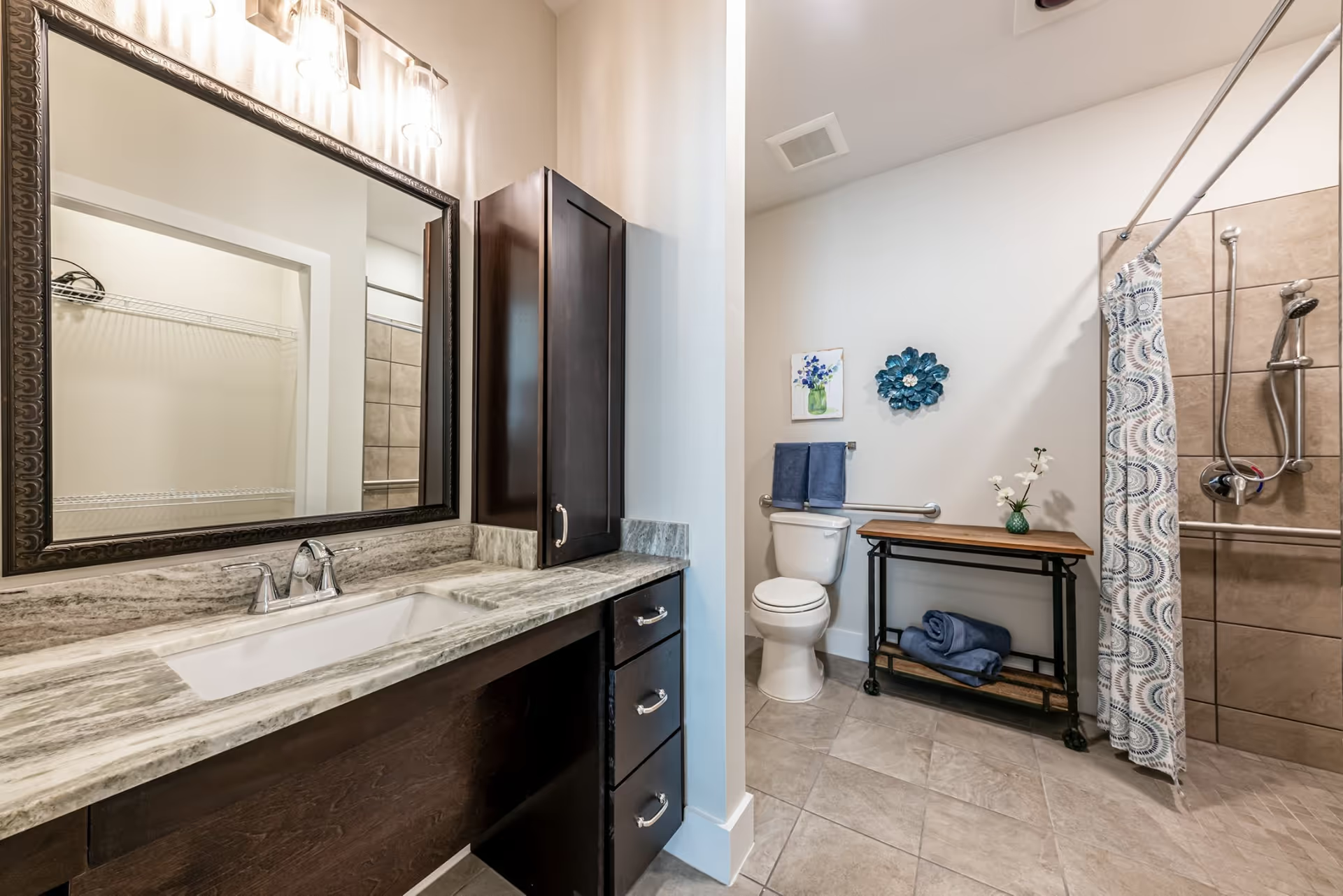
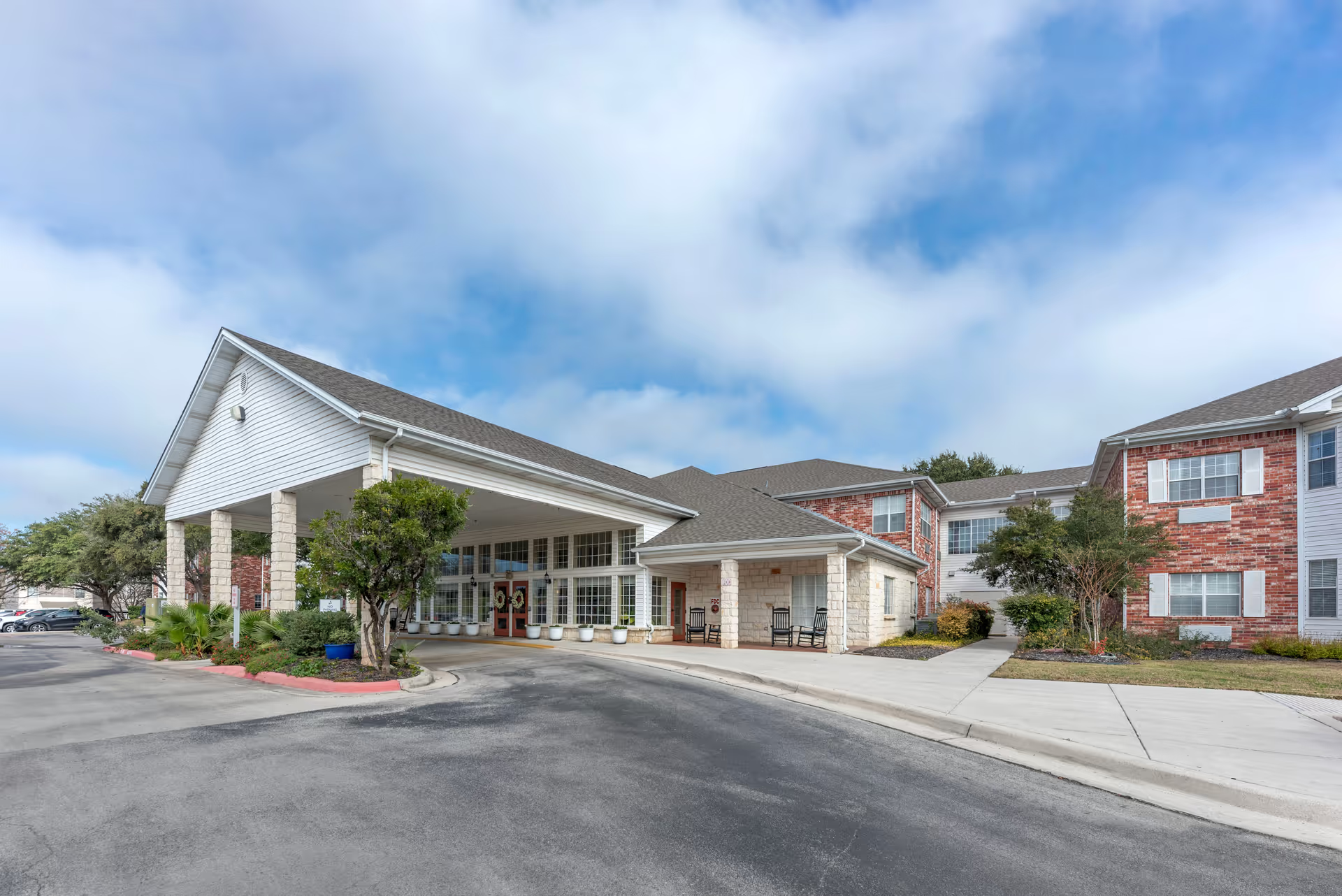
Facility environment and housekeeping receive both favorable and critical remarks. Many families described clean, welcoming common areas, comfortable rooms, and pleasant outdoor views. Others raised sanitation and odor concerns in certain units, inconsistent housekeeping performance, and variable upkeep between rooms, indicating inconsistency in environmental services quality.
Management and communication show mixed performance. Positive accounts note helpful admissions staff, effective social workers, and available leadership during some stays. Conversely, significant concerns include weak cross‑team communication, poor family updates after clinical incidents, and lapses in admissions/discharge planning during busy periods. A limited number of reviews raise serious individual allegations and concerns following a resident’s death; such claims suggest a need for transparent follow‑up and formal review where appropriate.
Overall pattern and considerations: the facility offers substantial strengths for typical post‑acute rehabilitation and social engagement, with several staff and programs that families value. At the same time, persistent themes around medication and clinical process reliability, inconsistent housekeeping and personal‑care delivery, and variable communication point to operational areas requiring attention. Prospective residents and families should weigh the strong therapy and activity offerings against the facility’s variability in responsiveness and clinical oversight. Practical steps for families considering admission include asking about current staffing ratios, medication‑administration and incident‑reporting protocols, examples of recent quality‑improvement actions, and clarification of the facility’s capacity to manage higher‑acuity medical needs.