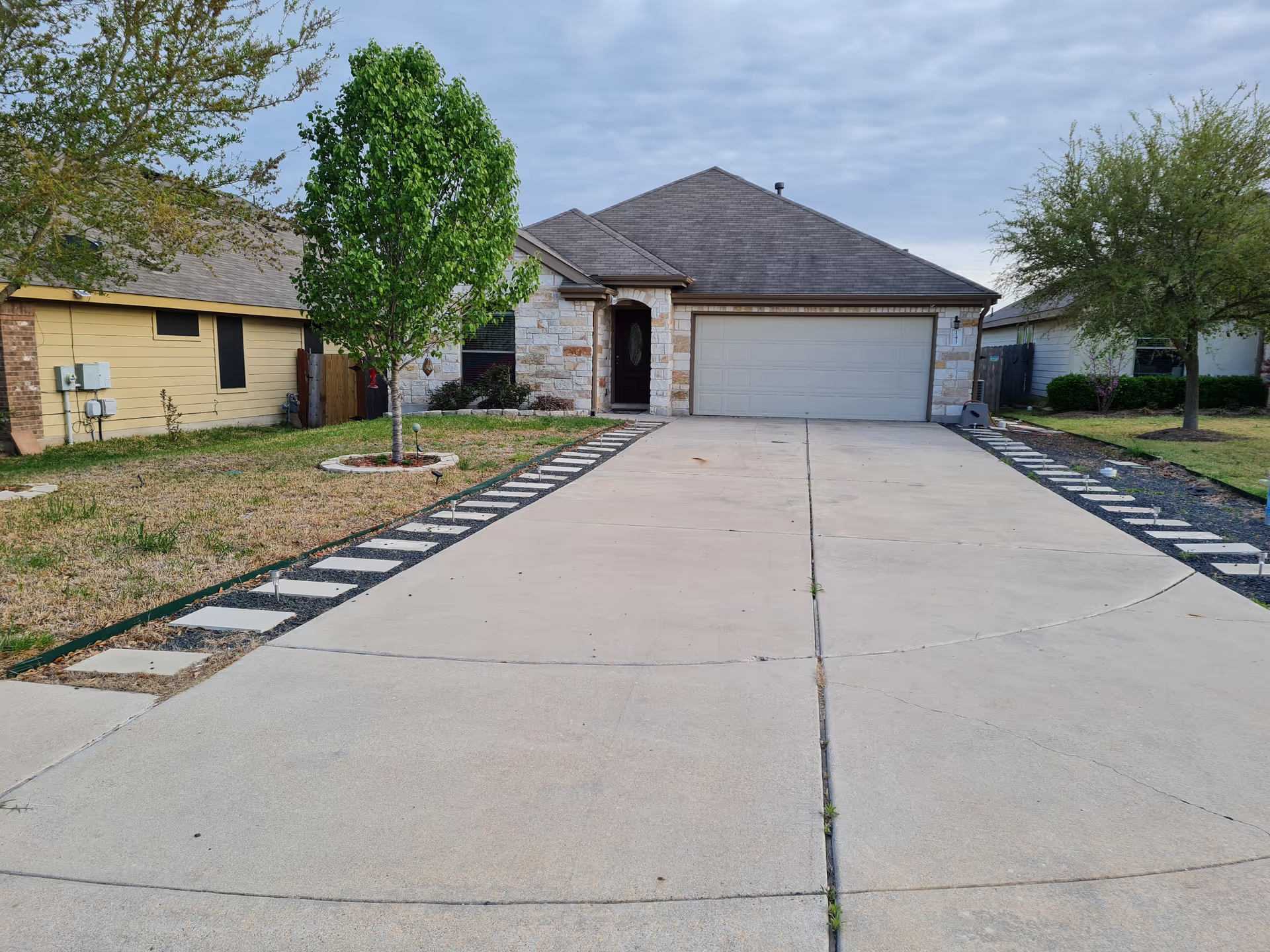
Overall impression: Reviews of New Haven Assisted Living and Memory Care of Kyle present a mixed but actionable picture. Many families and residents praise the facility’s small, home-like atmosphere, visibly engaged leadership, and a caregiving staff described as compassionate and attentive. At the same time, there are recurring operational weaknesses that prospective residents and families should evaluate closely before committing.
Care and staff: Care quality is characterized by notable variability. Numerous accounts highlight staff who go above and beyond, prompt assistance when called, and a nurse-led administrative presence that many families find reassuring. However, staffing shortages, frequent turnover, and uneven clinical coverage were commonly described. These patterns have been associated with inconsistent delivery of daily personal care, medication-administration concerns, and delays in responding to changes in residents’ medical or behavioral needs. There are also specific, serious family concerns about the facility’s ability to manage complex behavioral and cognitive challenges; these underline the importance of clarifying clinical capabilities for residents with higher-acuity needs.
Dining: Dining receives polarized feedback. Several reviewers complimented individual chefs and kitchen staff for accommodating diets, preparing appealing meals, and contributing to a family atmosphere. Conversely, other reviewers reported inconsistent meal quality, menu deviations, and occasions when food service did not meet expectations. Prospective residents should request current menus, sample meals if possible, and ask about contingency plans for consistent meal service during staffing fluctuations.
Activities and facilities: The facility’s small scale supports a range of social and recreational programs — bingo, music, crafts, exercise and gardening were repeatedly mentioned — and many families appreciate the engaging activities director. Physical facilities are frequently described as attractive, clean, and well maintained, with spacious rooms, private bathrooms, on-site salon services, and pleasant outdoor spaces. A few reviewers noted environment-related issues such as dim lighting for residents with low vision and limited dedicated therapy or rehabilitation space; these are relevant for residents with specific sensory or therapy needs.
Management, communication, and policies: Leadership garnered mixed evaluations. Some families named administrators positively and noted a visible, hands-on presence and strong emergency responsiveness. At the same time, communication gaps with families, inconsistent responsiveness to inquiries, and problems with financial or refund communications were recurring concerns. There are also indications of challenges coordinating hospice and end-of-life care in some situations. Given these mixed signals, confirm contract terms (including refund policy), escalation pathways, and how the facility coordinates hospice and outside clinical services before moving in.
Notable patterns and practical recommendations: The dominant positive themes are a warm, small-community culture, committed caregiving staff, and attractive physical amenities. Dominant concerns center on operational consistency — staffing stability, reliable housekeeping, dining consistency, medication and clinical coverage, and family communication. Prospective families should (1) verify current staffing ratios and turnover statistics, (2) ask for specifics on clinical coverage and medication management protocols, (3) review sample menus and meal-service contingency plans, (4) inspect housekeeping and sanitation practices during a visit, (5) clarify hospice and end-of-life care procedures, and (6) get contract and refund terms in writing. Those steps will help determine whether the facility’s strengths align with an individual resident’s care needs and expectations.