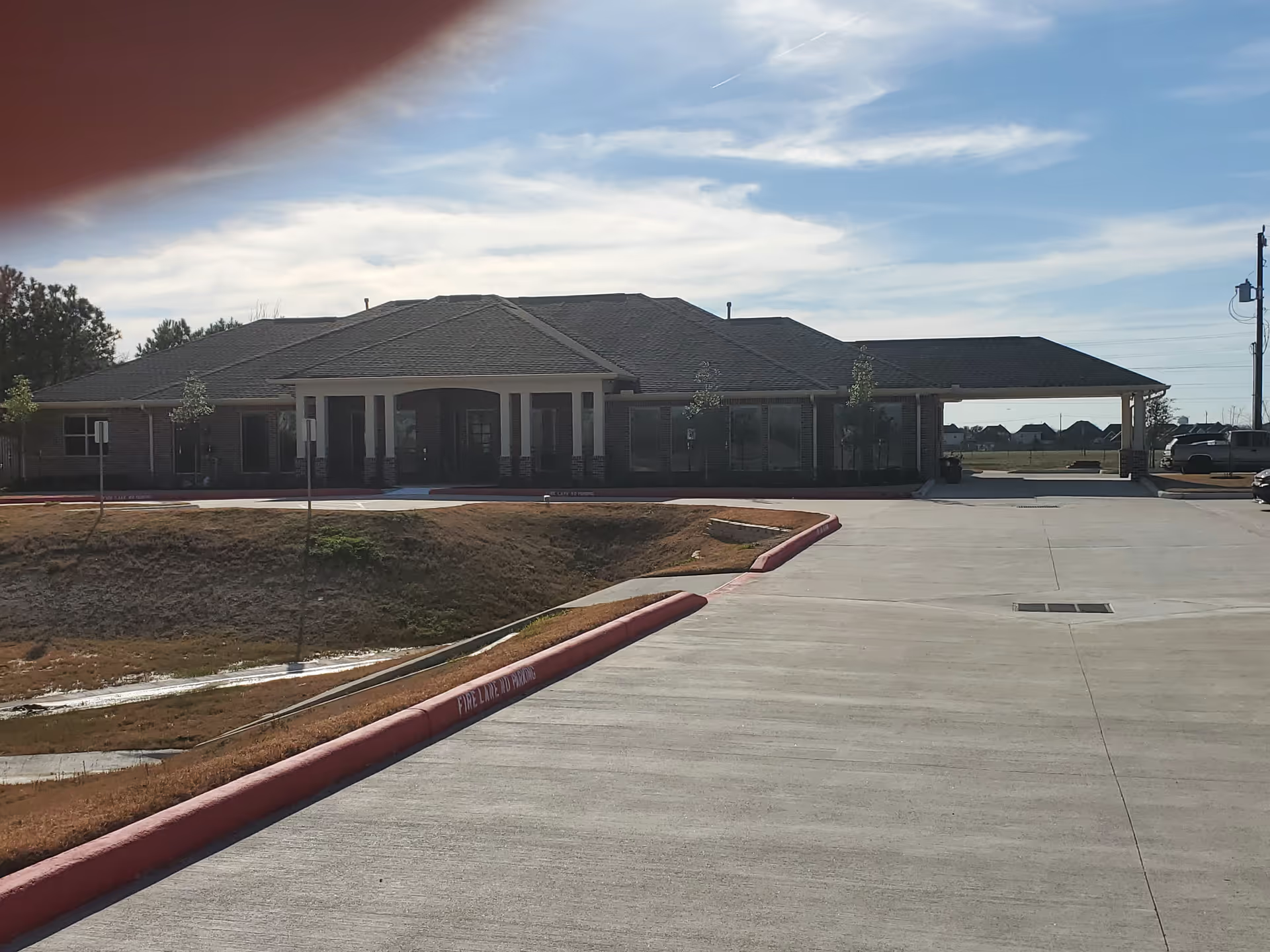
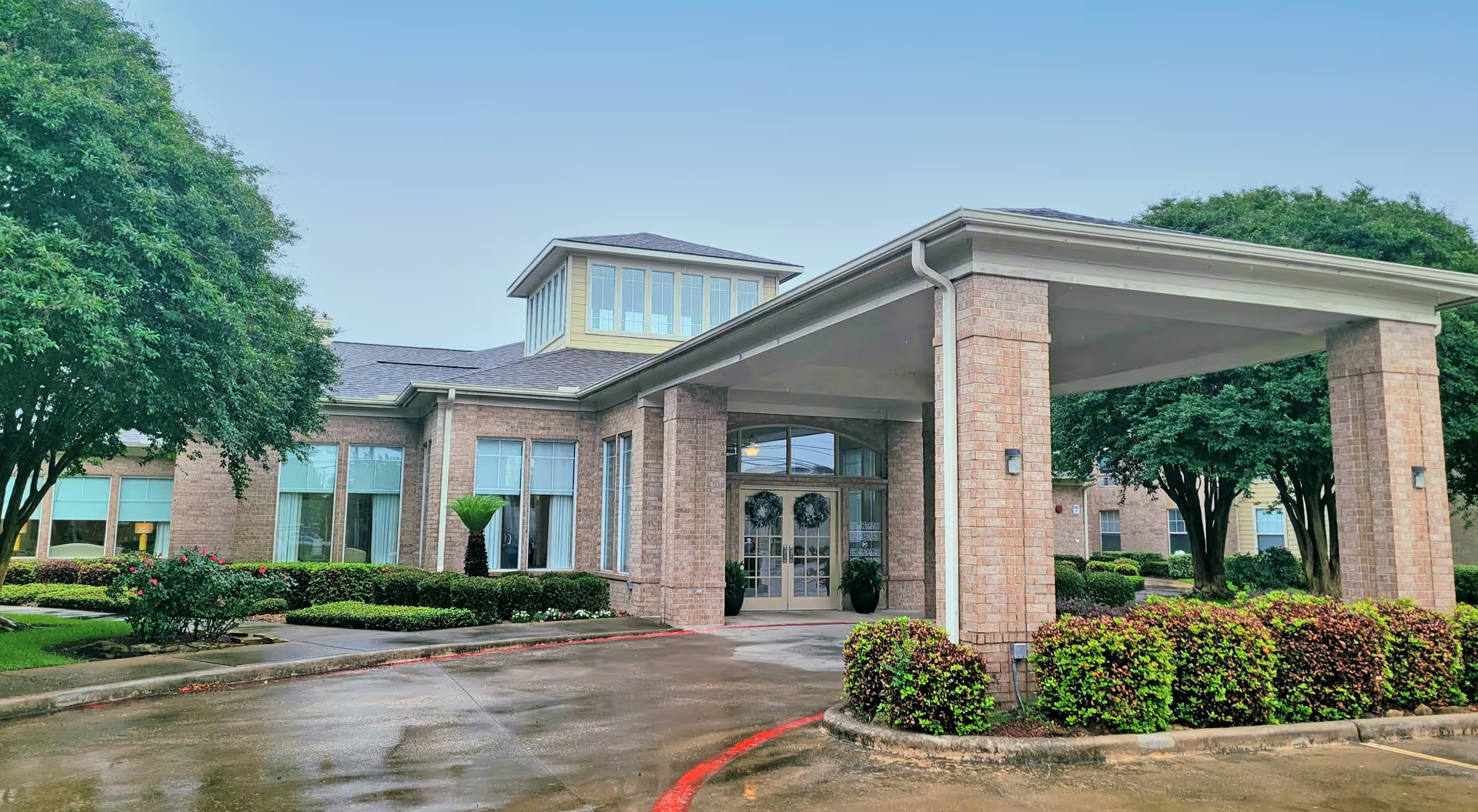
The reviews for Bay Ridge Healthcare Center present a polarized picture: many families and visitors praise the facility’s hospitality, cleanliness, meals, and some individual caregivers, while others raise significant operational and clinical concerns. This split suggests that experiences vary substantially by unit, shift, or resident acuity. Prospective families will find evidence of strengths—particularly around food quality, several engaged staff members, visible facility improvements, and a warm, home-like atmosphere—alongside patterns that warrant careful inquiry before placement.
Care quality is described inconsistently. Positive accounts note attentive, affectionate caregiving and an active therapy presence. Contrasting accounts identify operational weaknesses: delayed responses to resident needs, inconsistent clinical oversight, and notable gaps in wound/pressure-injury management and feeding-tube procedures. These issues point to variability in clinical reliability rather than a uniformly poor or uniformly excellent standard of care. Families should ask for current clinical staffing ratios, wound-care protocols, and examples of oversight and quality-improvement efforts.
Staff performance is similarly mixed. Numerous reviews single out staff members and administrators for exceptional support, compassionate interactions, and smooth admissions coordination. At the same time, other reviews describe variable professionalism, communication tone concerns, significant turnover or many new staff, and allegations of inappropriate staff conduct including financial misconduct. Understaffing and morale fluctuations are recurrent themes that can affect responsiveness and consistency of care.
Dining and activities are frequently cited as strengths and weaknesses simultaneously. Food quality is often praised; however, some reviewers describe operational bottlenecks in the dining room, long waits, and limited snack/drink availability between meals. Activity programming exists—bingo, card games, crafts, dancing—but engagement levels vary, with several accounts indicating a TV-dominant environment at times. Prospective residents should assess the daily activity schedule and observe a mealtime during a visit.
Facility and management themes are mixed. Many reviewers describe clean, well-maintained common spaces and recent upgrades to décor, while others note the building is older, rooms are small, and private in-room bathrooms are not available in shared rooms. Temperature-control access and infection-control practices (including pandemic response) were called out as inconsistent in some accounts. Administrative change of ownership and management turnover were mentioned; some families saw visible improvements under new leadership, whereas others experienced delays in communication, Medicaid processing, and incident reporting.
Taken together, the pattern is one of uneven performance with clear strengths in hospitality, certain caregiving staff, and facility presentation, counterbalanced by operational and clinical reliability concerns. For families considering Bay Ridge, recommended due diligence includes an in-person tour at different times of day, direct questions about staffing levels and turnover, review of wound and feeding-tube care protocols, clarification of incident-notification procedures, examination of dining logistics, and confirmation of Medicaid/billing timelines. Those steps can help determine whether the facility’s positive attributes align with an individual resident’s care needs and safety expectations.