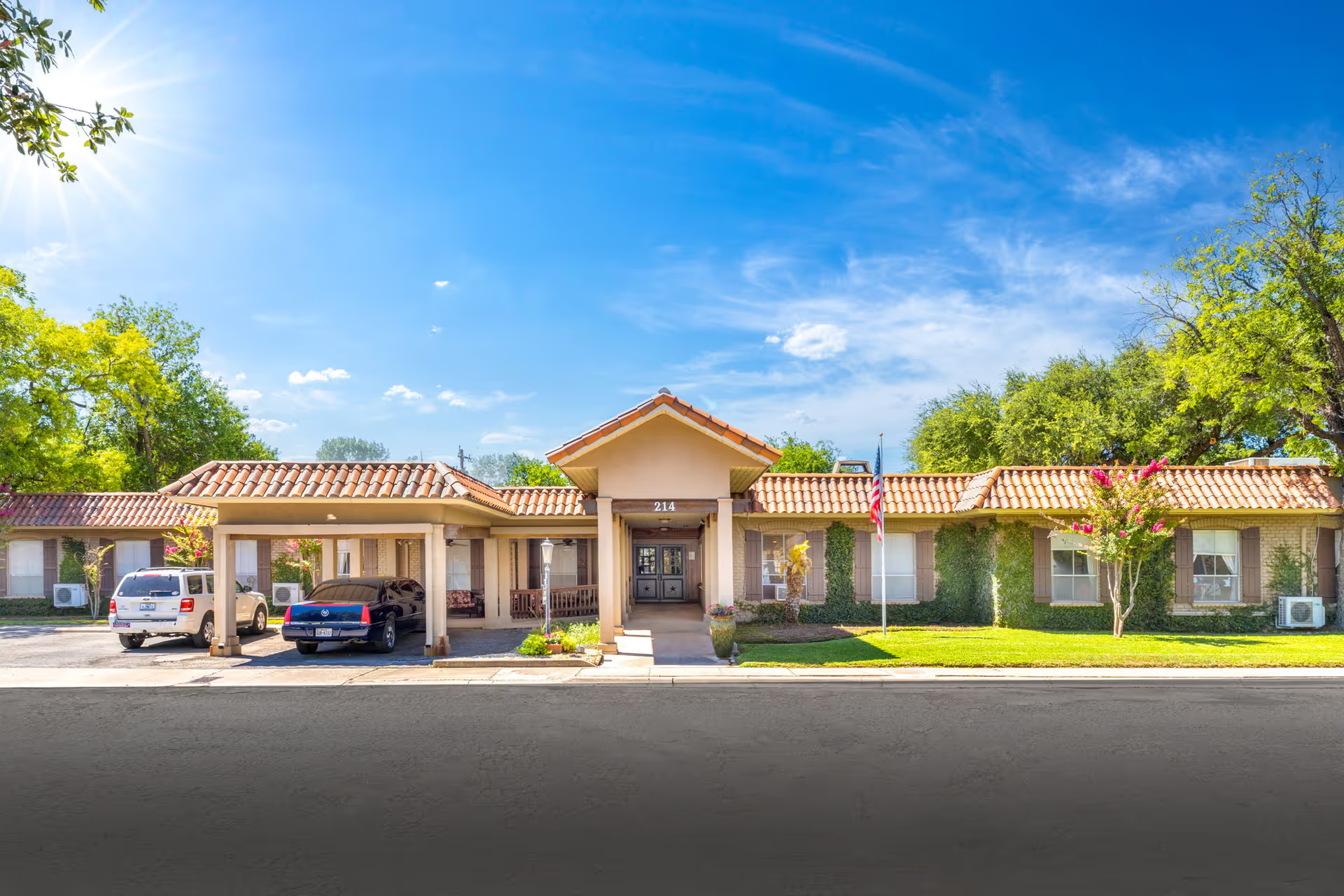
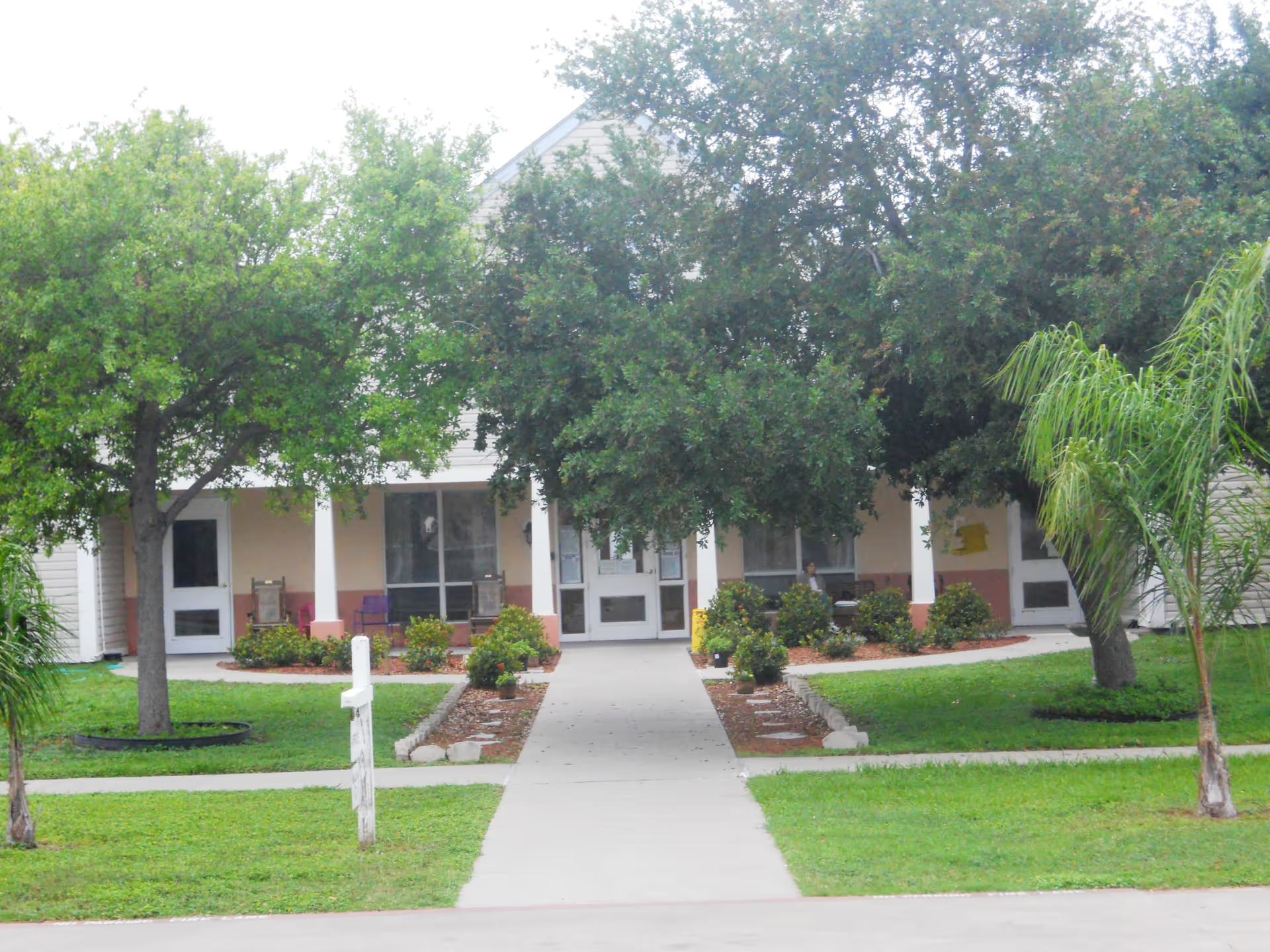
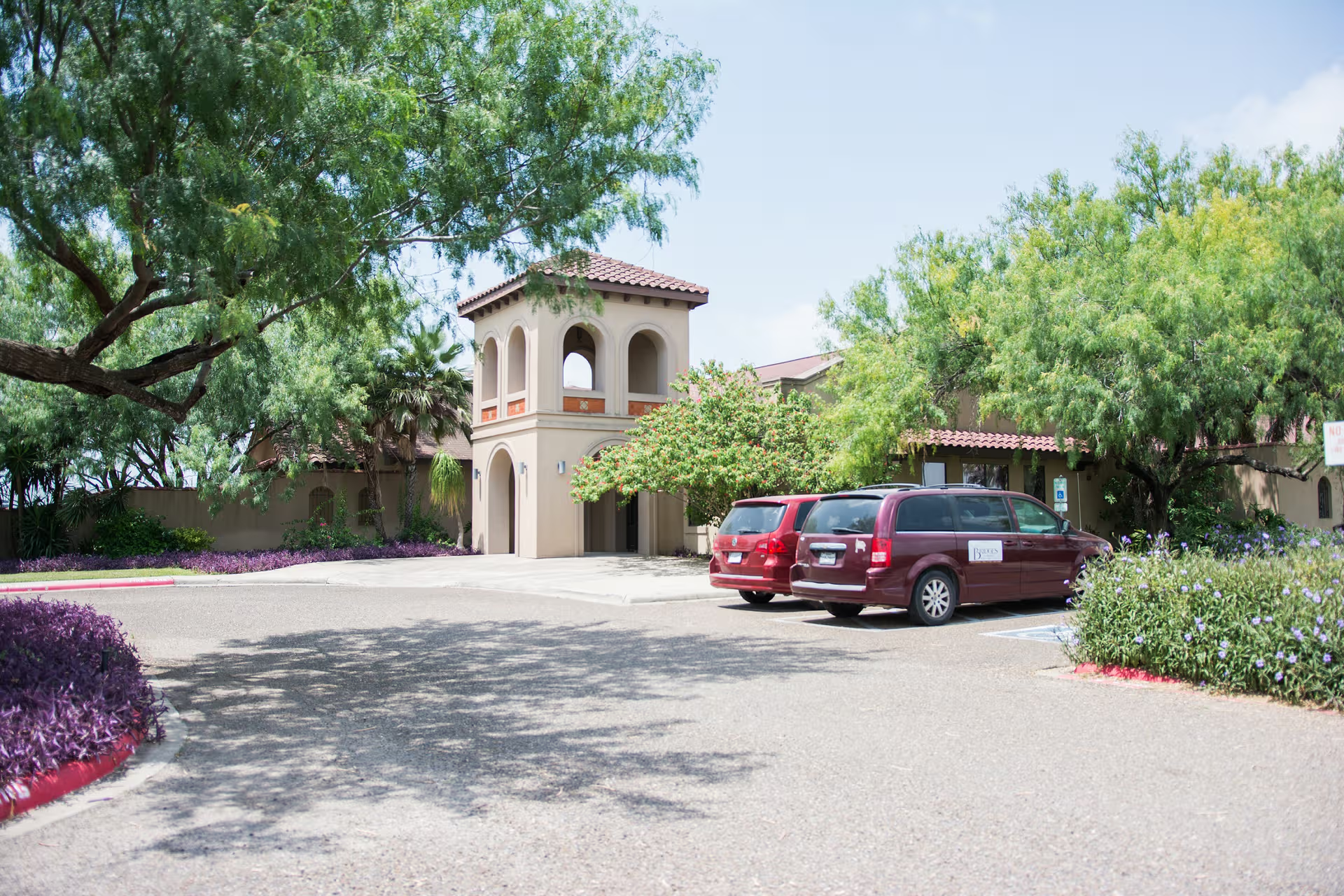
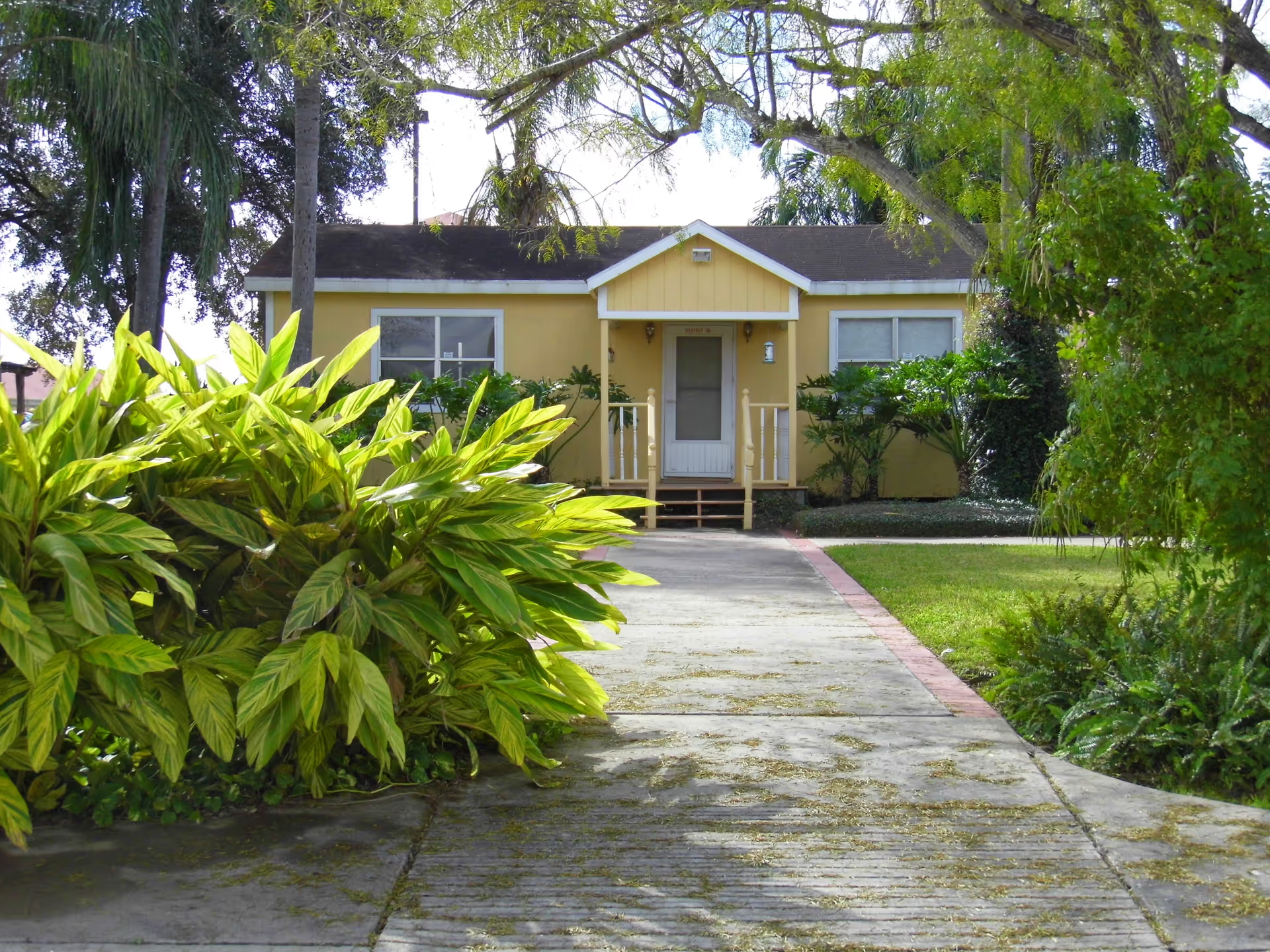
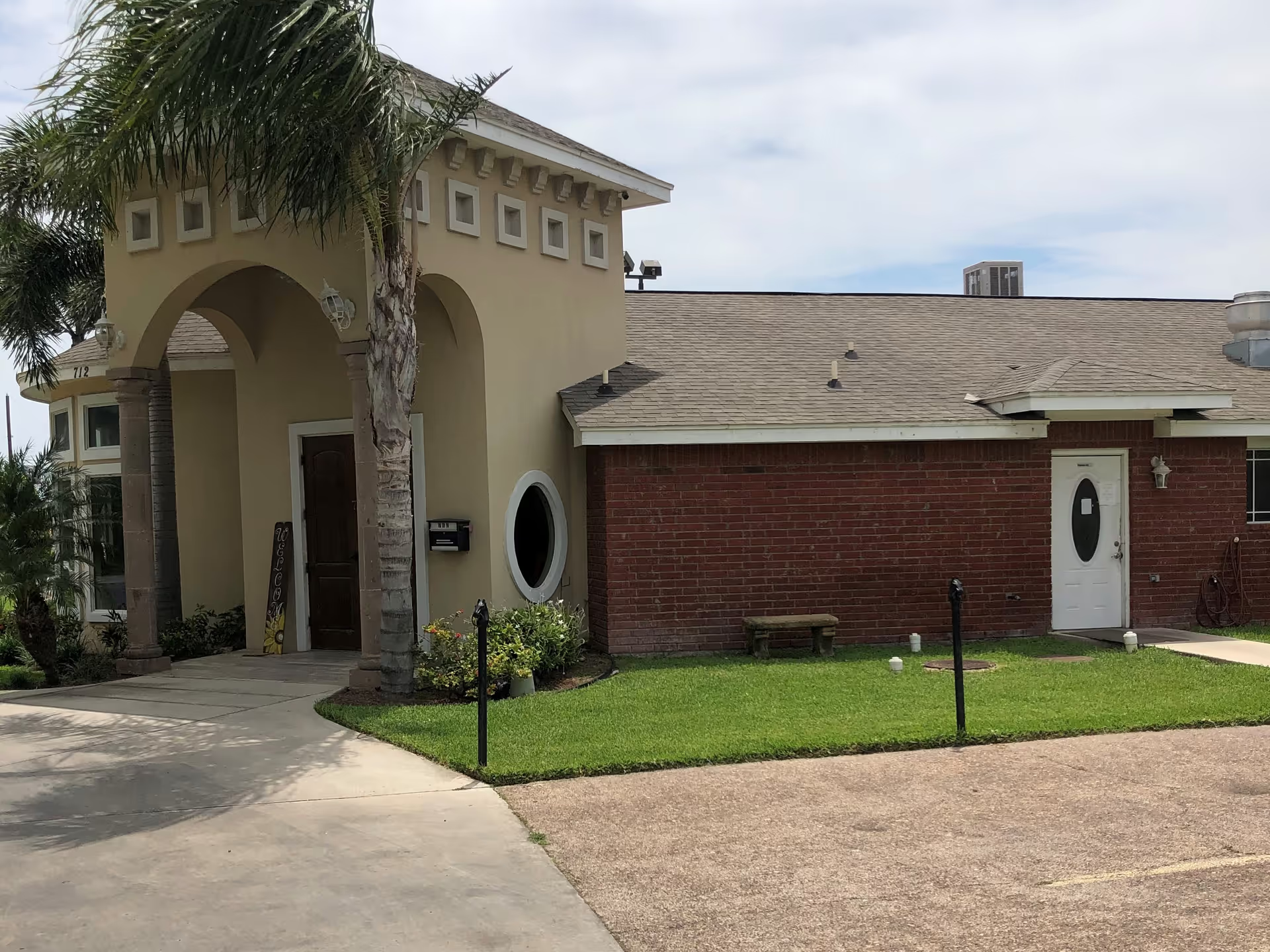
Overall impression Laredo Nursing and Rehabilitation Center elicits strongly polarized but consistent themes. Many families and visitors describe a clean, modern facility with well-kept rooms and attentive housekeeping; residents are commonly described as groomed and the environment as neat and welcoming. Nursing, therapy, and direct-care staff receive frequent praise for compassion, clinical skill, and effective occupational/physical therapy. Admissions and concierge personnel are often described as helpful, and the facility’s security/entrance screening and decor are noted positively.
Care quality and staff Clinical care and therapy services are highlighted as strengths. Numerous descriptions emphasize attentive nurses, caring CNAs, meaningful therapy sessions, and prompt responses for routine needs. At the same time, there is a recurring pattern of inconsistent experiences: some families describe staff who are distant or unhelpful, and others describe delays in attending to resident needs. Reviewers raise operational concerns tied to staffing levels and turnover that can create variability in responsiveness and continuity of care. Communication lines between treating physicians, social work, and family members are uneven — some families receive clear updates while others describe poor communication or lack of proactive physician outreach.
Dining and activities Meal quality and the dining environment are generally viewed positively. Several accounts describe balanced, homemade-style meals and an enjoyable dining atmosphere with music and social interaction. The activity program is also frequently cited as a positive, with organized events and regular engagement opportunities for residents. There are occasional notes that activities or privileges were changed or restricted for specific residents; families may wish to clarify activity schedules and participation policies on admission.
Facilities and operations The facility’s physical plant earns consistent praise for cleanliness, modern equipment at the entry, and attractive common areas. However, operational limitations appear in a few areas: constrained shower/bathing capacity or equipment, inconsistent hallway/room maintenance in isolated instances, and limitations in mobility-transportation support (wheelchair transport/customization) that can affect resident outings or transfers. Package and mail handling processes are another operational area of concern; multiple accounts indicate unclear procedures, withheld packages, or full mailboxes that complicate family communication and logistics.
Management and notable patterns Management-related themes center on resource allocation and communication. Reviewers attribute some operational gaps to staffing shortages, perceived focus on managerial incentives, and turnover; these factors are described as contributing to inconsistent service levels. More serious individual concerns include gaps in end-of-life care coordination and questions about information-sharing with families. There are also mentions of lengthy or confusing admission processes for some families. While many community members highly recommend the center, these management and communication traits are important patterns to consider.
Practical considerations for families Given the mix of positive clinical care and uneven operational experiences, prospective residents and families should consider in-person visits and targeted questions before admission. Key items to confirm include staffing ratios and turnover, how the facility communicates clinical updates (including physician outreach), showering and mobility assistance capacity, package/mail policies, and expectations for activities and visitation. Clarifying admission timelines and escalation pathways for concerns can help set expectations. Overall, the facility demonstrates strong clinical and therapeutic capabilities and a welcoming environment for many families, but operational and communication practices may produce variable experiences depending on staffing and case circumstances.