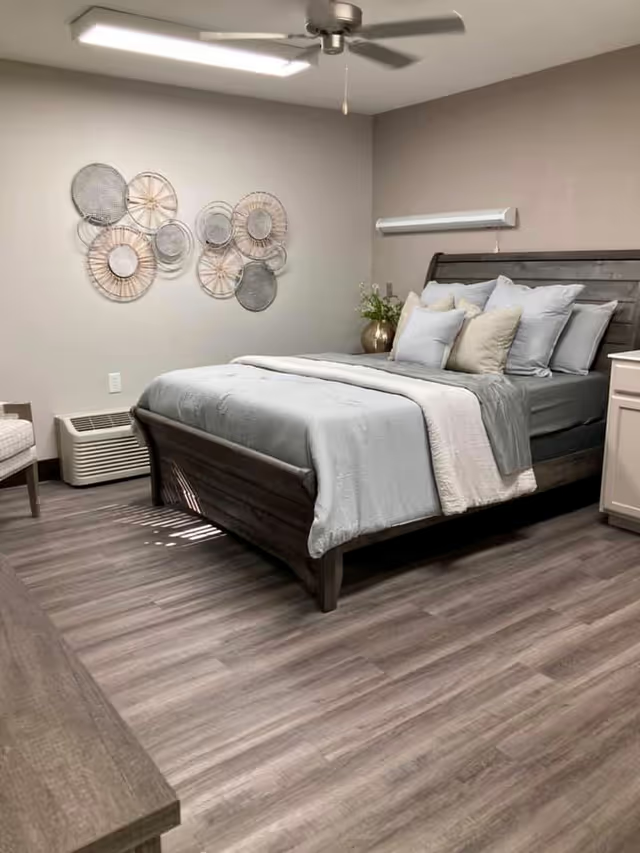
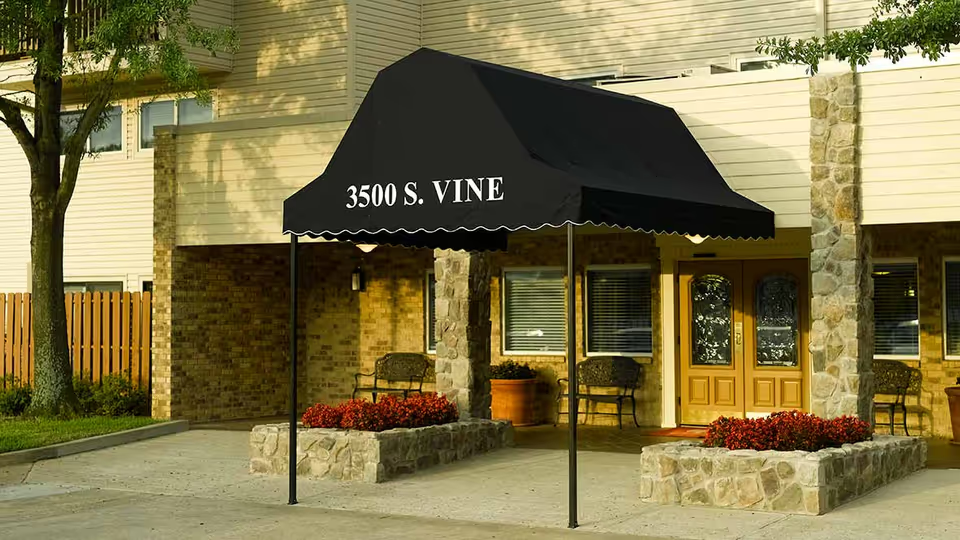
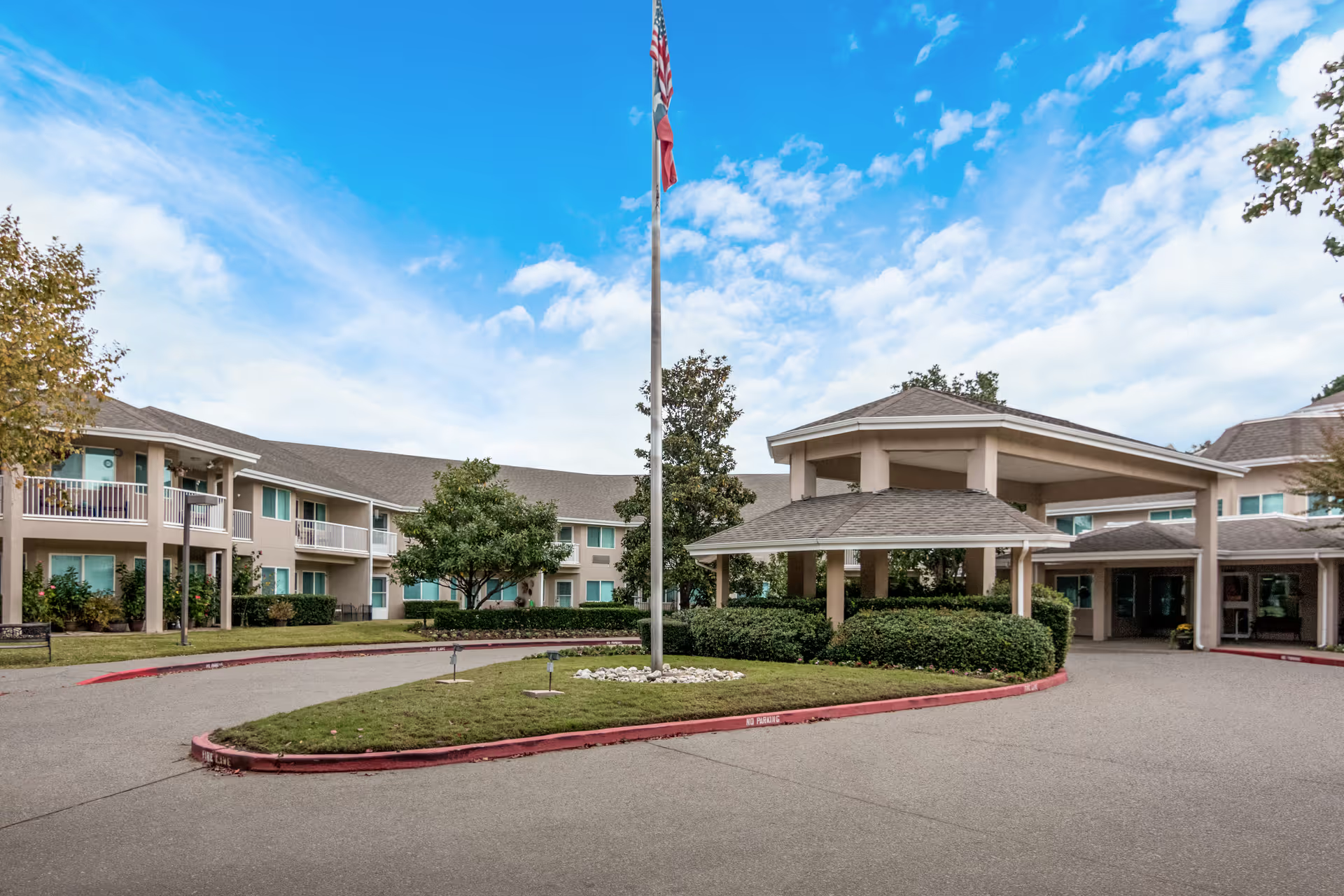
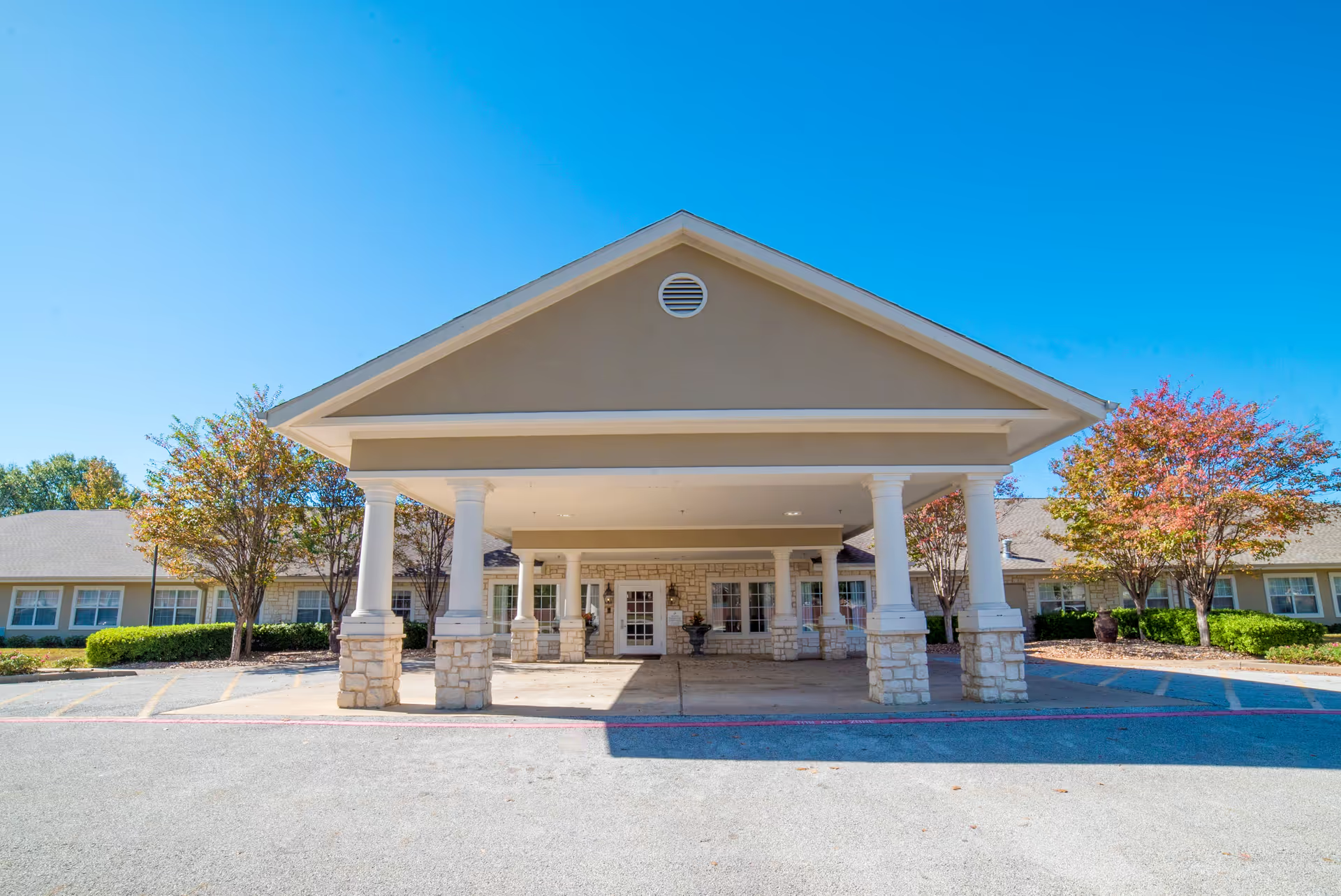
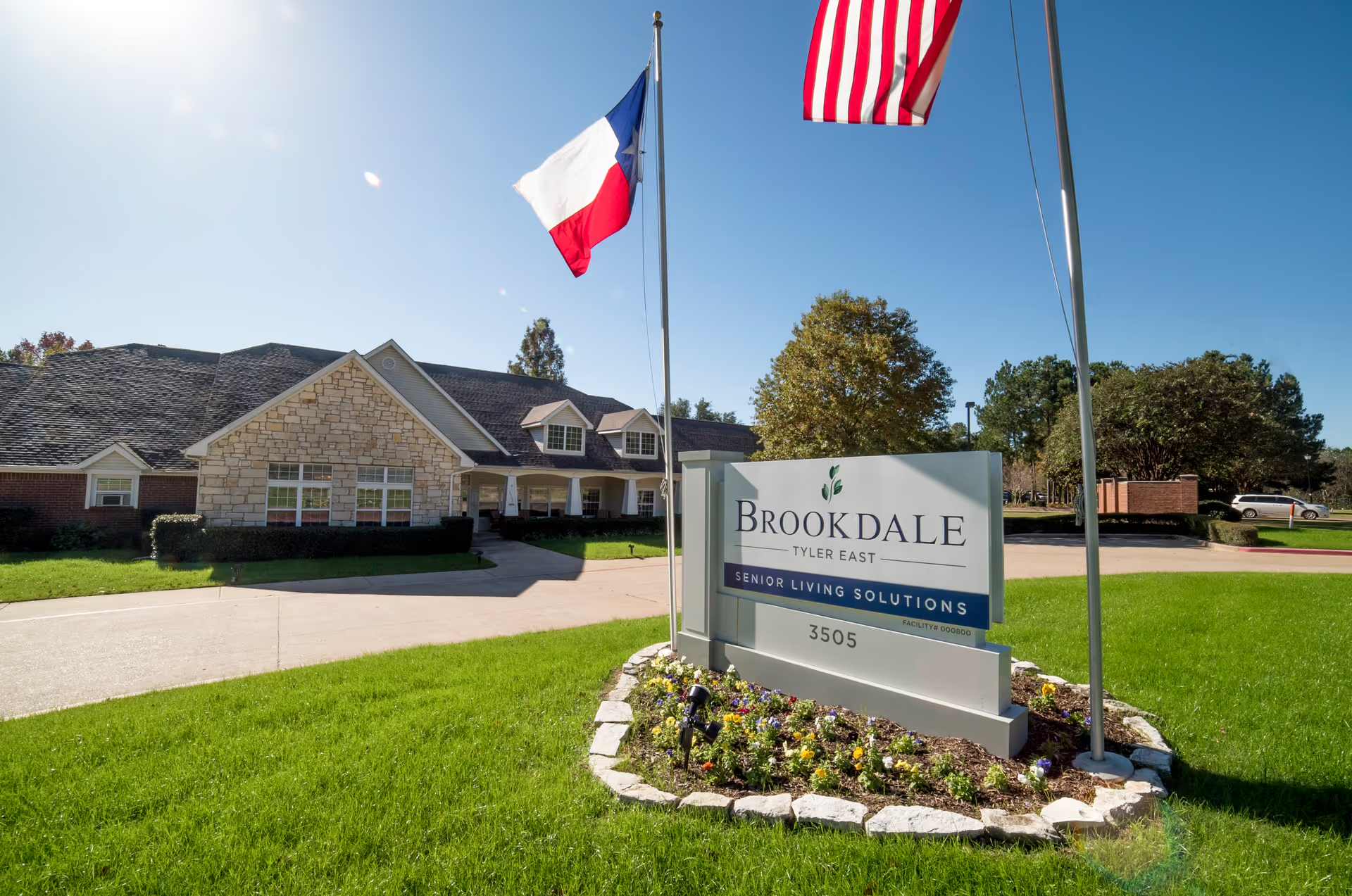
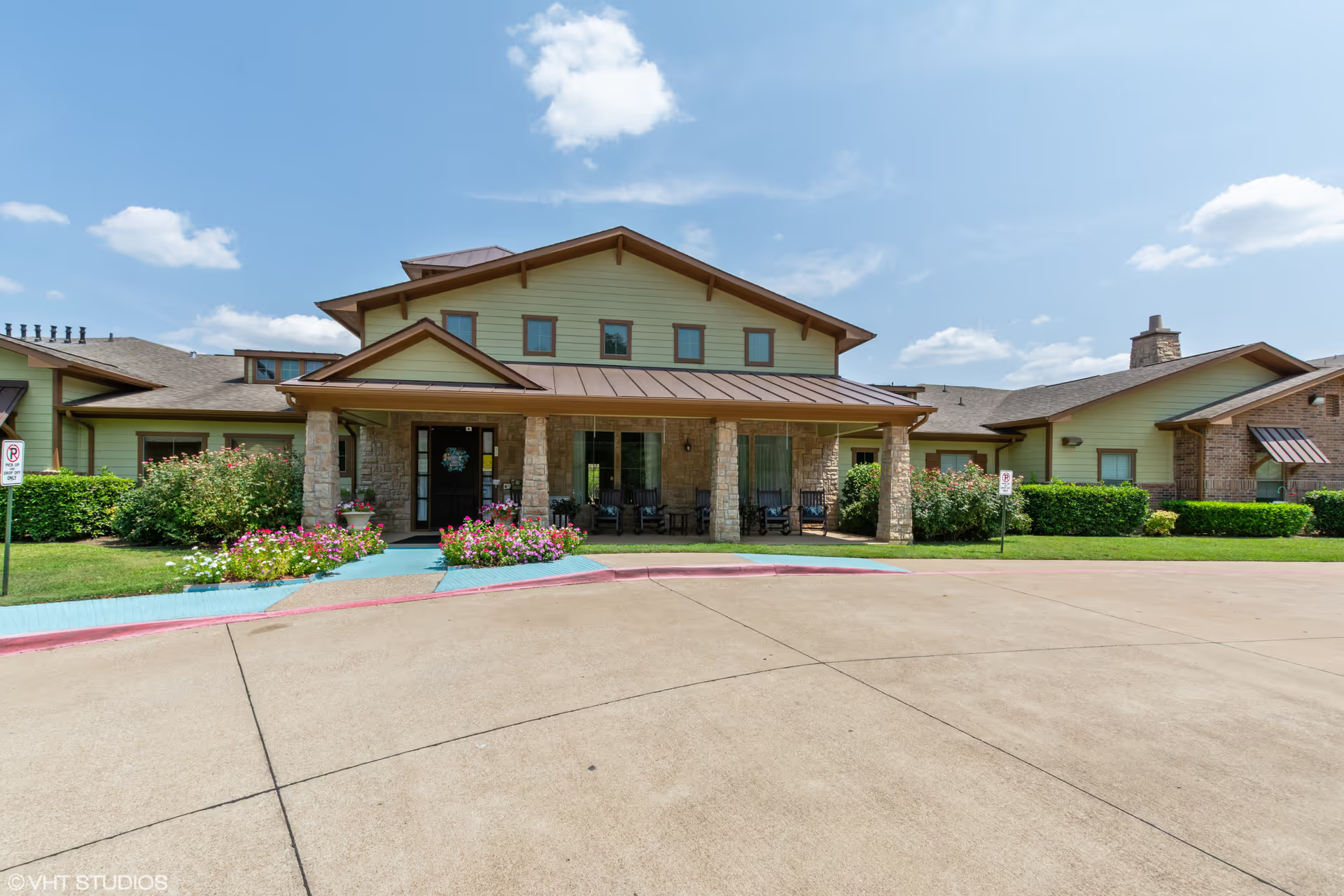
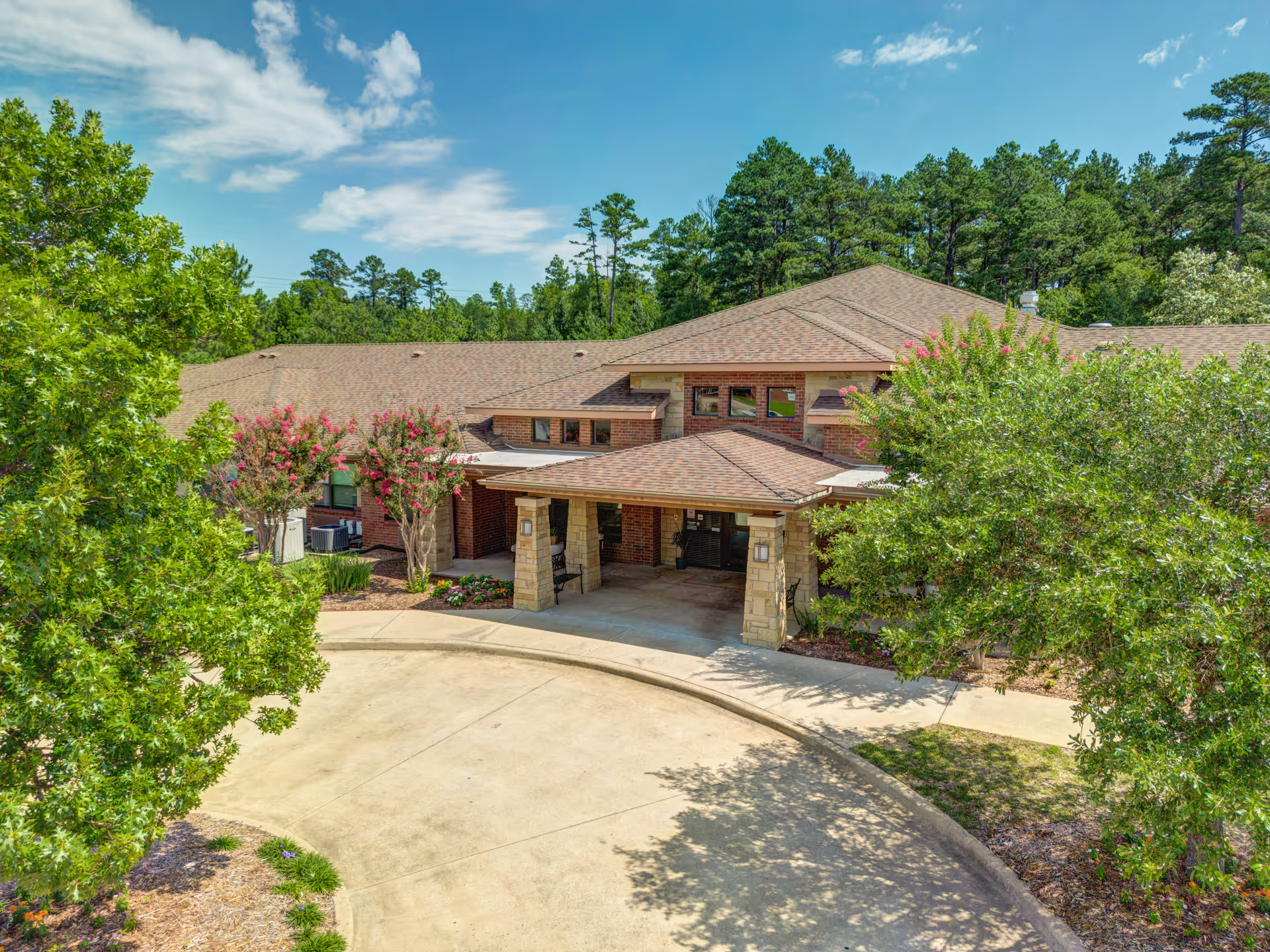
Avir at Lindale presents as a modern, well-appointed senior care environment with many features families value: new construction, attractive common areas, spacious rooms and bathrooms, landscaped grounds and an outdoor rehabilitation park. The facility’s rehabilitation services are a pronounced strength—physical, occupational, and speech therapies are frequently described as first-rate—and the physical environment (dining rooms, therapy spaces, centralized nursing station) supports a therapy-focused short-stay population. Families and residents commonly praise friendly, compassionate front-line staff and an engaging activities program led by a well-regarded activities director.
Care quality descriptions are mixed. Numerous accounts highlight strong, attentive caregiving and successful short-term rehab outcomes; these accounts emphasize respectful treatment, individualized therapy, and prompt issue resolution during some stays. However, other accounts point to operational weaknesses that affect clinical continuity: inconsistent staffing levels, frequent use of agency staff, and staff turnover were commonly associated with delays in assistance, missed or late medications, and variability in clinical oversight. Reviewers identified particular concerns about the facility’s ability to manage complex chronic conditions—examples include wound progression and diabetes management—which in several cases resulted in hospital transfer or family escalation.
Dining and hospitality are similarly polarized. The facility’s dining rooms and meal presentation receive favorable comments, but many reviewers described inconsistent meal quality and timing: food that was lukewarm or lacking variety (notably a desire for more green vegetable options) and delays in service. Housekeeping and laundry operations also show variability: while many described clean, fresh-smelling common areas, others reported delayed room cleaning, laundry losses, and inconsistent personal-care routines. These operational inconsistencies contribute to differential experiences between residents and families.
Management and communication show a mixed pattern. Some families praised prompt, helpful admissions interactions and responsive follow-up; others reported difficulty reaching administration, unresolved billing disputes, and dissatisfaction with interim leadership transitions. Administrative turnover and perceived inconsistencies in policy messaging were recurring themes, and several reviewers referenced regulatory or formal complaint activity tied to care concerns. These patterns suggest variability in leadership stability and process consistency.
For prospective residents and families: the facility offers strong rehabilitation services, attractive spaces, and many compassionate caregivers, which can make it well suited for therapy-focused stays. However, families should explicitly evaluate operational controls before decision-making—ask about current staffing ratios (including night and weekend coverage), the use of agency staff, protocols for medication timing and wound/diabetes management, laundry and housekeeping procedures, and how the facility communicates with families about incidents and care-plan changes. Visiting during mealtimes and speaking with therapy staff and the nursing leadership can help clarify whether the facility’s strengths align with the intended level of care.