The reviews for Highland Pines Nursing and Rehabilitation Center present a mixed but distinct pattern: a consistently strong rehabilitation program and many highly praised frontline staff sit alongside recurring operational weaknesses that affect long-term and higher-acuity residents. Families and patients frequently highlight the facility's physical-therapy and occupational-therapy teams, noting measurable mobility improvements and timely discharge planning. Numerous accounts describe admissions and discharge coordination as effective, and particular staff members are repeatedly commended for compassionate, hands-on care and advocacy.
Clinical-care quality appears to vary by unit and by shift. Short-term rehab patients generally report positive outcomes and attentive therapy services; however, some long-term residents and families describe inconsistent nursing follow-through. Specific clinical concerns summarized across reviews include gaps in wound and catheter management, delayed medication and pain-control administration, and inconsistent personal-care scheduling for activities of daily living. These issues suggest challenges in care continuity and clinical documentation rather than a uniform standard of practice across the facility.
Staffing and staff conduct are polarizing themes. Many reviews praise individual nurses, CNAs, therapists, and front-desk personnel as empathetic, responsive, and above-and-beyond in their approach. At the same time, other accounts describe understaffing, variability between shifts, and episodes of discourteous or rough conduct. The operational picture is one of strong caregivers and leadership pockets coexisting with staffing instability and inconsistent training or oversight on other shifts.
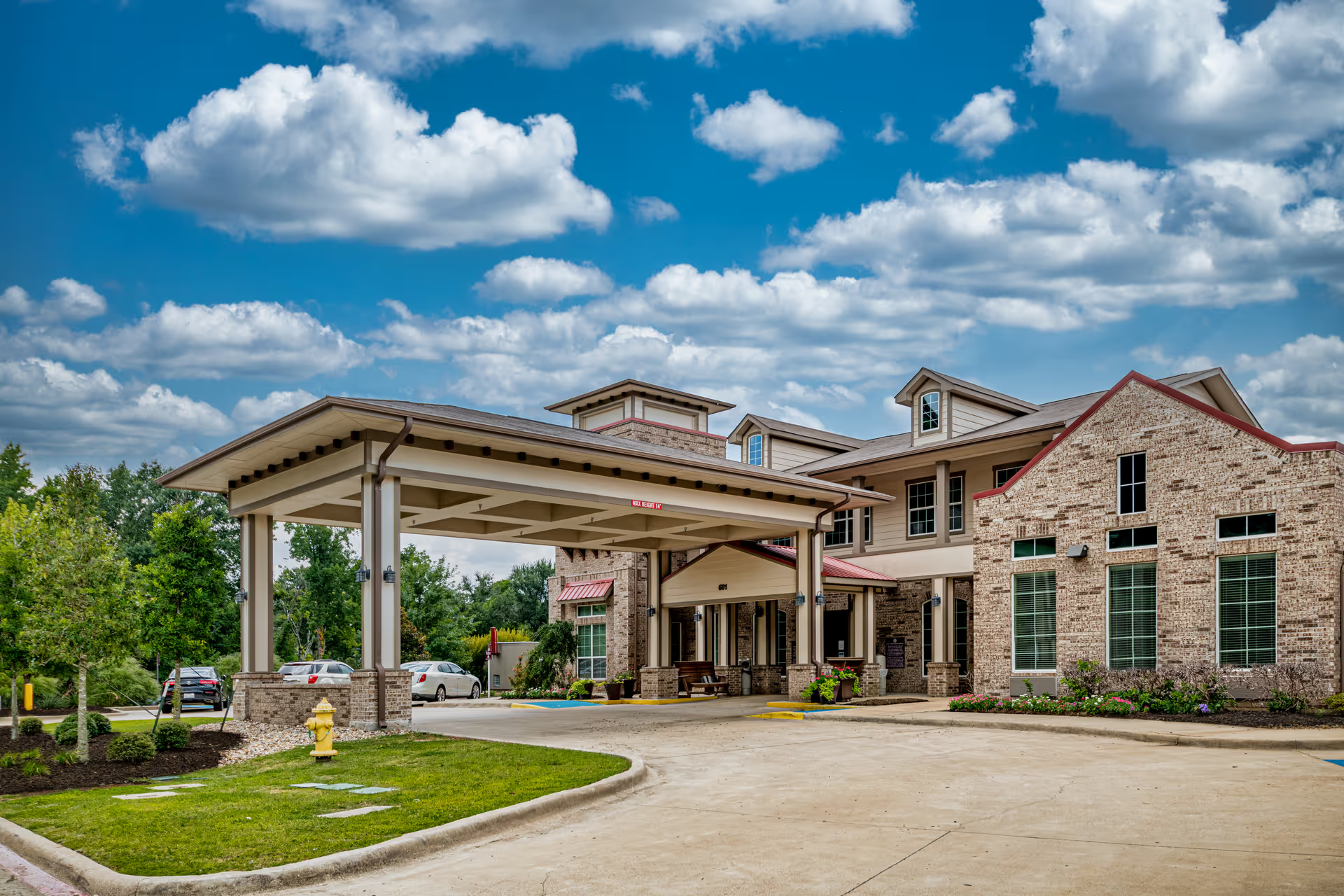
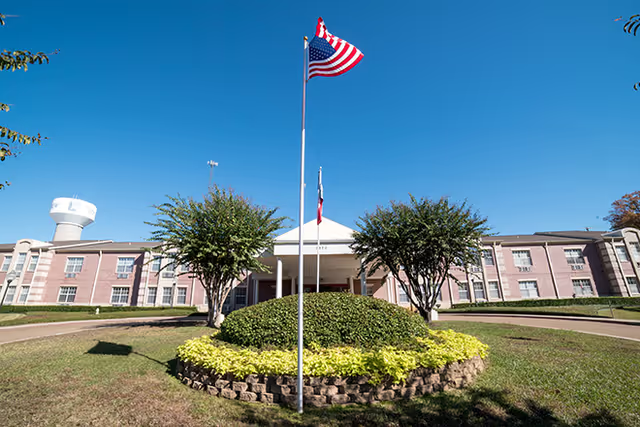
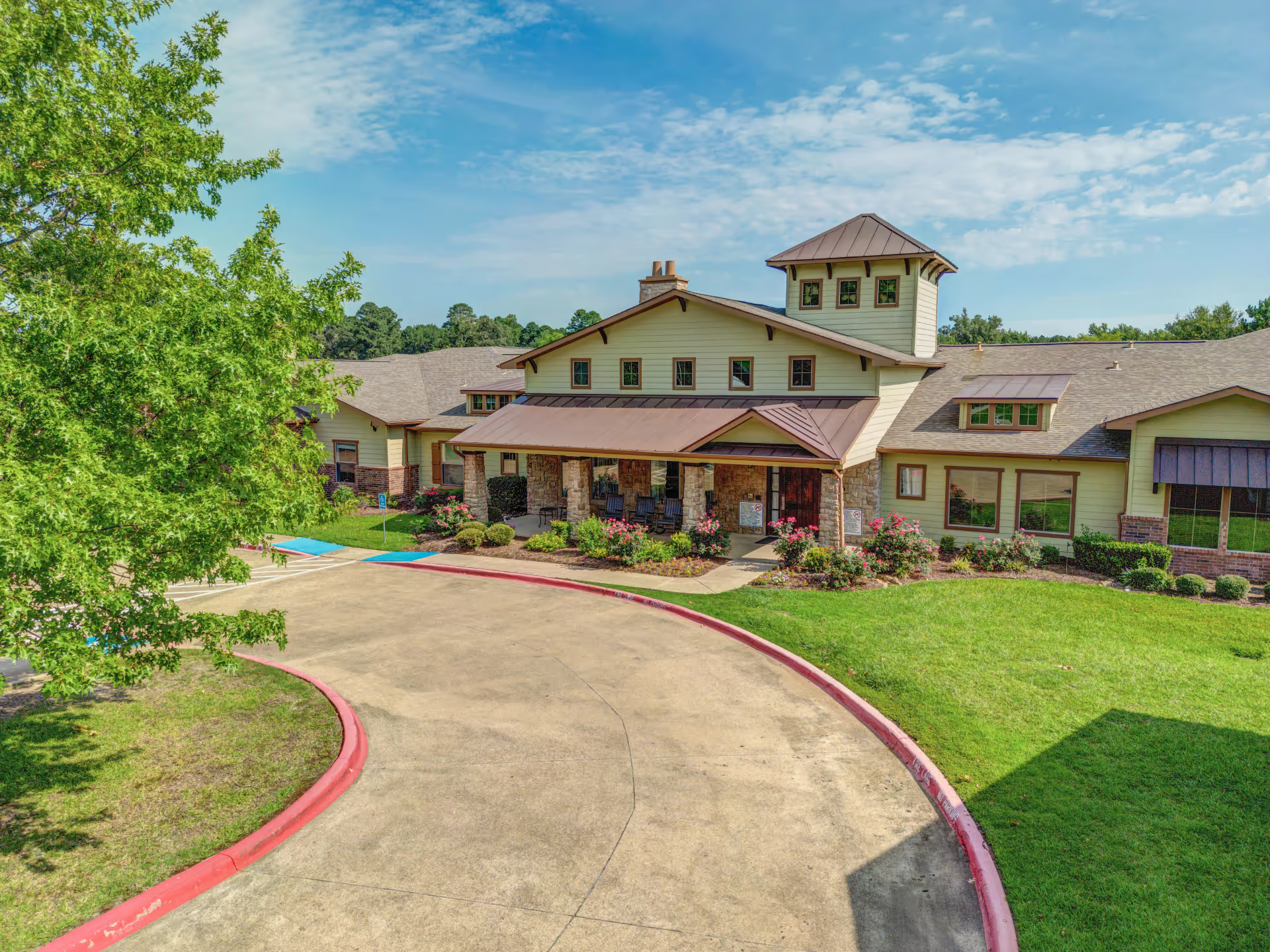
Dining and activities produce mixed impressions. Several residents report satisfactory meals and engaging activities with schedules posted and a full slate of programming. Conversely, other reviews cite repetitive menus, occasional cold or unappetizing meals, and periods when activity offerings were limited. The facility's common areas and many rooms are described as clean and well-maintained, and ongoing renovations have improved some interiors; however, reviewers also note smaller room sizes, occasional temperature-control issues, and intermittent odor concerns in specific areas.
Management and administrative performance also shows unevenness. Positive experiences include helpful admissions staff, effective coordination with hospital case managers, and proactive social-work support. Negative themes include perceived lack of administrative responsiveness to clinical or family concerns, billing- or insurance-focused interactions, and at least one described privacy/personal-property incident. Several reviewers expressed the impression that the facility prioritizes short-term rehabilitation admissions, which can create perceived disparities in attention and resources for long-term residents.
Taken together, Highland Pines demonstrates clear strengths in rehabilitation services, therapy outcomes, and many individual staff members who provide compassionate care. Prospective residents and families should weigh those strengths against documented operational weaknesses: inconsistent staffing, variable responsiveness to basic requests, clinical follow-through gaps (especially around wound and catheter care), and uneven leadership engagement. Recommended steps for decision-making include touring the specific unit under consideration, asking about current staffing ratios and turnover, reviewing policies for wound/catheter care and medication administration, checking recent inspection or corrective-action histories, and seeking direct references from families of current or recent residents in the same unit type.