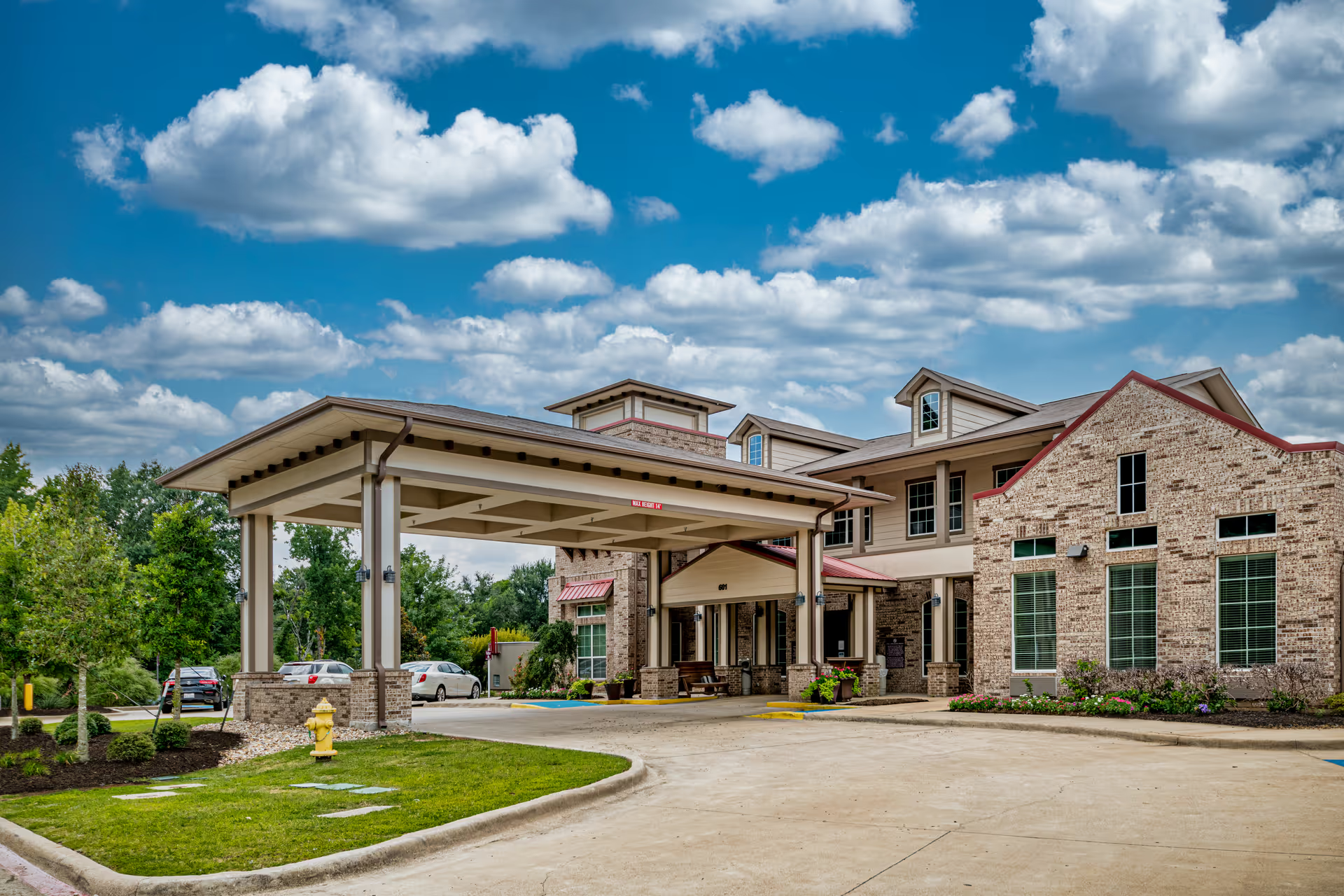
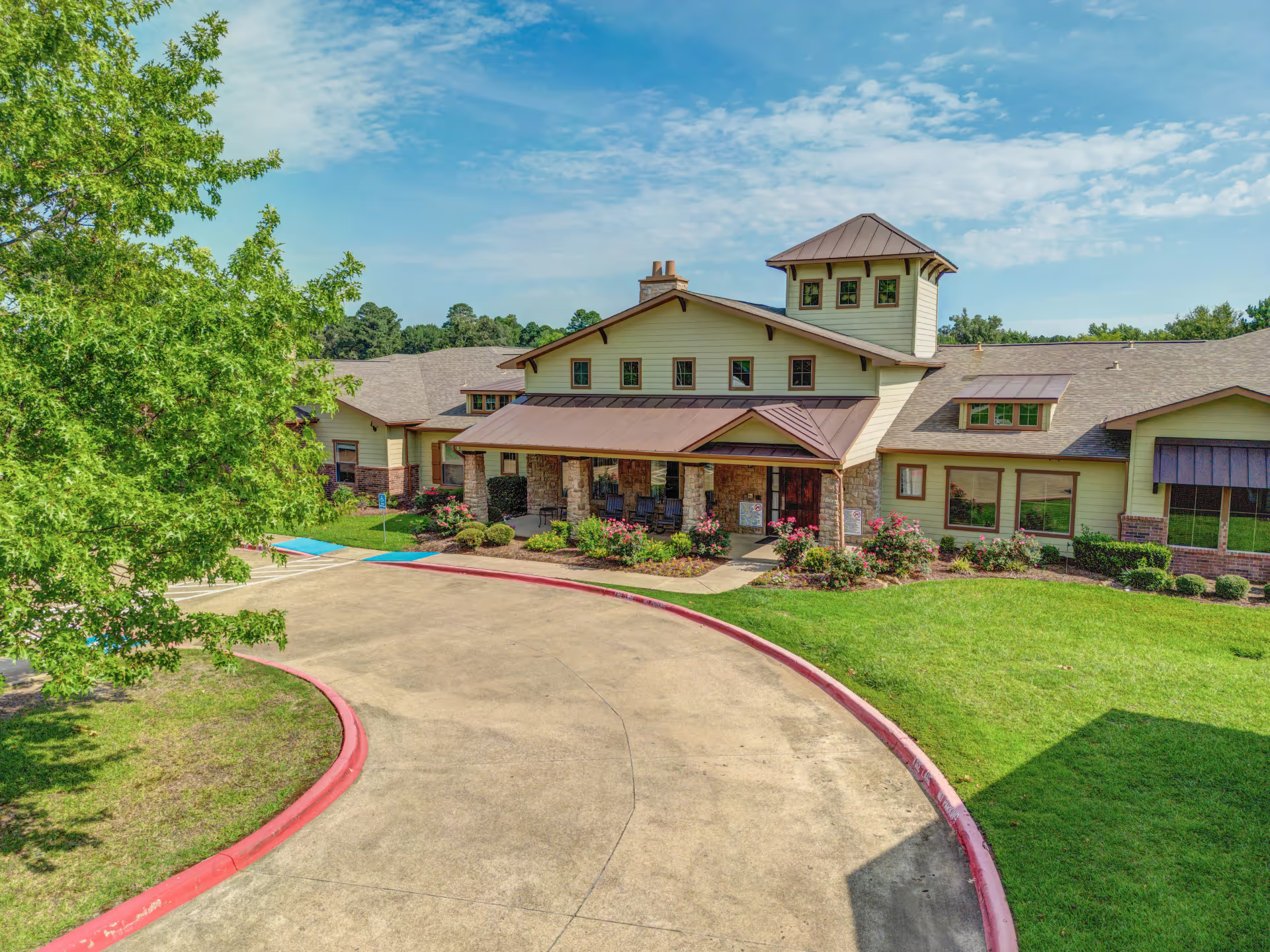
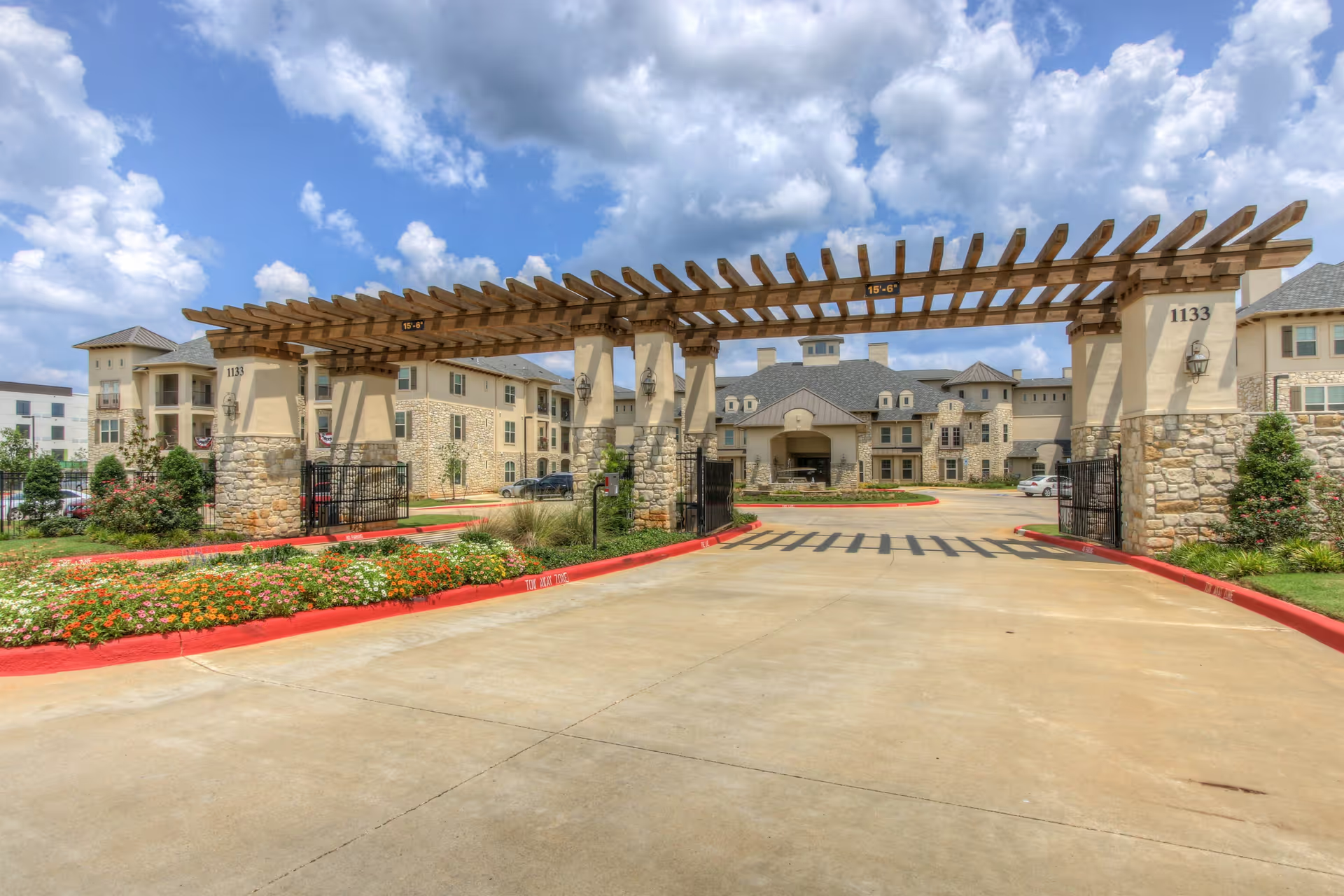
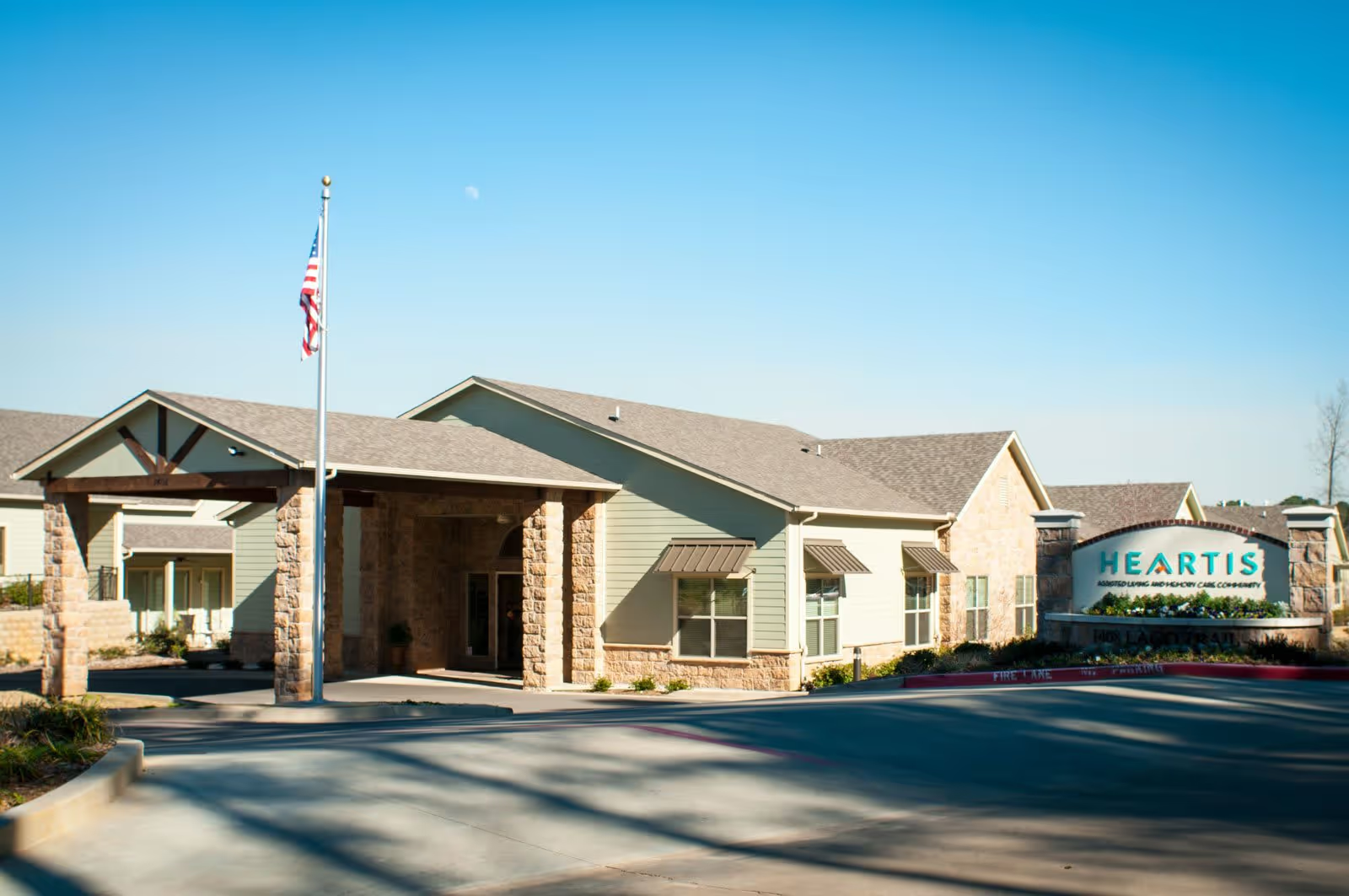
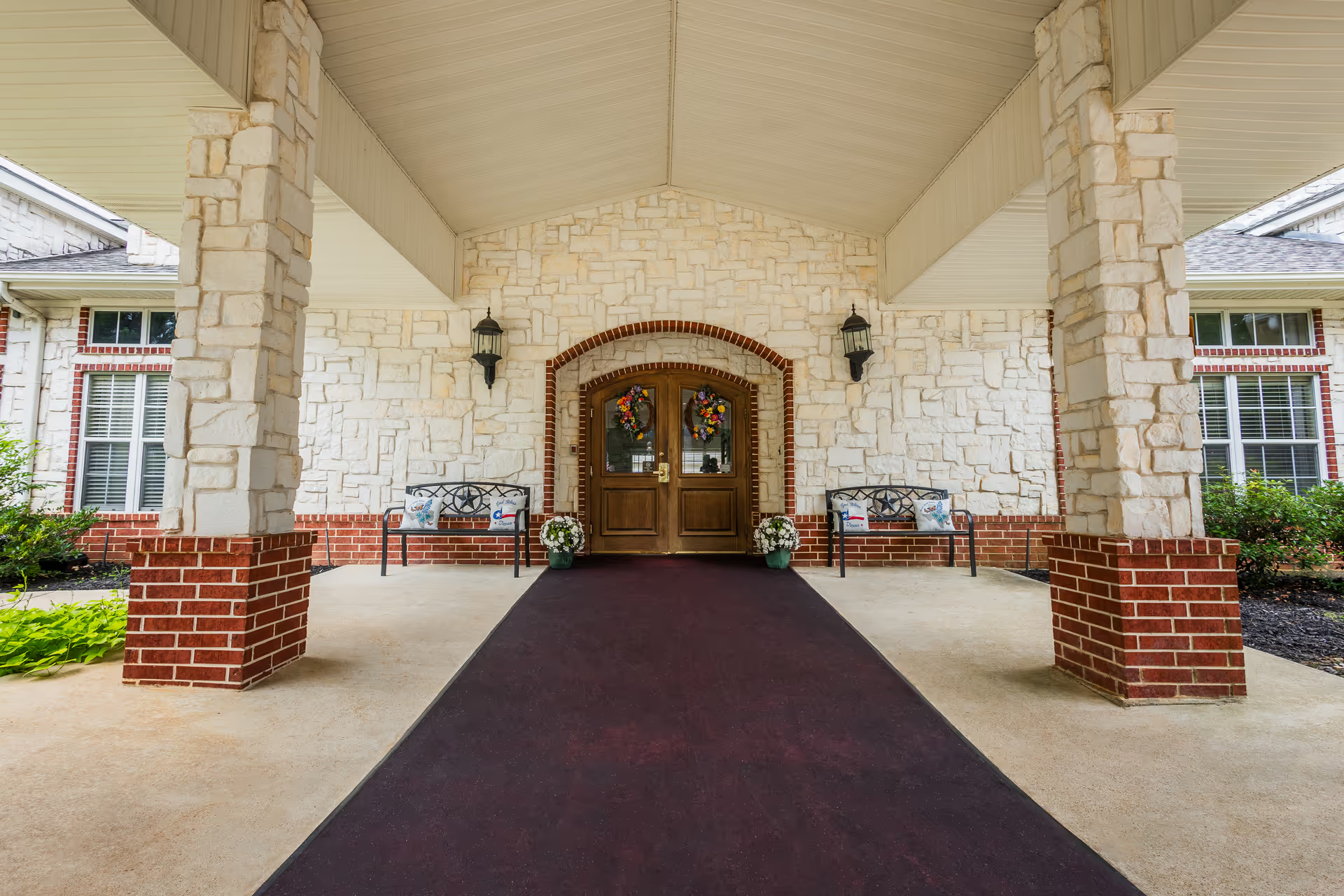
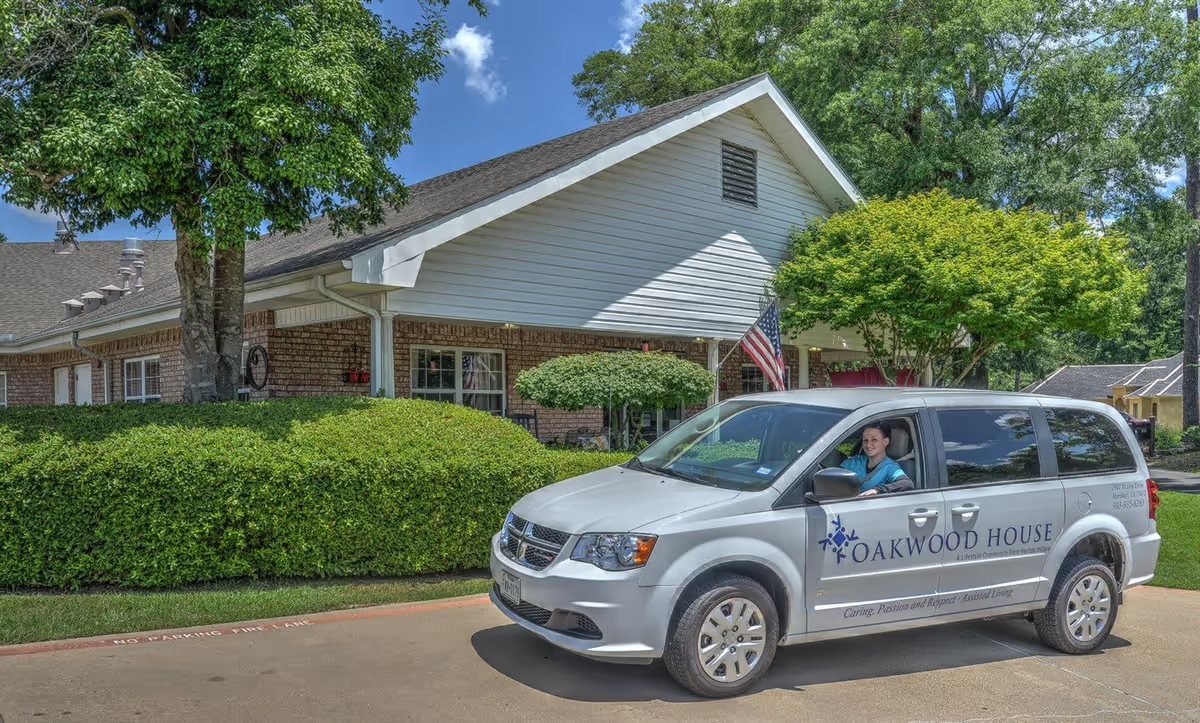
Longview Hill Nursing Center and Rehabilitation presents a mixed but distinct profile. The facility is frequently described as clean, bright and recently remodeled, with secure units for dementia care and a women-only unit. Physical spaces — including an enclosed courtyard, private sitting areas and a professional rehab gym — are commonly cited as strengths. Room options include private and semi-private layouts, and the environment is often described as visually appealing and well maintained.
Clinical and rehabilitative care is a clear strength for many families. The therapy department, therapists and rehab leadership receive repeated praise for effective PT/OT, focused goal-setting, and measurable post-discharge mobility improvements. Several families credited therapy staff with restoring prior levels of function and reducing fall risk. Nursing aides and many nurses are described as compassionate and attentive; individual staff members are named positively in multiple accounts.
At the same time, there is notable variability in caregiver performance and clinical oversight. Reviewers describe inconsistent staffing levels and uneven performance between shifts, which can affect assistance with activities of daily living and meal-time support. There are also concerns about medication-management processes and healthcare-worker hygiene in some areas. A small number of serious allegations — including feeding-tube lapses and an unsafe discharge — and references to regulatory involvement were raised; these items suggest the importance of reviewing the facility's incident history and follow-up actions during any evaluation.
Dining and nutrition receive mixed assessments. Dietary staff are frequently praised for tailoring meals to resident needs, and some families note attentive meal planning. Conversely, other accounts cite poor food quality, missed beverages or items at meals, and inconsistent feeding assistance that in some cases contributed to weight concerns. Prospective families should discuss meal-service routines and feeding-assistance protocols with staff.
Activities and social programming are commonly highlighted as positive: bingo, holiday events and an active recreational program contribute to engagement. The secure dementia unit and programmatic activities appear to provide structured opportunities for residents.
Management and administrative functions show recurring weaknesses. Communications with families and the facility’s office are described as inconsistent, with long hold times and occasional unresponsiveness. Billing and payor-administration issues (private-pay versus Medicaid) were raised, and some reviewers characterize management as reactive — addressing problems only after escalation. Staffing continuity problems when particular caregivers are off-shift, and distractions during therapy sessions (for example, device use) have also been reported.
Taken together, Longview Hill offers strong rehabilitation services, attractive facilities and many compassionate caregivers, but it also demonstrates operational inconsistencies that can affect day-to-day care quality. Prospective residents and families should tour unannounced if possible, observe meal times and therapy sessions, ask about staffing continuity and discharge-planning protocols, and review the facility’s recent regulatory and incident-resolution history before deciding.