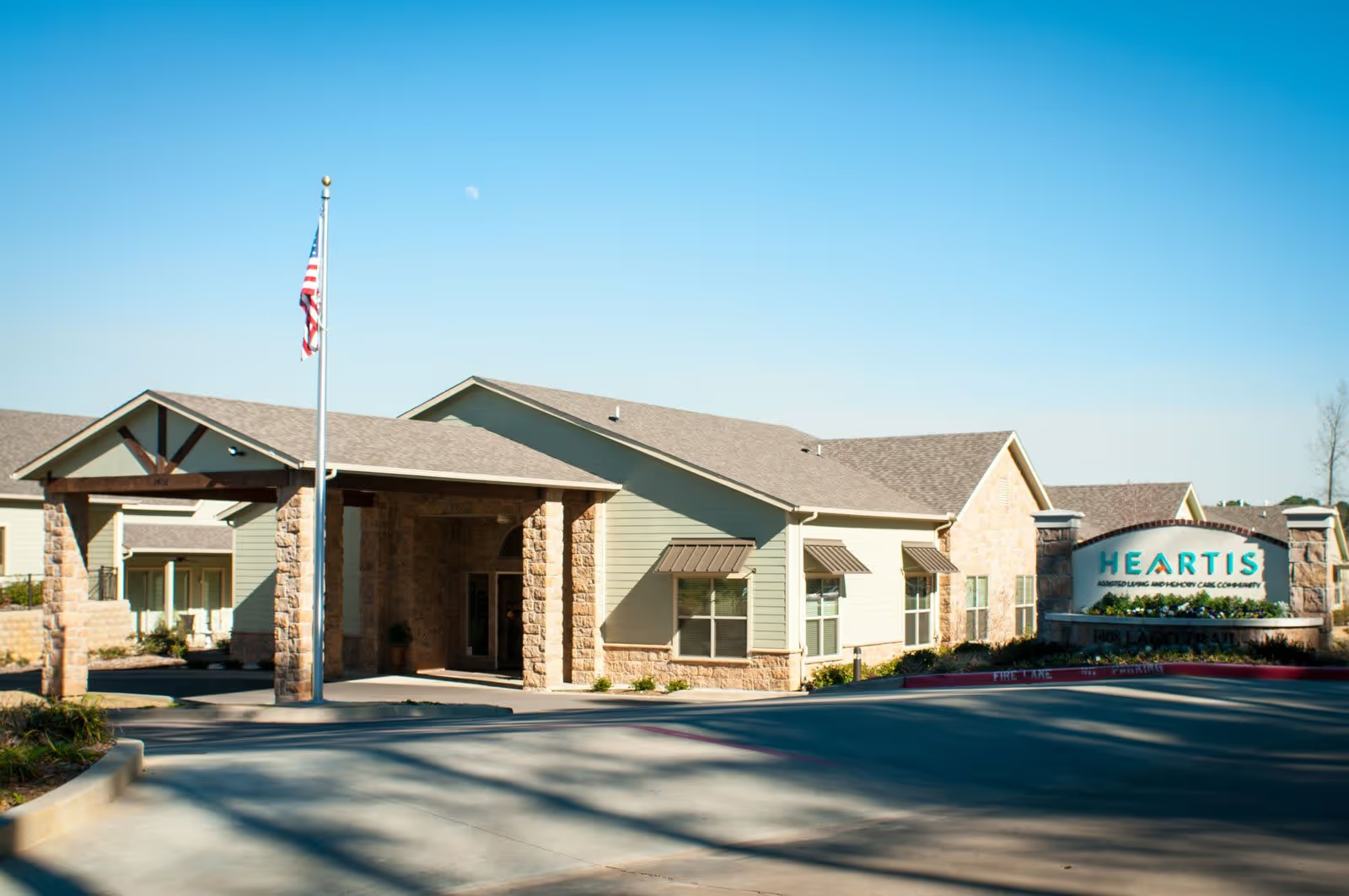
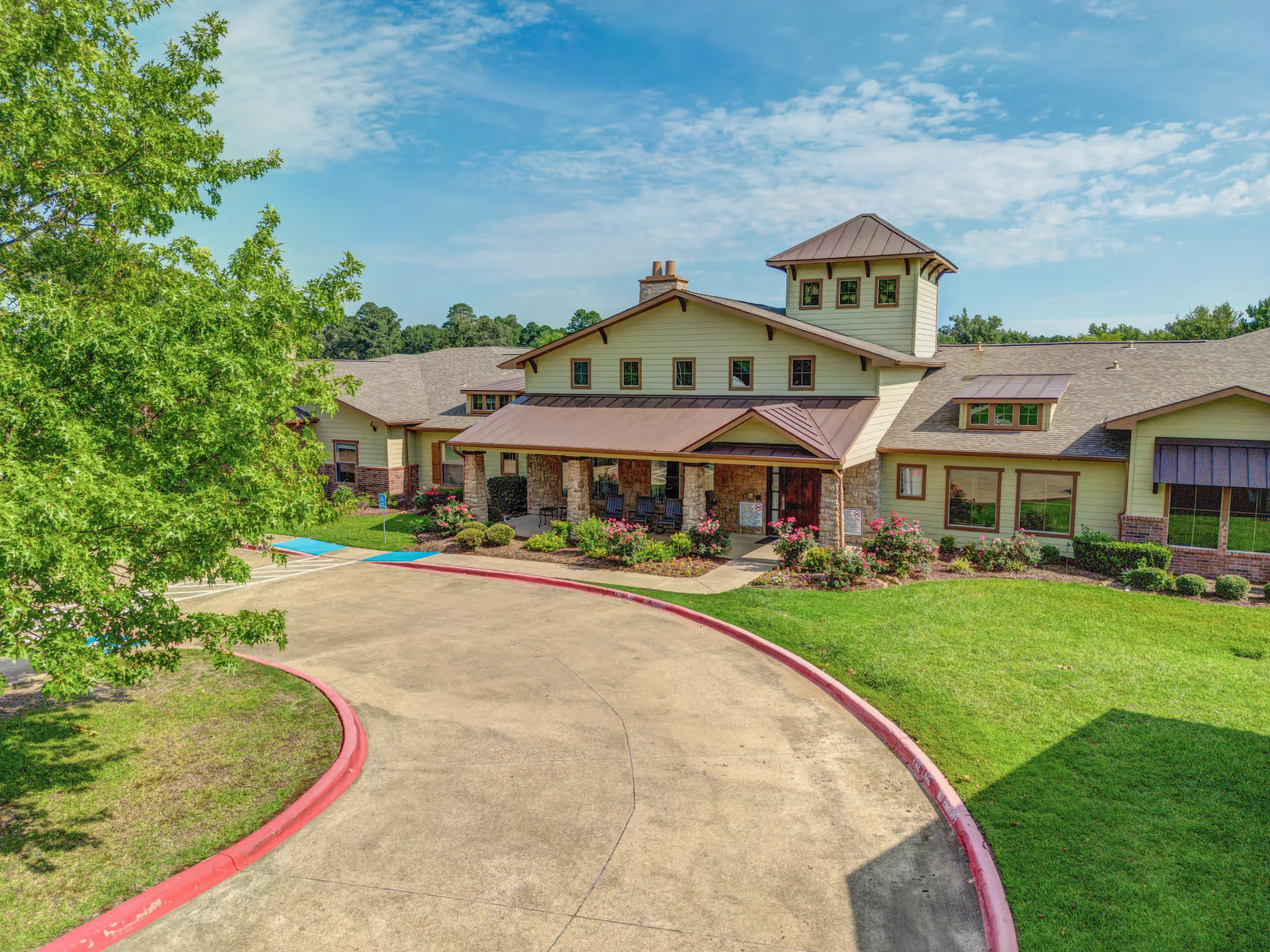
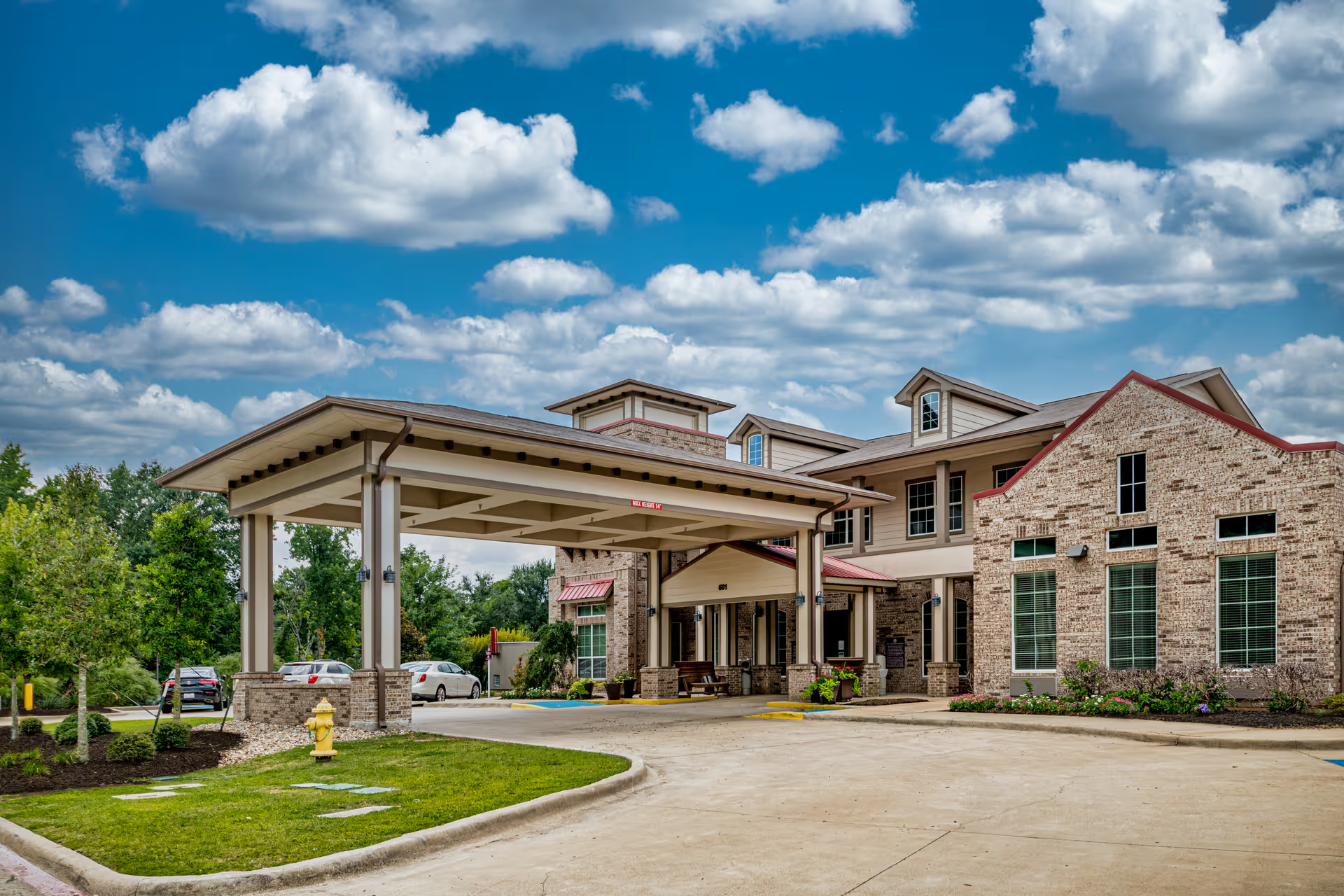
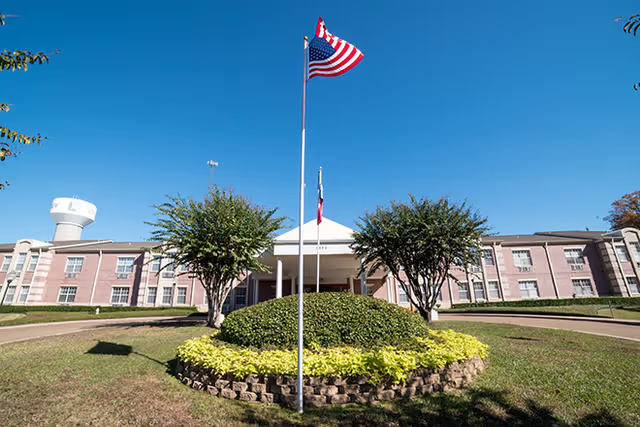
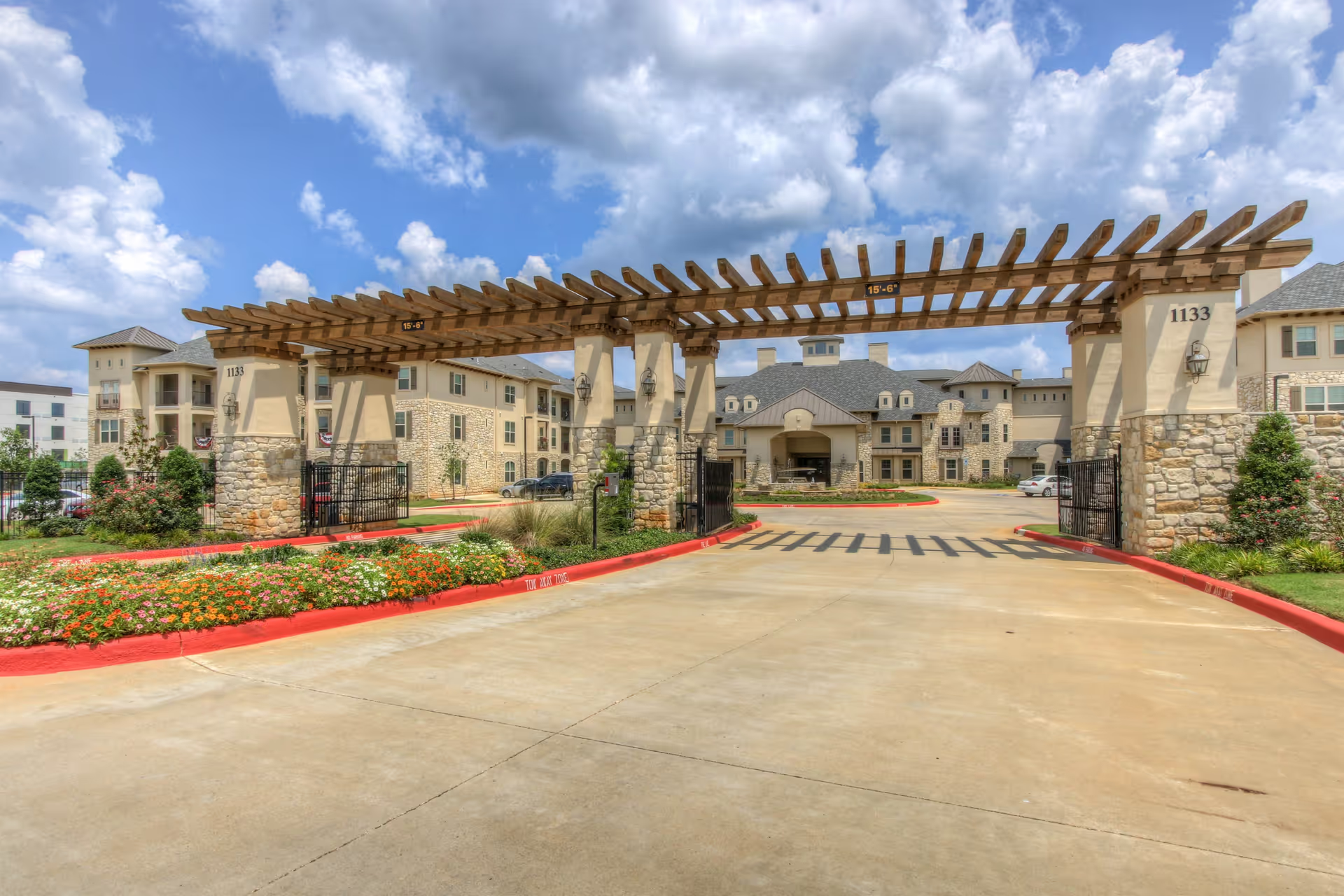
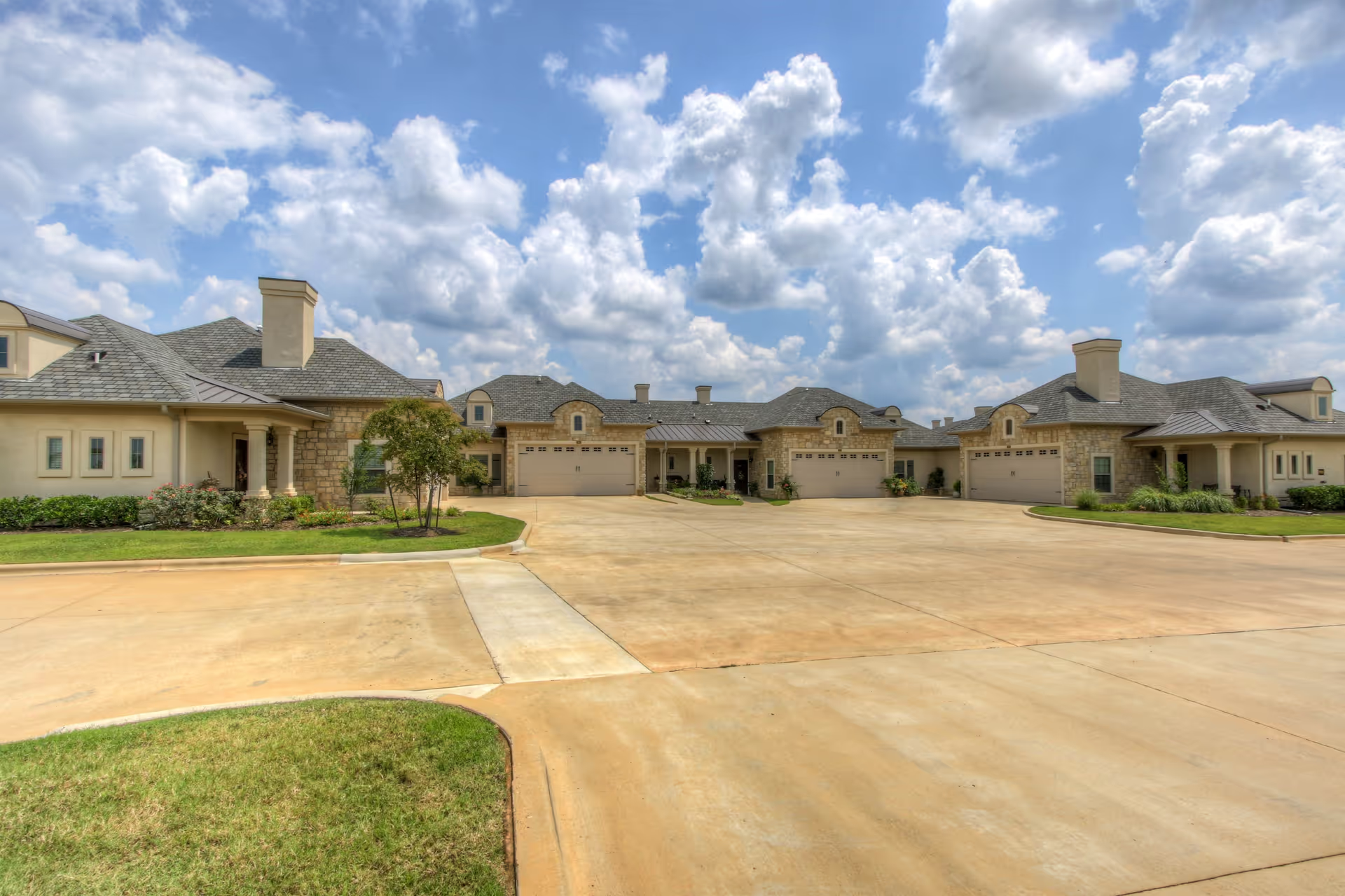
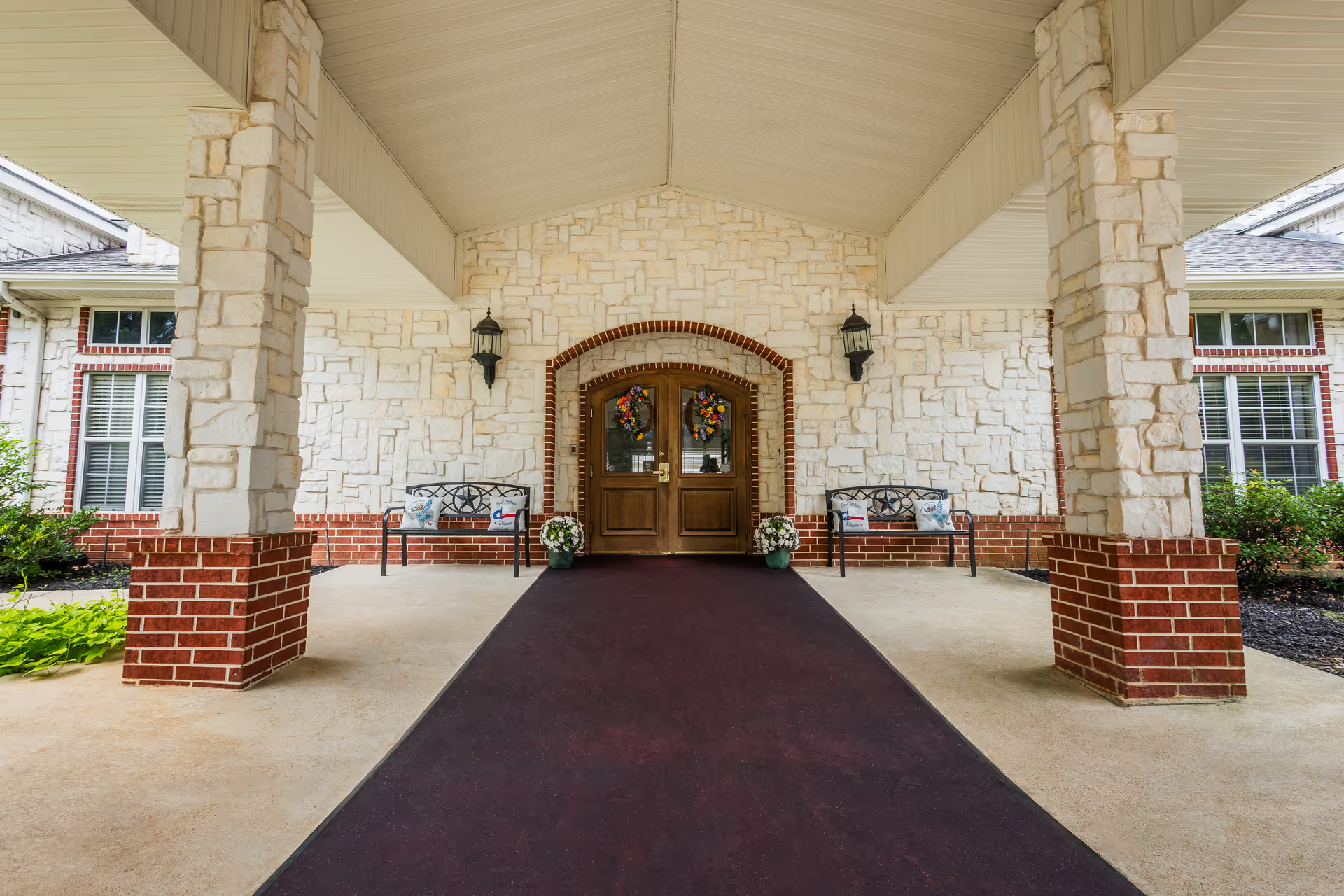
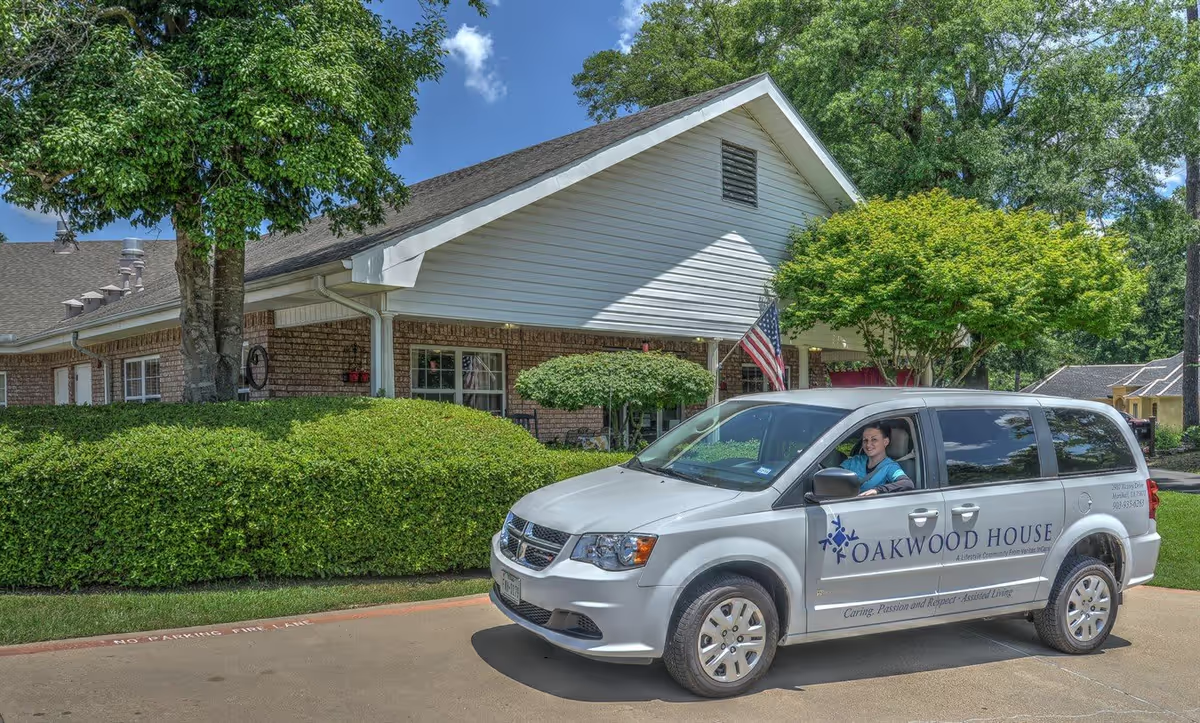
Trinity Timbers presents as a small, home-like assisted living community where interpersonal care and a family atmosphere are emphasized. Reviewers consistently describe staff as compassionate, attentive, and familiar with residents; many highlight long-tenured employees, 24/7 staffing, and staff who proactively notify families about health changes. The facility is noted for private rooms with en-suite bathrooms, laundry service, a clean interior, and safety-oriented practices such as mobility aids that residents use to reduce fall risk. Cost is frequently described as competitive compared with newer facilities in the area, and the location is convenient for families.
Dining and daily life receive favorable comments: meals are characterized as home-cooked, nutritious, and visually appealing, and there are several common areas including a community living room, dining area, patio, and game room. Activities are an active part of community life — an activities coordinator organizes games, outings (for example seasonal trips to view local lights), and multiple holiday and family events. Because of the smaller census, reviewers also point to more opportunities for one-on-one attention and a quieter environment that some families prefer.
There are operational patterns prospective families should weigh. The community uses agency or temporary staff at times, which can create variability in caregiver continuity. Care levels are combined within the same households rather than segregated into a separate memory-care neighborhood; while staff provide dementia-capable care, there is not a dedicated memory-care unit. Reviewers also describe variability in management conduct and responsiveness: some families praised an engaged, proactive executive director, while others described concerning interactions and communication tone. Relatedly, a few families reported issues around transitions (for example after hospital discharge), indicating potential gaps in care coordination during those handoffs.
Because Trinity Timbers is a smaller community, amenity breadth is more limited compared with larger campuses; that scale trade-off is part of its value proposition for families seeking a home-like setting. Activity participation can also vary by resident, so the experience depends in part on individual engagement and available staff support. Overall, the facility is frequently recommended for families who prioritize compassionate, personal care, cleanliness, and value, but families with needs for a dedicated memory-care unit or highly consistent clinical staffing during transitions should verify staffing patterns and care protocols before deciding.