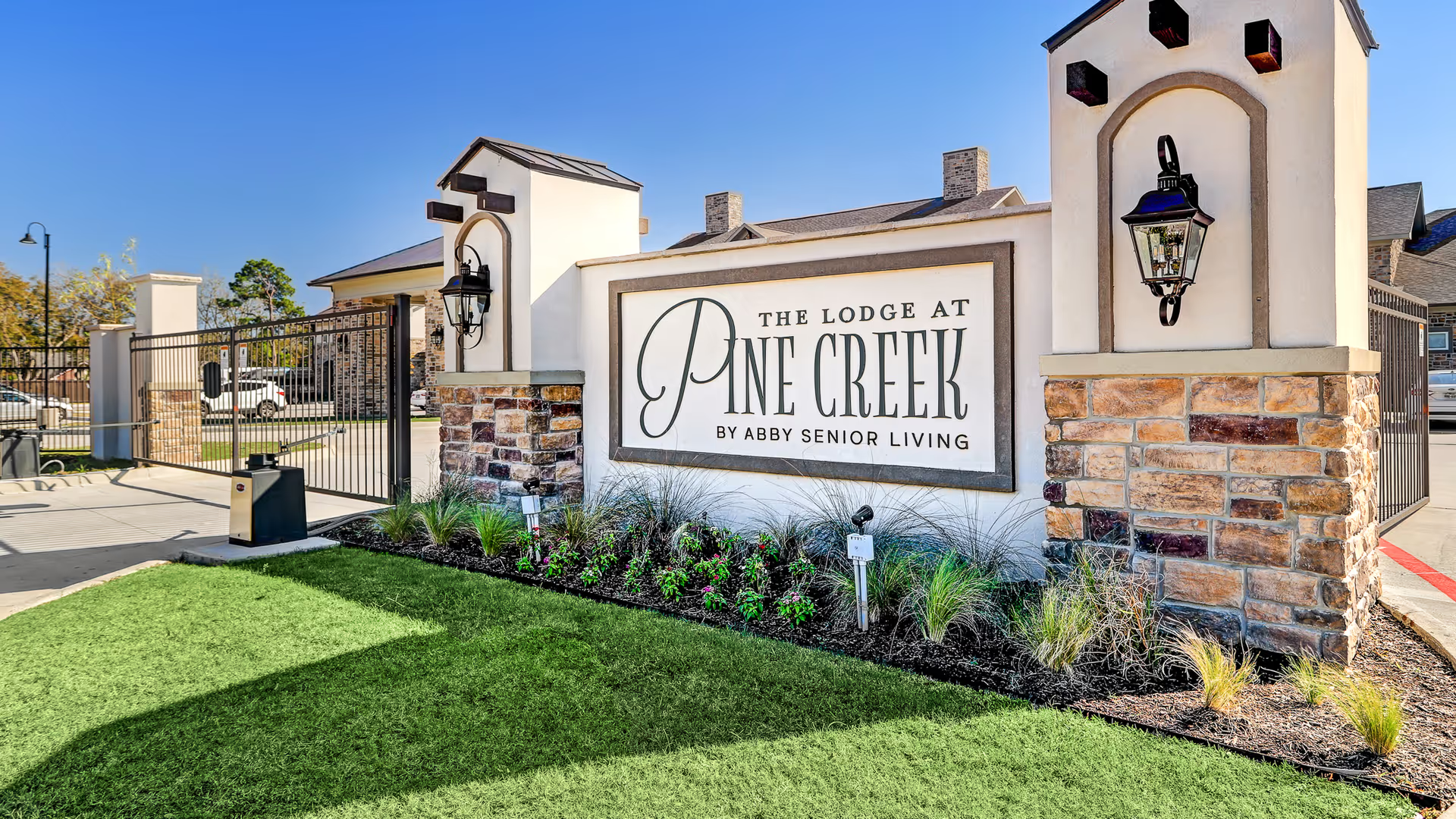
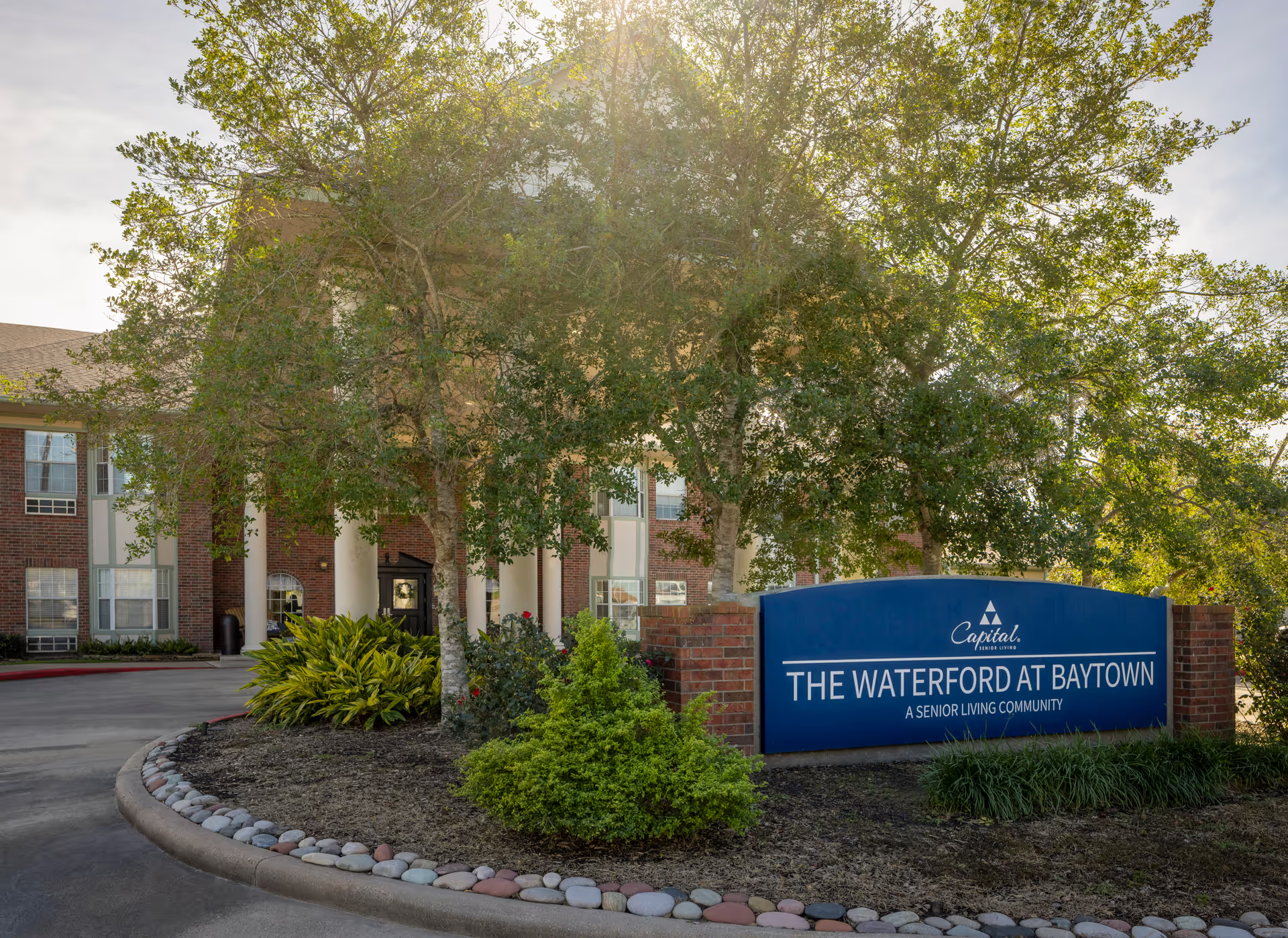
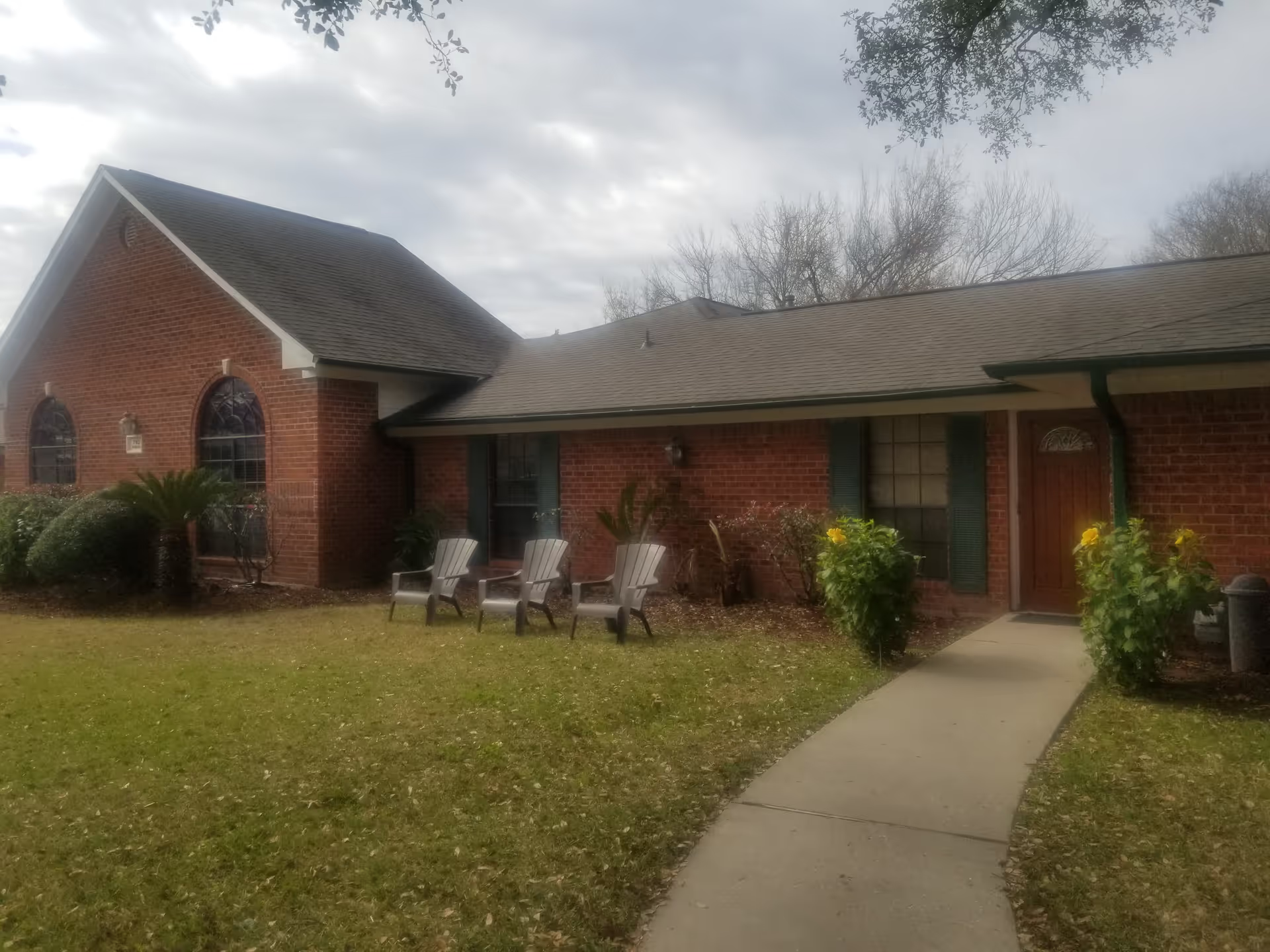
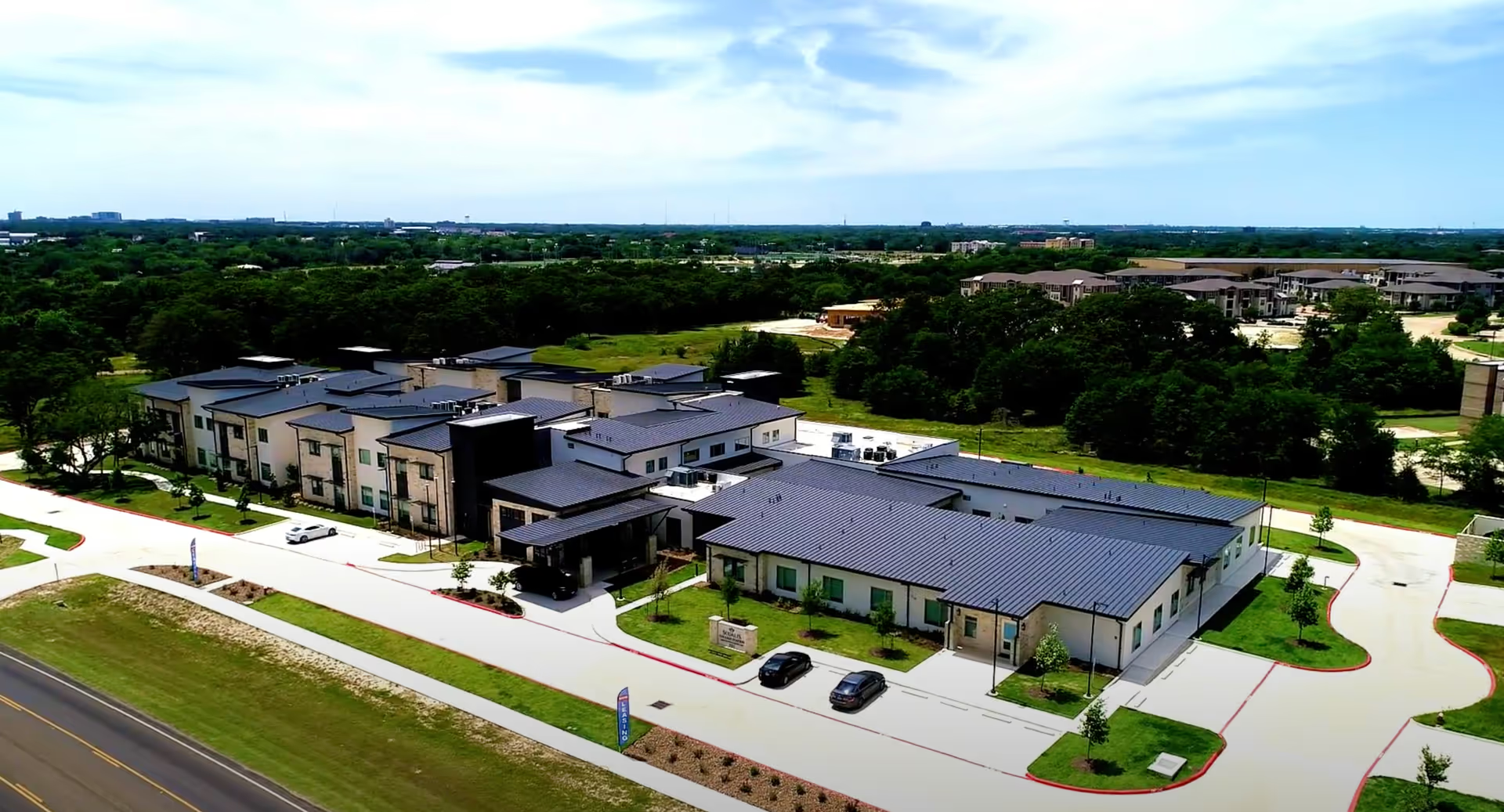
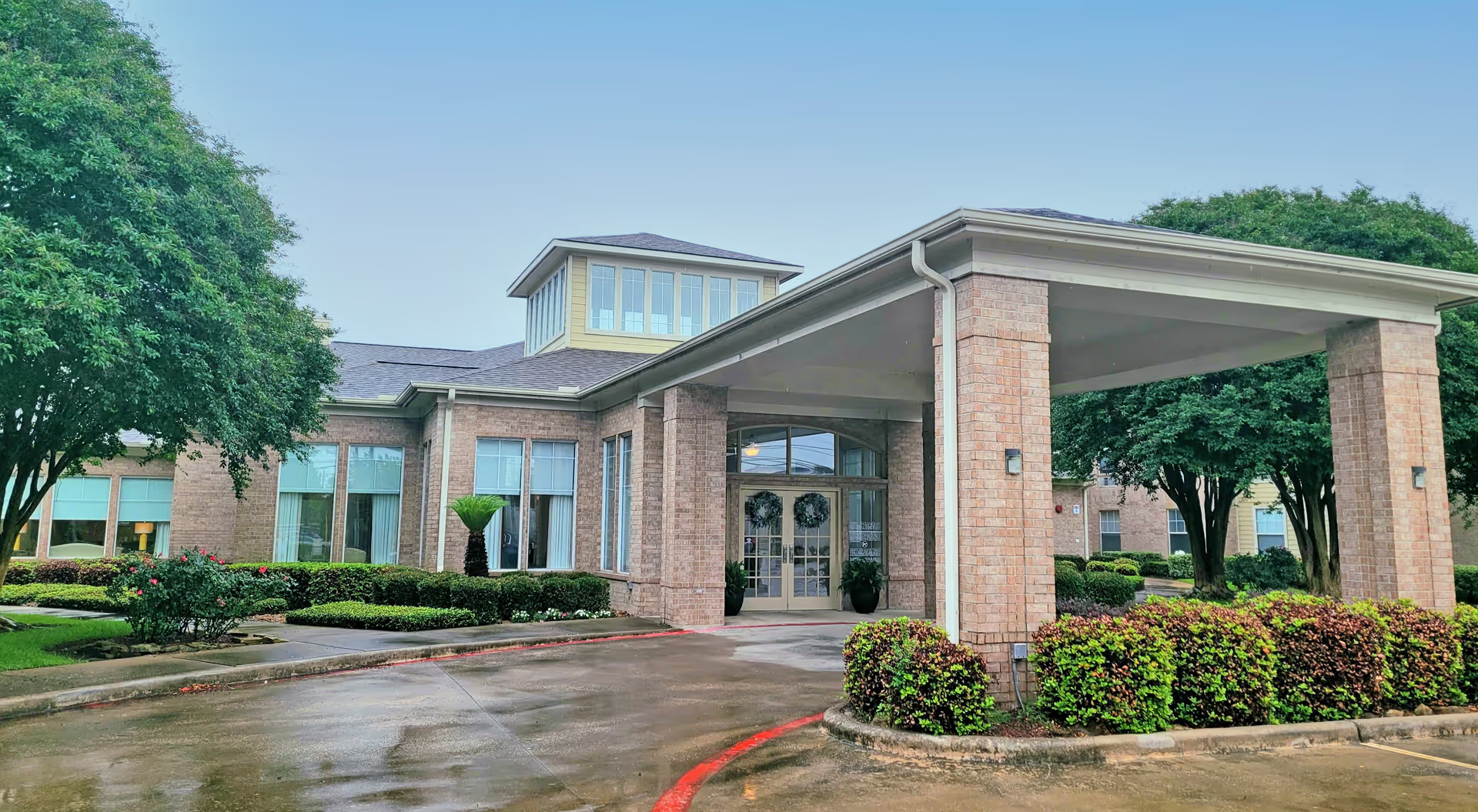
Mont Belvieu Rehabilitation & Healthcare Center elicits strongly divergent impressions. Many reviews describe an attractive, new facility with well-maintained grounds, a pleasant interior, and privacy accommodations within shared rooms. The therapy program is frequently praised: reviewers highlight a modern therapy gym, skilled PT/rehab staff, and clinical progress for residents who attend therapy. Multiple accounts point to compassionate, attentive nursing and supportive social-work or case-management staff who facilitate discharge planning and family communication when engaged.
Despite these strengths, a recurring operational pattern emerges around staffing and responsiveness. Numerous reviewers identified consistent understaffing and variable staffing levels that correlate with delays in responding to call lights, slower emergency response times, and instances where clinical needs were not attended to promptly. There are also repeated notes about inconsistent physician availability and limited after-hours clinical coverage, which contributes to family concerns about how urgent situations are handled overnight.
Dining and basic-care operations show mixed performance. Some families describe acceptable meal service and warm food, but others describe declining food quality and instances of cold meals. Reviews also point to inconsistencies in following dietary restrictions and variability in in-room amenities. Room-level cleanliness and maintenance are generally seen as good in many parts of the facility, but there are reports of inconsistent housekeeping and occasional sanitation concerns in some rooms.
Communication and administration are another pattern area. Long phone hold times, slow call-backs, uncompleted requests, and scheduling problems were mentioned across reviews. Transportation logistics (including the van lift) and property-management practices (missing personal items, denied prepaid services) were also cited as operational friction points. There is at least one account that refers to a state investigation with substantiated findings; this elevates concern about clinical-incident response and family notification processes and suggests prospective families should ask about the facility's corrective actions and current oversight.
For prospective residents and families, the facility presents a mix of clear strengths (therapy resources, many caring staff, pleasant environment) and operational weaknesses that affect day-to-day experience (staffing, responsiveness, communication, and some service inconsistencies). When evaluating this facility, consider asking for current staffing ratios, documented incident-response protocols, how after-hours clinical coverage is handled, meal-temperature and dietary-management procedures, and steps taken following any regulatory findings. Observing call-response times during a visit and speaking directly with therapy and nursing leadership can help clarify whether the facility’s strengths align with your care priorities.