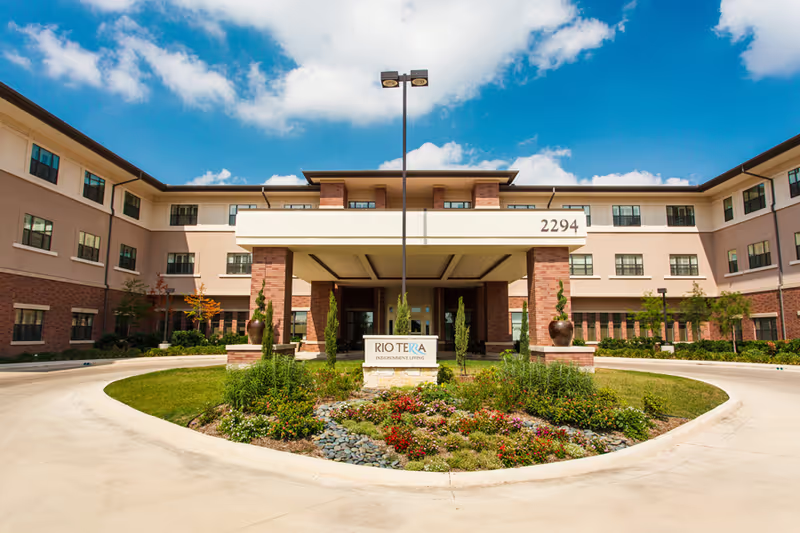
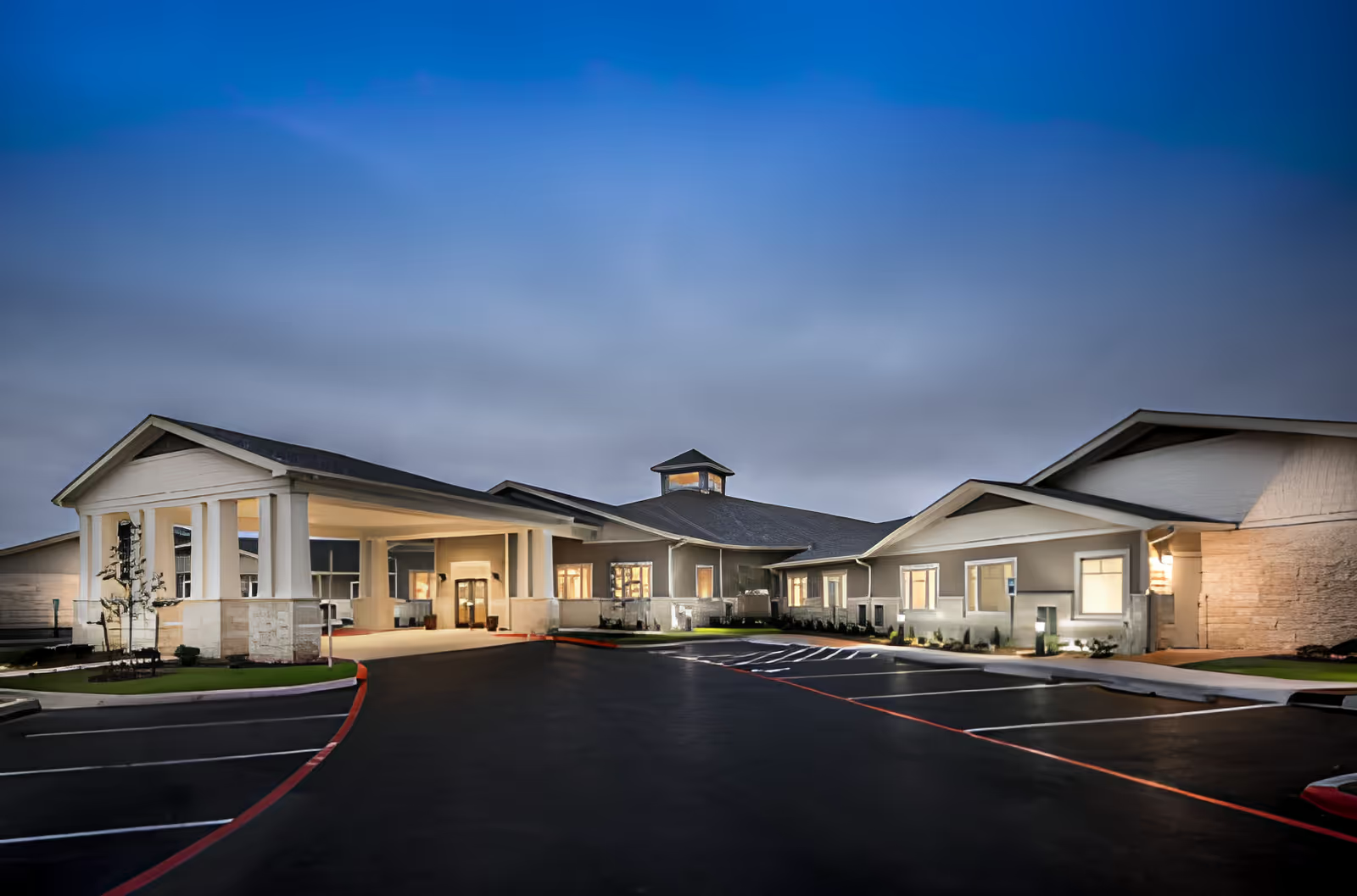
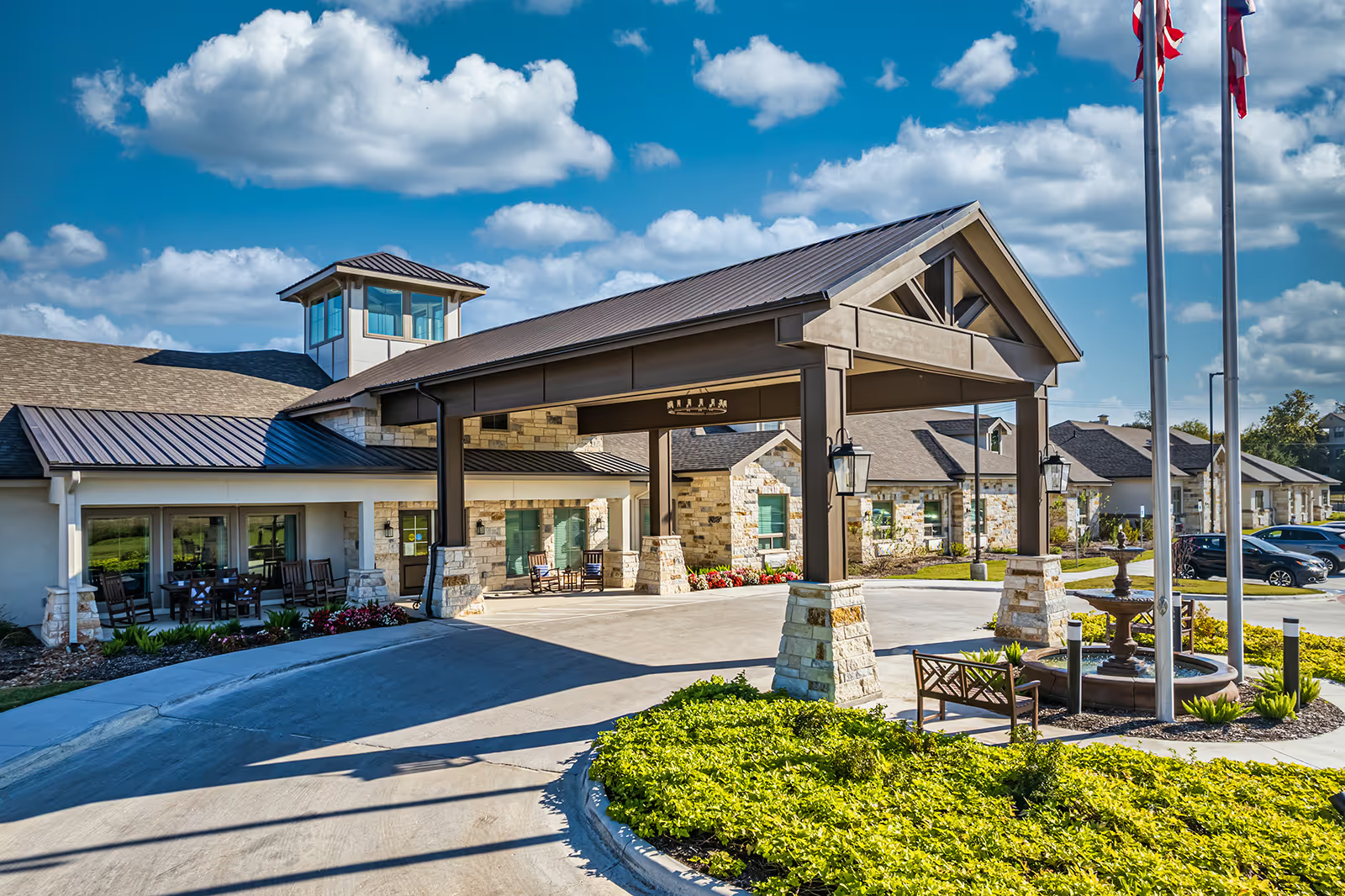
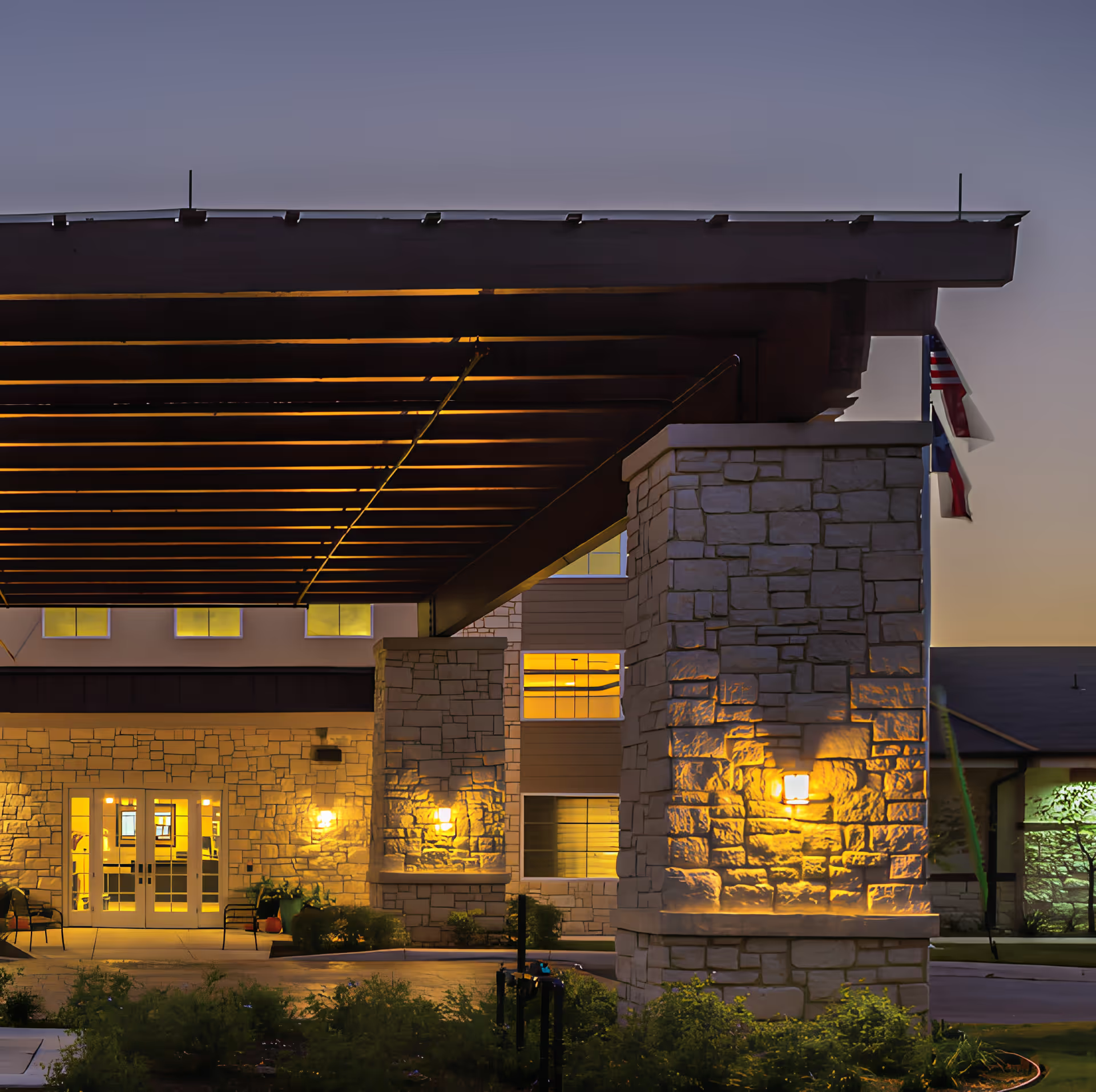
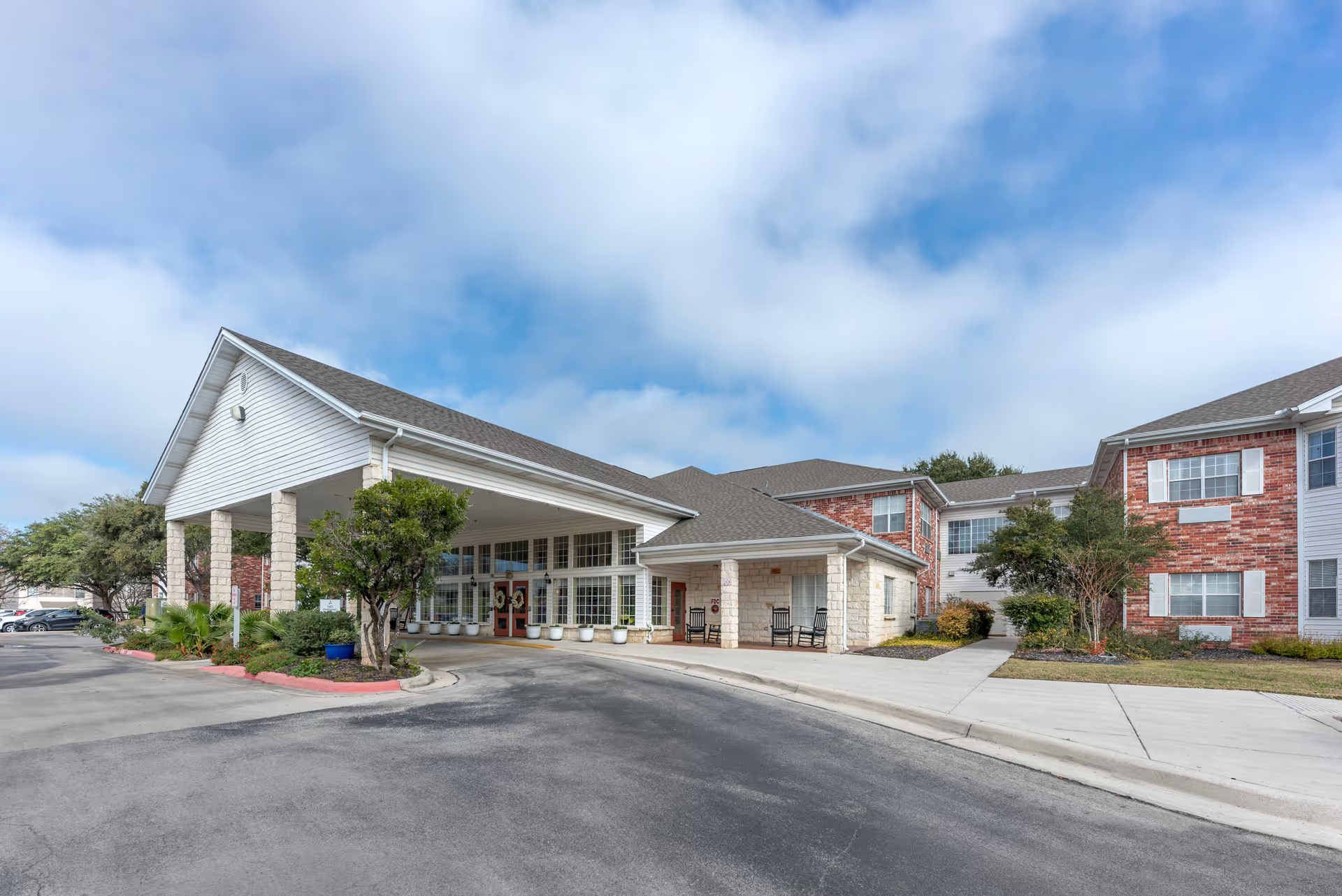
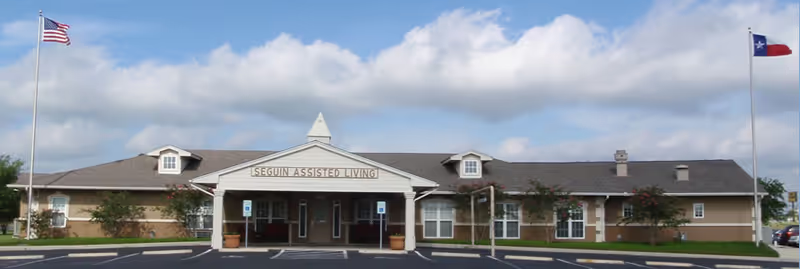
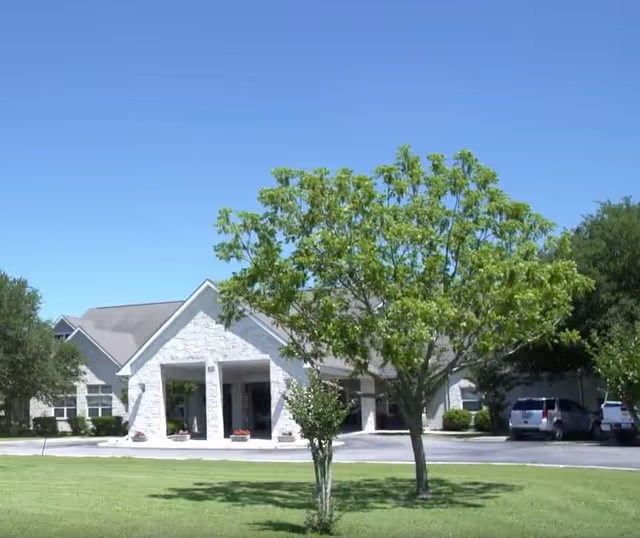
Mercy House New Braunfels is frequently described as a small, home-like memory-care community with a strong emphasis on compassionate, person-focused caregiving. Families commonly praise the warmth and attentiveness of direct-care staff, the facility’s homelike décor, and landscaped outdoor spaces that include a courtyard, patio seating, and animal-related features (a facility dog and bird feeders) that many residents and visitors find comforting. Several reviews highlight long-tenured staff members and accessible leadership that provide continuity, individualized attention, and practical placement support, including help with Veterans benefits and transition logistics.
Care quality is a mixed but generally positive picture. Many families report that memory-care programming is appropriate and that staff are skilled at personalizing approaches for residents with dementia or mobility decline. At the same time, there are documented operational concerns affecting clinical consistency: wound care, transfer practices, and medication-administration processes were singled out as areas needing more reliable protocols and staff training. These clinical-skill inconsistencies appear to be connected in part to staffing variability and turnover, which some families linked to delays in care, uneven supervision (particularly at night), and variable response times.
Dining and activities show variability across experiences. Several families compliment the facility’s meals and social programming, and the activities director receives positive mention for engaging offerings. However, other families describe inconsistent meal quality, presentation issues, and ups-and-downs in the activity schedule — with a few accounts indicating minimal programming beyond occasional events. Overall, activity engagement appears strong when staffing and programming are stable, but inconsistent staffing can limit regular group activity availability.
The physical environment is generally praised for cleanliness, pleasant scent, and careful landscaping; reviewers often describe a warm, residential ambiance. Nonetheless, operational maintenance and safety are recurring concerns: examples include accessibility hazards, a broken gate, debris or slip risks, and locked or inconvenient bathroom access. These issues suggest the need for more consistent environmental maintenance and clearer policies for resident access to facilities.
Management and communication receive both commendation and criticism. Many families describe management as proactive, hands-on, and responsive to questions and care updates; named leaders and staff are credited with facilitating smooth transitions. Conversely, other families experienced communication breakdowns during intake or thereafter, citing inconsistent accountability and occasional perceived owner disengagement. These mixed experiences point to variability in how communication and problem resolution are handled day to day.
Pattern summary and recommendations for prospective families: Mercy House’s strongest assets are its caregiving culture, small-community feel, outdoor amenities, and staff who form close relationships with residents. Prospective residents and families should evaluate clinical-match for acuity (particularly for advanced dementia or complex wound care), confirm current staffing levels and overnight-supervision protocols, review medication-administration and documentation practices, and inspect private-room and bathroom availability if those are priorities. Visiting during activity times and speaking directly with leadership about maintenance, safety checks, and communication processes will help determine whether the facility’s strengths align with a specific resident’s needs.