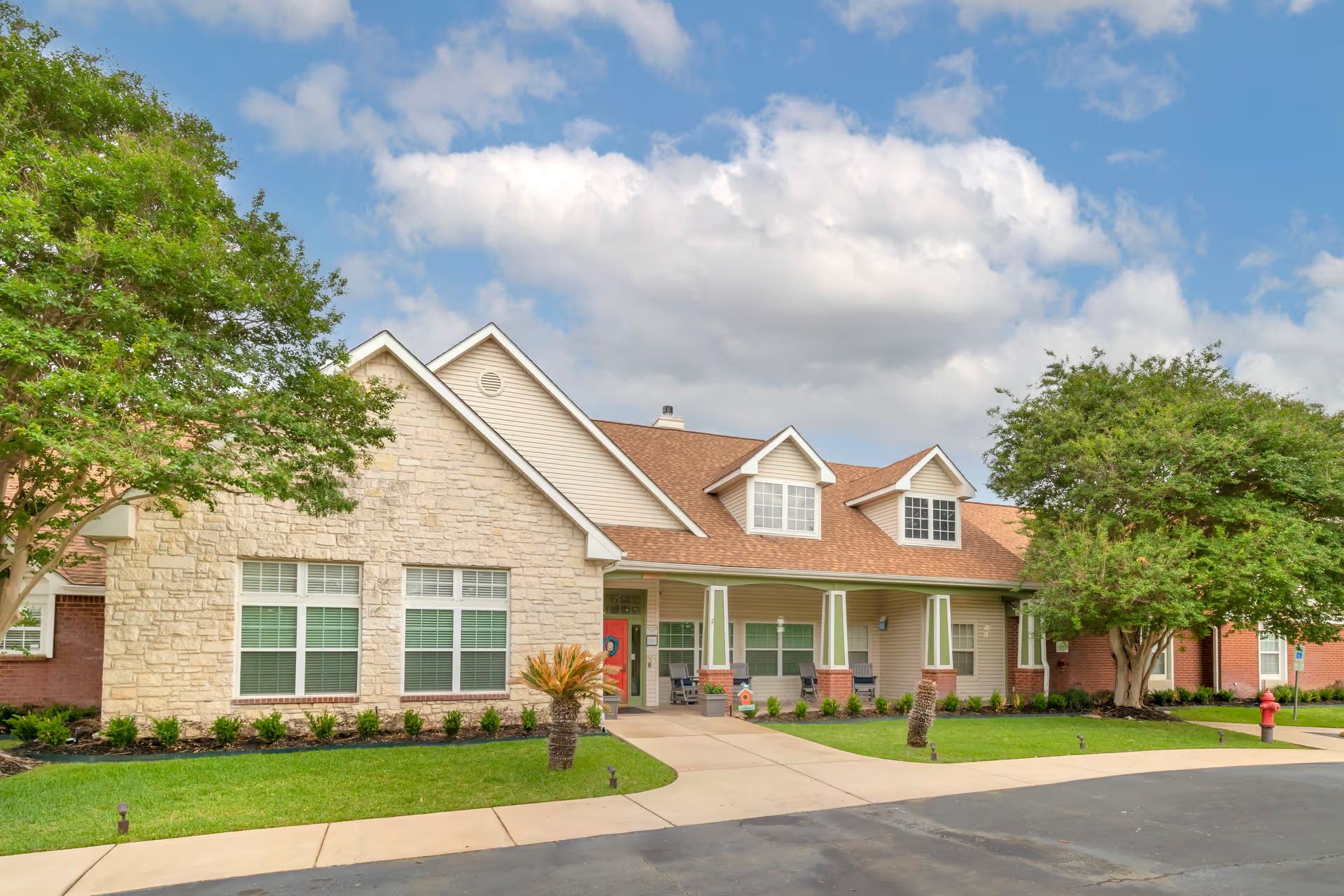
Overall impression: The Legacy at Forest Ridge presents as a newer, well-maintained community with many amenities and a hotel-like apartment model that appeals to families seeking private rooms and an active environment. A large number of accounts emphasize warm, caring staff, strong family communication, and a broad activities calendar; those positive elements are frequently cited as drivers of improved resident mood, increased appetite, and family peace of mind. At the same time, there is variability in experience: while many families report consistently good care, others describe operational gaps that prospective families should evaluate during a visit.
Care and staff: Staff are generally described as compassionate, attentive, and family-focused, with individual caregivers and nurses singled out for going above and beyond. Families note clear communication from the business office and nursing staff, responsiveness to maintenance and care requests, and helpfulness in transitions. However, recurring operational issues include inconsistent staffing levels, reliance on agency personnel, and turnover that can affect continuity of care. There are also accounts of lapses in routine personal-care tasks and incontinence-care practices, and some families noted gaps in clinical documentation and follow-up—areas that suggest variability in care processes and oversight.
Dining and nutrition: Dining receives mixed but specific feedback. Many residents and families praise the dining presentation, dessert offerings, and certain menu options; some residents reportedly enjoy the meals and gain weight in the community. Conversely, several accounts describe meals that are starch-heavy, occasionally served at suboptimal temperatures, and limited in fresh fruits and vegetables. Meal consistency and nutritional variety appear to be reliable strengths in some cases and weaknesses in others, so prospective families may wish to sample current menus and ask about seasonal/menu-planning practices.
Activities and programming: Activity programming is a clear strength. The community offers frequent, organized activities, exercise classes, outings, and memory-care programming that encourage participation. Residents often benefit from an engaged activities director and structured social opportunities. These offerings are consistently cited as contributing positively to resident quality of life.
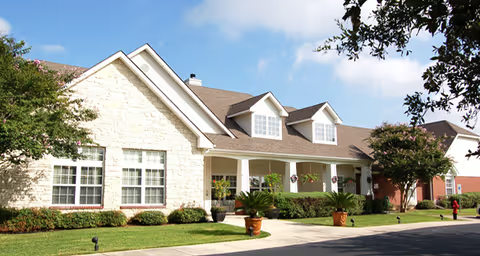
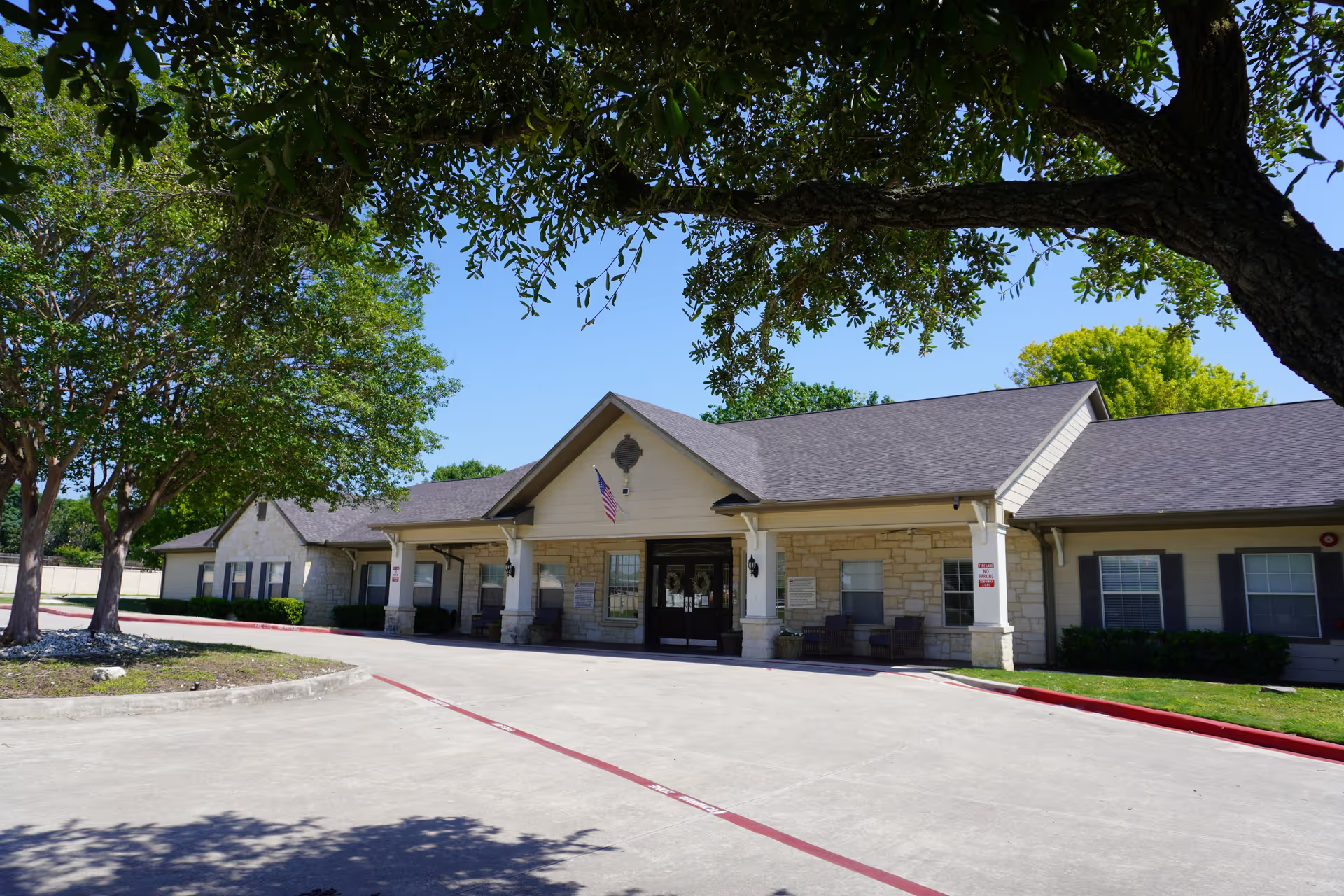
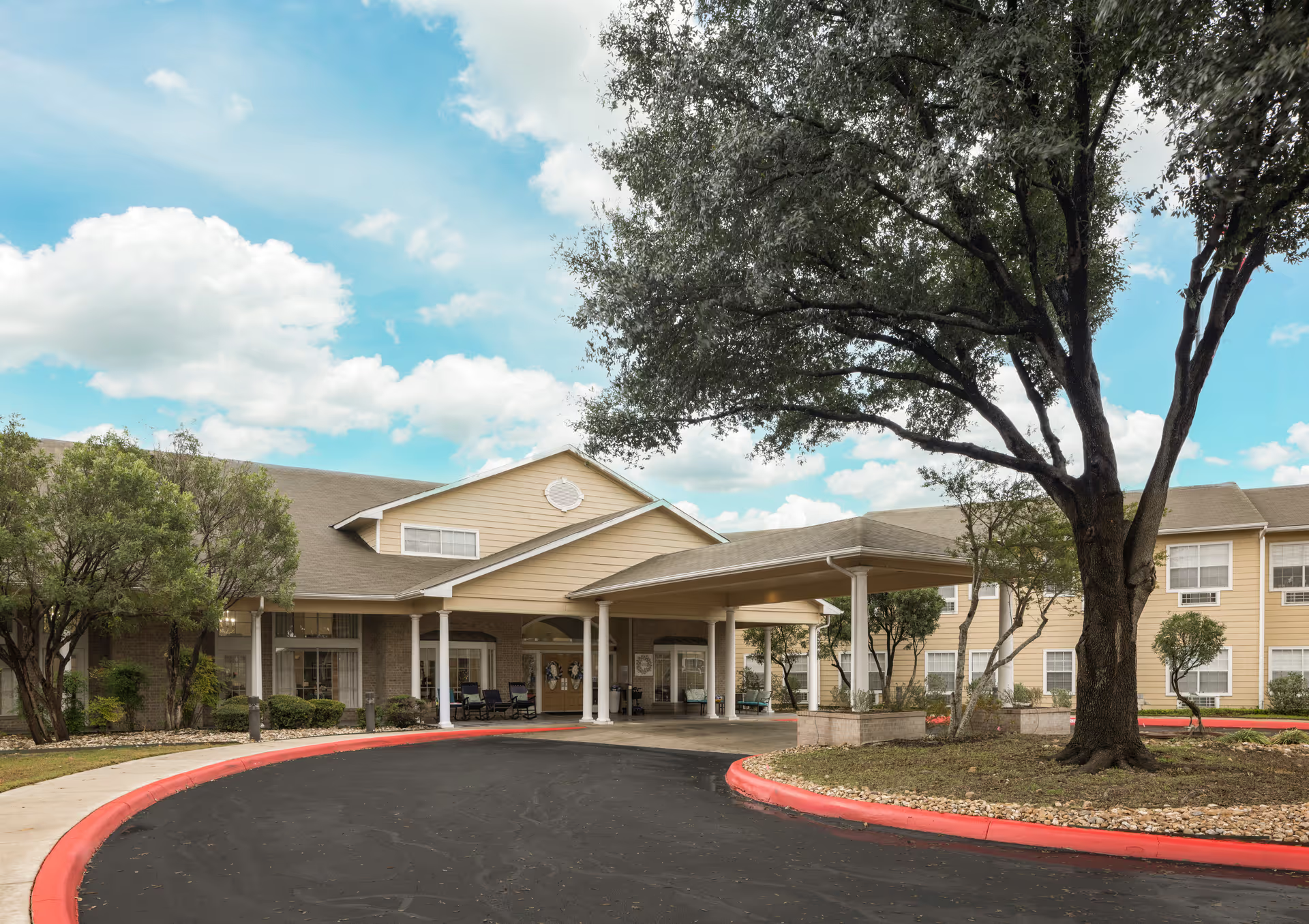
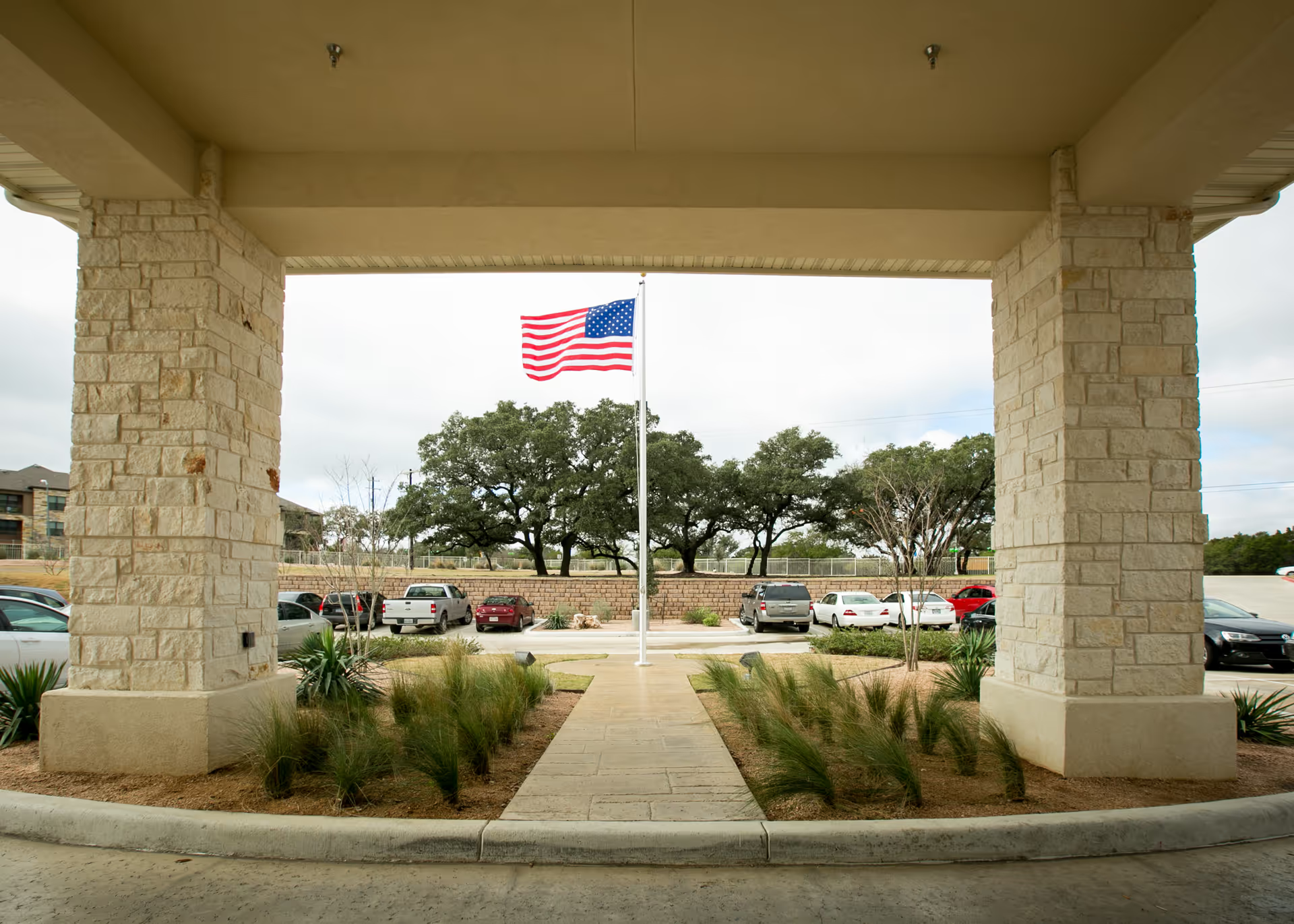
Facilities and safety features: The physical plant is commonly described as clean, modern, and well-equipped, with spacious unit layouts, private baths, and amenities such as a salon, gym, game rooms, and outdoor seating. Security features (electronic keycards, locked memory-care access, cameras in some areas) and infrastructure (backup generator) are also appreciated. That said, the memory-care neighborhood is described in some accounts as compact and dim with limited natural light, which may affect suitability for residents who need more open, well-lit spaces. A few families raised questions about sensor/motion systems and potential response delays tied to those technologies.
Management and notable patterns: Many families praise responsive management and individualized attention from leaders; several accounts highlight corrective action when concerns are raised. Conversely, there are also reports indicating inconsistent accountability, occasional supply shortages for resident personal items, laundry mixups, and perceived high-pressure marketing during tours. A limited number of accounts describe alleged serious lapses that prompted additional scrutiny or investigation; these appear to be isolated but significant for those affected. The overall pattern is one of generally strong interpersonal care offset by operational variability in staffing, documentation, and some clinical-support processes.
Recommendation for prospective families: Visit in person, observe the memory-care neighborhood for light and circulation, sample recent menus, and ask for specifics on staffing ratios, use of agency staff, sanitation and incontinence-care protocols, emergency-response procedures, and documentation practices. Request references from current families and inquire how management has addressed any past service lapses. The community offers many genuine strengths in staff engagement, activities, and amenities, but the variability noted across accounts suggests that due diligence is important to confirm that current operations match your priorities for safety and day-to-day care.