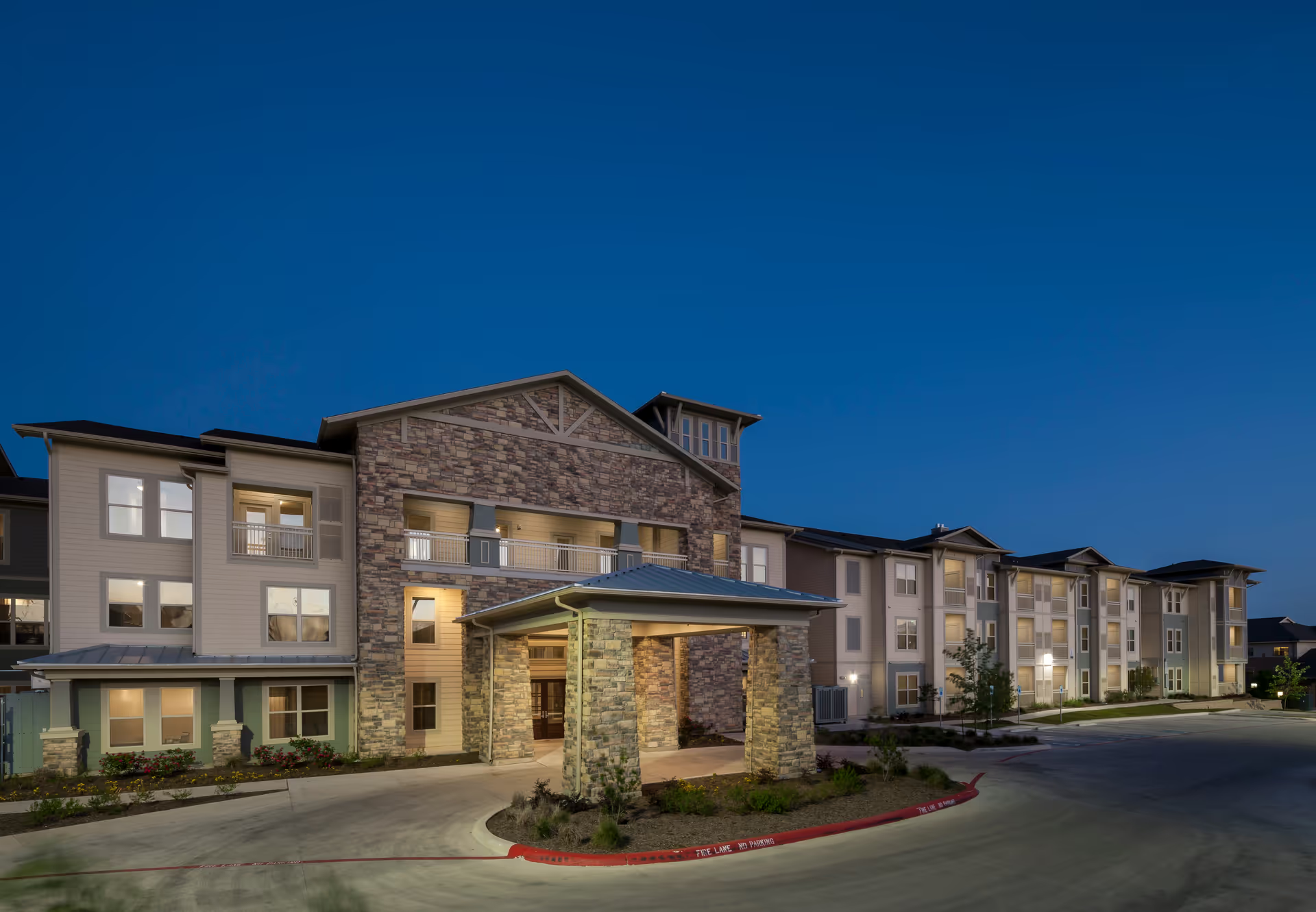
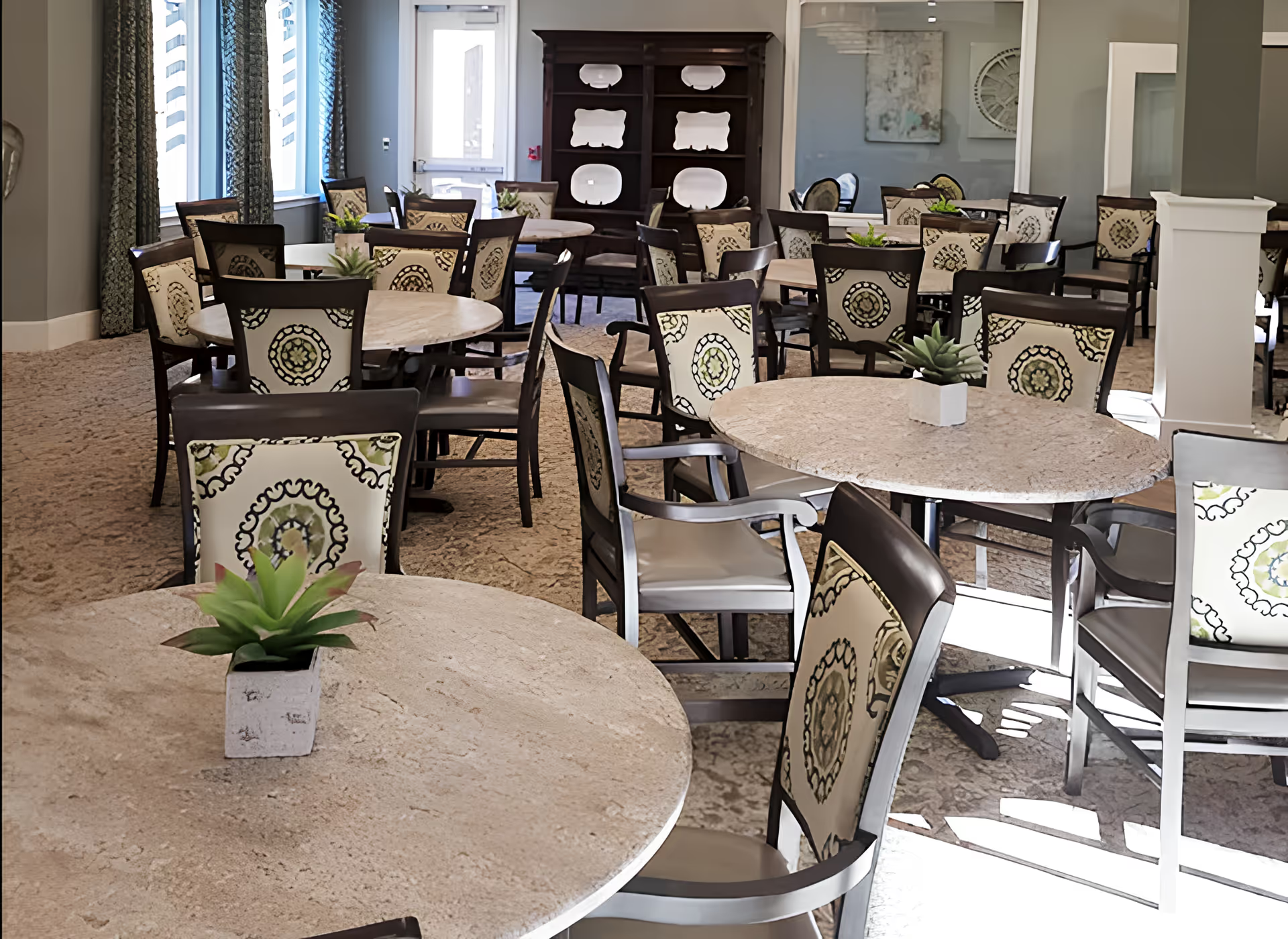
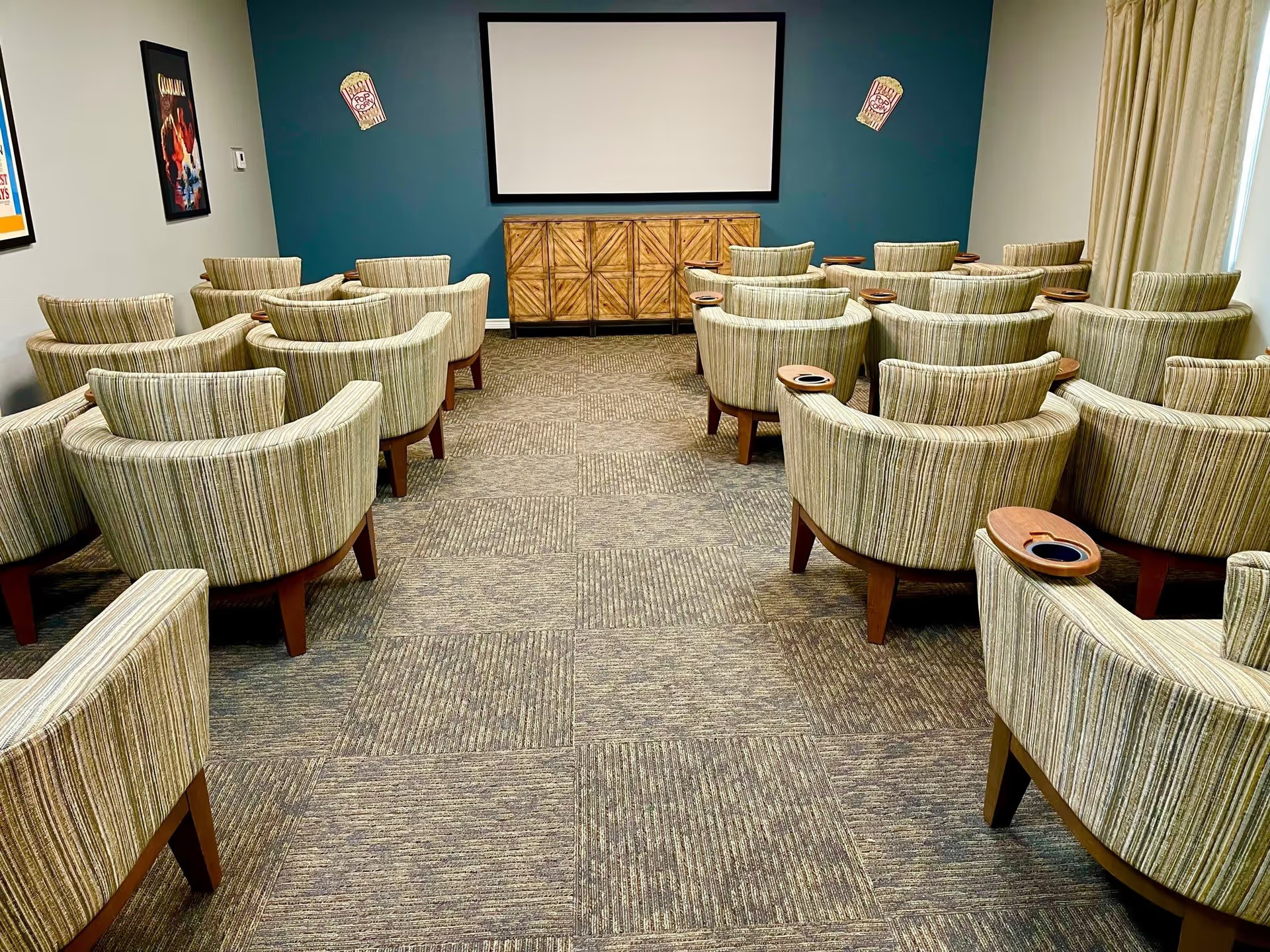
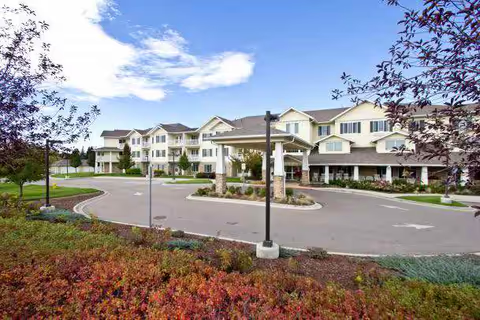
Emerald Oaks presents as a newly built, resort-style independent living community with a strong emphasis on hospitality and social programming. Positive themes across reviews include a bright, well-maintained building (frequently described as airy or atrium-like), chef-led dining with multiple daily options, a broad schedule of activities and nightly entertainment, and a range of on-site amenities such as a movie theater, fitness room, salon, small store, and pharmacy. Apartments are generally characterized as spacious and modern, with many units offering in-unit laundry and full kitchens; residents and families commonly praise weekly housekeeping, responsive maintenance, and a concierge-style move-in experience.
Staff performance is the facility’s most consistently noted strength. Reviewers describe staff as welcoming, personable, and attentive; many accounts highlight staff who know residents by name, provide above-and-beyond assistance during illness or transition, and deliver prompt emergency responses when needed. The community atmosphere is frequently described as social and engaging, with many organized outings, themed entertainment, therapy-animal visits, and multiple opportunities for active participation.
Dining and activities receive largely favorable commentary, though there is variability in perceptions of menu execution. Many residents appreciate chef-prepared meals, room service, and a 24/7 snack/soft-serve offering; others cite inconsistent seasoning, overly salty options for some residents, or occasional blandness. The activity program is robust and diverse, including exercise classes, concerts, games, crafts, and outings. On-site therapy and exercise resources are available, and transportation services for medical appointments and shopping are part of the operating model, though scheduling constraints are noted.
Notable patterns of concern focus on operational and clinical clarity. Several reviewers raised substantive concerns about the alignment between marketing and the facility’s licensed clinical scope — specifically, confusion about availability of 24/7 onsite clinical coverage and the ability to provide higher levels of medical care. A small number of accounts described significant clinical incidents and questioned medication-management and incident-response processes; those comments suggest prospective residents should verify clinical policies and escalation procedures. Related operational issues include reports of management turnover, intermittent kitchen staffing interruptions, and occasional shortfalls in communication and coordination during transitions.
Other practical drawbacks cited across reviews include limited outdoor/courtyard amenities and mixed landscaping, variability in the availability of promised amenities while the community continues to ramp up, transportation scheduling limits (including specific clinic-day constraints), and ongoing concerns about pricing and annual increases affecting affordability for some households. A number of reviewers also commented about waitlists for popular floor plans.
For prospective residents and families: Emerald Oaks scores highly on hospitality, social programming, physical environment, and staff responsiveness in independent-living contexts. Before committing, verify (1) the community’s licensed clinical scope and procedures for escalation of medical events, (2) contractual terms around deposits, monthly fees, and annual increases, (3) current amenity availability versus planned rollouts, and (4) contingency plans for staffing disruptions (especially kitchen and clinical coverage). These checks will help align expectations around care level, dining consistency, and cost over time.