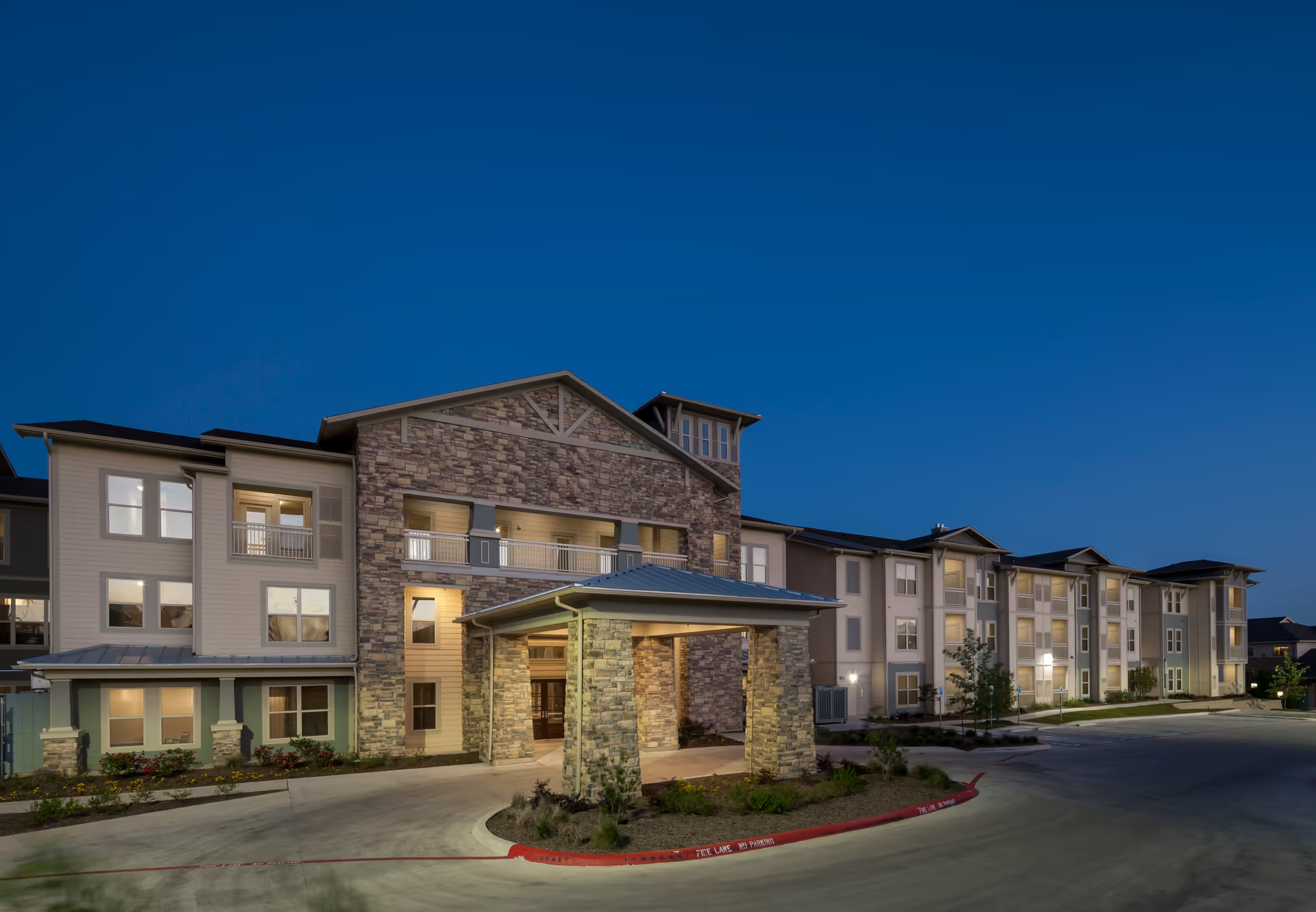
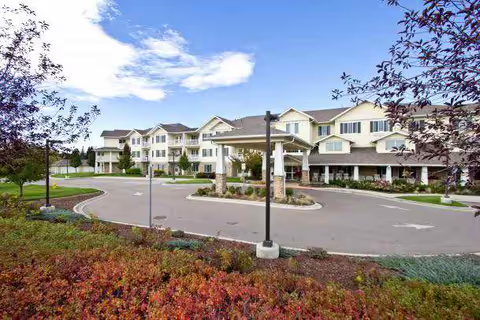
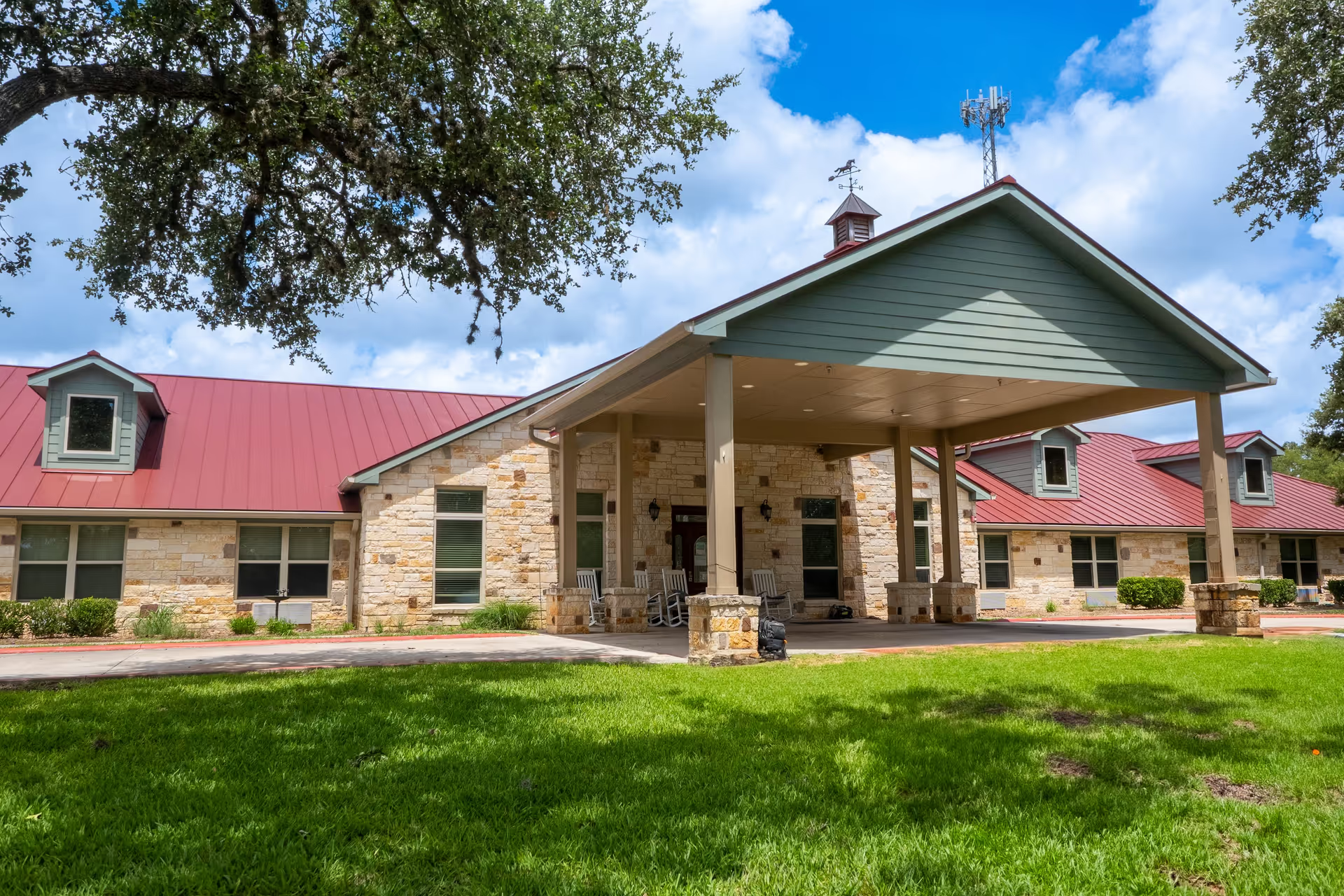
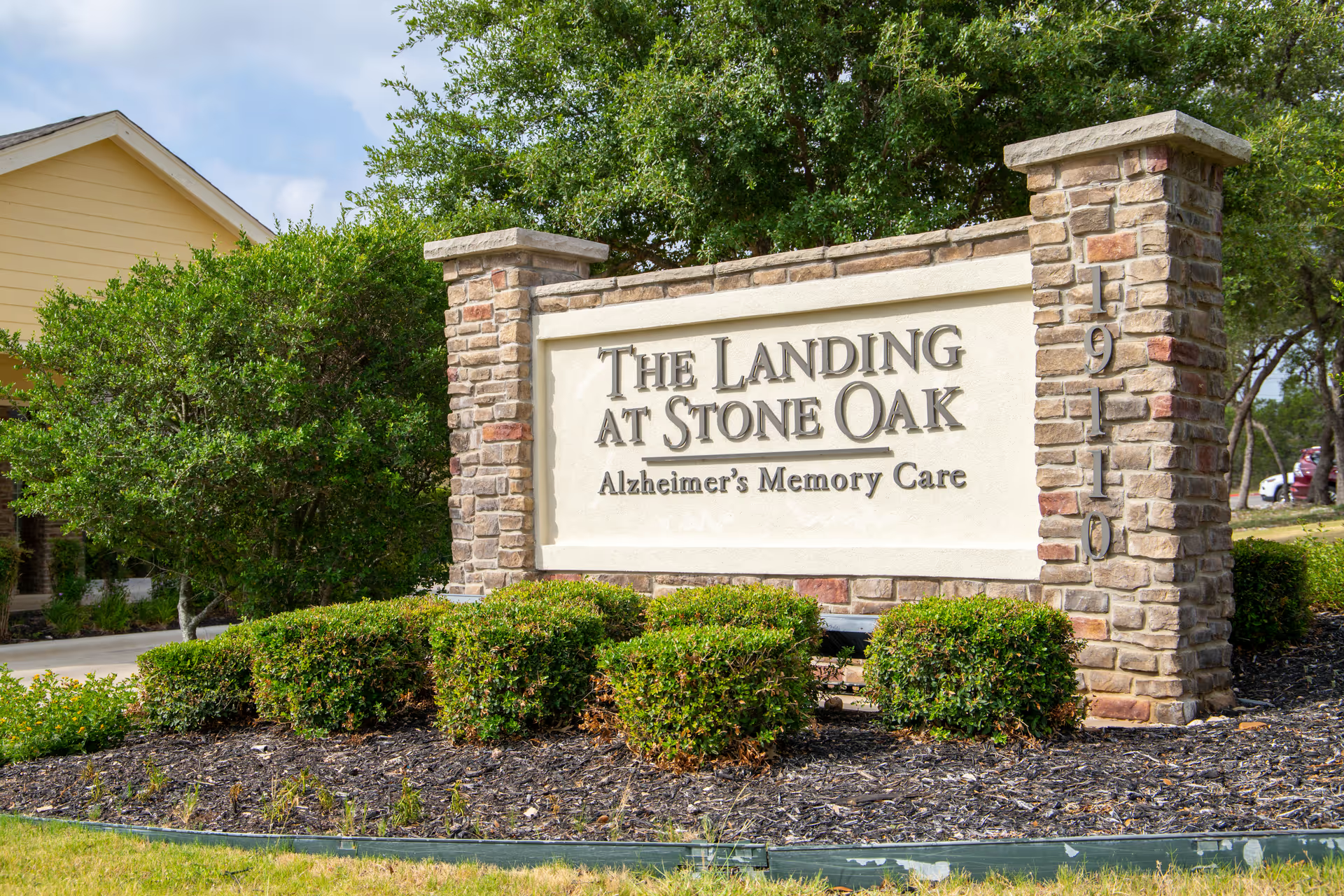
Overall impression: Sodalis at Stone Oak presents as a modern, well-appointed assisted-living and memory-care community with many parents and families expressing strong satisfaction. Common strengths include a visible, compassionate frontline caregiving team, on-site nursing coverage, private apartment options with en-suite baths, pleasant outdoor spaces, and a robust, varied activities calendar. Admissions and transition staff are frequently described as proactive and helpful, and many families cite an easy move-in and quick resident adjustment.
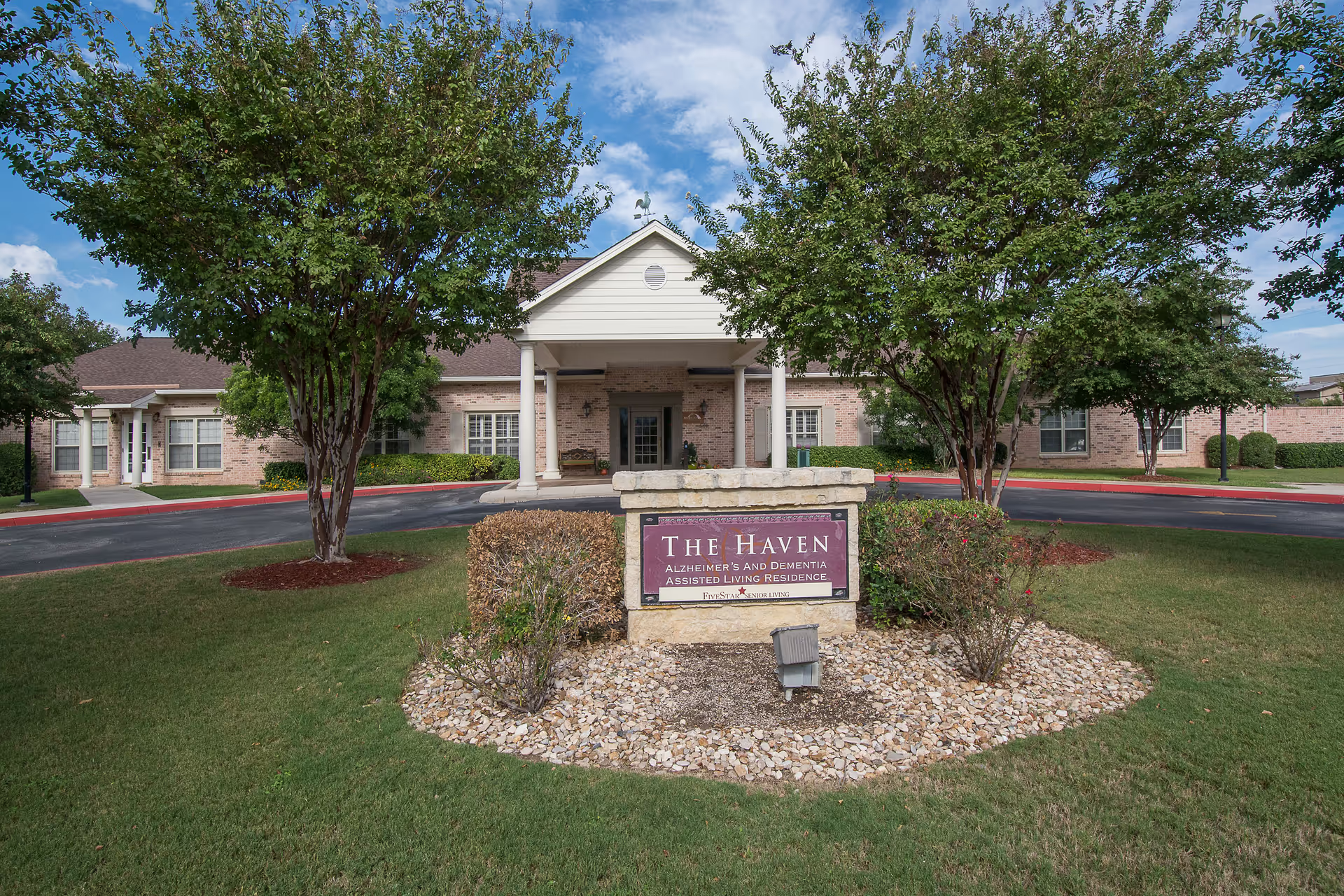
Care quality and clinical services: Direct-care staff and nursing presence receive consistent praise for attentiveness, empathy, and knowledge of residents. The community offers memory-care programming and a Bridge option to help transitions between levels of care. At the same time, several accounts describe gaps when a resident's acuity increases beyond the facility’s capacity: families cited friction in care coordination, challenges placing higher-acuity or behaviorally complex residents, and instances where transfer to another setting was recommended. These patterns suggest strong baseline care for typical assisted-living and memory-care needs, with potential limitations for residents requiring more intensive clinical management.
Staff and management: Frontline staff are widely commended for being friendly, familiar with residents, and engaged in daily life. Management visibility and hands-on involvement are reported positively by many families, and specific admissions and nursing staff are often singled out for helpfulness. However, the reviews also reveal variability at the administrative level: turnover in leadership, inconsistent communication tone with families, and occasional complaints about adversarial interactions and billing opacity. These managerial inconsistencies appear to be an important driver of divergent family experiences.
Dining and housekeeping: Dining impressions are mixed. Numerous families praise the chef, accommodating special diets, and enjoyable meals; conversely, others describe inconsistent meal quality, overcooked items, limited portions, or interruptions in service. Housekeeping and laundry are generally viewed as strengths in common areas, but several families reported variability at the apartment level — delays in laundry, misplaced clothing, and requests for more consistent bathing schedules or posted housekeeping logs. These operational inconsistencies affect perceptions of value and day-to-day resident comfort.
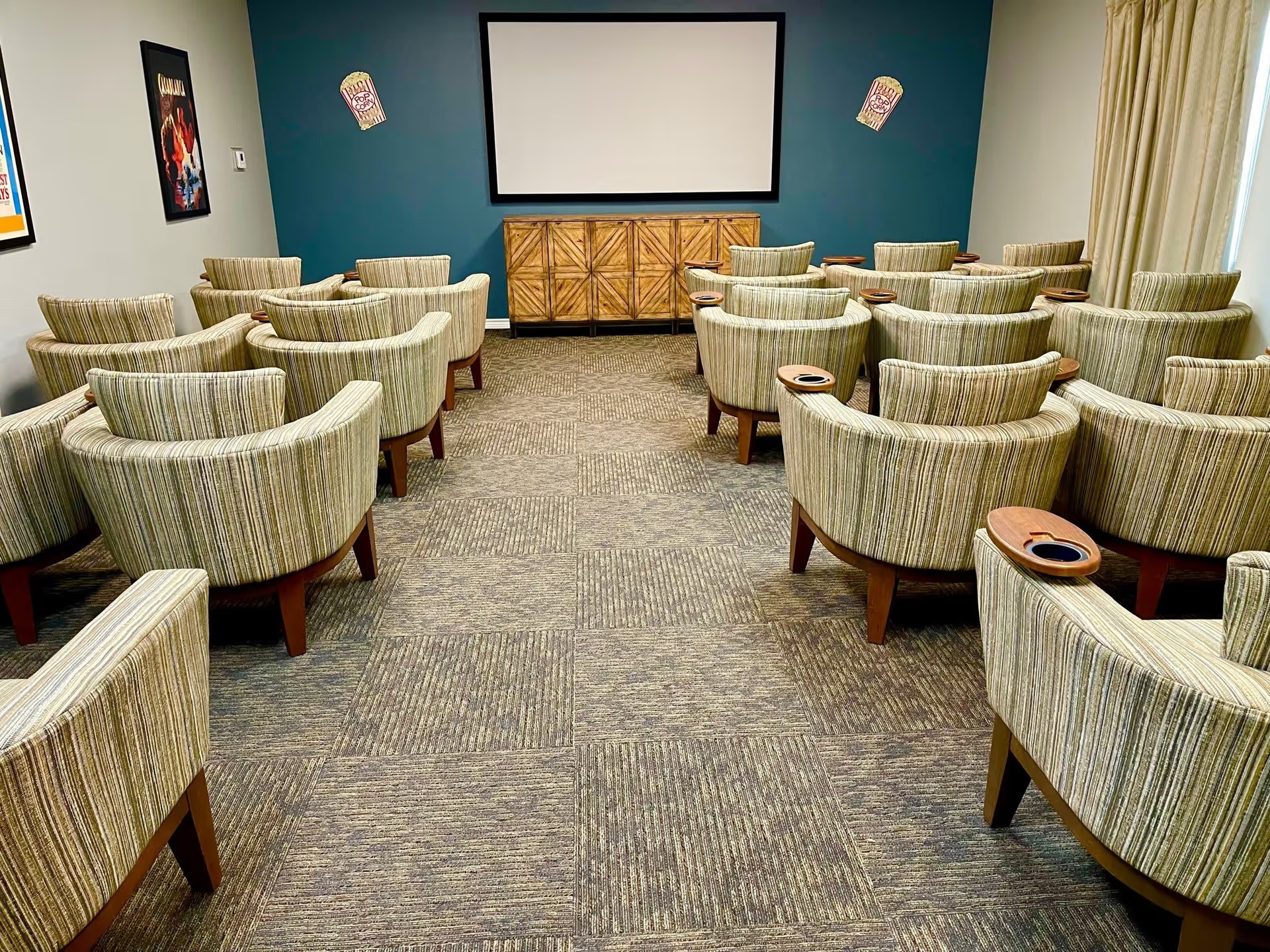
Activities and community life: The community offers a broad mix of activities — exercise, crafts, holiday programming, games, entertainers, and social events — and many residents are described as active and socially engaged. Memory-care programming is noted as thoughtful and engaging by multiple families. That said, some reviewers reported reduced frequency of certain offerings or limited participation opportunities, indicating uneven activity continuity in some periods.
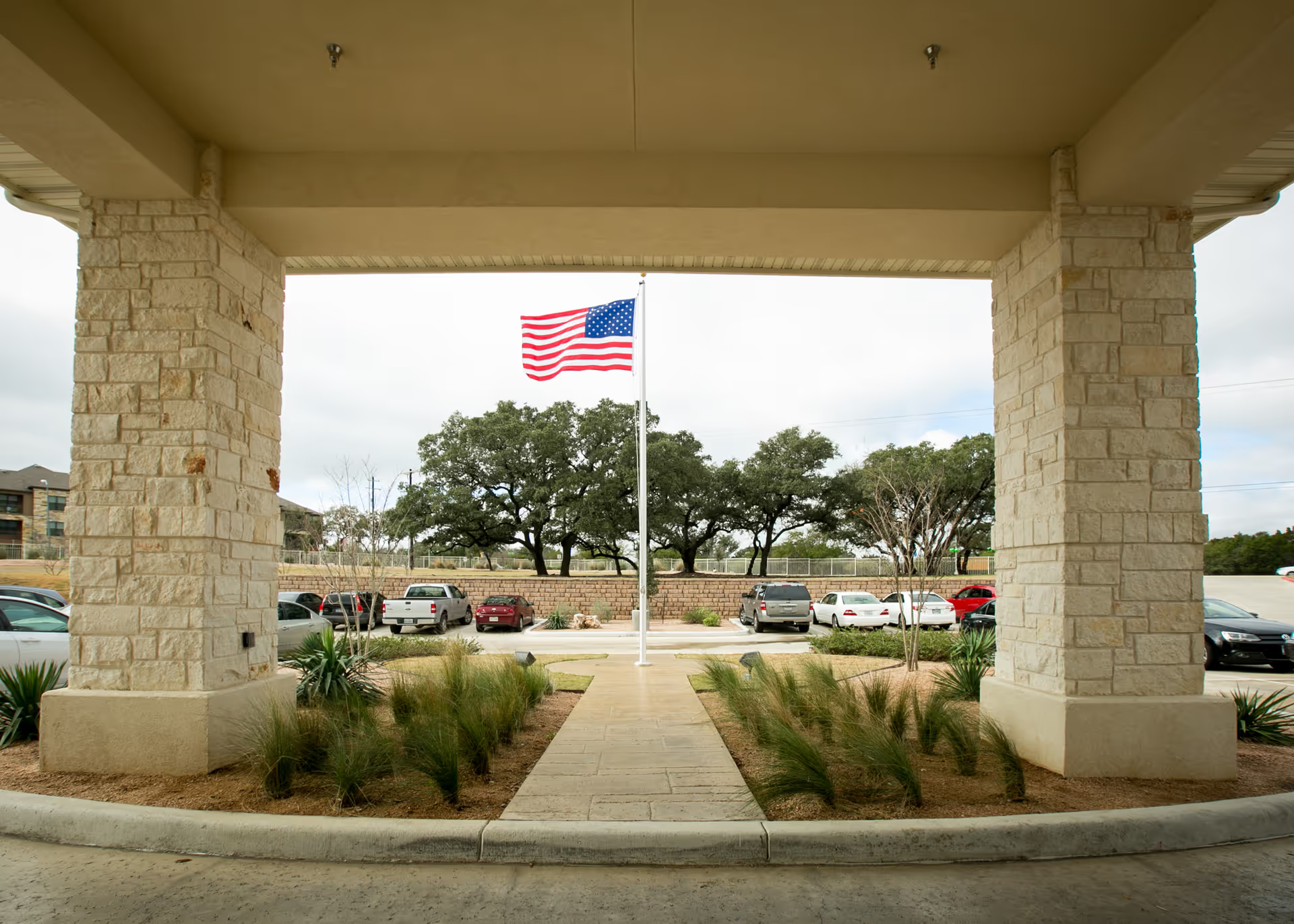
Facilities and safety concerns: The facility's design, cleanliness of public spaces, and grounds are recurring positives. Apartment sizes vary; some reviewers praise larger units while others note smaller room footprints. Several operational concerns surfaced that affect safety and trust: laundry misplacement, occasional sanitation or odor concerns in specific areas, and at least a few serious individual allegations (including missing personal items and concerns following a resident's death). These are described as isolated in the context of many positive accounts but merit careful inquiry by prospective families.
Notable patterns and guidance for families: Reviews are polarized — many families report excellent, family-like care and peace of mind, while a minority describe substantive operational and administrative problems. The pattern is one of strong frontline caregiving and community life combined with inconsistent back-office processes (billing, property controls, laundry, kitchen continuity) and variable administrative stability. Prospective families should tour the community, observe meal service and activities, and ask specific operational questions: housekeeping and bathing schedules, laundry procedures and accountability for belongings, staffing ratios (including nursing coverage during nights/weekends), recent leadership turnover, policies for higher-acuity transfers, and itemized ancillary fees. Asking to speak with current families and requesting recent quality metrics or housekeeping logs can help validate the experience most relevant to your loved one.