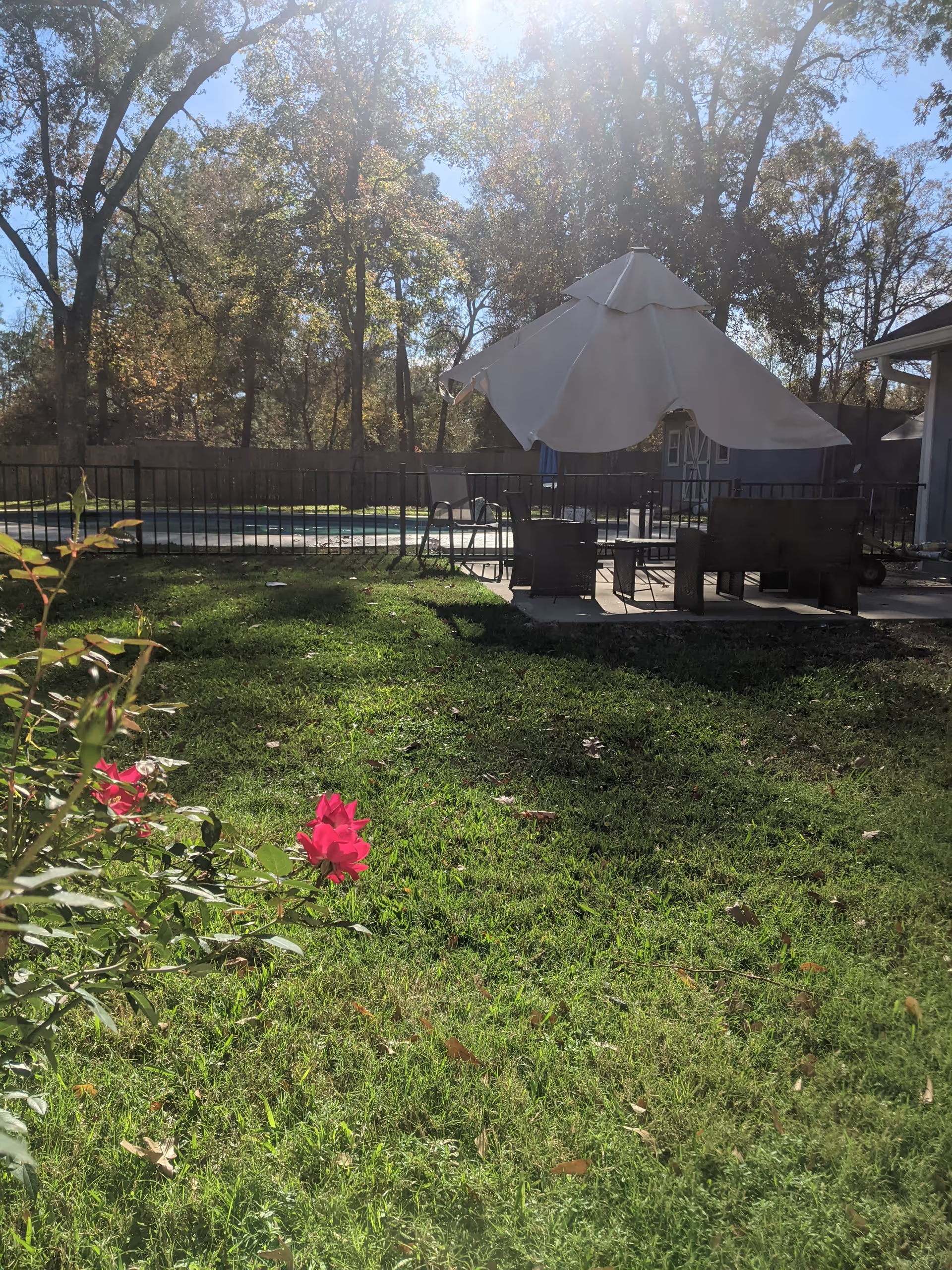
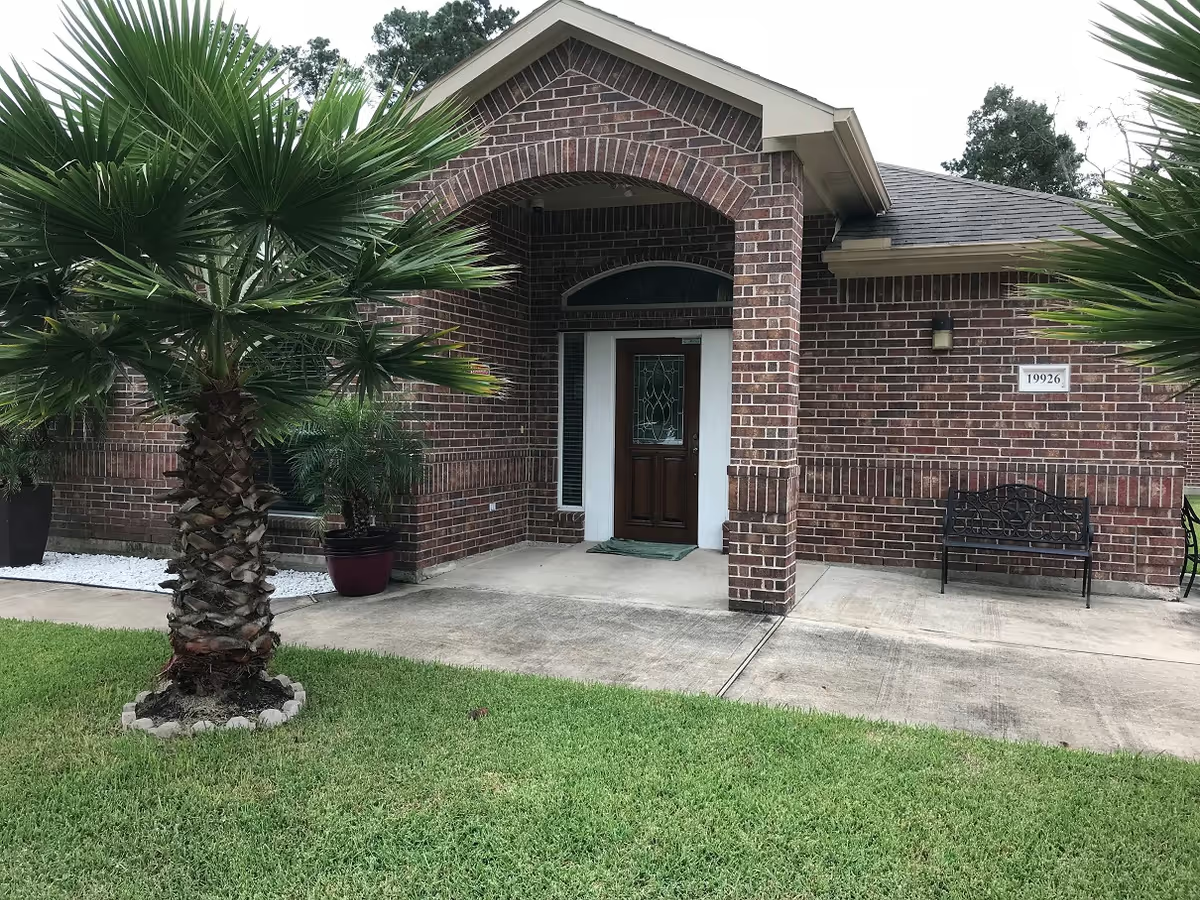
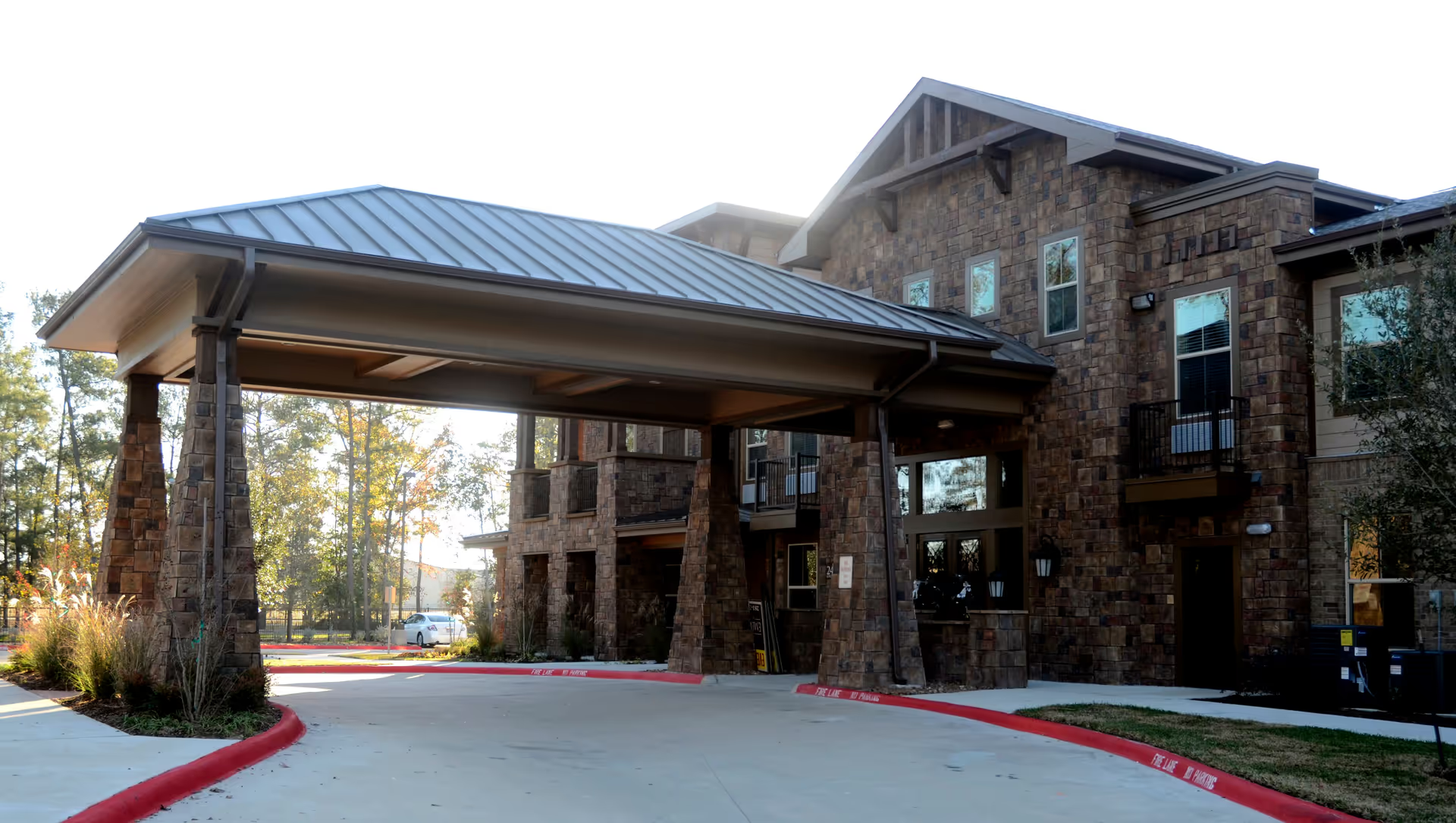
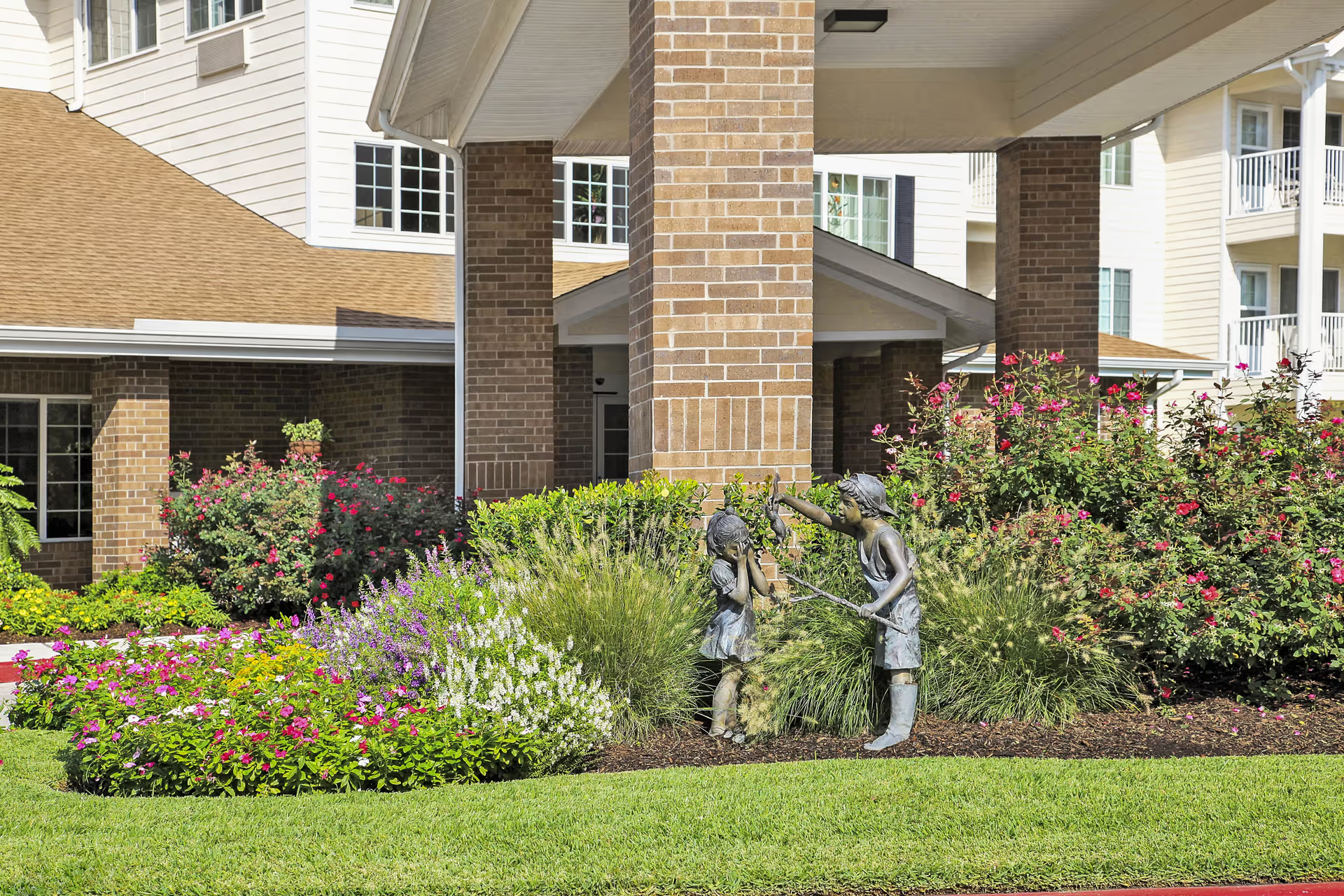
Total Loving Care III presents a mix of clear strengths and some operational weaknesses that prospective residents and families should weigh. Strengths most consistently described include its memory-care focus, private rooms, and a home-like atmosphere set in a peaceful, landscaped setting with gazebos. Several families noted that common areas and some units are exceptionally clean, and the facility offers on-site services that support daily life—barber and salon services and mobile geriatric dental visits were mentioned positively. Administrative staff are frequently described as warm and welcoming, with good communication practices and timely responses to families.
Staff competence and daily-care practices draw largely positive comments: reviewers highlighted attentive, well-trained caregiving staff and timely meal service with nutritionally tailored menus. These operational positives contribute to family confidence and reported resident satisfaction in many accounts. The facility’s visitor-friendly policies and the peaceful campus are additional practical advantages for families who wish to maintain regular contact.
However, several operational concerns emerged that point to inconsistencies in how care is delivered across the campus. Cleanliness appears variable: while some common areas and houses are described as very clean, other units and resident rooms were described as not meeting the same standard, indicating uneven housekeeping practices. Activity programming is another recurrent gap—many reviewers reported a lack of structured activities beyond television, suggesting limited engagement options for residents. Food quality and presentation also appear inconsistent; although meals are described as nutritionally appropriate and sometimes appealing, other accounts cite unattractive presentation and occasional quality shortfalls.
Clinical and care-process issues were also noted. Multiple comments implied gaps in bedside support for fluids and snacks, creating concern about hydration access between meal times. There are suggestions of gaps in clinical monitoring and wound-care follow-up for some residents, and isolated incidents imply weaknesses in personal-item handling protocols. These observations point to operational areas—clinical monitoring, bedside support, and property-management procedures—that merit direct questioning during a tour.
Management and value perceptions are mixed. Many families praised the administrative team for professionalism and clear communication, but others raised concerns about management’s tone and perceived financial priorities. Pricing and perceived value received mixed feedback—some described the facility as a lower-cost option, while others questioned alignment between cost and service quality.
Recommendations for prospective families: during a visit, observe multiple houses and resident rooms to assess cleanliness consistency; request the weekly activity calendar and observe an activity period; review meal menus and ask to see a mealtime; ask how bedside fluids and snacks are stocked and who is responsible for monitoring hydration; inquire about wound-care protocols, staff training, and clinician oversight; clarify property-handling procedures and item-tracking for personal effects; and discuss pricing transparency and what is included in fees. Collecting answers to these operational questions will help determine whether the facility’s many strengths align with your expectations and care needs.