The reviews for Buena Vida Nursing and Rehabilitation Odessa present a highly polarized picture. Many families and some clinical visitors praise the facility’s recent renovations, clean common areas, well-equipped rehab gym, and rehabilitation-to-home successes. At the same time, a number of accounts describe operational and clinical gaps that materially affect resident safety, dignity, and confidence in leadership.
Care quality: Evaluations of clinical care vary considerably. Positive reports highlight compassionate CNAs, attentive nurses on some shifts, successful short-term rehabilitation outcomes, and meaningful hospice and palliative support. Negative accounts describe problems with medication handoffs, late or missed medication administrations, delays responding to call lights, and clinical incidents resulting in emergency care or hospital transfers. These contrasting reports suggest inconsistent performance across shifts and staff assignments rather than a uniform level of clinical practice.
Staff and culture: Many reviewers commend individual staff members and describe warm, family-like relationships between caregivers and residents. Others report concerns about staff conduct, communication tone, and professional accountability; there are specific allegations involving individual employees and critiques of how management responded. High turnover and reports of understaffing were commonly cited and appear linked to rushed care, inconsistent hygiene support, and variability in responsiveness.
Dining and nutrition: The facility receives both positive and negative comments about meals. Several families describe nutritious, appetizing offerings and improved dining following renovation, while other accounts raise concerns about inconsistent adherence to therapeutic diets (for example, diabetic or renal plans) and occasional food-quality or sanitation issues. These mixed impressions point to variability in dietary oversight and meal-service continuity.
Activities and social life: The activity program includes bingo, bible study, outside church visits, and other social offerings; some families report residents are engaged and well-supported by the activities staff. However, other observers describe an institutional feel in parts of the facility and limited interaction among residents, particularly those with greater mobility limitations. Family involvement and frequent visitation appear to influence individual residents’ experience of social engagement.
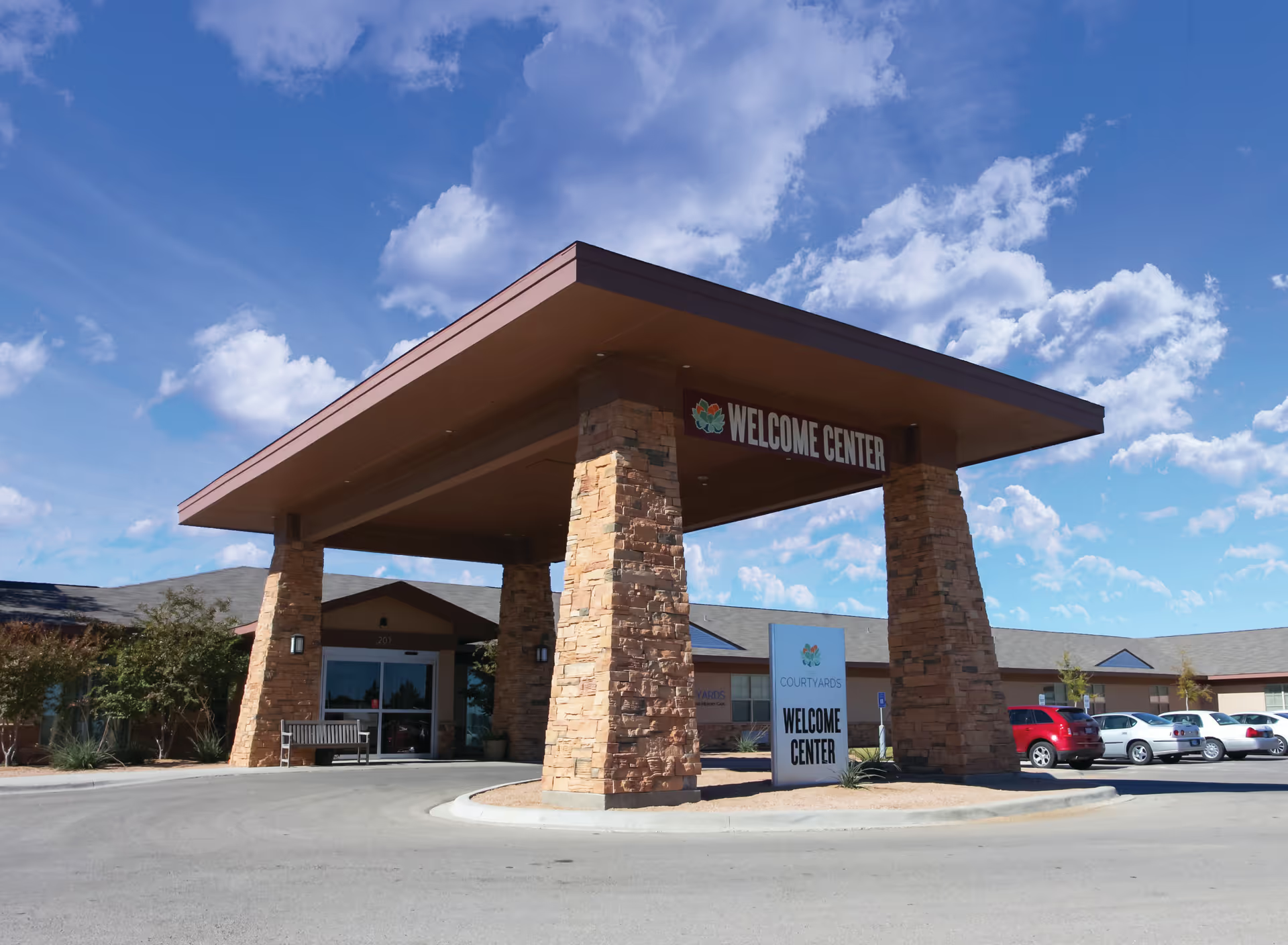
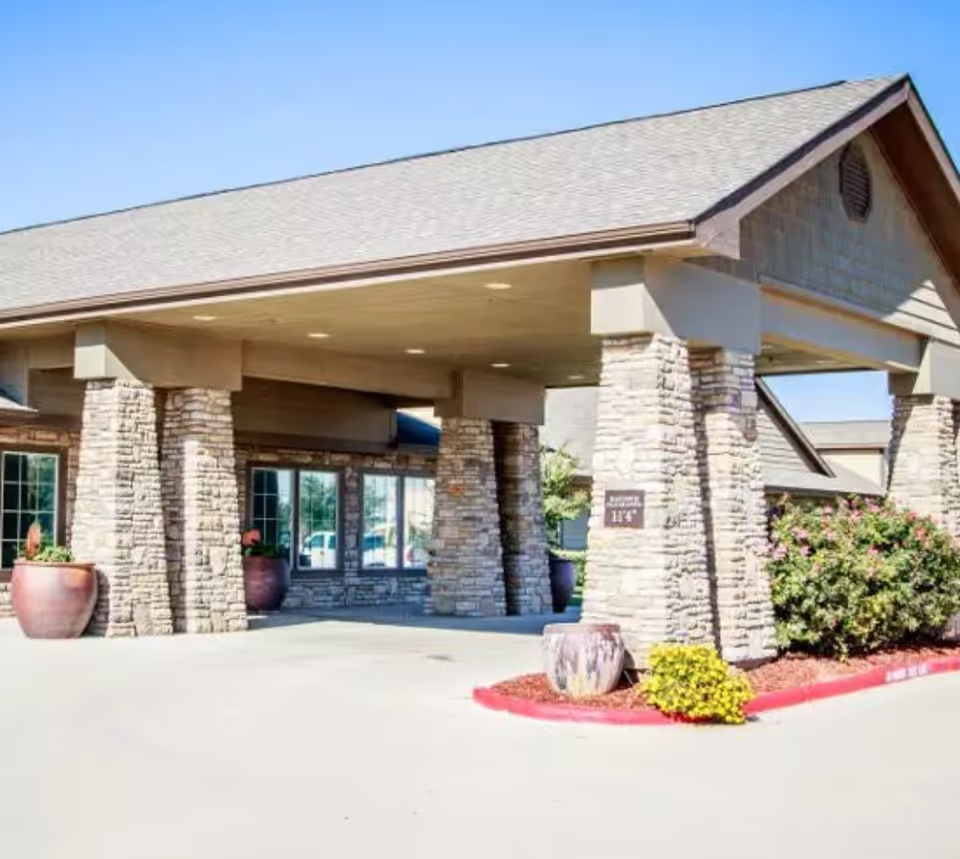
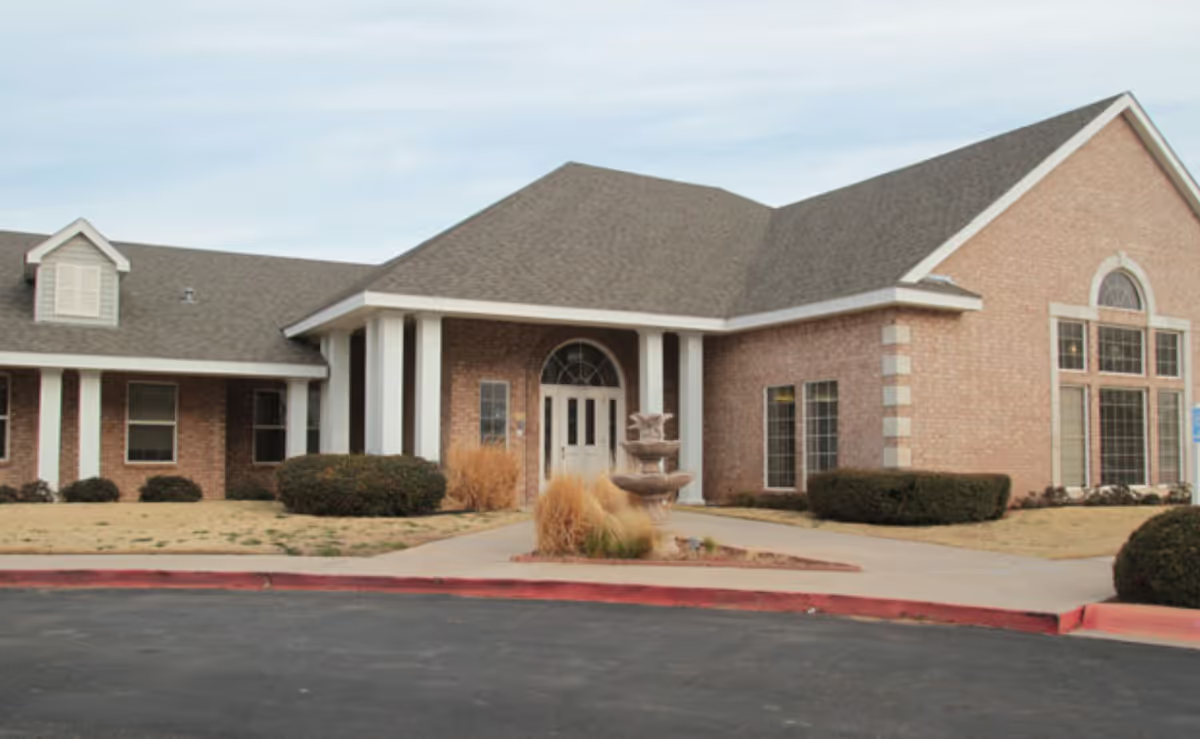
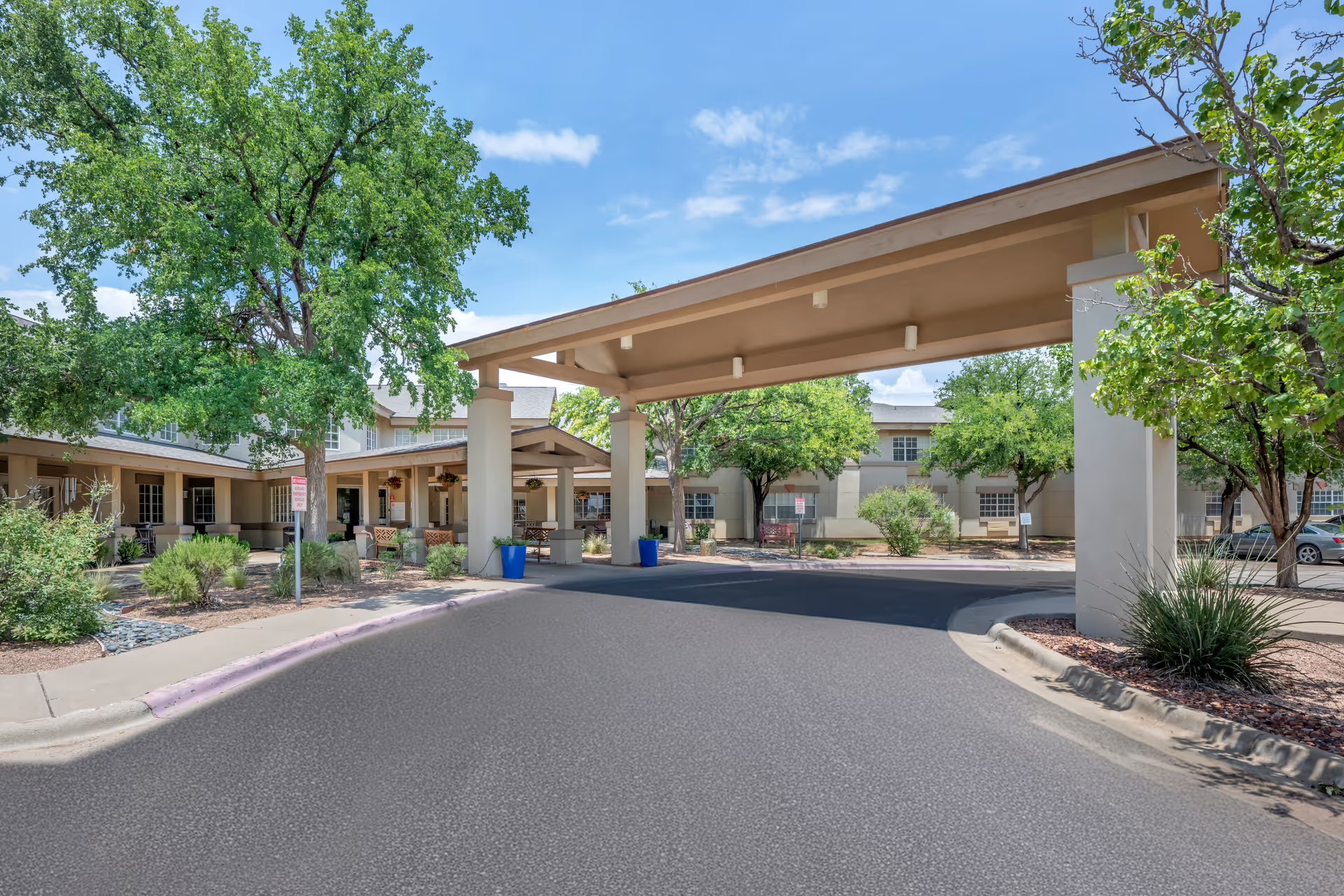
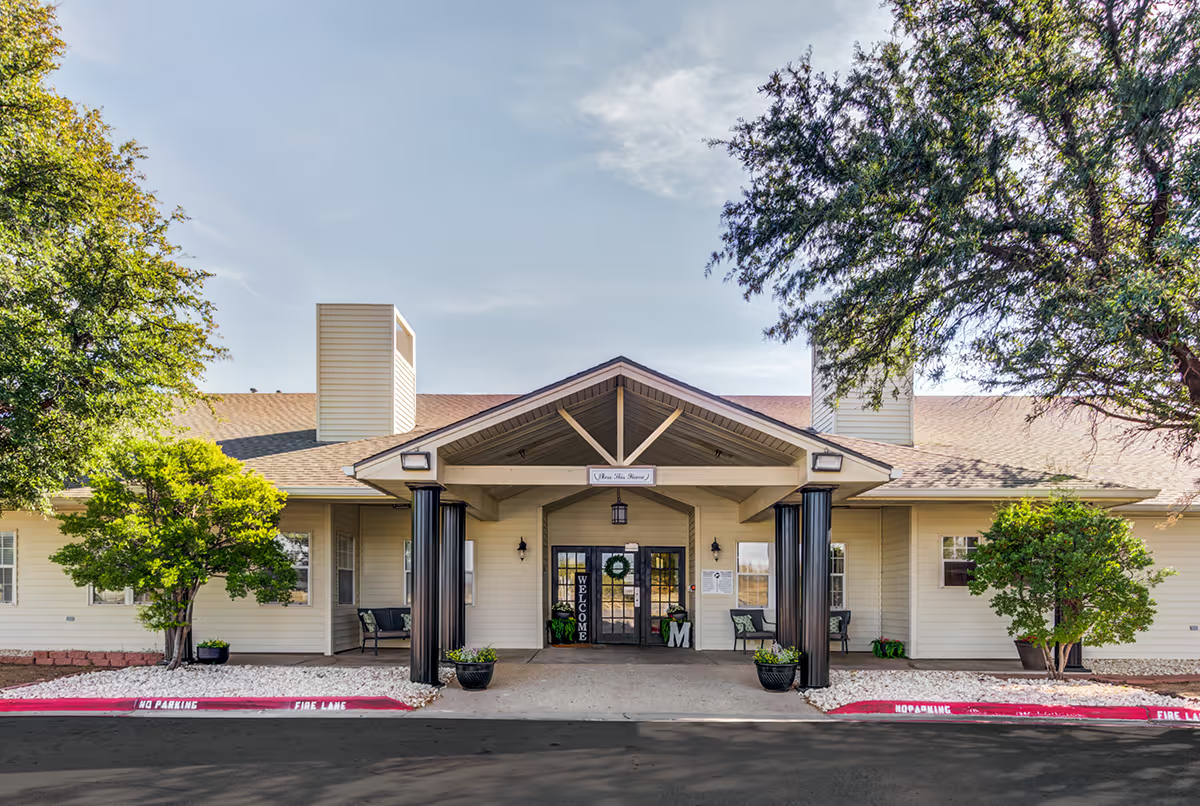
Facilities and privacy: The property’s recent remodel, courtyard, beauty shop, and interior upkeep are frequent positives. At the same time, some rooms are described as small with limited storage and shared-room arrangements separated only by curtains, which can diminish privacy and limit personal-item storage. The overall environment appears well maintained in many areas but not uniformly so across all units.
Management and accountability: Leadership receives mixed evaluations. Several reviewers specifically praise an engaged administrator, knowledgeable admissions/finance staff, and helpful HR or business office personnel. Conversely, other reviews describe inconsistent management follow-through, problematic grievance or discharge handling, and uneven human-resources responses. There are mentions of protective-services involvement in serious cases; these reports underscore the importance of clarifying the facility’s escalation, incident-review, and family-communication protocols during placement decisions.
Notable patterns and guidance for families: The dominant pattern is variability — strong rehab and compassionate staff exist alongside inconsistent clinical processes, staffing instability, and occasional sanitation or diet-control lapses. Prospective residents and families should plan an in-person visit during multiple shifts, ask for metrics on staff turnover and staffing ratios, request documentation of medication-administration and handoff procedures, review therapeutic-diet management, tour both shared and private rooms to assess storage and privacy, and inquire about the facility’s incident escalation and family-notification practices. These steps can help determine whether Buena Vida’s strengths align with a given resident’s clinical and social needs.