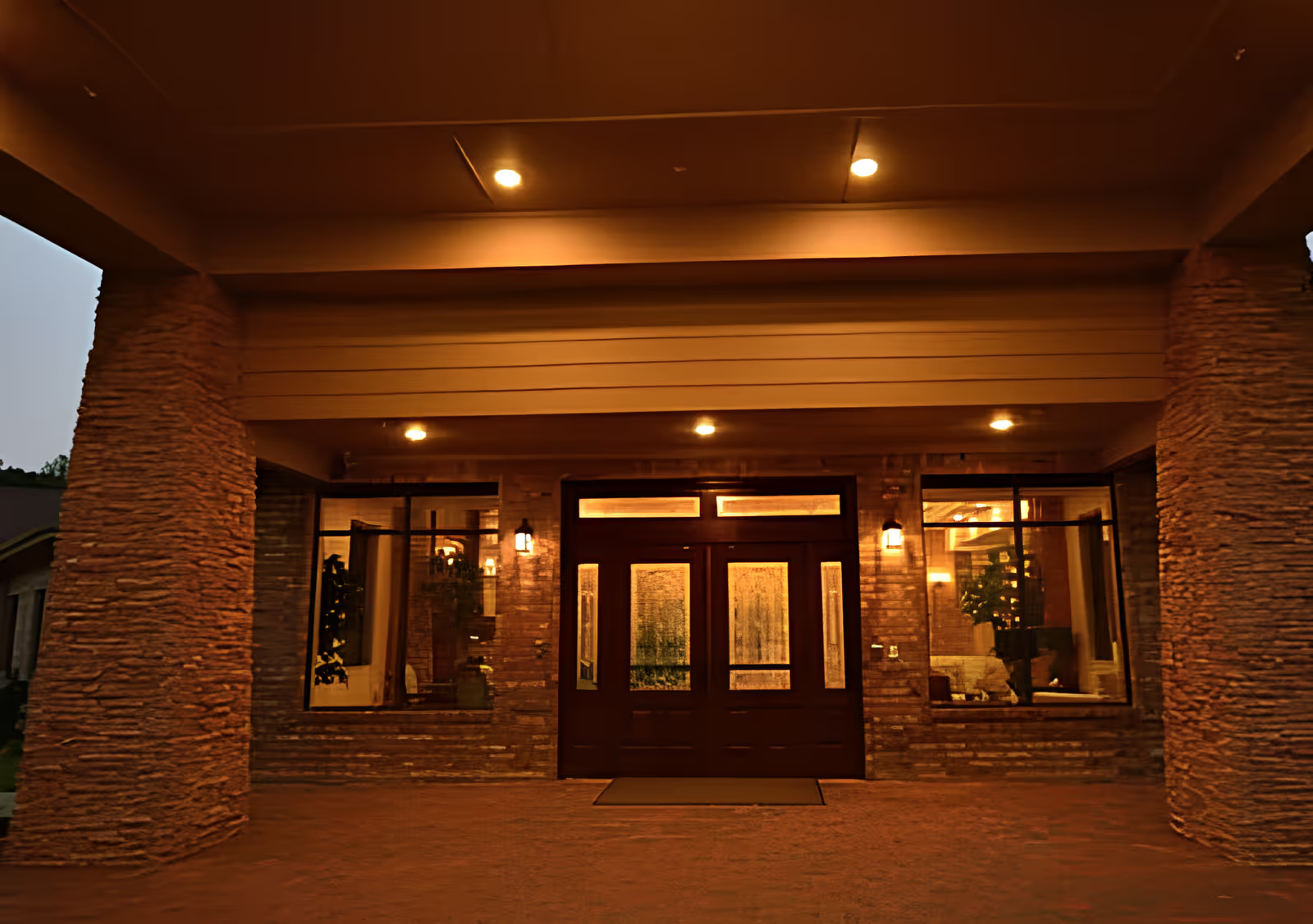
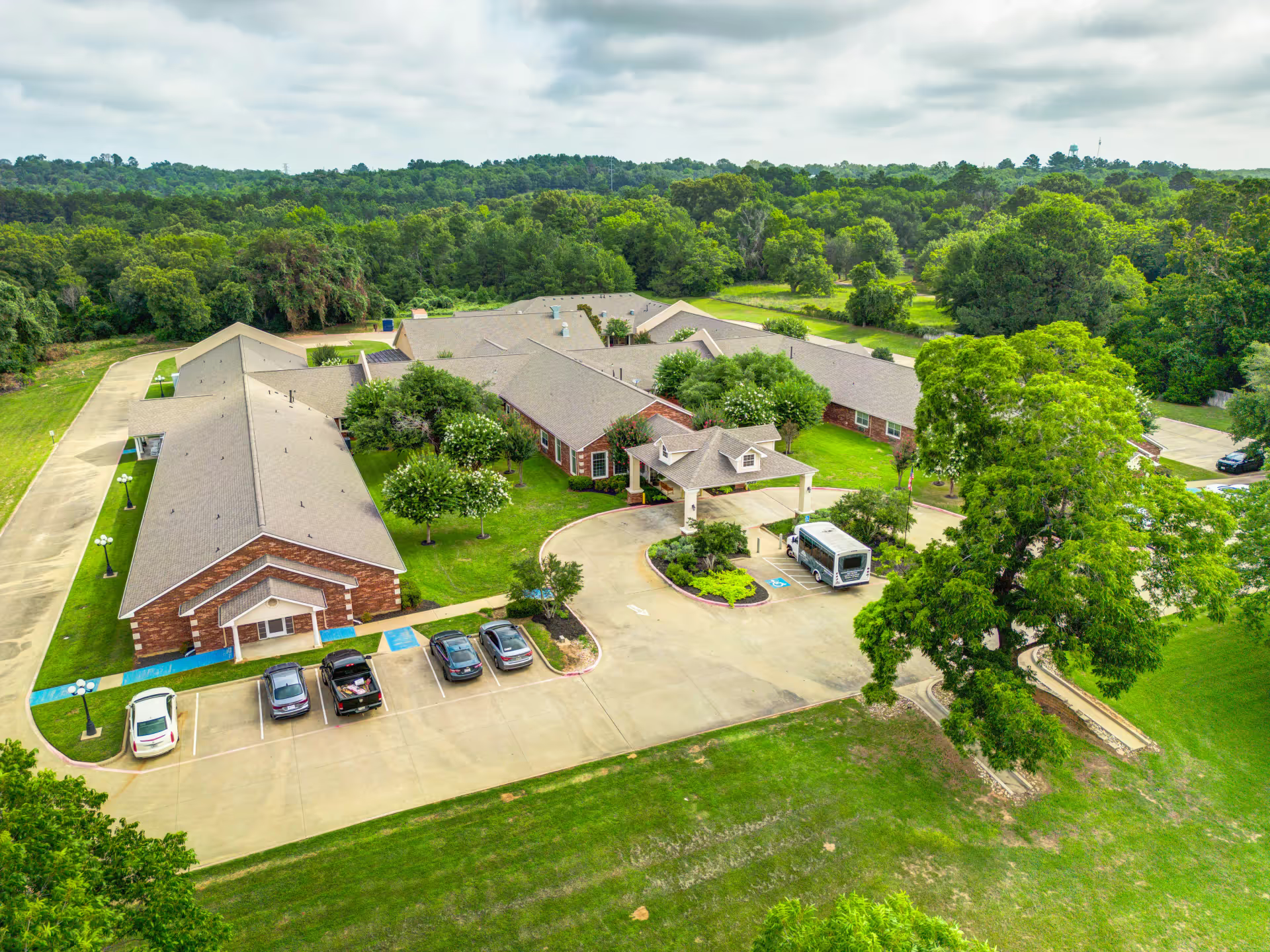
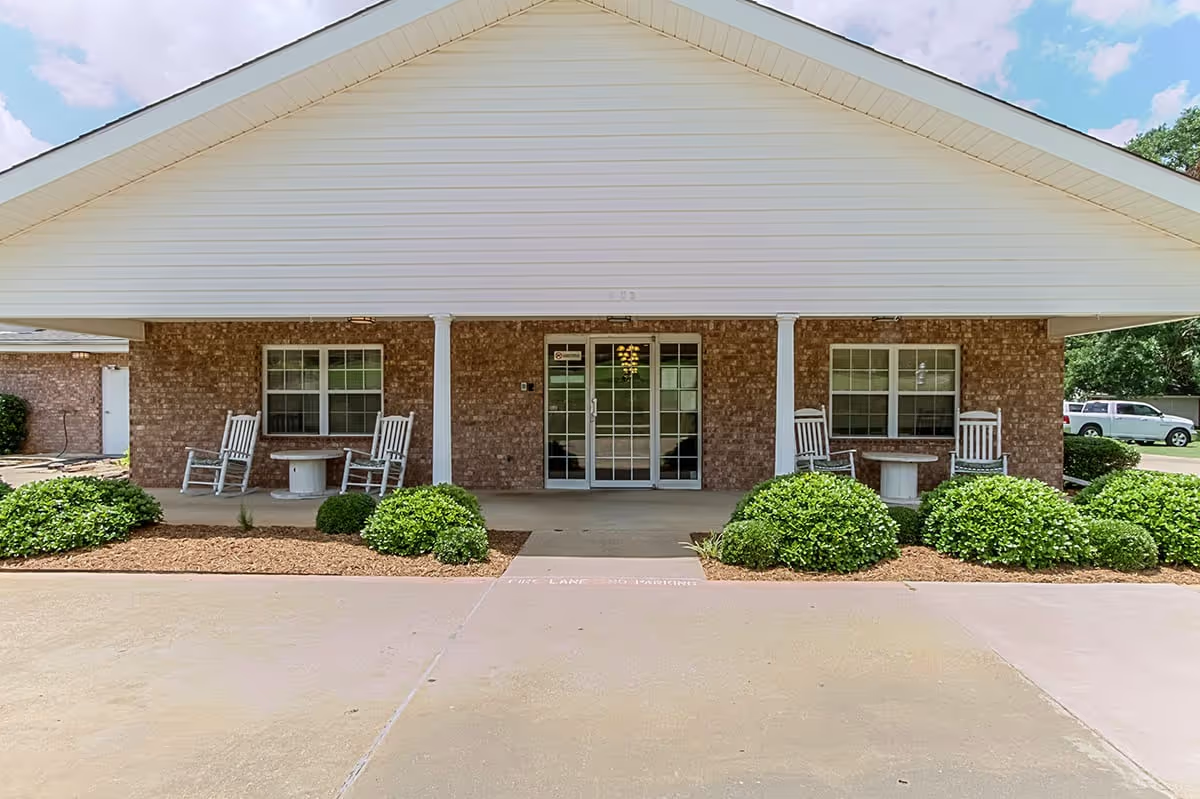
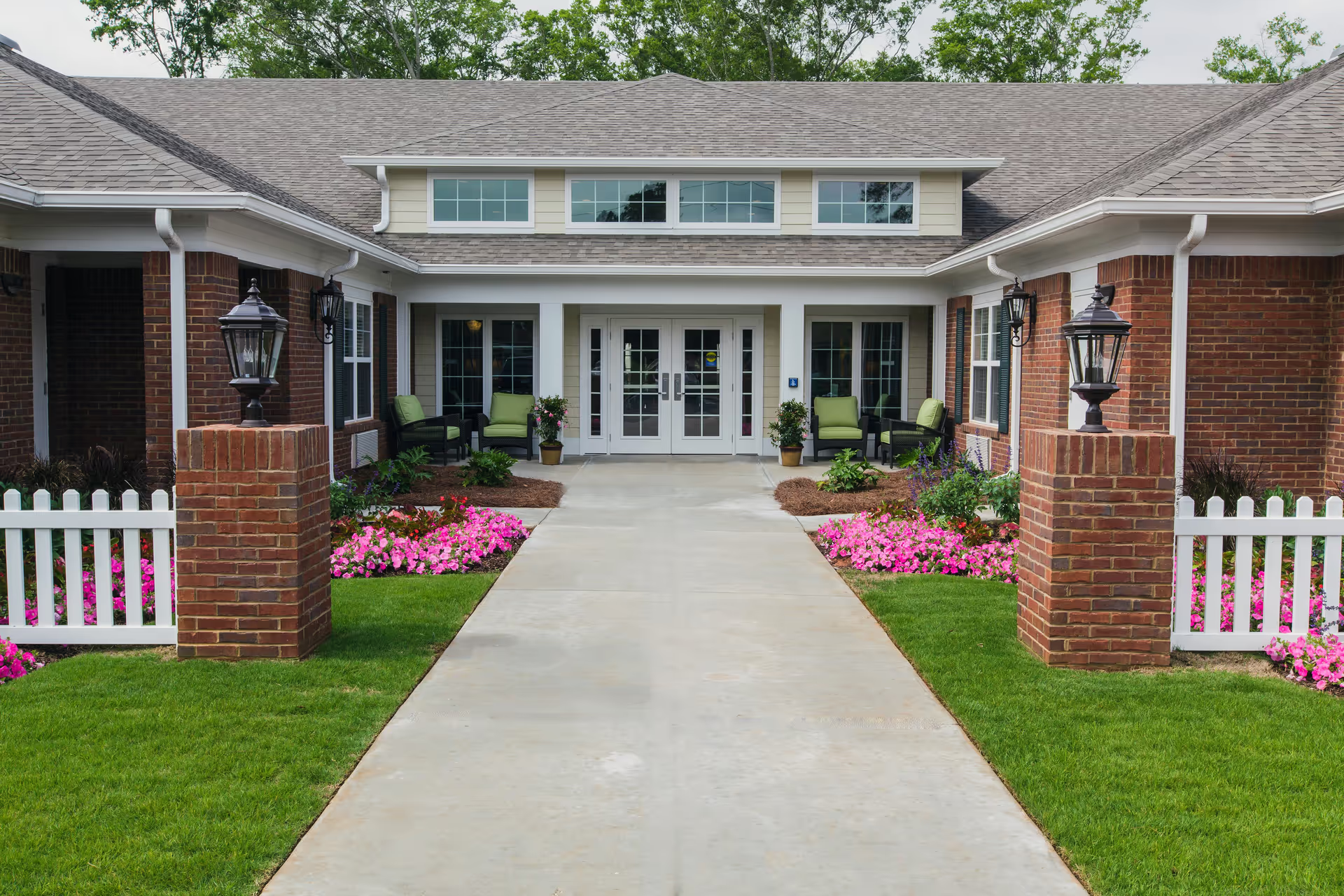
Legacy at Town Creek presents as a largely attractive, rehab-focused senior living campus with several operational strengths and recurring operational concerns. Physically the facility is frequently described as clean, recently updated, and well furnished; private single-occupancy rooms with en-suite bathrooms, a dedicated rehabilitation center, and an infection-control area are cited as important amenities. Outdoor courtyards, a chapel, on-site salon, quilting and activity rooms, and accessible corridors contribute to a campus-like environment that many families find comforting. The activity program is consistently noted as robust, with memory-focused offerings, live music, holiday events, and an engaged activities staff that fosters social interaction and family involvement.
Care and staffing quality are mixed across accounts. Many reviews praise individual caregivers and nurses for compassionate, organized care and good communication with families; specific staff members are named positively in several comments. However, a pattern of inconsistent staffing levels and use of agency nurses is also reported, which reviewers link to delays in call-light response, missed or delayed medications, and gaps in clinical follow-through such as wound and continence-care management. These clinical concerns coexist with examples of very good care, producing a variable overall picture: families report both highly satisfactory rehab stays and, in other cases, incidents that require escalation to management.
Dining and nutrition receive divergent evaluations. Some families describe restaurant-quality meals, plentiful holiday offerings, and nutritious choices; others describe missed meals, special-diet items not delivered, menu substitutions, and dining-area cleanliness problems. Kitchen management and lunch-time staffing variability are recurring themes. Related operational issues include sanitation and odor concerns in specific common areas and dining rooms, as well as pest-control observations on the grounds and in rooms, which warrant attention given the overall emphasis on a clean environment.
Facility operations and management appear uneven. Several families commend proactive administration and good communication, while others describe difficulty reaching administrators, disorganized processes, and inconsistent documentation. The facility’s size is cited as both an asset (amenities, private rooms) and a liability: larger scale contributes to longer staff response times and logistical friction when locating residents. There are also reports raising safety and maintenance considerations (sticky panic-door hardware, crowded hallways during service times) and some serious-family-level concerns about personal-belonging handling and billing/pricing increases.
What emerges overall is a facility with strong physical assets, an active programming model, and many dedicated staff, but with operational vulnerabilities around consistent staffing, clinical reliability, meal service continuity, and certain sanitation and maintenance practices. Prospective residents and families should weigh the facility’s amenities and positive staff reports against the variability in clinical performance described by others. On a tour or during a transition, prioritize direct questions and observations about staffing ratios, medication-administration protocols, wound and continence-care procedures, kitchen handling of special diets, pest-control measures, and the facility’s approach to documenting and communicating incidents and billing changes.