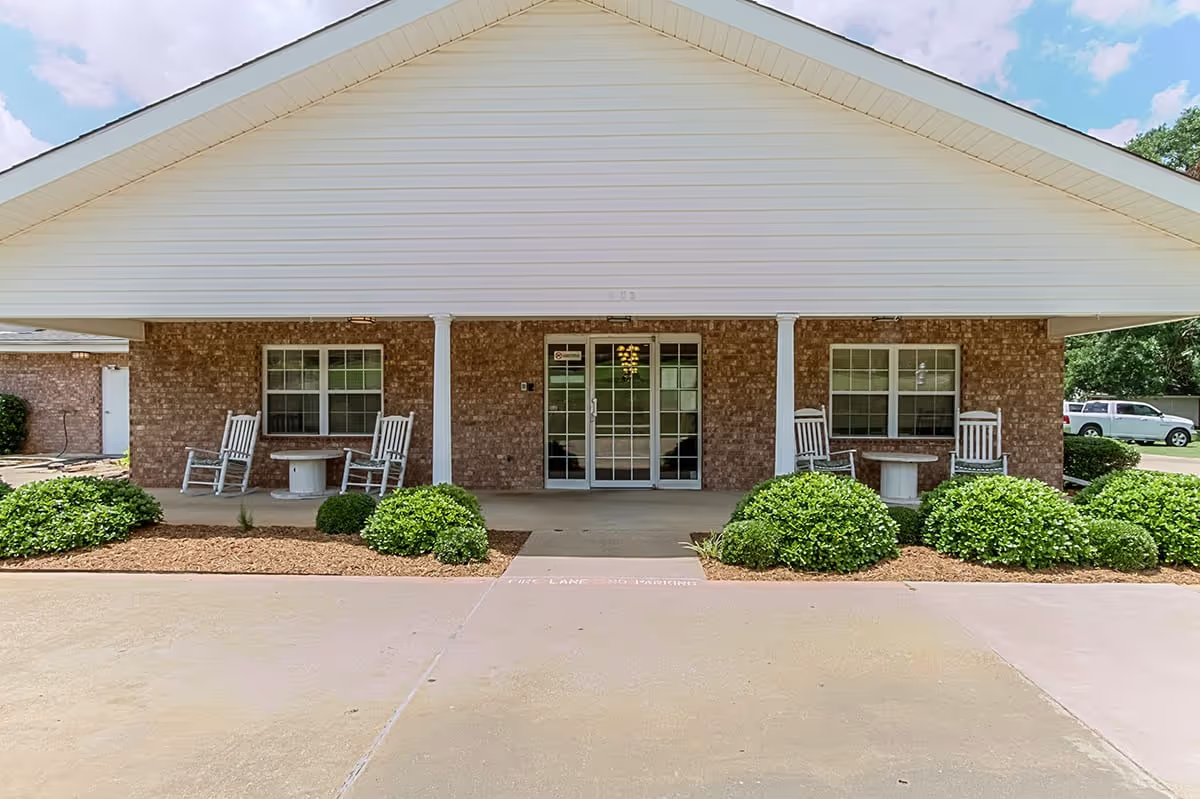
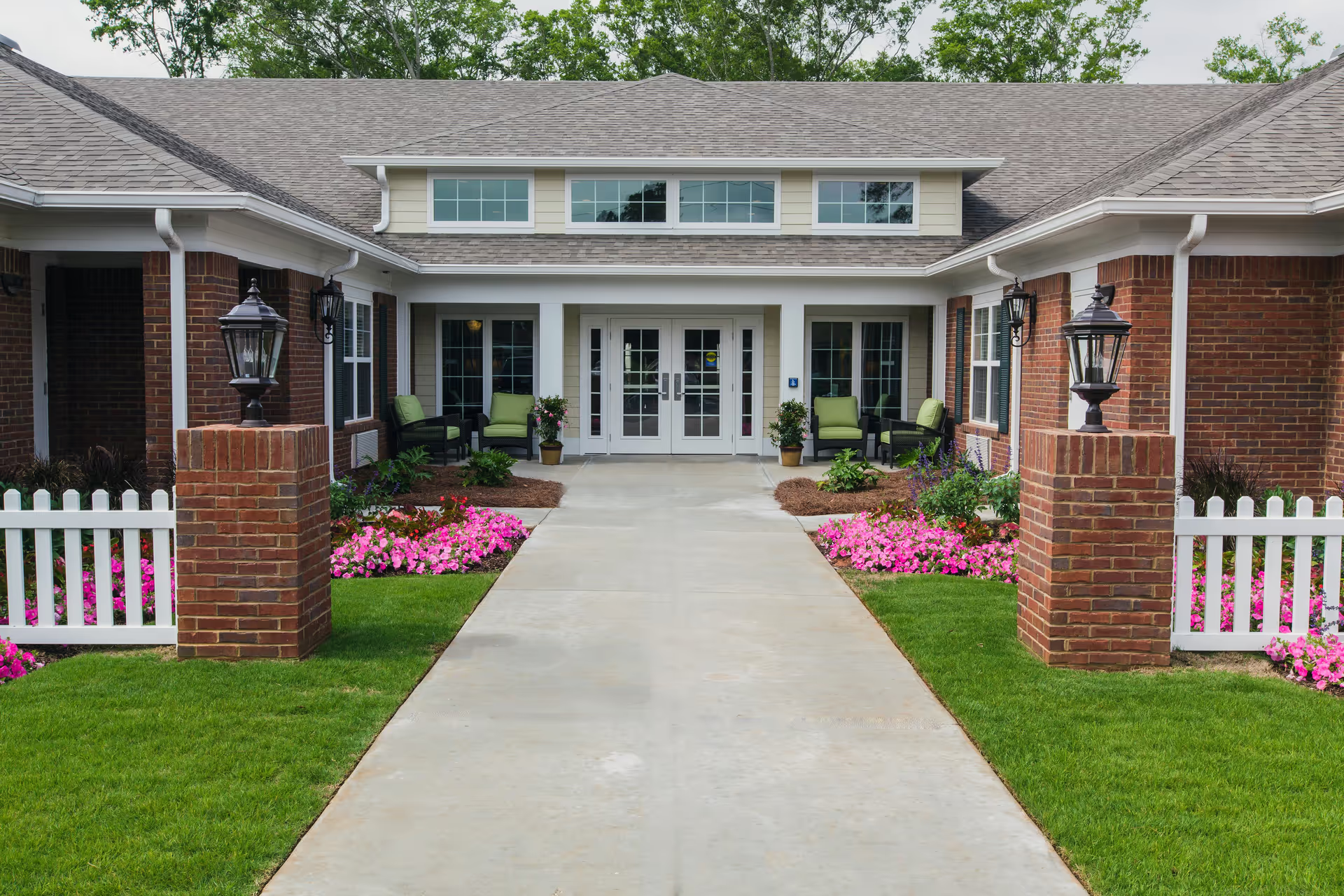
Overall impression: Reviewers describe a facility where frontline caregivers and nursing staff are frequently praised for compassion, attentiveness, and clinical competence. Several families highlighted excellent medical care and particularly supportive end-of-life practices, including staff accommodations that allowed family presence during a resident’s final hours. The physical environment is described positively by some reviewers as a well-kept facility, and a number of families felt the care provided represented good value compared with other options.
Care quality and basic services: Clinical care and routine assistance are commonly viewed as strengths; reviewers specifically noted attentive nursing and effective medical support. However, there are operational gaps in basic-care processes that deserve attention. Multiple comments referenced inconsistent monitoring and delivery of beverages (including inappropriate cup sizes and the addition of ice against resident preference), indicating potential weaknesses in hydration protocols and responsiveness to simple daily-care needs.
Staff behavior and leadership: Frontline staff are often characterized as kind and caring, but reviewers also described variability in professionalism and communication style. Comments about a curt or rude supervisory presence and at least one ageist remark point to inconsistent staff–resident and staff–family interactions. There are also concerns about role boundaries and staffing assignments (for example, family members employed in roles with operational responsibilities), which may create perceptions of conflict of interest that families will want clarified.
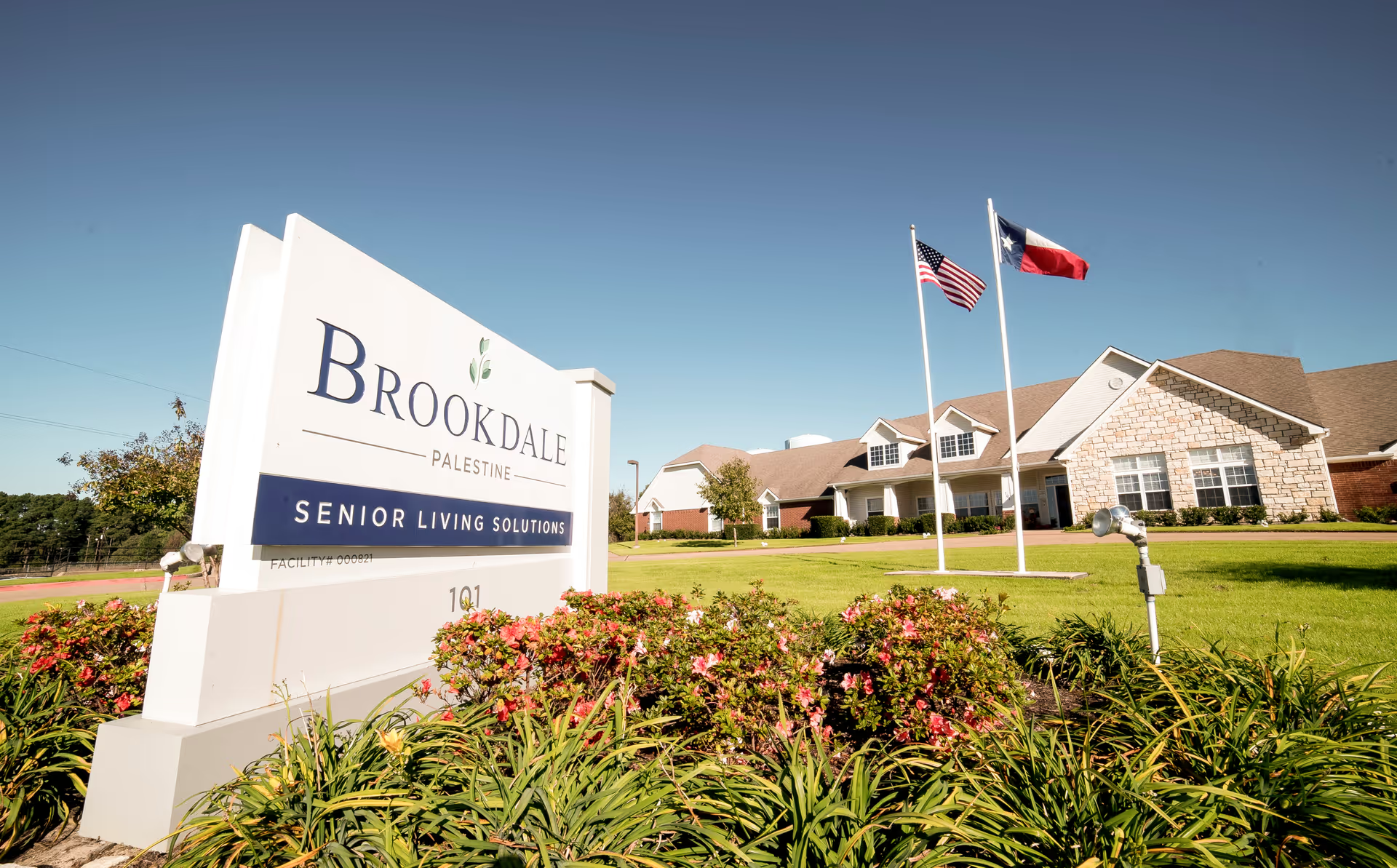
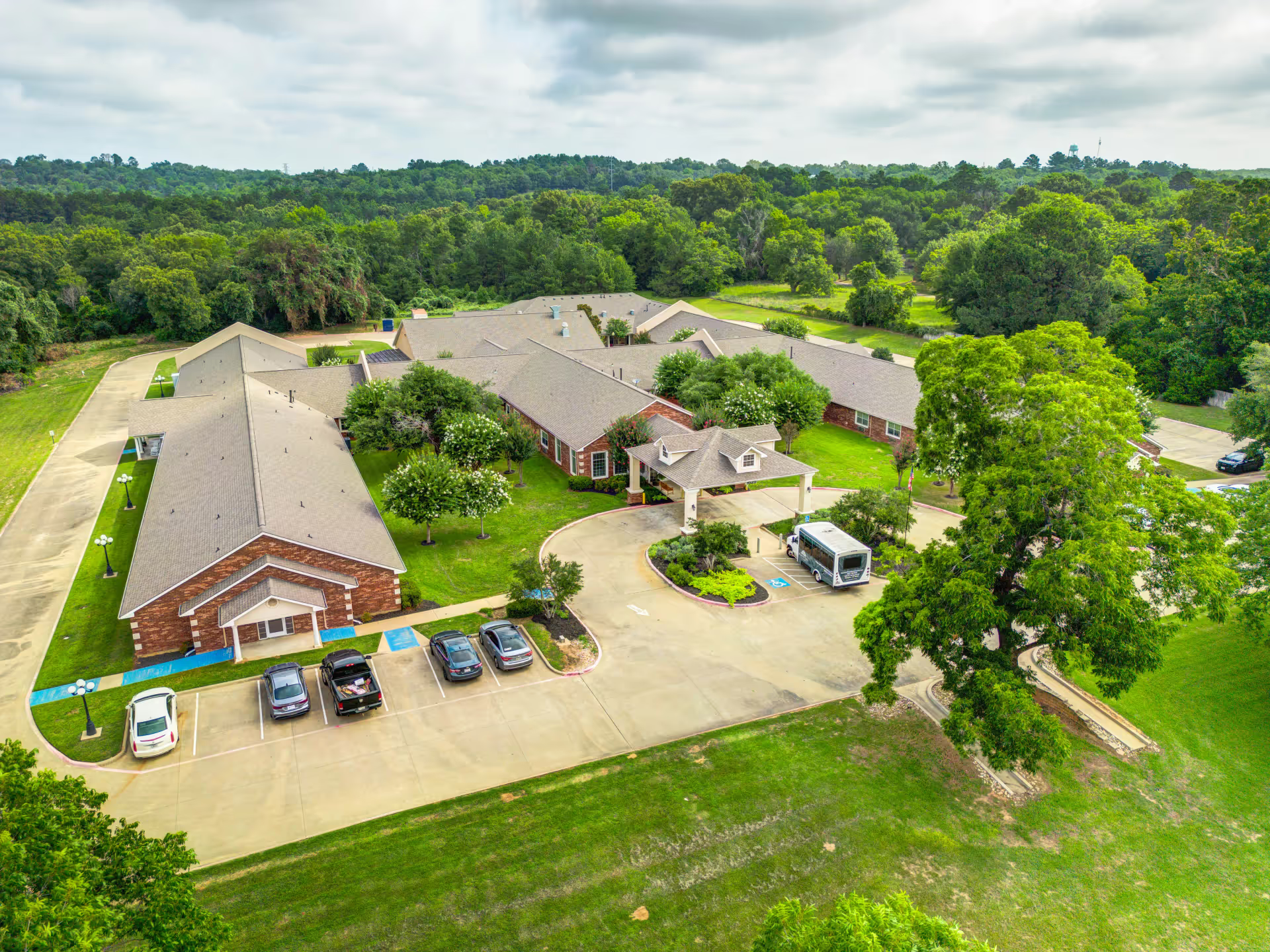
Facilities, dining, and activities: The building and clinical spaces received positive remarks for maintenance and general appearance. Dining- and beverage-related logistics drew mixed feedback: practical issues such as cup size and handling of ice affected resident comfort and preference. Reviewers provided little specific information about structured activities; absence of commentary suggests activity programming was not a distinguishing factor in these summaries.
Management, safety, and communication: A notable pattern is concern about how the facility handles significant incidents. One reviewer described a serious safety event and used the term "allegations" regarding staff conduct; families also reported feeling that management lacked transparency in its communication afterward. These accounts suggest gaps in incident-response procedures and family notification systems that could undermine trust if not addressed proactively.
Notable patterns and guidance for families: The set of summaries presents a mixed but not uncommon profile — strong day-to-day caregiving and clinical care paired with operational inconsistencies and communication challenges at the management level. Prospective residents and families should ask targeted questions during a tour: hydration and beverage protocols, how resident preferences are recorded and followed, examples of incident-reporting and family-notification practices, staff training on respectful communication, policies on staff-role conflicts, and current visitation rules. Doing so will help weigh the facility’s clear strengths in hands-on care against the operational and communication areas that reviewers identified for improvement.