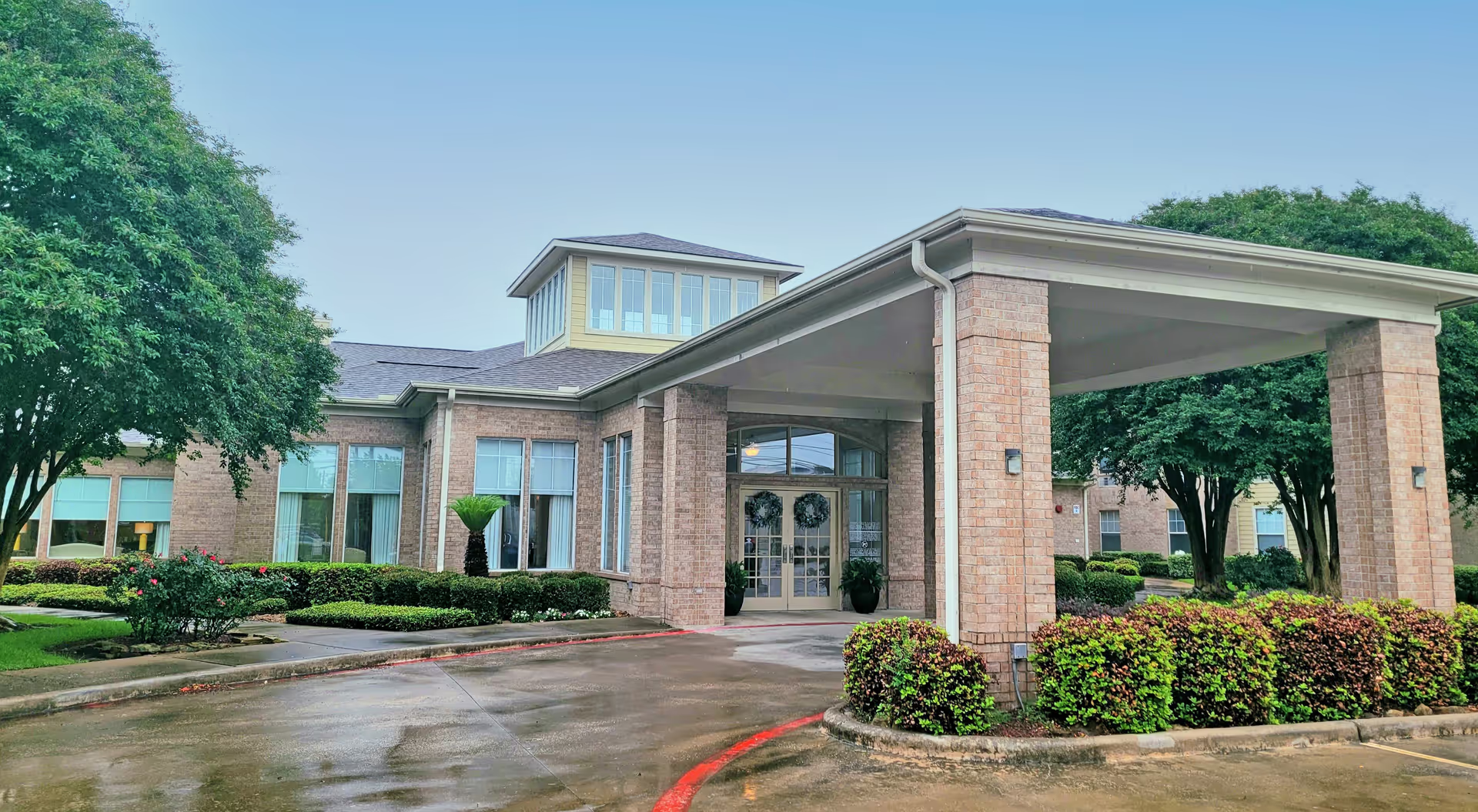
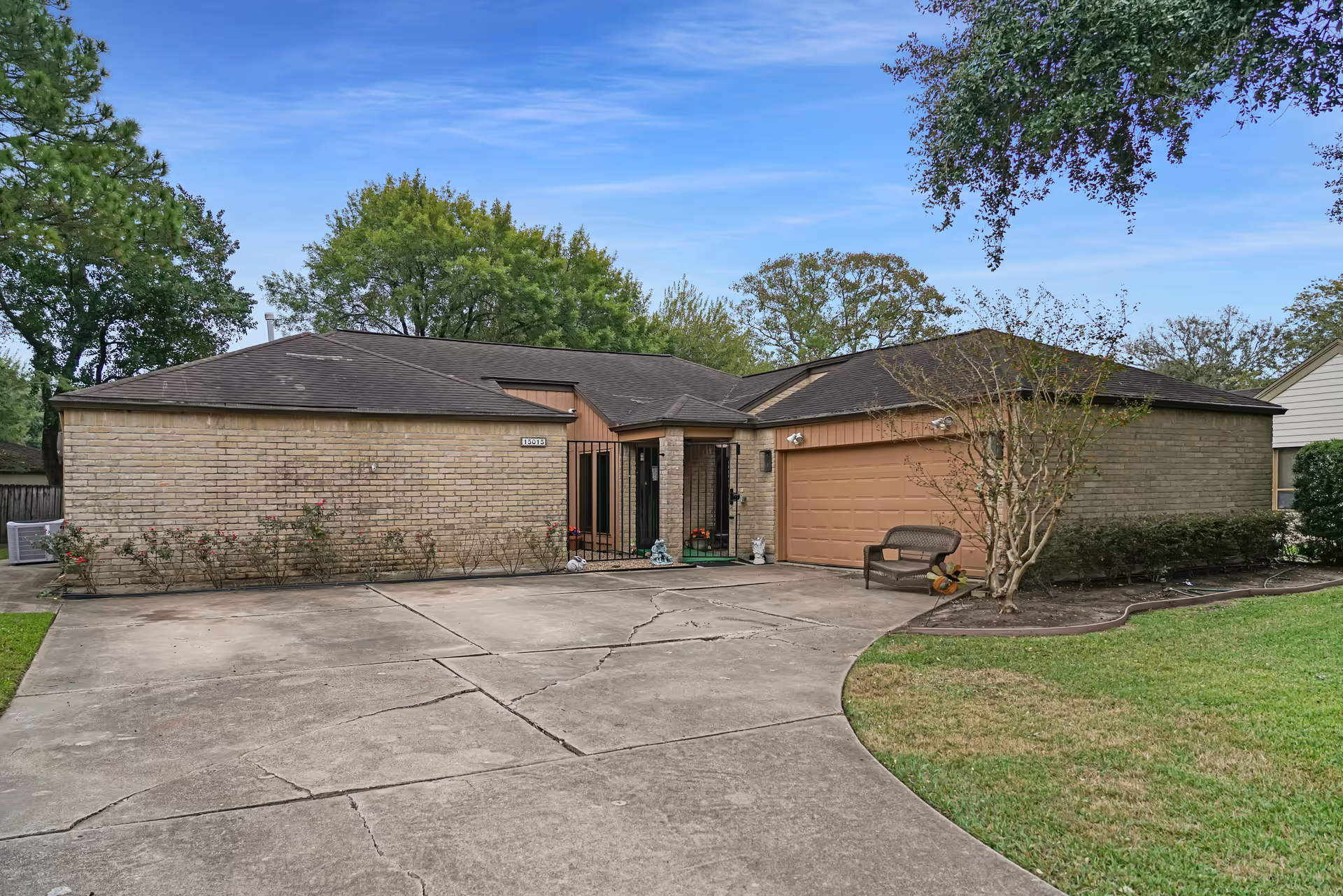
Baywood Crossing elicits distinctly mixed but recurring themes across family and resident accounts. The facility is consistently praised for its rehabilitation services and therapy staff: many families describe measurable functional gains, engaged therapists, and an enthusiastic restorative-care culture. Nursing care also receives frequent positive mention for compassion, attentiveness, and clinical competence, and a number of reviewers highlight strong teamwork when staffing is adequate. Public areas and many rooms are described as clean and well maintained, and the community offers a wide range of activities (bingo, live music, holiday events, salon services) that contribute to a home-like atmosphere.
Alongside these strengths, reviewers describe important operational inconsistencies. Staffing levels and staff quality appear to vary by shift and unit; this variability is linked to slower response times to call bells and requests, uneven personal-care routines (including bathing and turning schedules), and occasional delays in diaper changes and assistance. Housekeeping and room-level sanitation also come up as inconsistent: while common areas are often well kept, families report that individual rooms sometimes receive less timely attention. Equipment maintenance and call-button reliability are additional operational gaps that affect daily responsiveness.
Dining and dietary services present a mixed picture. Many families appreciate the appearance, nutritional content, and accommodation of special diets; others report food arriving cold, limited beverage choices at certain times, and menu/portion variability. Communication and care coordination are another recurrent area of concern: families describe inconsistent proactive updates, variable handoffs among staff, and documentation issues that have at times affected medication lists or therapy plans. Several notes about medication delays and documentation gaps suggest an area for quality-assurance focus.
Management and administrative interactions are described as uneven. Some admissions and administrative personnel are singled out for helpfulness and responsiveness, while others — notably some billing or business-office contacts — are described as insensitive or unhelpful. There are also isolated but serious concerns described related to skin care, wounds, falls, and post-event communication; these accounts indicate the presence of care-quality outliers that families and regulators might view as significant if substantiated.
Overall, Baywood Crossing appears to deliver strong rehabilitative care within a clean and activity-rich environment, supported by many compassionate clinicians and aides. The dominant pattern across reviews is variability: positive outcomes and helpful staff are common when staffing and communication systems are functioning well, but families should be aware of recurring operational weaknesses — particularly around staffing consistency, response times, room-level housekeeping, medication/documentation controls, and administrative communication. Prospective residents and families may want to ask specific, measurable questions at tour and admission (staffing ratios by shift, call-button testing and repair procedures, skin-care and turning protocols, medication reconciliation processes, and communication plans for family updates) to assess how the facility is addressing these known patterns.