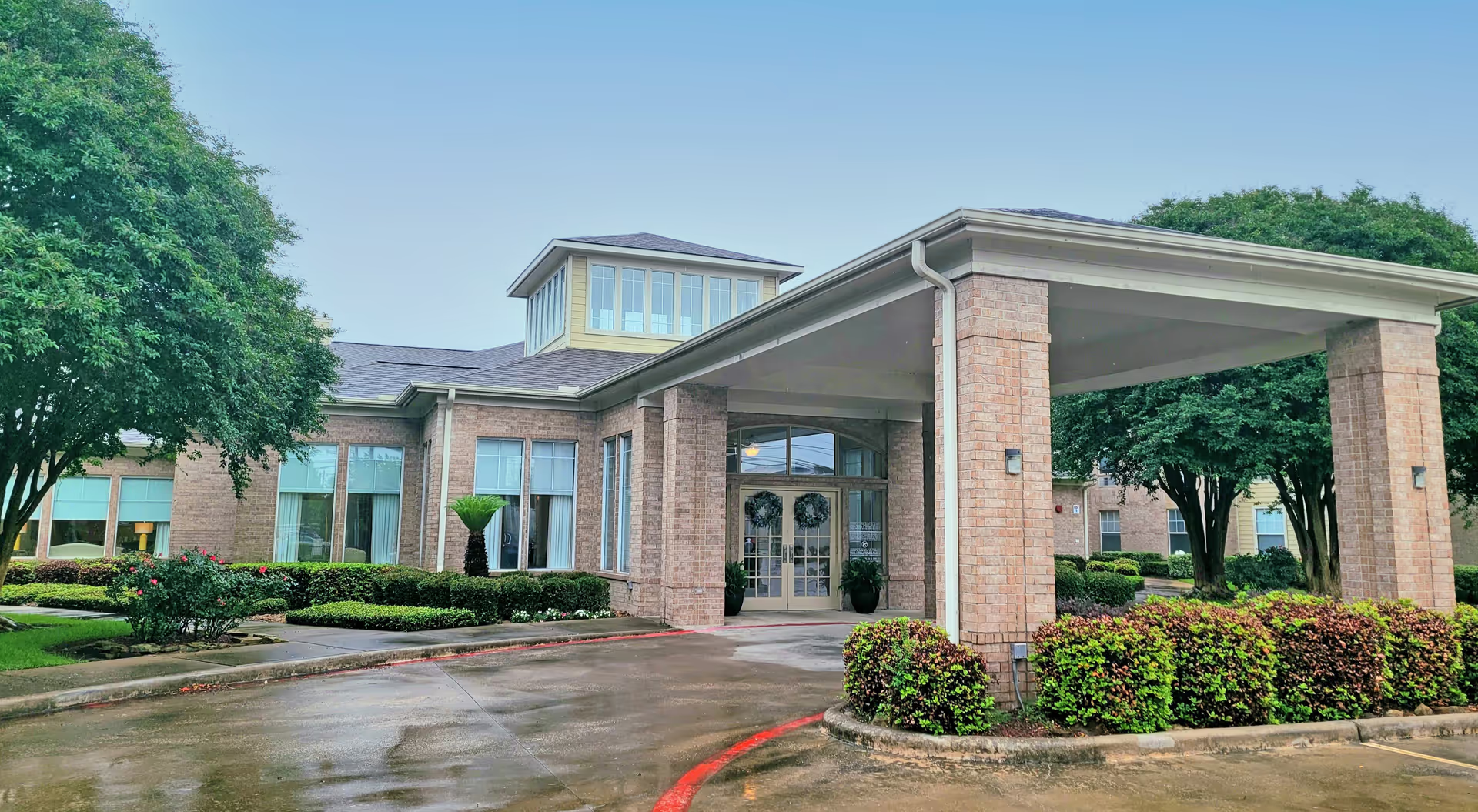
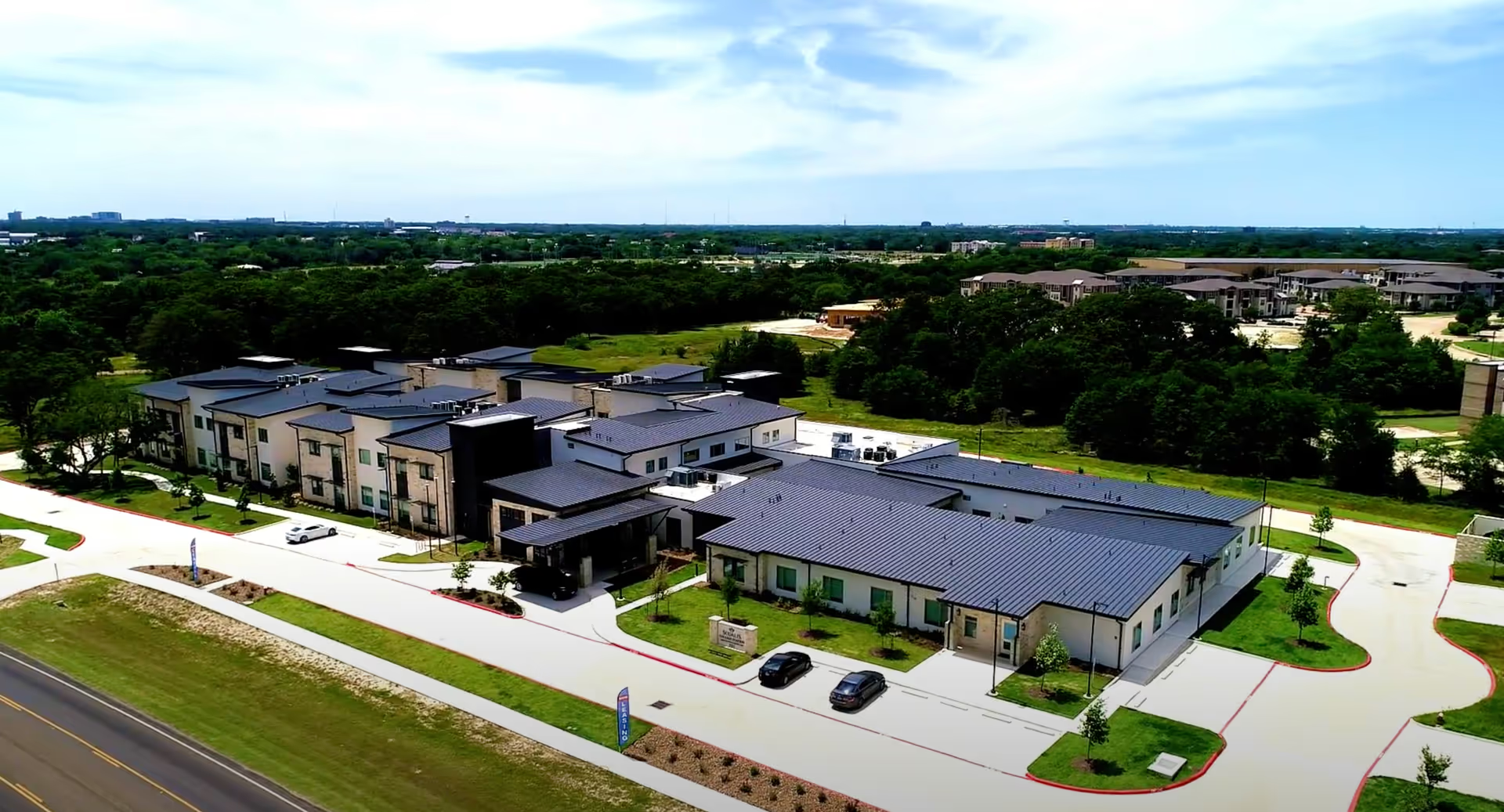
Reviews of Focused Care at Pasadena show a mixed but distinct pattern: many families and patients praised the facility for strong rehabilitation services, compassionate caregivers, and an attractive, well-kept environment, while a substantial set of critiques centers on operational inconsistencies tied to staffing, responsiveness, and management practices.
Care quality and clinical operations: Several reviewers described excellent rehab outcomes driven by skilled therapists and individualized therapy plans; PT, OT, and speech clinicians were frequently identified as strengths. At the same time, reviewers raised concerns about medication timing and reconciliation, delayed assistance for toileting and bathing, and incidents that required hospitalization or further medical attention. These clinical concerns often appear linked to inconsistent staffing and supervision rather than a uniform lack of clinical skill. A few accounts referenced serious clinical events that prompted family alarm; those reports amplify the need for prospective families to review the facility's current clinical oversight, medication protocols, and incident-response procedures.
Staffing and staff conduct: The staff profile is notably polarized in the reviews. Many reviewers highlighted caregivers, CNAs, and nurses who were compassionate, attentive, and comforting to families. Specific staff and activity leaders received direct praise for their engagement and support. Conversely, recurring themes include high turnover, short staffing, inexperienced aides, slow response times to call lights, and variable professionalism or communication tone from some employees. These staffing patterns appear to affect day-to-day responsiveness and consistency of care.
Dining and activities: Activity programming is frequently cited as a positive—bingo, musical events, holiday programming, and an active social director contribute to resident engagement. However, accessibility and variety of activities were sometimes limited, and some families found scheduled offerings difficult to attend. Dining impressions are mixed: some reviewers found meals adequate or improving, while others reported frequent errors, late or cold service, and concerns about dish cleanliness. Meal-service continuity and quality appear inconsistent across shifts.
Facilities and housekeeping: Many reviewers described the building and rooms as modern, clean, and welcoming, with warm decor that contributes to a home-like atmosphere. Other reviewers noted localized sanitation and maintenance issues—odor concerns in certain rooms or common areas, stained or scuffed surfaces, small clocks, laundry handling problems, and occasional missing belongings. These mixed observations suggest variable housekeeping and maintenance performance across units or shifts.
Management and notable patterns: Management impressions are also mixed. Several families commended proactive, knowledgeable administrators and responsive front-office staff who helped coordinate care and admissions. Other reviews characterized management as defensive or slow to resolve complaints, especially around staffing and clinical incidents. Some reviewers attributed quality declines to ownership or leadership transitions. A clear pattern emerges: positive experiences frequently correlate with engaged leaders and stable staff, while negative experiences often coincide with short staffing and turnover.
Advice for prospective families: Given the polarized feedback, prospective residents and families should prioritize current, shift-specific inquiries during tours—ask about current staffing ratios, weekend therapy schedules, medication administration protocols, infection-control practices, incident reporting and family notification policies, and discharge/transition planning. Observe mealtimes and activity periods, and request to meet therapy staff and nursing leadership. These checks can help determine whether the facility's strengths align with your care priorities and whether operational weaknesses have been addressed.