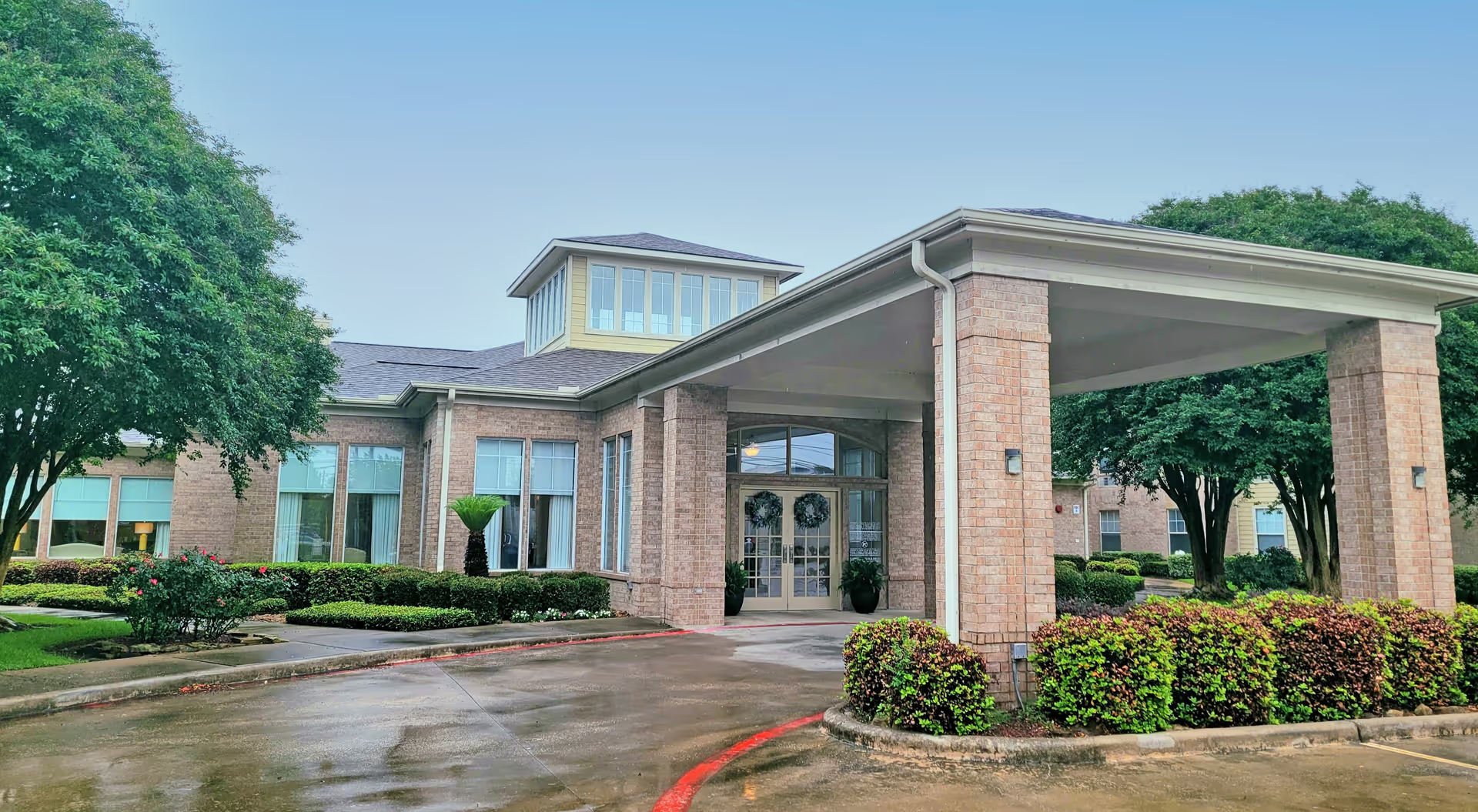
Reviews for Pasadena Post Acute are highly polarized, with families and clinicians describing both strong clinical capabilities and troubling operational inconsistencies. Positive commentary centers on clinical programs that function well: an experienced wound-care team, committed physical and occupational therapy staff, and nurses and CNAs who are frequently described as compassionate and attentive. Facility improvements and a visible renovation program have produced bright, modernized patient rooms and common areas; several families cited a pleasing, home-like appearance in renovated sections and appreciated personalized room amenities and rehab equipment.
Clinical care descriptions show a clear divide. Strengths include focused wound management, successful rehabilitation outcomes, and coordinated discharge planning when admissions and liaison staff are engaged. However, other reviews document issues consistent with quality-of-care variability: missed or delayed medication administration, pain-management delays, inconsistent bathing and incontinence-care schedules, and concerns about timeliness of physician engagement for acute changes. There are also references to serious clinical events and concerns about clinical escalation; families considering placement should probe current clinical protocols, on-call physician coverage, and incident-response pathways.
Staffing and conduct are a recurrent theme. Many reviewers singled out individual staff and leaders for praise — particularly admissions/marketing liaisons and specific nurses — noting helpful communication, advocacy, and above-and-beyond service. At the same time, accounts indicate uneven staff performance across shifts, with understaffing contributing to delays in basic care and family communication. Some reviewers described unprofessional conduct or poor customer-service interactions; this variability suggests distinct differences between individual caregivers and unit-level culture.
Dining and activities are generally cited as strengths where they are well managed. Positive notes include nutritious, doctor-prescribed meals, enthusiastic kitchen staff, and varied activities such as music programs, social outings, and themed events that residents enjoy. Conversely, there are concerns about inconsistent meal temperature and occasional lapses in meal service continuity.
Operational and facility-management patterns emerge from the feedback. Renovations and new leadership have been favorably received by many families, and several reviewers praised improved coordination during admissions and transitions. Yet multiple reviews describe process weaknesses: missing paperwork or documentation gaps, door-access and receptionist-coverage problems, unresponsive phone lines, abrupt discharges, and instances of regulatory scrutiny noted as state citations. Sanitation and pest-control concerns were raised for particular units rather than the entire campus, indicating inconsistent housekeeping or infection-control adherence in parts of the facility.
Taken together, the pattern suggests a facility with strong clinical and programmatic potential but with important operational risks to verify during a placement decision. Prospective residents and families should tour in person, ask targeted questions about current staffing ratios and shift coverage, review recent state inspection findings, observe cleanliness in both renovated and non-renovated areas, confirm medication-administration safeguards, and request examples of how the facility manages clinical escalation and discharge planning. Identifying specific point people (admissions liaison, unit manager, wound-care lead) and documenting communication expectations can help mitigate the variability described in reviews.