The Suites Pasadena elicits strongly polarized impressions: reviewers describe both high-quality rehabilitation and compassionate frontline caregivers alongside recurrent operational failures that affect safety and continuity of care. The facility’s therapy department, rehabilitation outcomes, and some hands-on staff are consistently listed among strengths—many families and residents praise therapists, PT/OT outcomes, respiratory care, fresh home-style meals, and a pleasant, recently built environment with an active activities program.
Care quality shows a mixed pattern. Positive accounts emphasize skilled therapy, attentive respiratory and certain nursing staff, and successful short-term rehab outcomes. Conversely, multiple accounts identify inconsistent nursing performance, medication-management errors, long delays responding to call lights, and several safety events that led to hospital transfers. There are repeated concerns about incontinence-care delays, missed or delayed pain and PRN medications, and problems with line/tube handling; these are framed as operational weaknesses rather than isolated anecdotes. Several reviewers described gaps in physician presence and clinical oversight, which family members linked to delayed interventions.
Staff and communication are a central tension. Many families single out compassionate CNAs, helpful admissions or therapy staff, and individual nurses who provided excellent coordination and reassurance. At the same time, others report poor responsiveness from nursing leadership and administration, slow phone callbacks, and difficulty getting timely status updates. Staff conduct issues (cell-phone use, inattentiveness) and inconsistent teamwork are recurring themes. These contrasts suggest variability in staff performance by shift or unit and underscore the need for active family engagement.
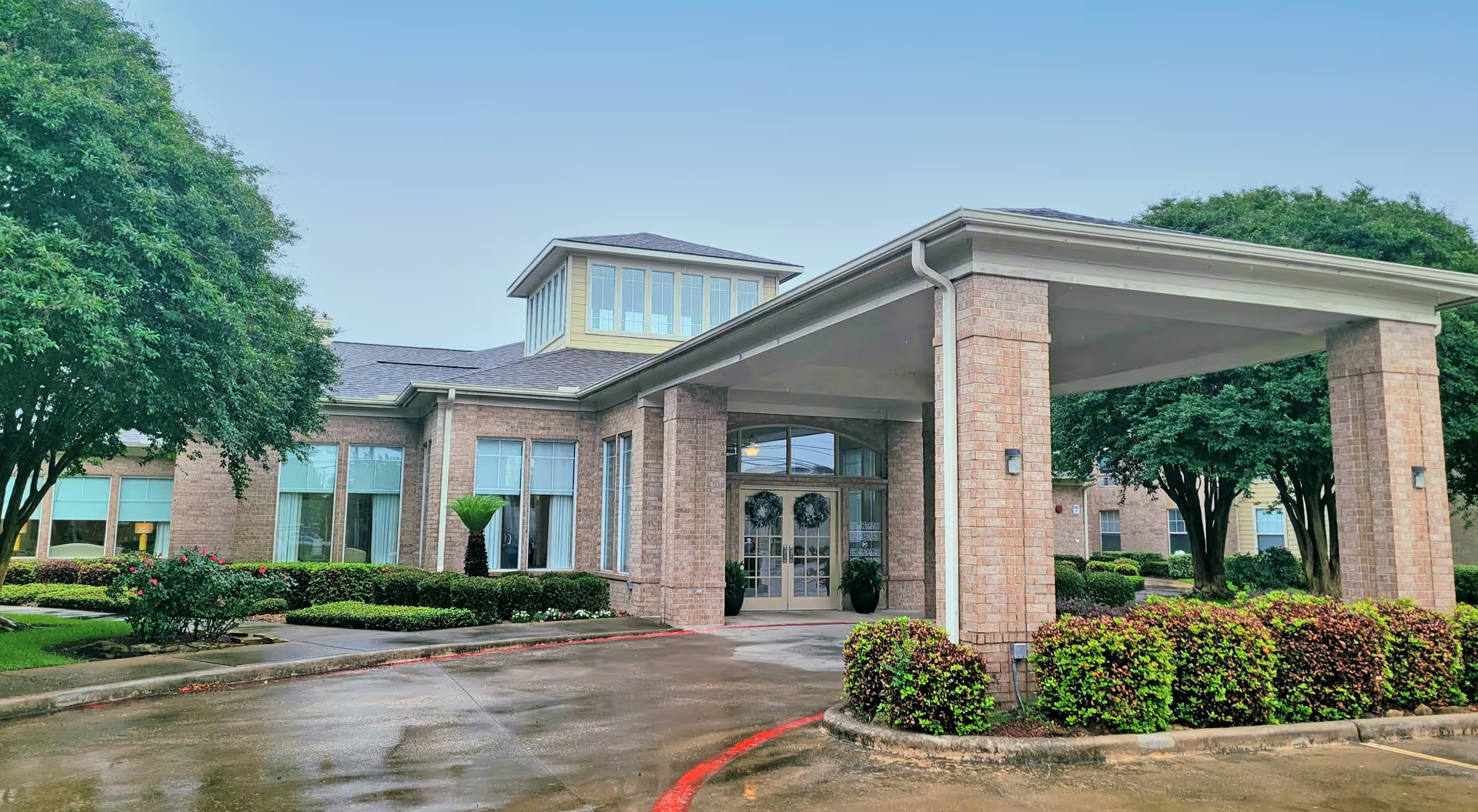
Dining, activities, and facility amenities are a relative strength. The culinary program receives frequent praise for fresh vegetables, from-scratch rolls, and varied meal choices; activities directors and programs (bingo, arts and crafts, happy hour, social events) are described as helpful for resident engagement. The building itself is repeatedly described as clean and modern with a good therapy gym and courtyard, although some reviewers cite sporadic housekeeping lapses and amenity failures such as unreliable Wi‑Fi and occasional equipment problems.
Management, quality assurance, and transitions of care are where the most serious, recurring concerns accumulate. Reviews describe inconsistent leadership visibility, unresponsive administration, and problems with discharge planning and coordination (missing discharge instructions, medication discrepancies, and abrupt transfers due to insurance). There are also allegations of theft and other financial concerns that families raised; these allegations suggest the need for regulatory follow-up where indicated. Taken together, communication breakdowns, staffing instability, and lapses in clinical-process controls appear to correlate with the most adverse outcomes described.
In summary, The Suites Pasadena offers notable clinical strengths—especially in rehabilitation and certain nursing/therapy staff—and a facility environment and activities program that many families appreciate. However, prospective residents and their families should be aware of recurring operational risks: variable nursing reliability, medication and discharge-process weaknesses, intermittent housekeeping and amenity issues, and inconsistent leadership communication. When considering placement, families may want to evaluate current staffing levels and leadership presence, confirm medication and discharge procedures in writing, observe a therapy session, and arrange frequent check-ins during the initial days to verify care routines and responsiveness.