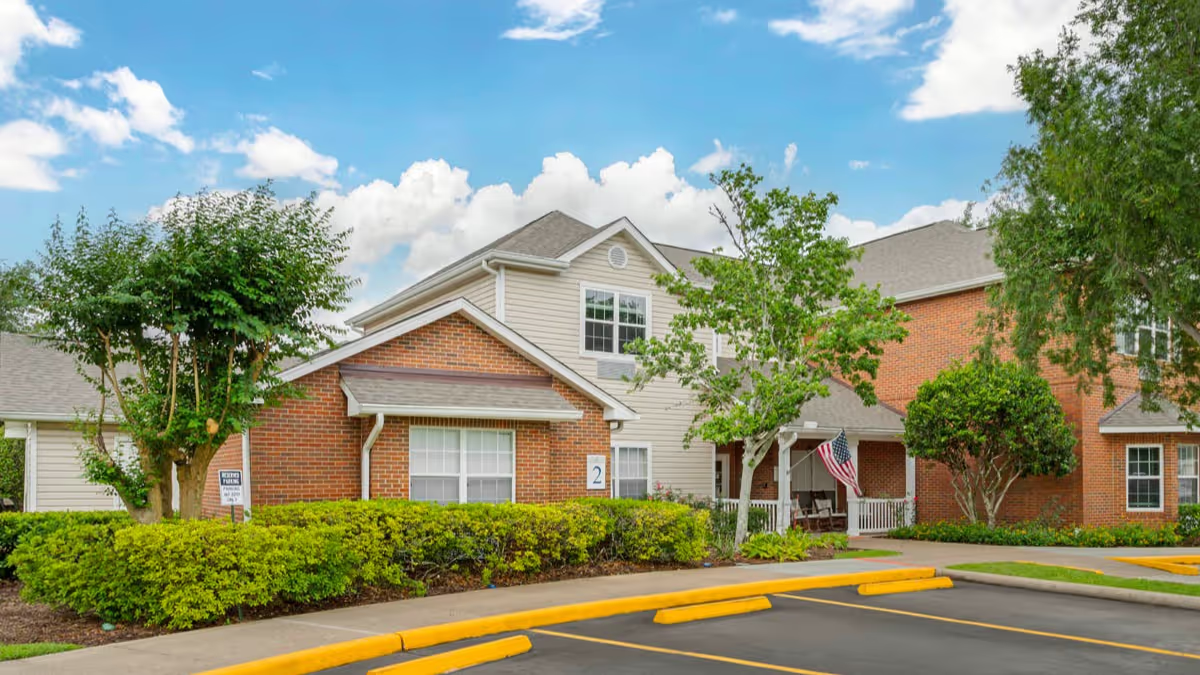
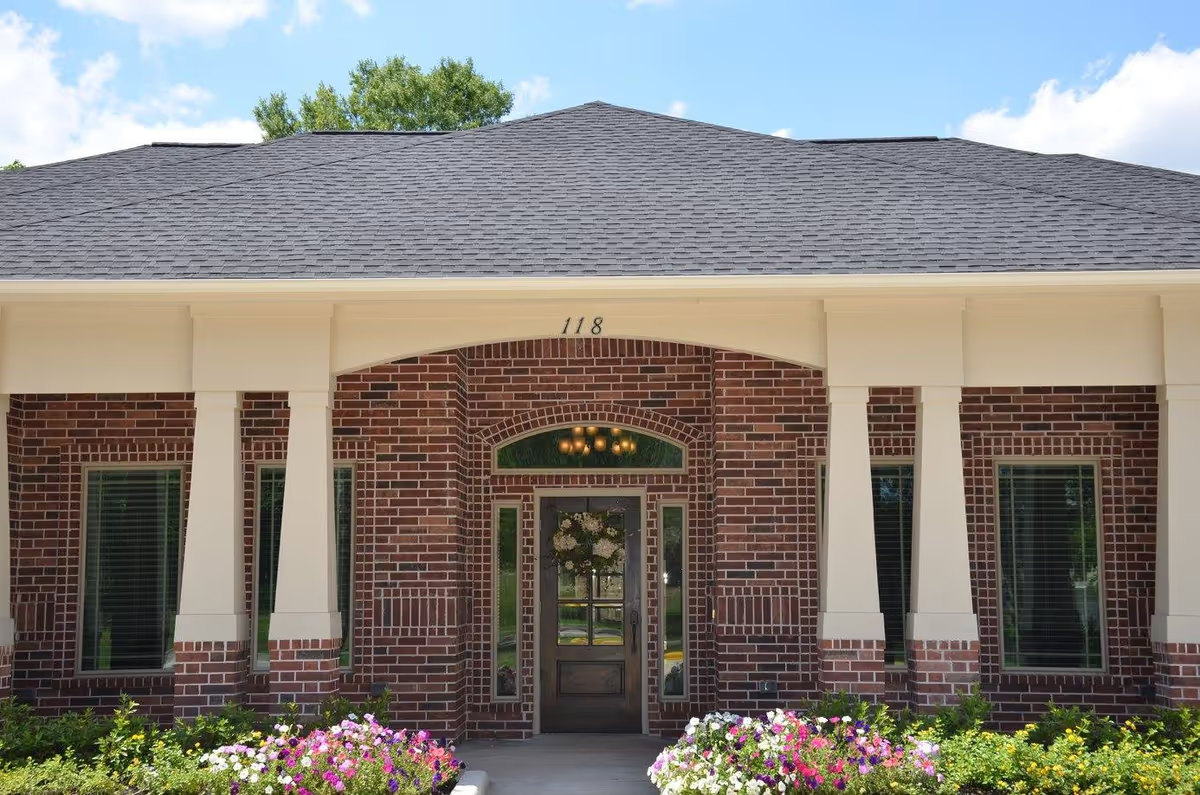
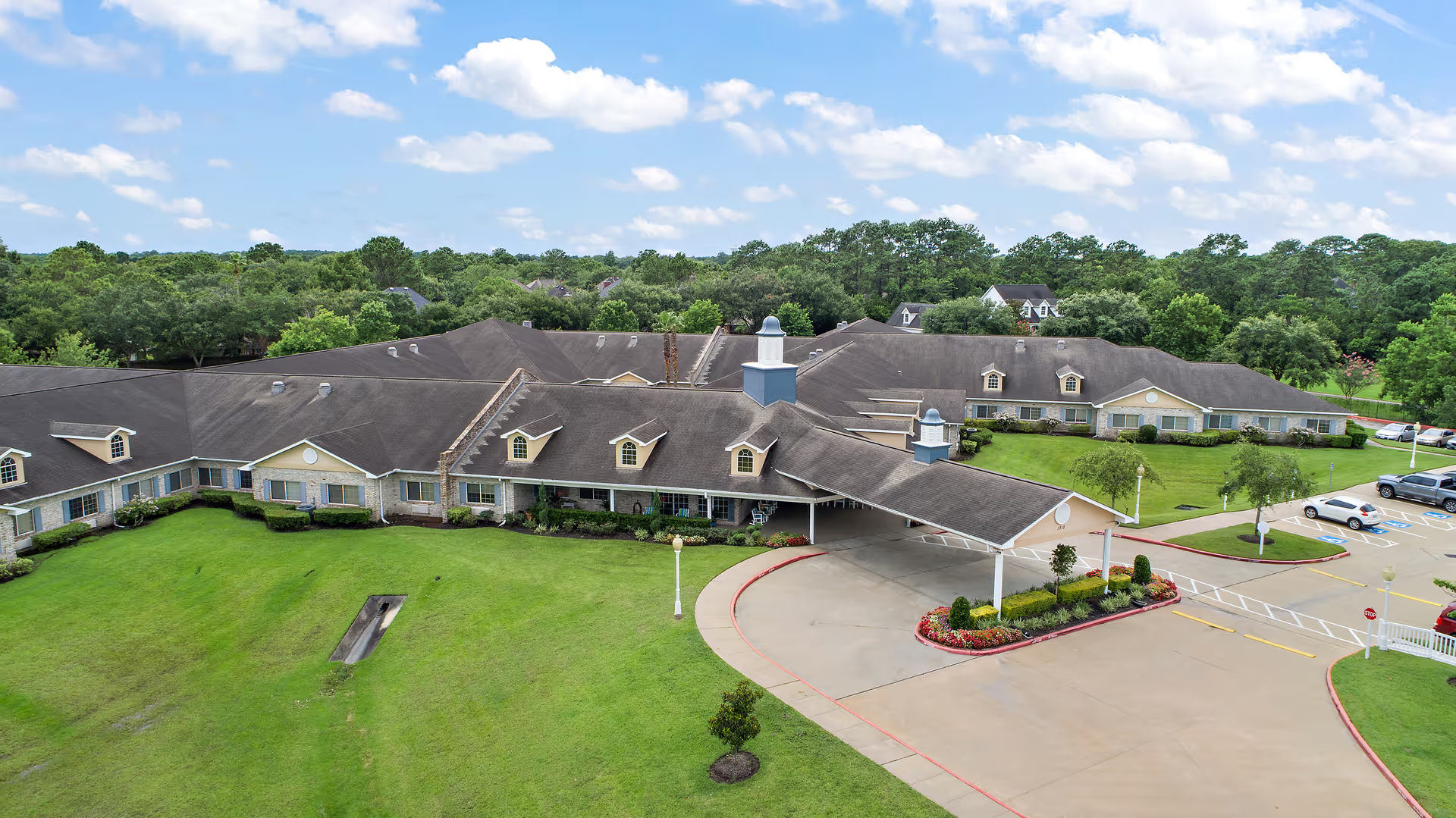
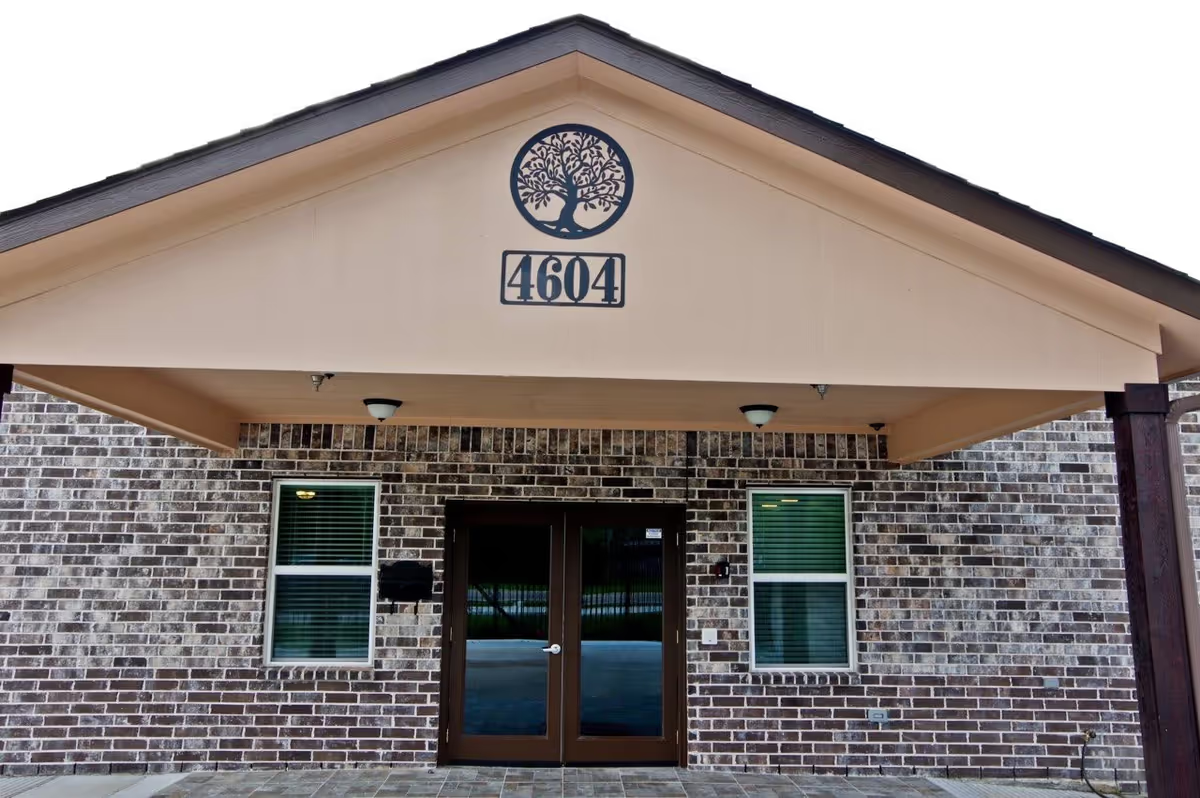
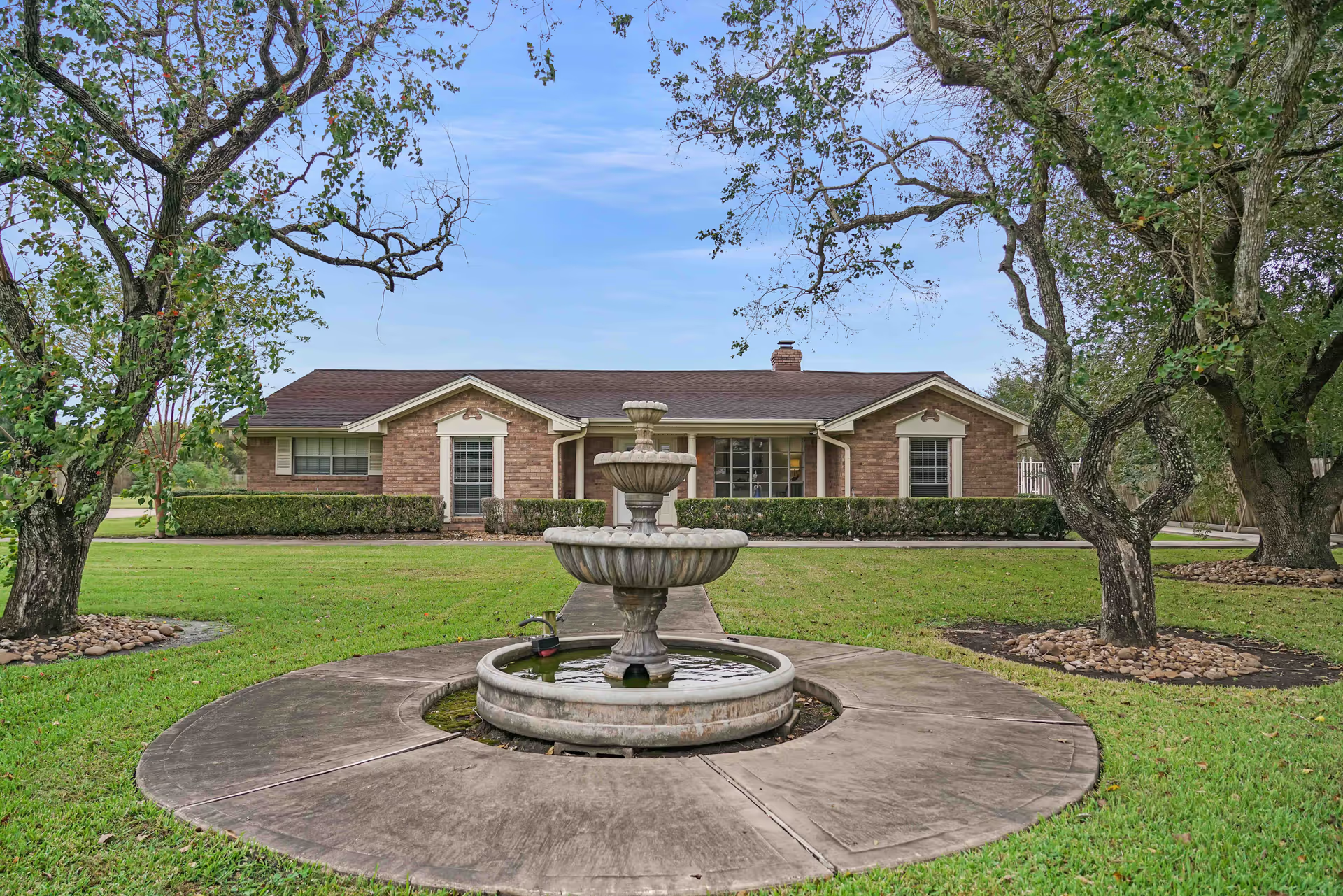
Lakehouse on Dixie elicits strongly mixed impressions, with many families praising its small, home-like atmosphere, engaged ownership, and attentive daytime staff, while other families report operational and clinical concerns. Its strengths are most apparent for people seeking a residential, non-institutional environment: reviewers commonly describe compassionate caregivers, regular family communication, personalized attention enabled by a low resident census, and active owner involvement. The property and grounds — including a lake, patio areas, and cozy common spaces — are repeatedly noted as pleasant and relaxing, and the facility often receives positive marks for cleanliness, private room size, and a welcoming entrance. Several families highlighted effective collaboration with hospice and supportive end-of-life care, and many residents appear to benefit from social programming such as exercise classes, music, crafts, and special events.
Care quality perceptions vary. Positive accounts describe patient, responsive staff and good medication administration, while other accounts describe important clinical concerns: inconsistent capability to care for residents with dementia, gaps in medication-management processes, and occasional errors or delays in clinical attention. These issues appear tied in part to variable staff training and turnover; reviewers describe both well-trained, knowledgeable aides and instances where staff lacked experience with Alzheimer's behaviors or required additional supervision. The facility's small size is a double-edged sword — it enables individualized attention during adequately staffed periods but can leave coverage gaps when staffing is thin, especially overnight or during unexpected events.
Dining and activities are frequently cited as strengths — home-style meals, appealing aromas, and a steady schedule of recreational programming are common positives — but some families reported inconsistency in portion sizes, snack availability, and reliance on frozen options at times. Facility maintenance and safety also show mixed signals: many reviewers praise cleanliness and orderly spaces, yet there are recurring notes about dated rooms, specific safety/usability issues (for example, bathroom grab-rail placement and walker-unfriendly outdoor paths), and occasional sanitation or odor concerns in common areas. Emergency and evacuation practices have drawn attention as well; the expectation that families assist with evacuation is a documented logistical concern and should be clarified in advance.
Management and administrative practices present another area of divergence. Numerous families commend the director’s accessibility and the way management involves families, but others report disputes over fees, deposits, refunds, and billing transparency. There are also serious, singular allegations concerning theft and improper medication handling; these are significant and merit direct inquiry and verification with the provider and local regulators. Given the polarized feedback, prospective residents and families would be advised to conduct an in-person tour, request written policies on dementia care training, medication management, staffing ratios (including night coverage), billing and refund terms, emergency evacuation procedures, and recent inspection records. Checking references from current families and confirming hospice partnerships can help assess fit for specific clinical and safety needs.