Overall sentiment across the reviews is mixed, with several strong positives about individual staff and the physical environment counterbalanced by recurring operational problems—most notably chronic understaffing and communication breakdowns. Multiple reviewers praise specific caregivers, therapy staff, and nursing personnel; they describe compassionate, helpful individuals and call out the Director of Nursing (Anna) by name for positive leadership. At the same time, a frequent and significant complaint is that there are too few caregivers on duty, which leaves many staff members ‘‘busy’’ and unable to respond promptly to residents’ needs.
Care quality is therefore experienced unevenly. When staffing and individual caregivers are available, reviews describe excellent, compassionate care, therapy staff who try and smile, and residents who appear comfortable, happy, and well looked after. Conversely, several reviews report that care can be lacking unless family members push aggressively for attention—summarized bluntly by one comment about needing to "raise hell" to get proper care. This inconsistency suggests that the quality of day-to-day service is highly dependent on staffing levels and which employees are on shift.
Staff and communication present a split picture. Many staff members are described as friendly, helpful, and compassionate; therapy personnel receive repeated positive mentions for effort and demeanor. However, other reviews report serious concerns about responsiveness and professionalism—staff described as unresponsive or rude, and instances of callers being hung up on. Phone communication problems and perceived rudeness have contributed to frustration among callers and families. The facility does receive direct praise for specific nursing leadership (Anna, DON), which indicates pockets of strong management, but that praise exists alongside complaints about front-line responsiveness and overall staffing sufficiency.
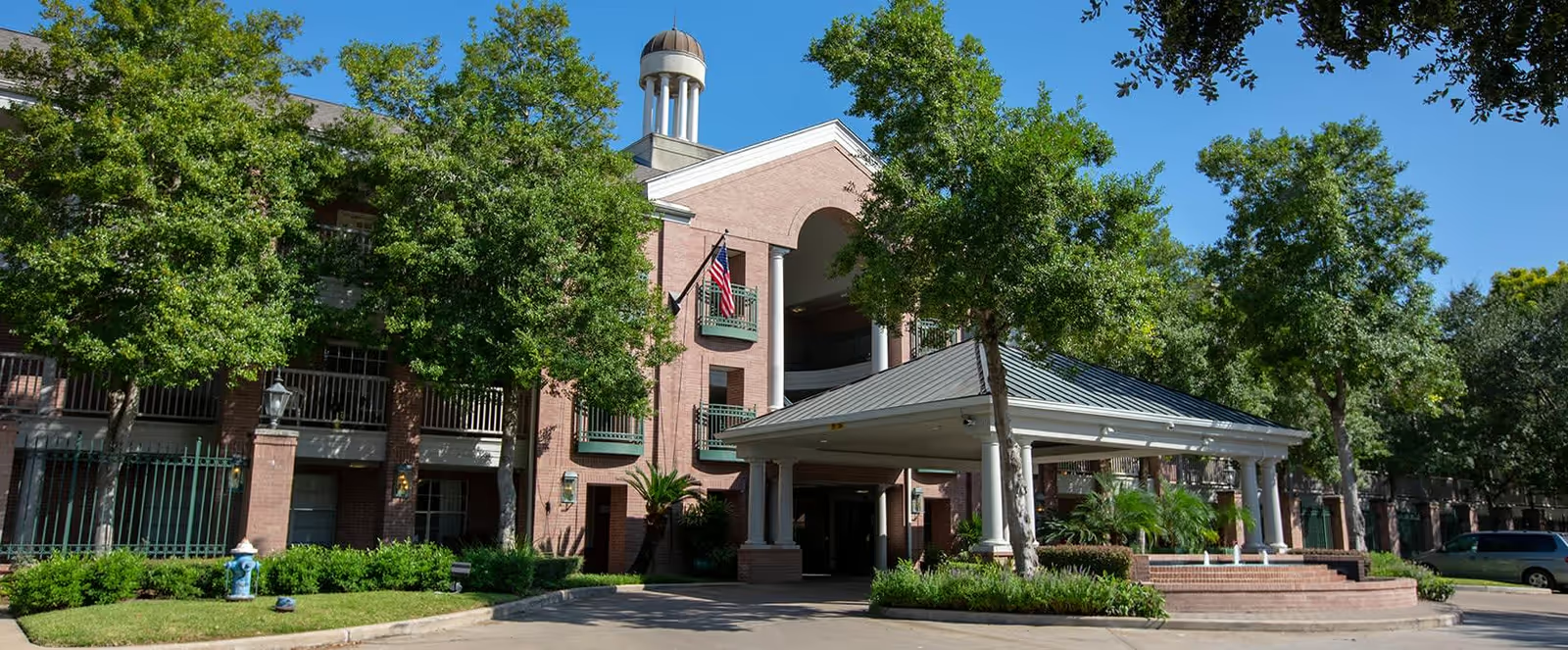
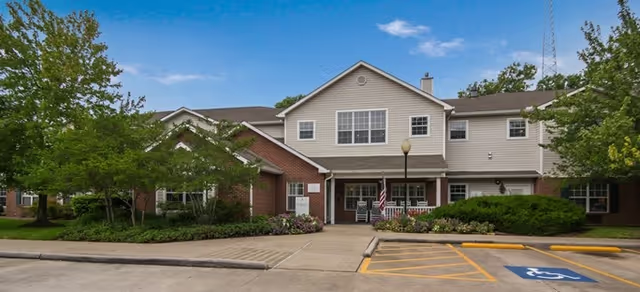
Facility and safety notes are largely positive: reviewers say the building is clean and free of odor, and they note a secure dementia unit and an emphasis on safety. The facility is characterized as older but remodeled and rebranded (Avir at Pecos), which seems to have improved the physical environment for some residents and visitors. Despite these updates, the ‘‘older facility’’ label appears in reviews and may inform some expectations about institutional limitations.
Visitation and resident experience concerns appear in multiple reviews. Some families report difficulty visiting or restricted visitor access, which compounds anxiety when communication is poor. Overall resident well-being and comfort are described positively in the better reviews, but the negative accounts about access and responsiveness create a pattern where family experience varies widely depending on staffing and staff attitudes.
In summary, the dominant themes are: (1) a core of committed, compassionate staff and positive therapy services that produce excellent care when staffing allows; (2) persistent understaffing and overworked caregivers that lead to inconsistent care experiences and the feeling that families must advocate aggressively to secure services; (3) clean, remodeled facilities with a secure dementia unit and attention to safety; and (4) troubling communication and professionalism lapses for some front-line staff, including phone handling and perceived rudeness. These patterns suggest that while the facility has tangible strengths in personnel, cleanliness, and safety infrastructure, operational challenges—primarily staffing and communication—are the main drivers of negative experiences described by reviewers.