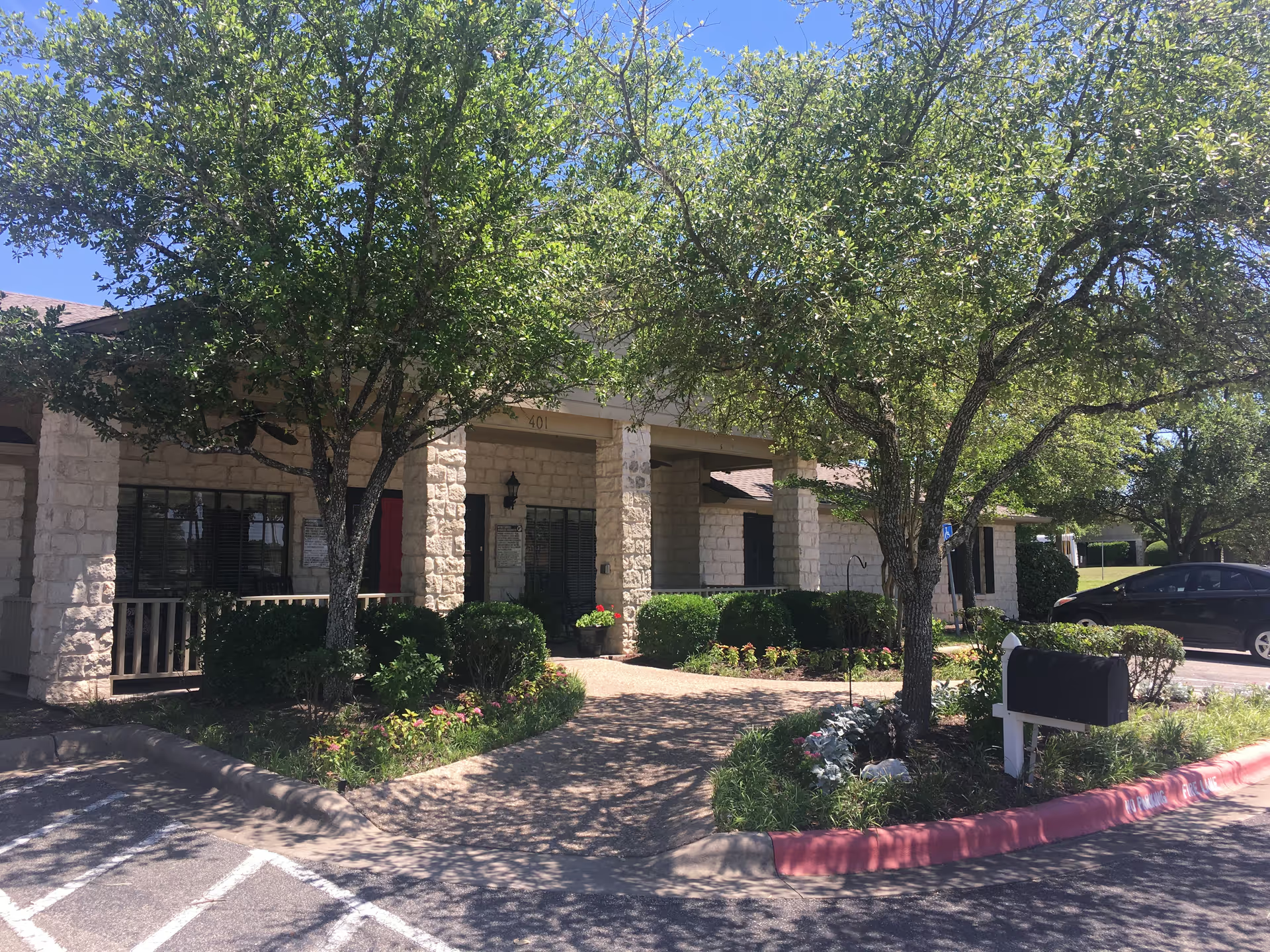
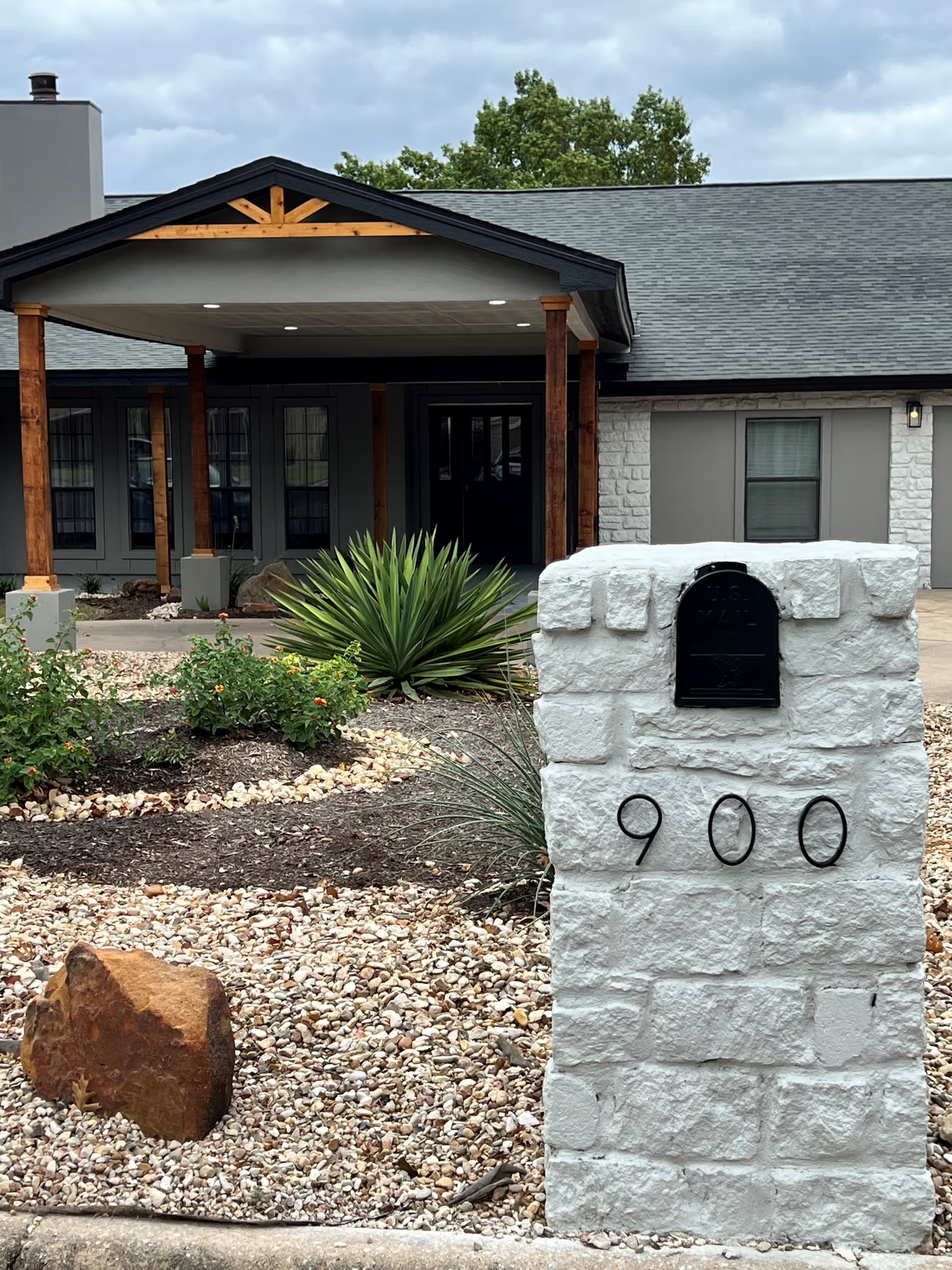
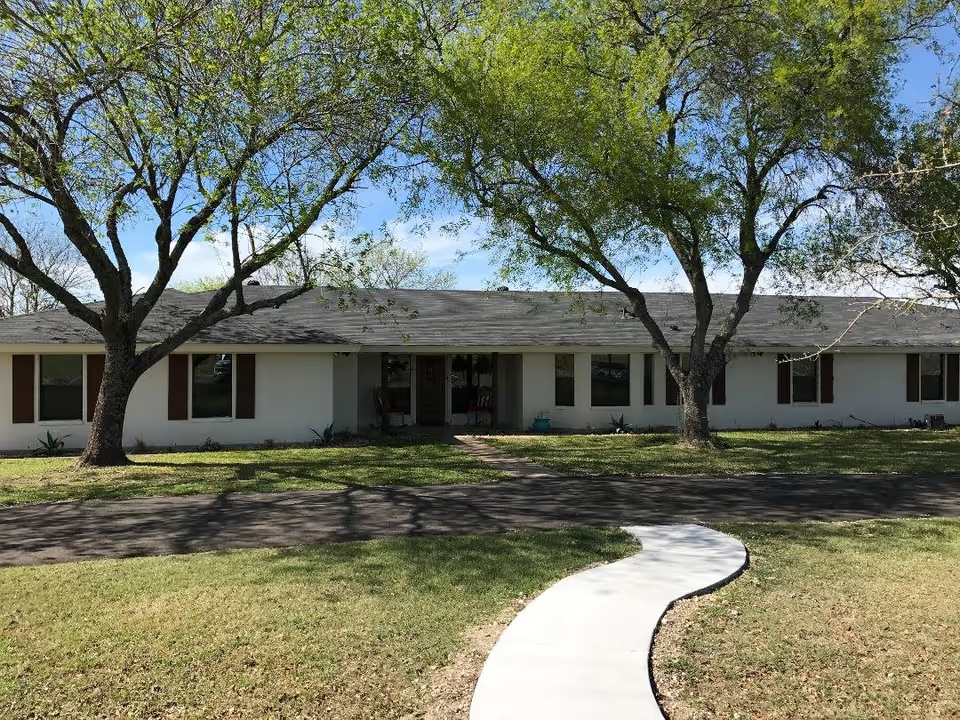
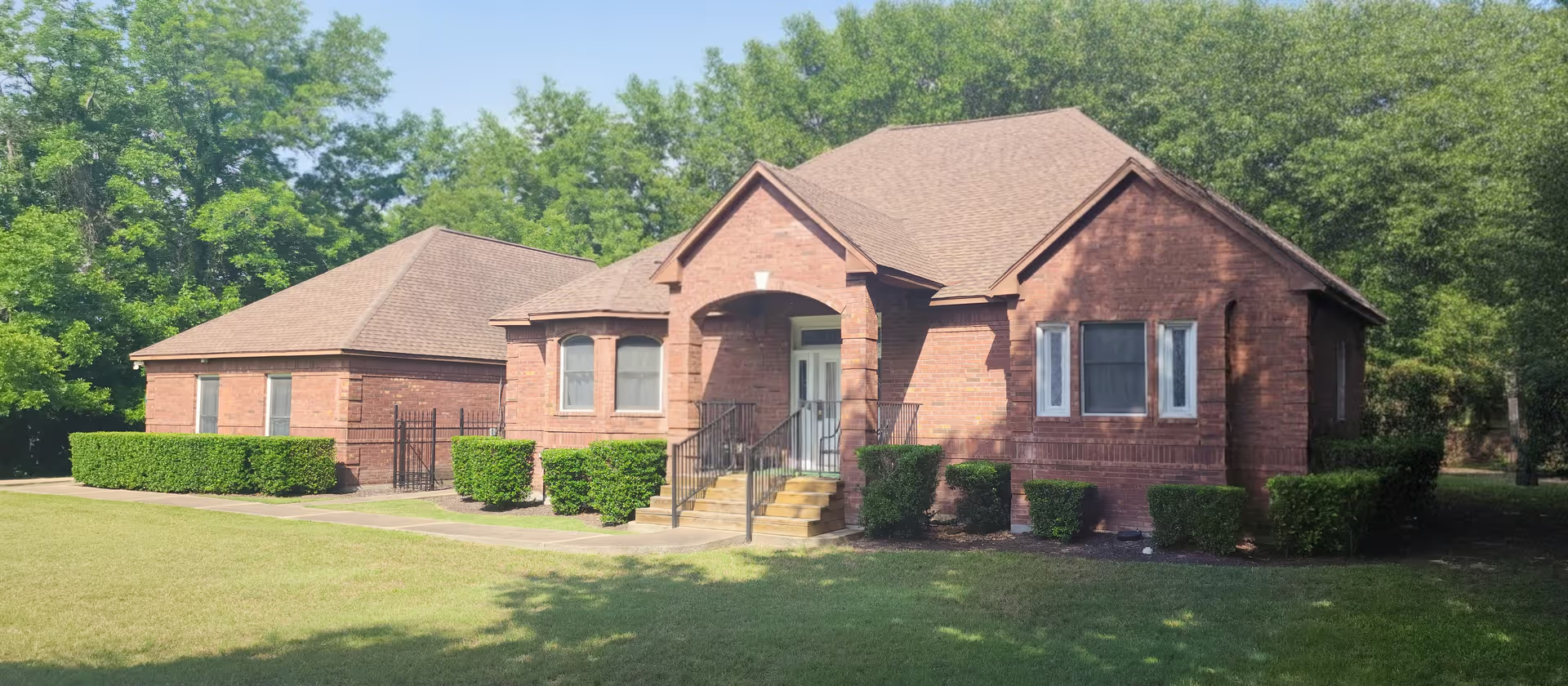
The Springs of Austin presents as a small, home-like assisted living and memory-care option that elicits strong praise for its day-to-day caregiving, household presentation, and social atmosphere. Many families describe a bright, well-maintained building with private studio and one-bedroom apartments, an inviting common area, an on-site salon, and a generally calm, low-noise community. Reviewers commonly highlight compassionate caregivers, an engaged resident-care coordinator, and responsive hospice and outside-provider coordination — factors that families associate with improved quality of life and smoother end-of-life transitions when needed.
Clinical care and staffing are frequent strengths but also a source of variable experience. Numerous accounts emphasize attentive nurses, 24/7 staffing, and effective coordination with nurse practitioners and hospice teams. At the same time, there are recurring operational concerns about inconsistent nursing continuity, occasional gaps in supervision, and uneven clinical oversight. Families should be aware of patterns indicating variability in how clinical coverage is scheduled and documented, and ask prospective administrators about typical staffing ratios, on-call clinical resources, and emergency procedures.
Dining and activities are highlighted positively by many families. Meals are described as flavorful and accommodating to special requests, with pleasant mealtime aromas noted in common areas. Activity programming — including painting, crafts, games, puzzles, and cognitive-engagement exercises — is frequently cited as contributing to resident engagement and social wellbeing. A small number of comments point to variability in how consistently activities are delivered across residents or shifts, so asking for a weekly activity calendar and sample programming is advisable.
Facility operations and logistics show a mix of strengths and weaknesses. The property is repeatedly described as clean, bright, and meticulously maintained under hands-on ownership. Conversely, practical issues have been raised about laundry management, personal-property safeguards, and limited on-site transportation (reliance on third-party vendors and extra fees). There are also notes about short or late tours and variability in the admissions orientation experience. Several comments reference uncertainty about licensing or regulatory status; prospective families should verify licensure and any local zoning or HOA considerations prior to move-in.
Management and organizational patterns are mixed in reviewers' accounts. Many families praise an involved owner and attentive managers who provide photos and regular updates, contributing to a family-like environment. However, other accounts point to perceived opacity in financial practices, concerns that revenue priorities sometimes influence decisions, and at least one serious claim involving financial-security lapses. These concerns underline the importance of confirming financial policies, resident-property safeguards, and incident-reporting procedures during a tour. Overall, the facility receives strong commendations for individualized, compassionate care and a nurturing environment, but prospective residents and families should conduct thorough due diligence on clinical staffing, safety monitoring, licensure, and financial controls to ensure alignment with their care priorities.