Overall assessment Avir at Pilot Point presents as a facility with many interpersonal strengths and some operational limitations. Families frequently praise the bedside care and the relational culture: nurses, caregivers, and therapists are repeatedly described as caring, personable, and attentive. At the same time, reviews identify recurring operational themes that should be considered by prospective residents and their families, including staffing strain, uneven clinical oversight, and an older physical plant that requires updating.
Care and staff Clinical and rehabilitative services are among the facility's strongest aspects. Physical and occupational therapy teams are described as skilled and effective, and several reviewers highlighted specific nurses and bedside caregivers for compassionate, individualized attention. There is also 24-hour nursing coverage and available hospice support for residents with advanced needs. Counterbalancing those strengths, families noted inconsistent professionalism and occasional delays in responsiveness, suggesting workload and staffing pressures. A small number of reviews raised concerns about medication management and a perceived lack of clinical empathy in isolated situations; these point to the need for clear clinical protocols and oversight.
Dining and activities Meals are frequently praised for taste and thoughtfulness, with specific references to holiday meals and a cook who customizes menu items. Recreational programming is present and has regular offerings such as bingo, music, and church services that contribute to a social atmosphere. However, activity schedules were described as uneven; some families found programming predictable and adequate, while others said scheduled engagement was limited or irregular. Prospective residents should ask for a current activity calendar and observe a program session during a tour if engagement opportunities are a priority.
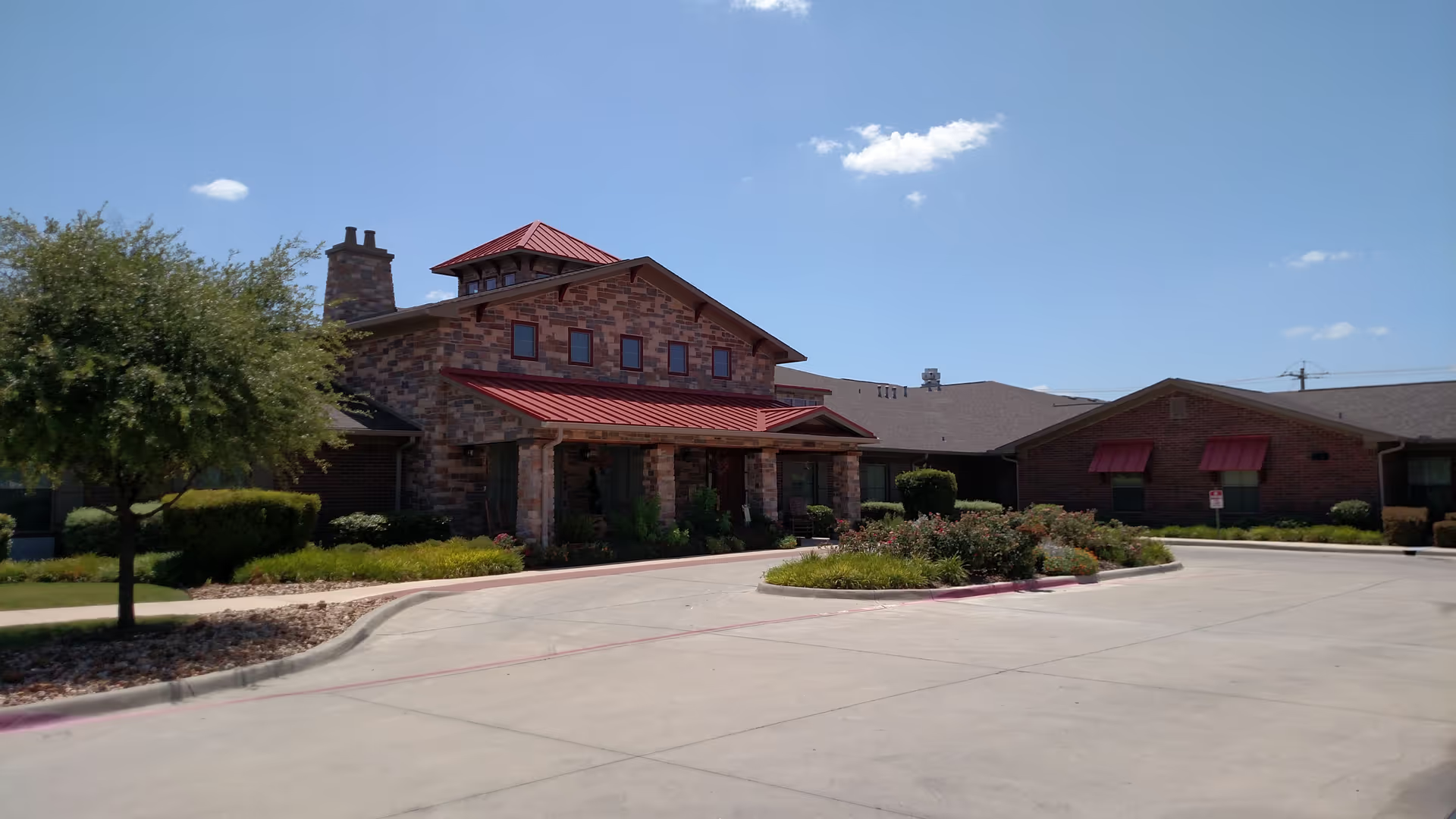
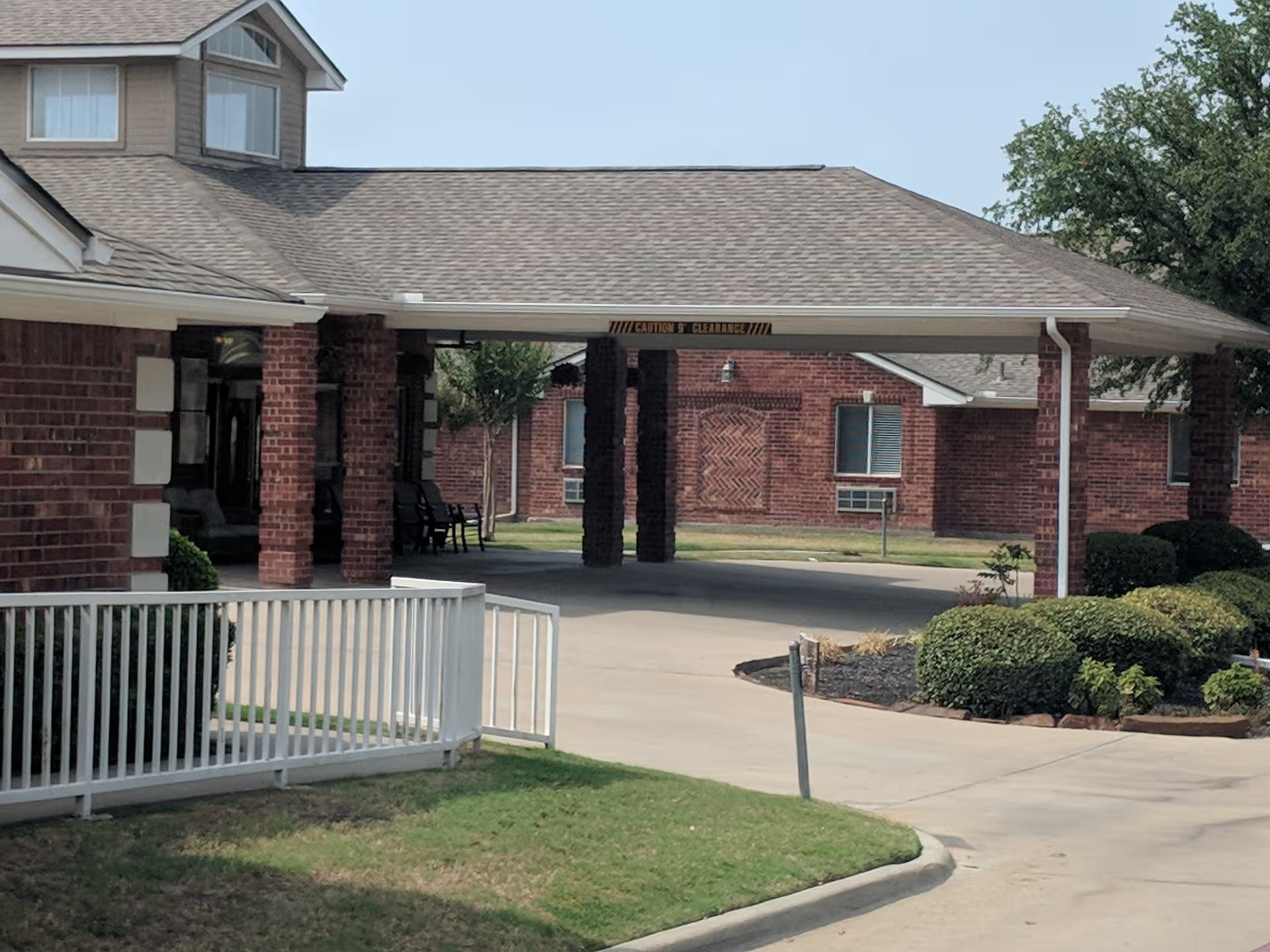
Facilities and support services The facility is described as functional and homey but aging in places—rooms and some common areas may benefit from modernization. Housekeeping and maintenance are often praised for keeping rooms comfortable and addressing issues promptly. A few comments indicated sanitation or odor concerns in specific areas, suggesting variability in environmental maintenance. Families should inspect rooms, common spaces, and recent renovation work during a visit and ask about ongoing capital-improvement plans.
Management, communication, and safety patterns Administrative staff receive mixed feedback: several reviewers commended an involved, informative admissions process and responsive administrators, while others experienced communication gaps, poor phone responsiveness, or a terse tone in billing and contract discussions. Contract terms and billing flexibility were a notable pain point for some families; clarifying financial policies before move-in is advisable. Safety-wise, reviewers mentioned falls and other clinical incidents; these were discussed as indicators of operational gaps—notable here are concerns about transfer/supervision practices and the effects of staffing limitations on timely resident assistance. There were also allegations of missing personal belongings in some accounts, pointing to a need for clearer property-management practices and secure storage options.
Notable patterns and guidance for families The dominant positive pattern is the quality of direct caregiving and rehabilitation, which many families found comforting and effective. The dominant concerns relate to systemic operational issues: staffing consistency, clinical oversight, communication, facility upkeep, and contractual clarity. For families considering Avir at Pilot Point, recommended steps include: meeting nursing leadership and the DON, reviewing current staff-to-resident ratios and therapy schedules, asking for written medication and incident-response protocols, inspecting room cleanliness and recent maintenance work, requesting a sample activity calendar, clarifying billing and contract language in advance, and inquiring about personal-property controls. These inquiries can help align expectations and identify whether the facility's strengths match the prospective resident's care priorities.