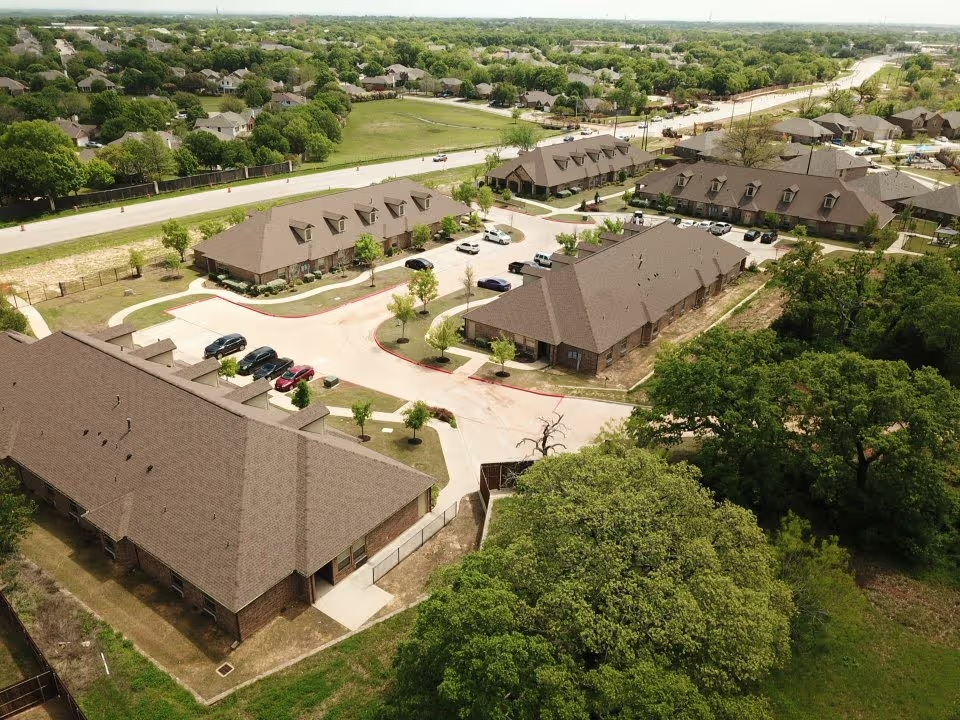
Eagle Ridge Alzheimer's Special Care Center is consistently described as a small, memory-care–focused community with a strong emphasis on person-centered programming. Reviewers commonly note that the facility is designed for residents with Alzheimer's and related dementias: care plans are individualized, staff provide a high level of one-on-one attention, and services such as bath-on-demand, respite/day-stay options, and age-in-place support are available. The community size (around 46 residents) and neighborhood-style layout are seen as advantages for orientation and safety.
Staff and caregiving culture are the most frequently praised elements. Families emphasize compassionate, family-like interactions, frequent engagement by activity staff, and a generally high staff-to-resident ratio. Many accounts describe caregivers as attentive and emotionally supportive, with administrators and activity directors responsive to family concerns. That said, reviewers also note variability in clinical depth and leadership: some families experienced stable long-tenured teams, while others observed turnover or uneven clinical oversight. This pattern suggests that the resident experience can depend substantially on current staffing and leadership stability.
Dining and programming receive favorable comments overall. An on-site chef and dietician-influenced menus are praised for quality, presentation, and customization, with regular snacks and structured mealtimes. The activity calendar is full and varied — daily music, games, crafts, bingo, movie times, family nights and occasional entertainers — and programming is designed to create purpose and social engagement. However, some families indicated that activities are not always tailored to residents with more advanced impairment, and programming individualization may be inconsistent.
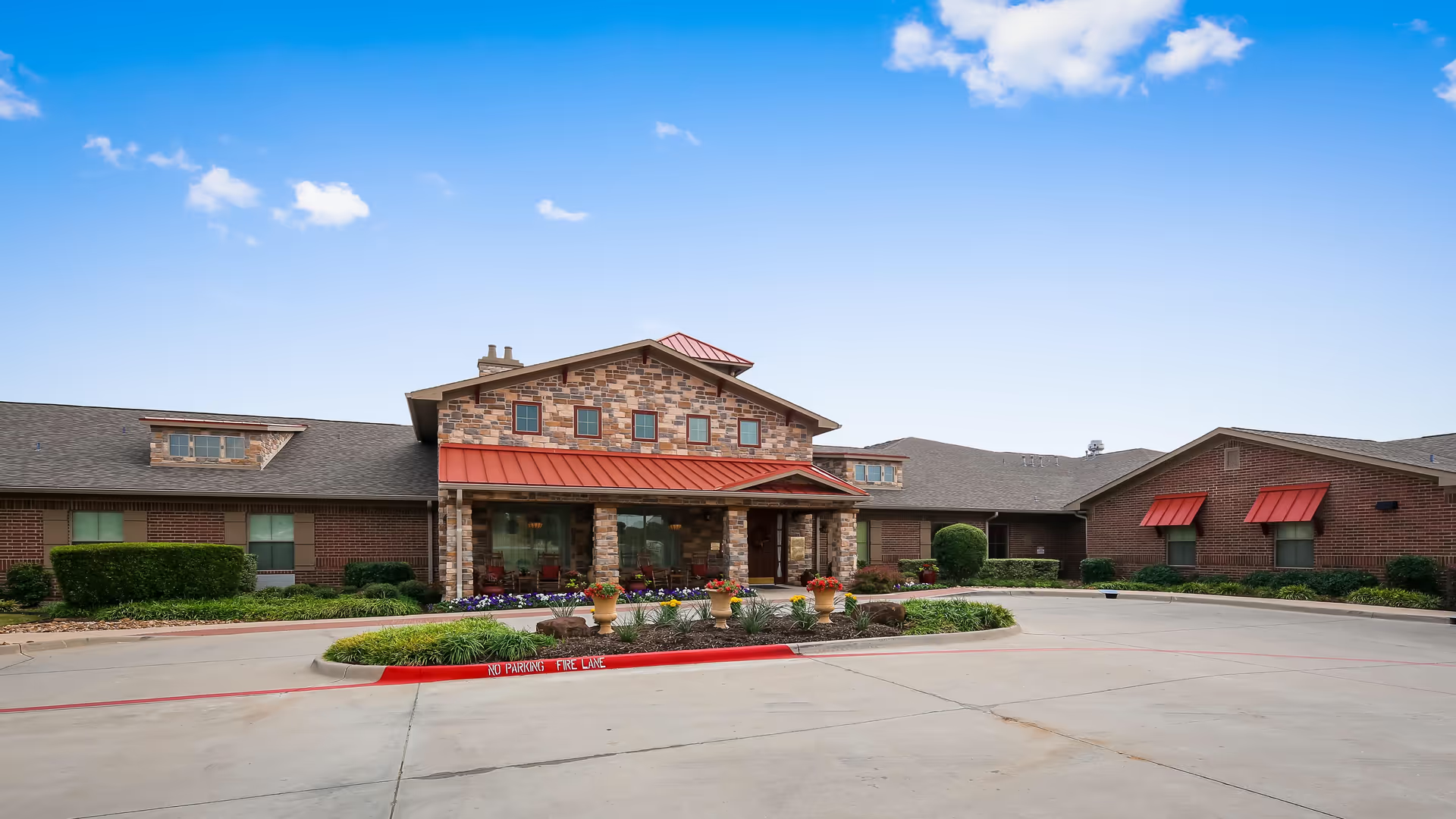
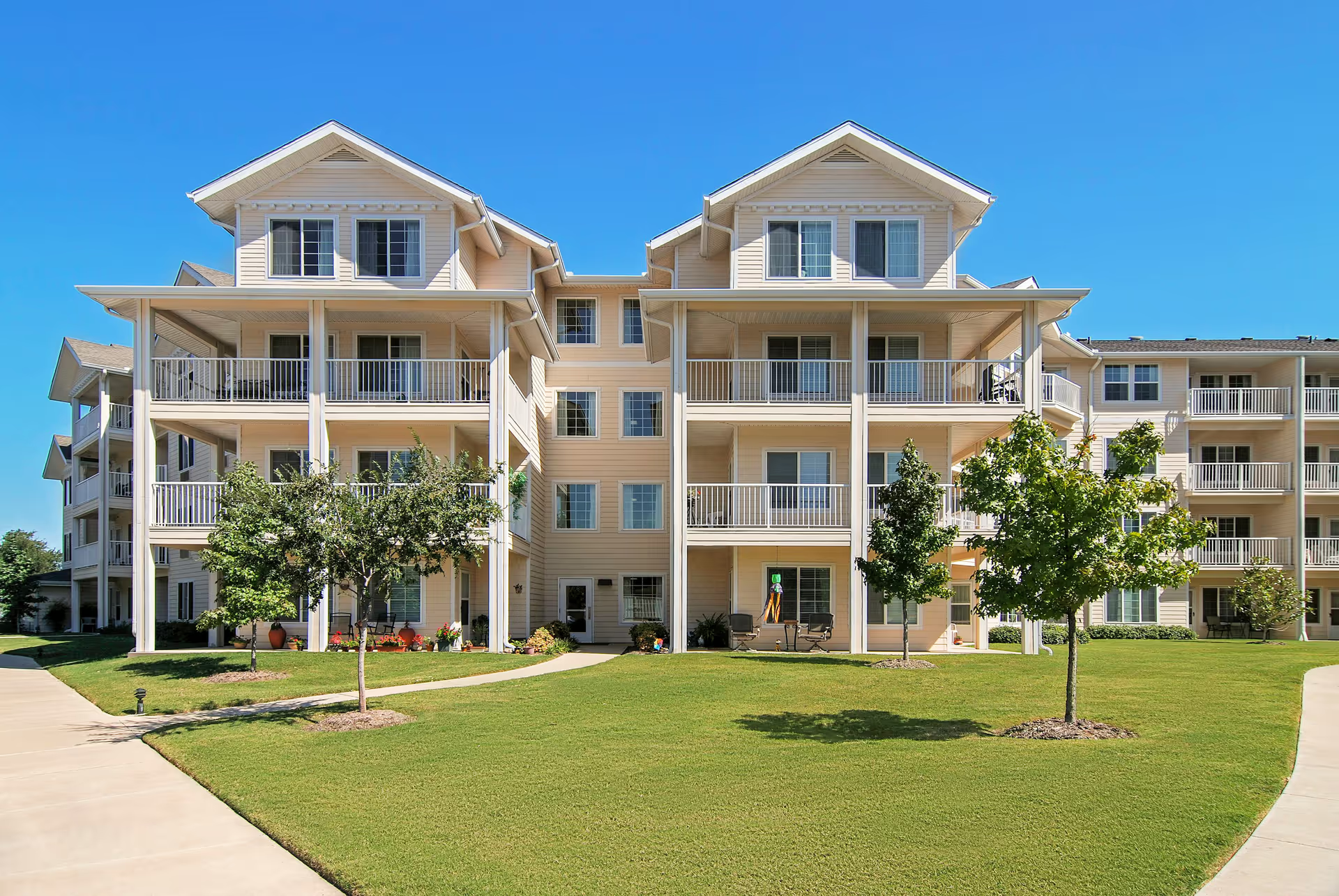
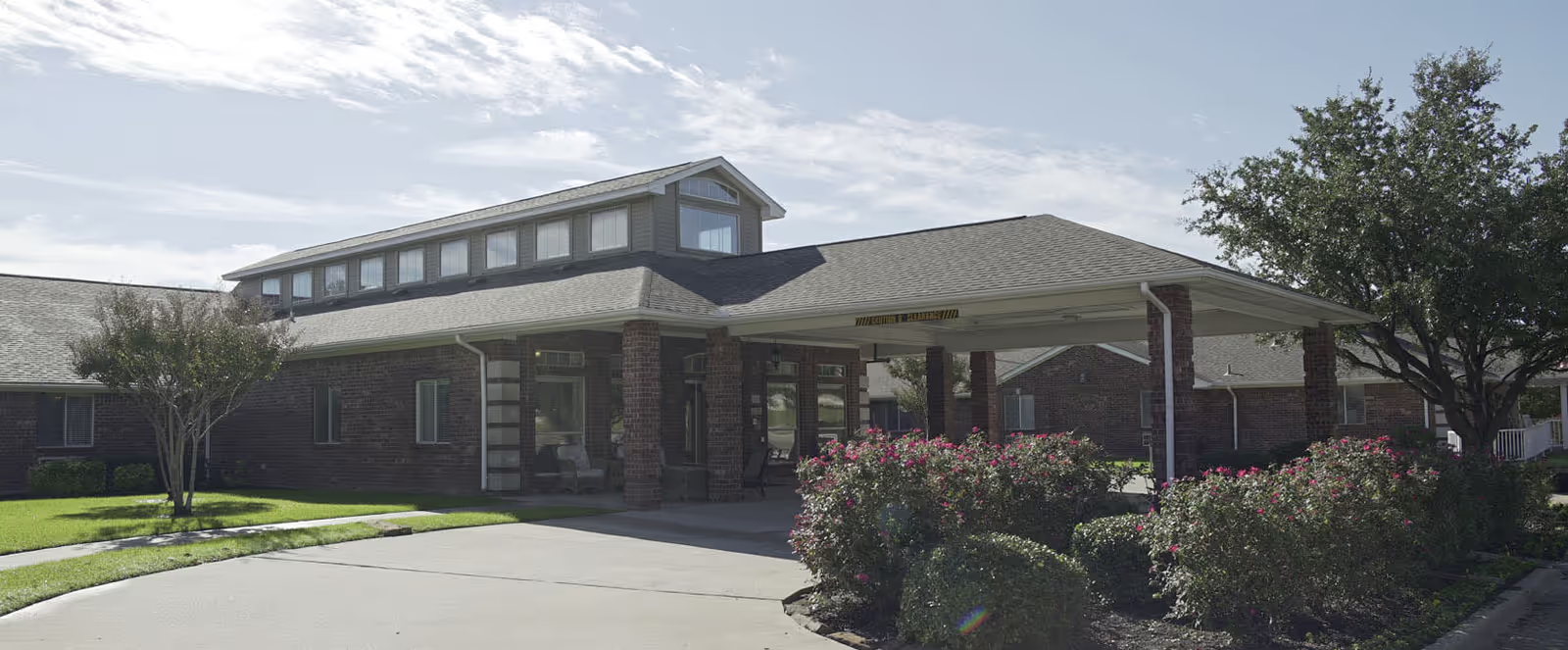
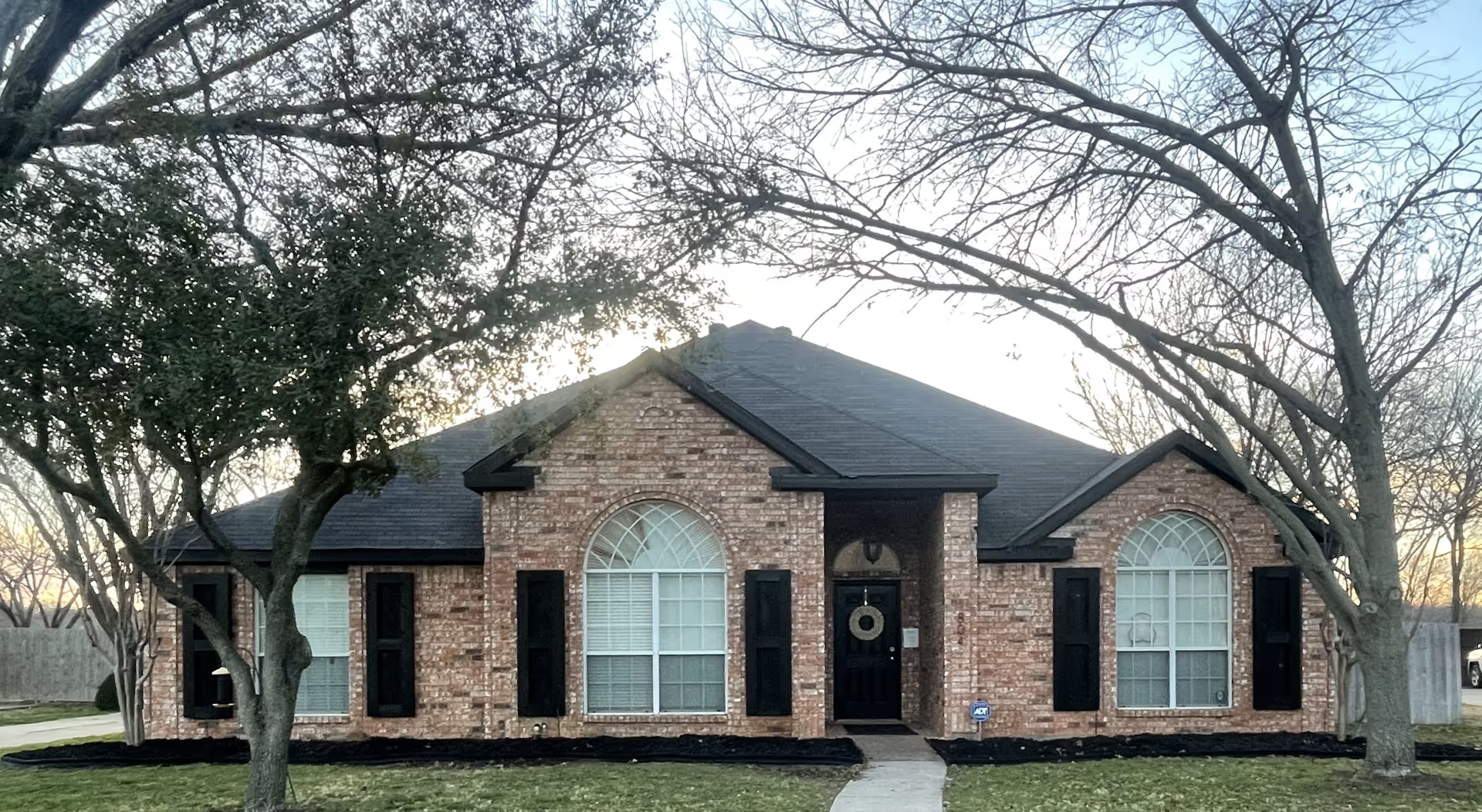
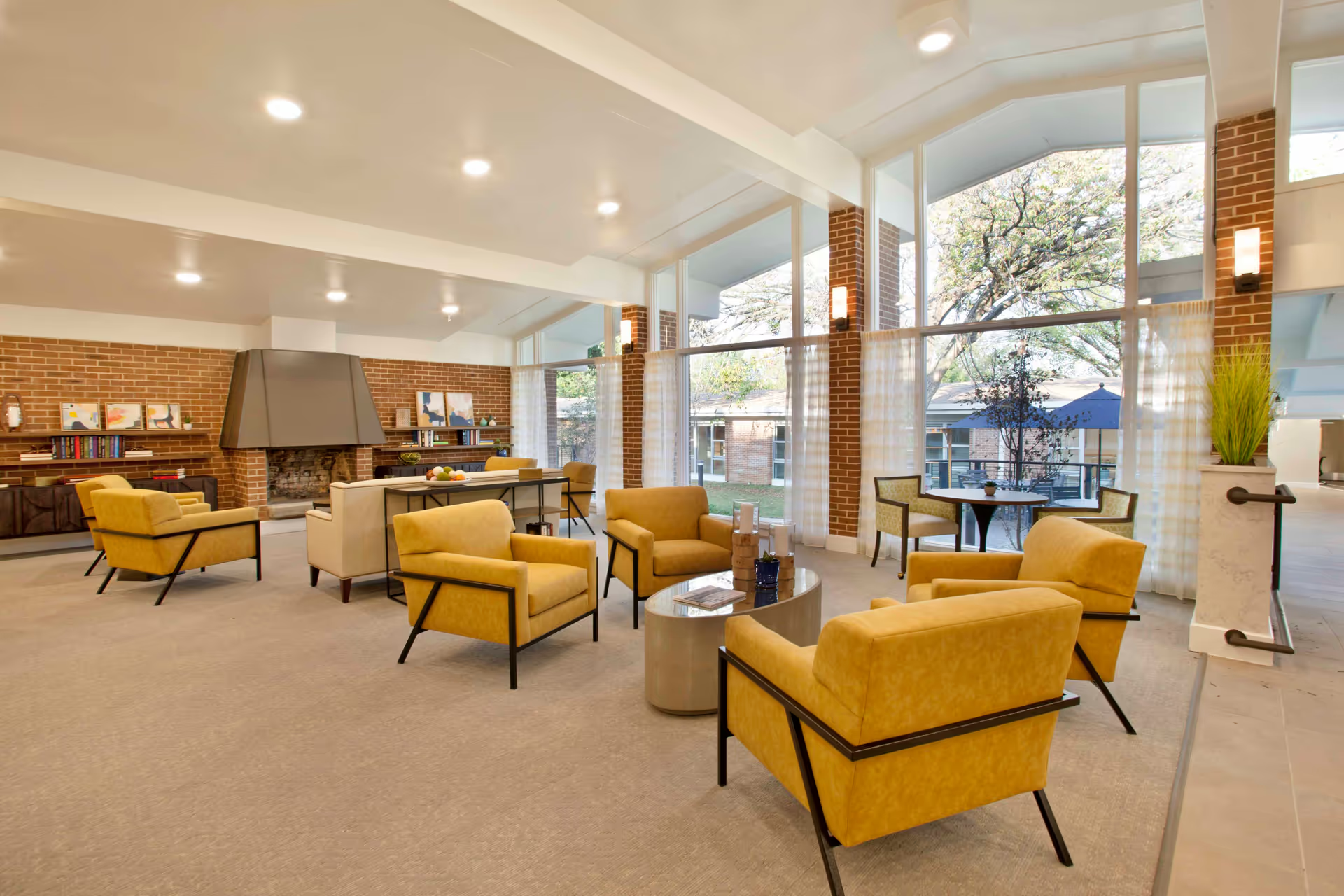
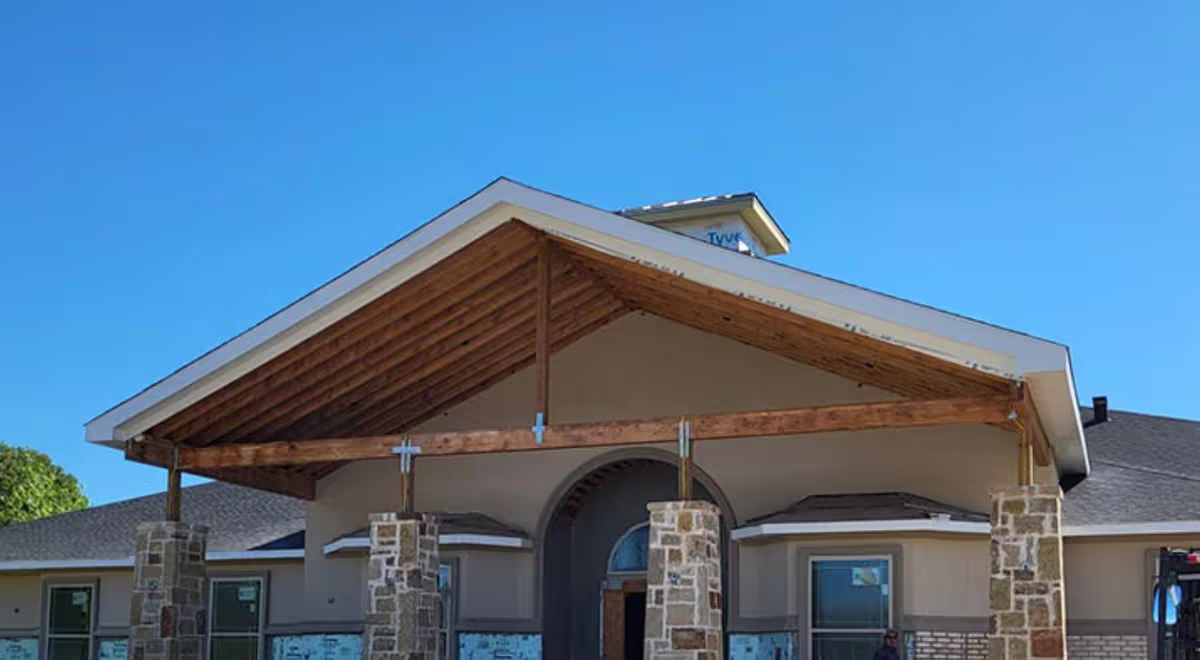
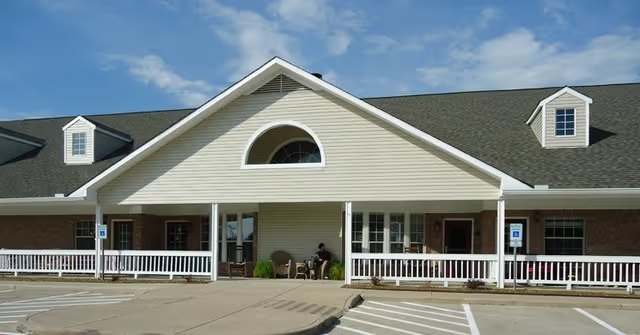
The physical environment and amenities are repeatedly described as clean, bright, and well maintained. The single-level or neighborhood layout, secure courtyards, multiple smaller living and dining areas, exercise room and ample communal spaces are seen as conducive to memory care. Room options vary from semi-private to medium private; residents may bring personal furniture. Reviewers frequently note good sanitation and a pleasant atmosphere, though there are comments about limited fully private-room availability in certain configurations.
Operationally, reviewers praise prompt emergency response and hands-on caregiving, but also raise concerns about medication-management practices, administrative/billing inconsistencies, and gaps in clinical nursing coverage at times (including variability in 24-hour nursing availability). Staffing turnover and inconsistent dementia training depth are recurring operational themes that can affect continuity of care. A small number of accounts reference significant clinical or communication incidents, which led families to emphasize the importance of active advocacy and continuing involvement by relatives.
In summary, Eagle Ridge offers many strengths for families seeking memory-focused assisted living: a specialized, person-centered program, robust activity offerings, quality dining, a secure and home-like physical environment, and a generally compassionate staff culture. Prospective residents and families should assess clinical staffing patterns, ask specific questions about medication-management protocols and 24-hour nursing coverage, confirm private-room availability if important, and clarify billing policies. For individuals in earlier to moderate stages of dementia the model and environment appear well suited; for advanced-stage needs, families should evaluate the facility’s clinical capacity and customization of activities before deciding.