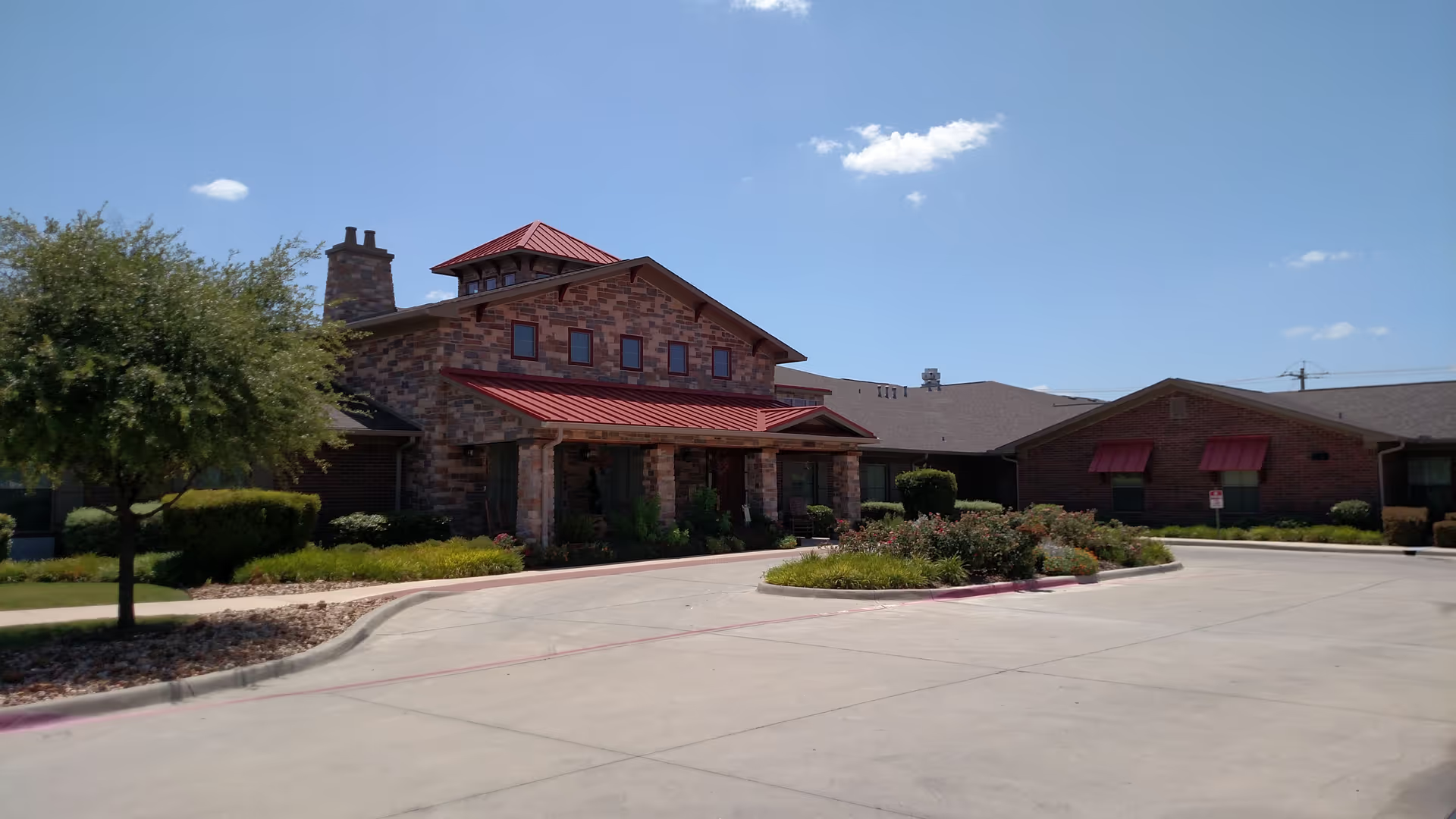
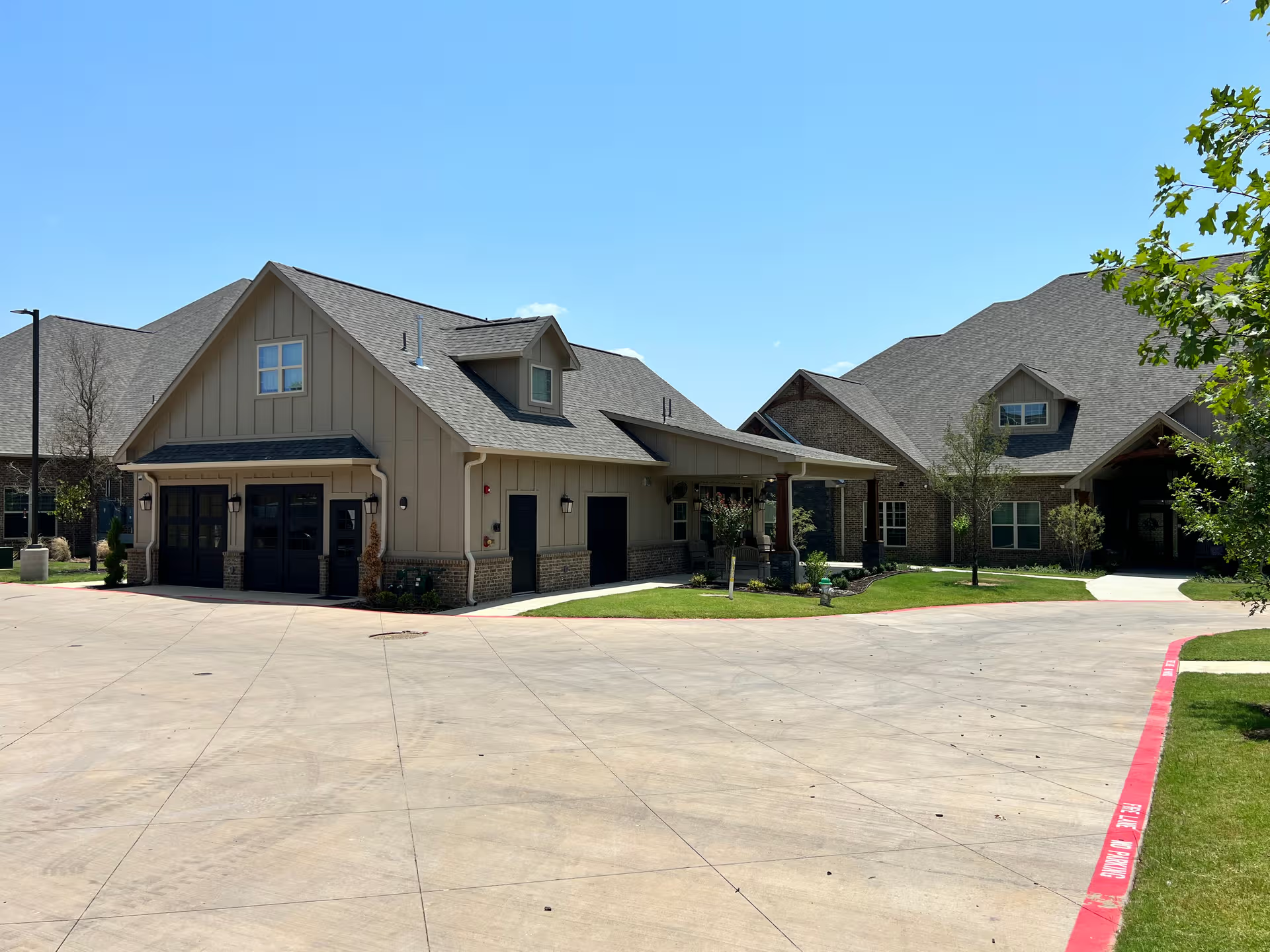
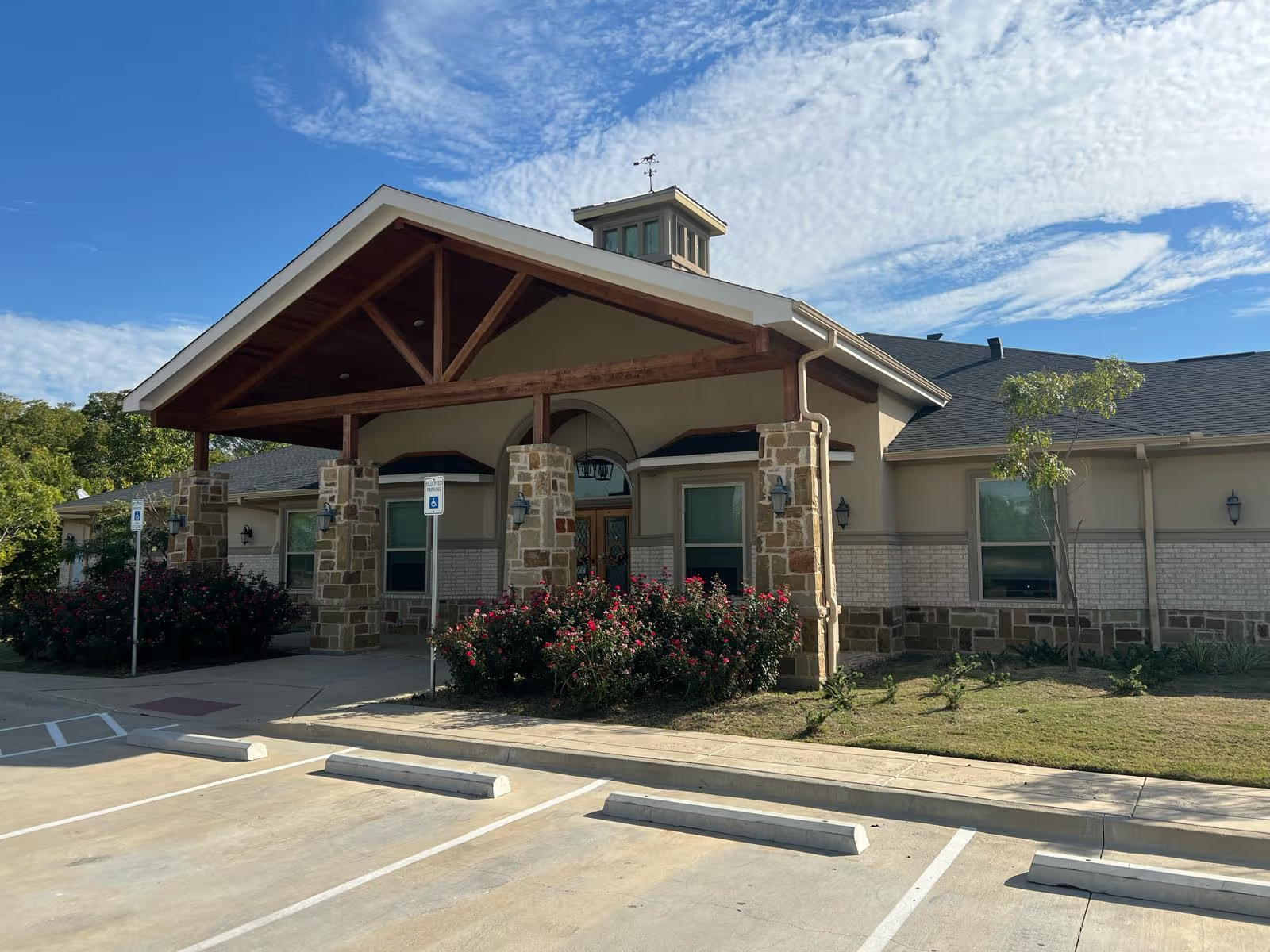
A Joyful Journey Assisted Living is consistently described as a small, homelike residence with a strong emphasis on personalized, compassionate care. The facility’s six-resident maximum and household-style layout are repeatedly framed as central strengths: they enable staff to develop close relationships with residents, learn names and preferences, and deliver near-constant attention. Families emphasize that this model produces a sense of comfort, restored dignity, and peace of mind.
Care and staffing are the most prominent themes. Feedback highlights caregivers who are attentive, patient, and knowledgeable; communication with families is characterized as clear and frequent. Reviewers describe staff behaviors such as affectionate interactions, respectful handling of daily tasks, and a willingness to go beyond basic requirements. These descriptions suggest an operational culture that prioritizes individualized care and emotional support alongside routine assistance.
Dining and communal life are portrayed as home-centered rather than institutional. Comments about comfortable accommodations, inviting common areas, and homestyle refreshments indicate a focus on creating a pleasant daily environment. Activity programming is described as tailored and companion-driven, emphasizing personalized engagement, social connection, and frequent family visits. The small resident count supports one-on-one or small-group activities but naturally limits breadth and scale.
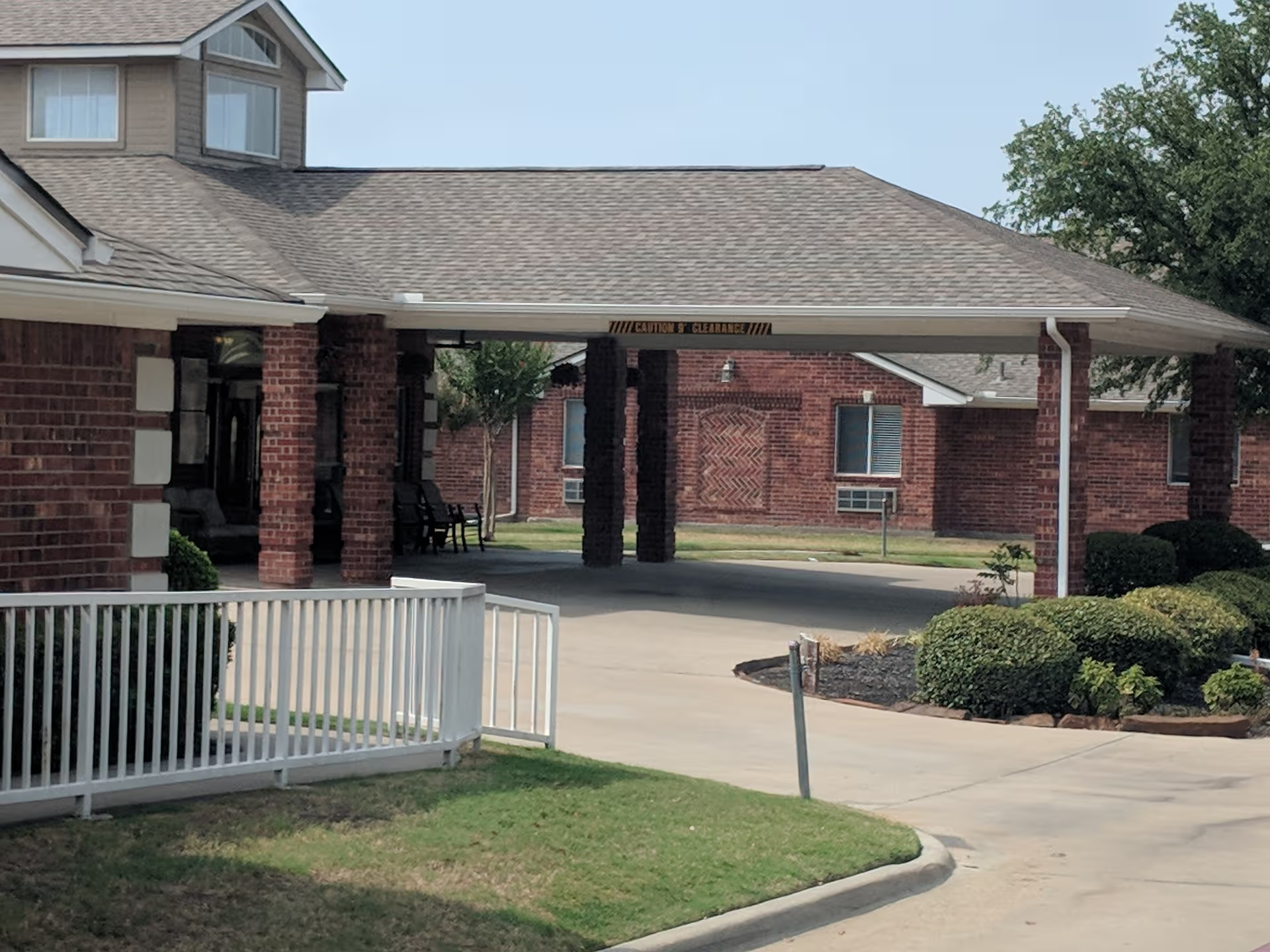
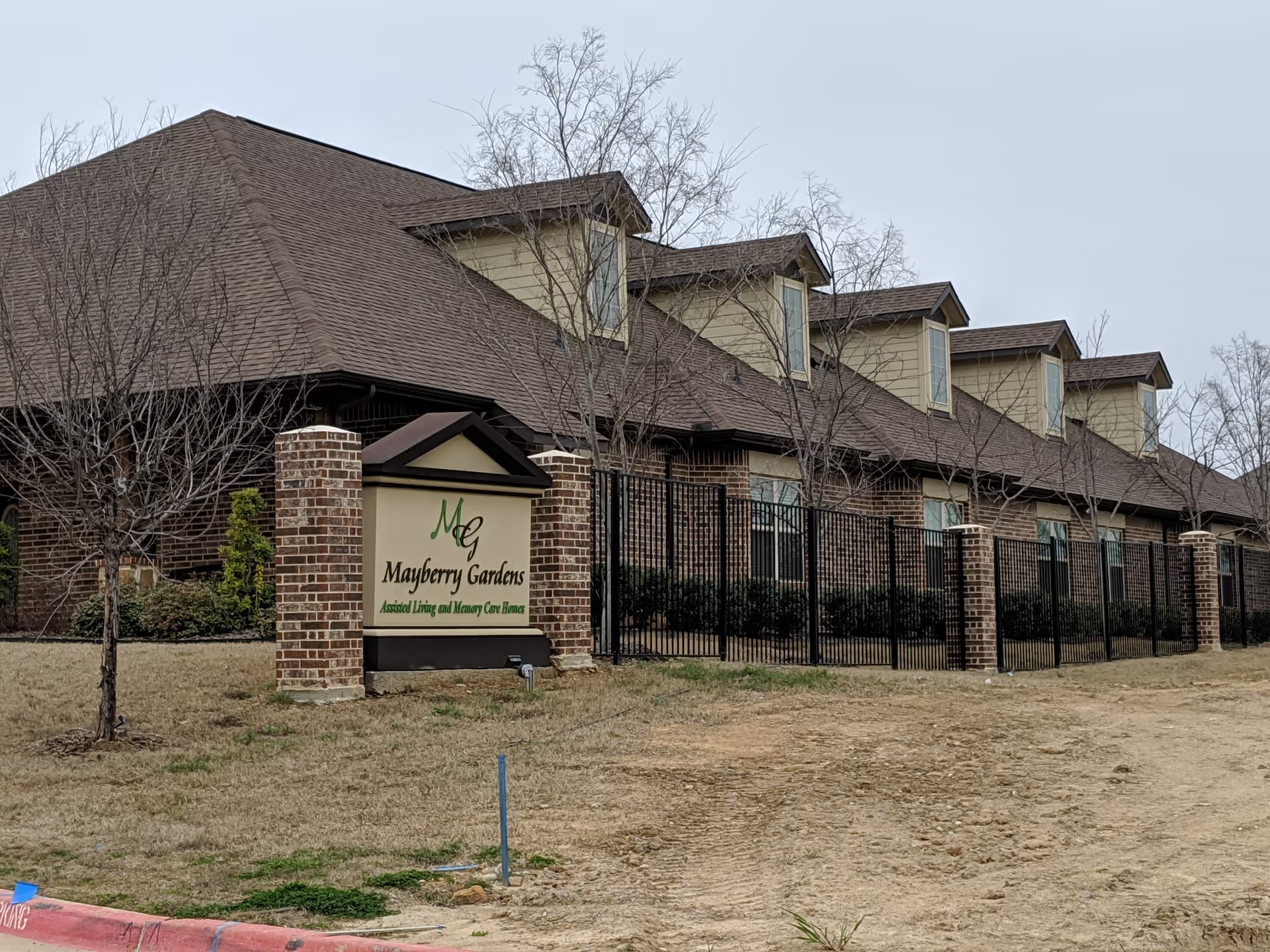
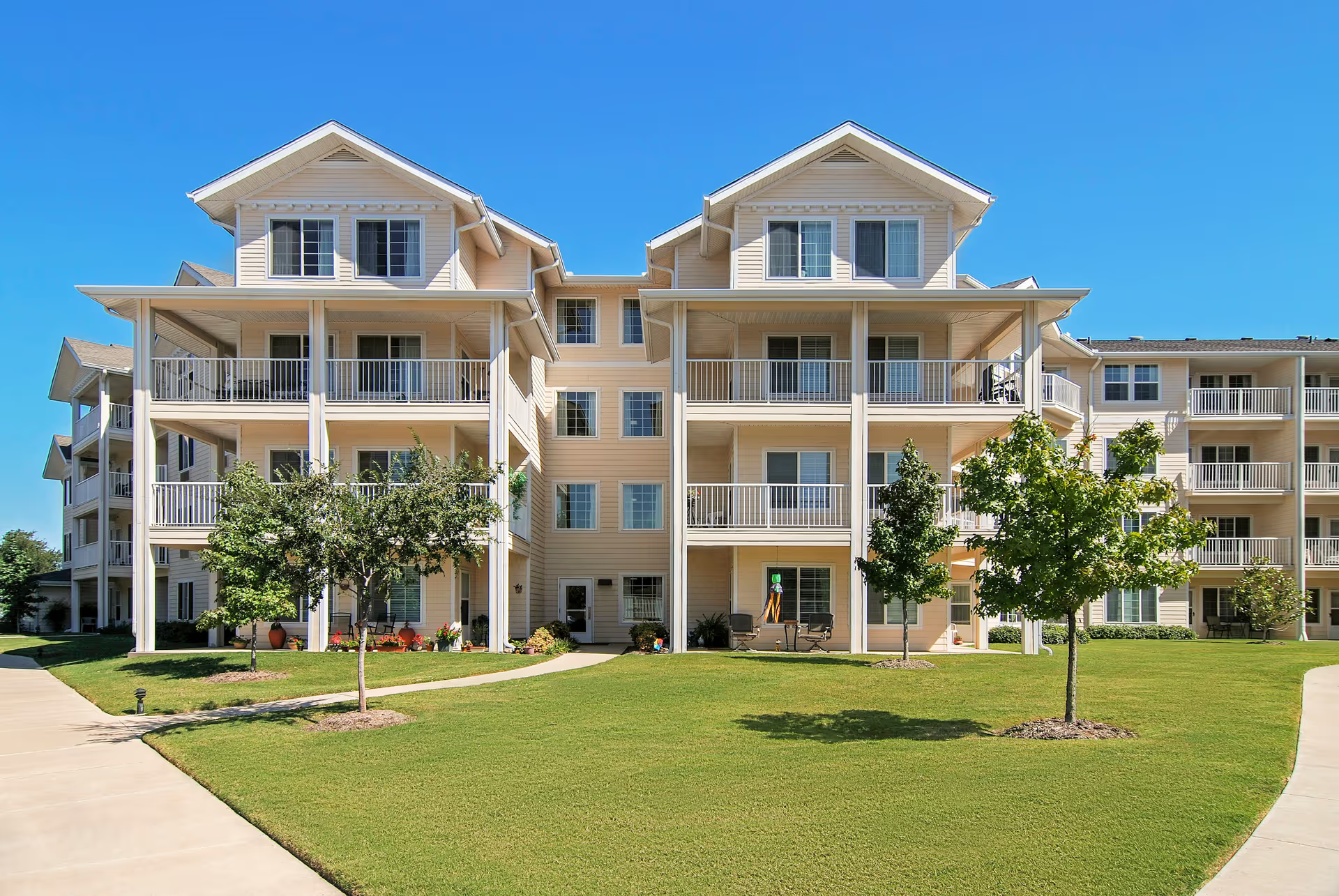
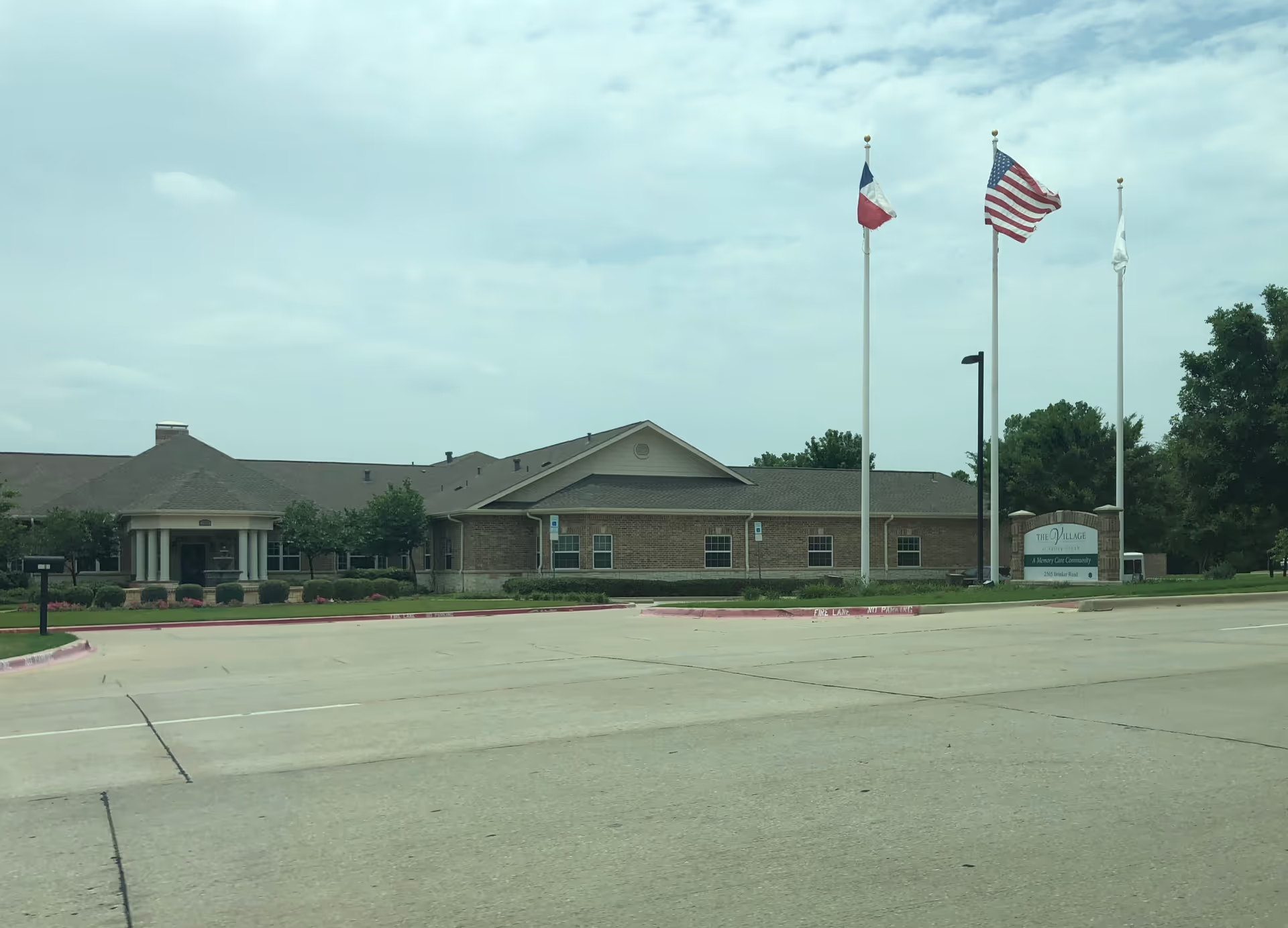
Facility maintenance and environment receive consistently positive remarks: reviewers note cleanliness, tidy common spaces, and a cozy atmosphere. Safety and supervision are presented as reliable within the small-home model. Management practices implied by the feedback point to close staff oversight, rapid responsiveness to family concerns, and a hands-on approach to daily operations.
Notable patterns and operational limits: the small size that produces individualized attention is also a constraint. Limited capacity restricts availability for new residents and may require families to plan for waitlists or limited openings. The setting appears best suited for residents who need supportive daily care rather than intensive medical or specialty clinical services; families considering higher-acuity care should verify on-site clinical capabilities and transfer protocols. Because a few caregivers are singled out for their central roles, prospective families should assess staffing back-up plans and continuity mechanisms. Likewise, the small scale can constrain the diversity of activities and may be associated with a higher per-resident cost structure.
Recommendation: For families seeking a tightly knit, home-like assisted living experience with high-touch, compassionate caregiving, Joyful Journey matches that profile. Prospective residents and families should confirm clinical-service availability, staffing contingency plans, and pricing details during a tour to ensure alignment with clinical needs and long-term expectations.