Overall assessment Teresa’s House Assisted Living & Memory Care is consistently described by families as a small, home-like memory-care provider with a strong emphasis on personalized, high-touch care. Reviewers most often highlight compassionate caregiving, a favorable staff-to-resident ratio, and a household environment that is clean, well-maintained, and calm. The facility’s model—small residences, visible leadership, and continuity of staff—appears to support individualized dementia care and relational continuity for residents.
Care and staff Reviews emphasize clinical competence combined with warm, family-style caregiving. Families describe staff as attentive, patient, and knowledgeable about individualized dementia strategies; several reviews specifically praise nursing leadership and hands-on involvement from owners and directors. The combination of regular nursing presence and reportedly consistent caregivers contributes to family confidence in medication management, safety oversight, and end-of-life support. That said, there are references to variability in responsiveness and conduct in isolated accounts; prospective families should ask about current staffing patterns, shift coverage, and contingency plans for higher census or staff turnover.
Dining and activities Dining is a recurring strength in the reviews. The facility is noted for chef-prepared, non-frozen meals that families describe as nutritious and appealing—many reviewers framed food quality as above typical expectations for assisted living. Activity programming is described as varied and socially engaging, including exercise, crafts, and communal dining that support improved emotional and physical well-being. These elements are cited as contributing factors to residents’ improved mood and engagement.
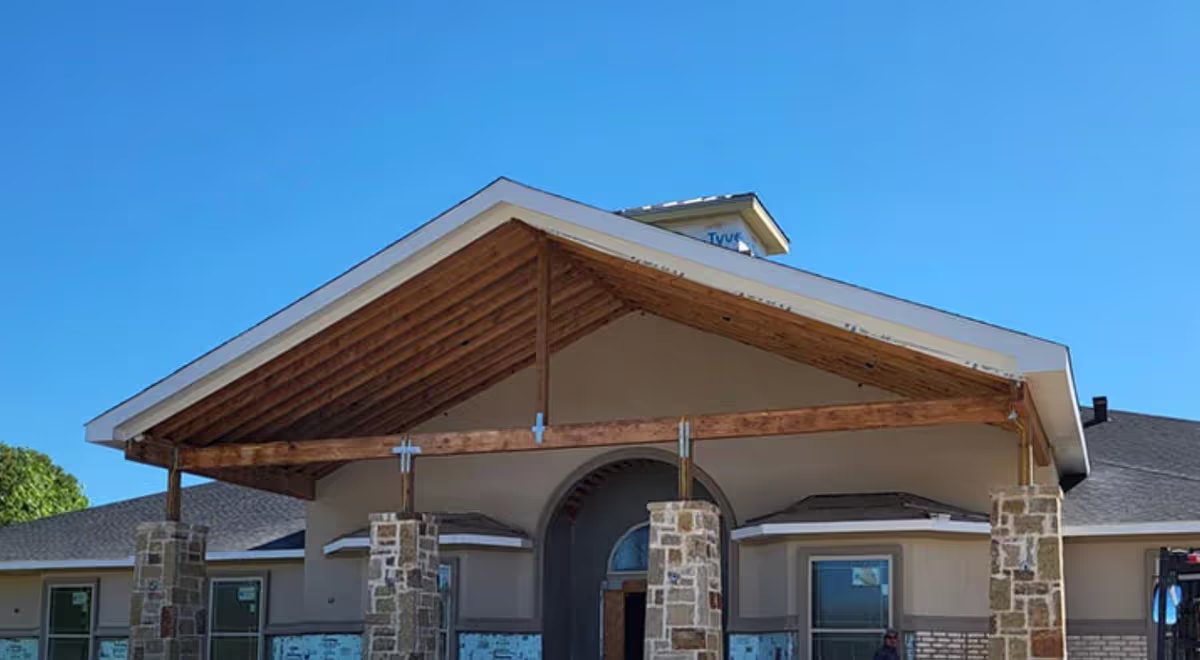
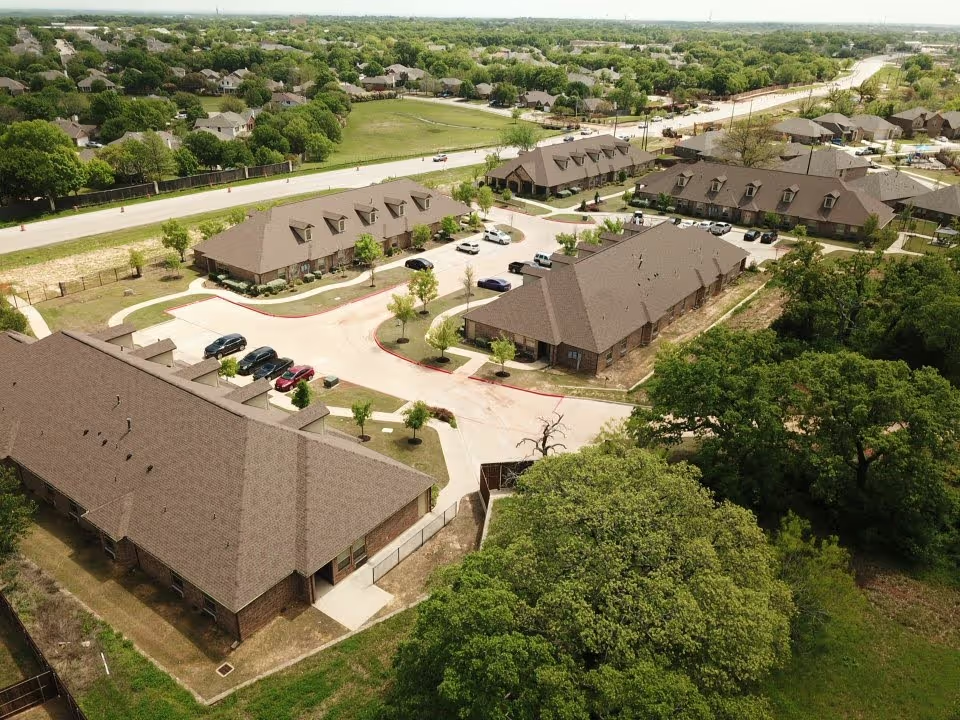
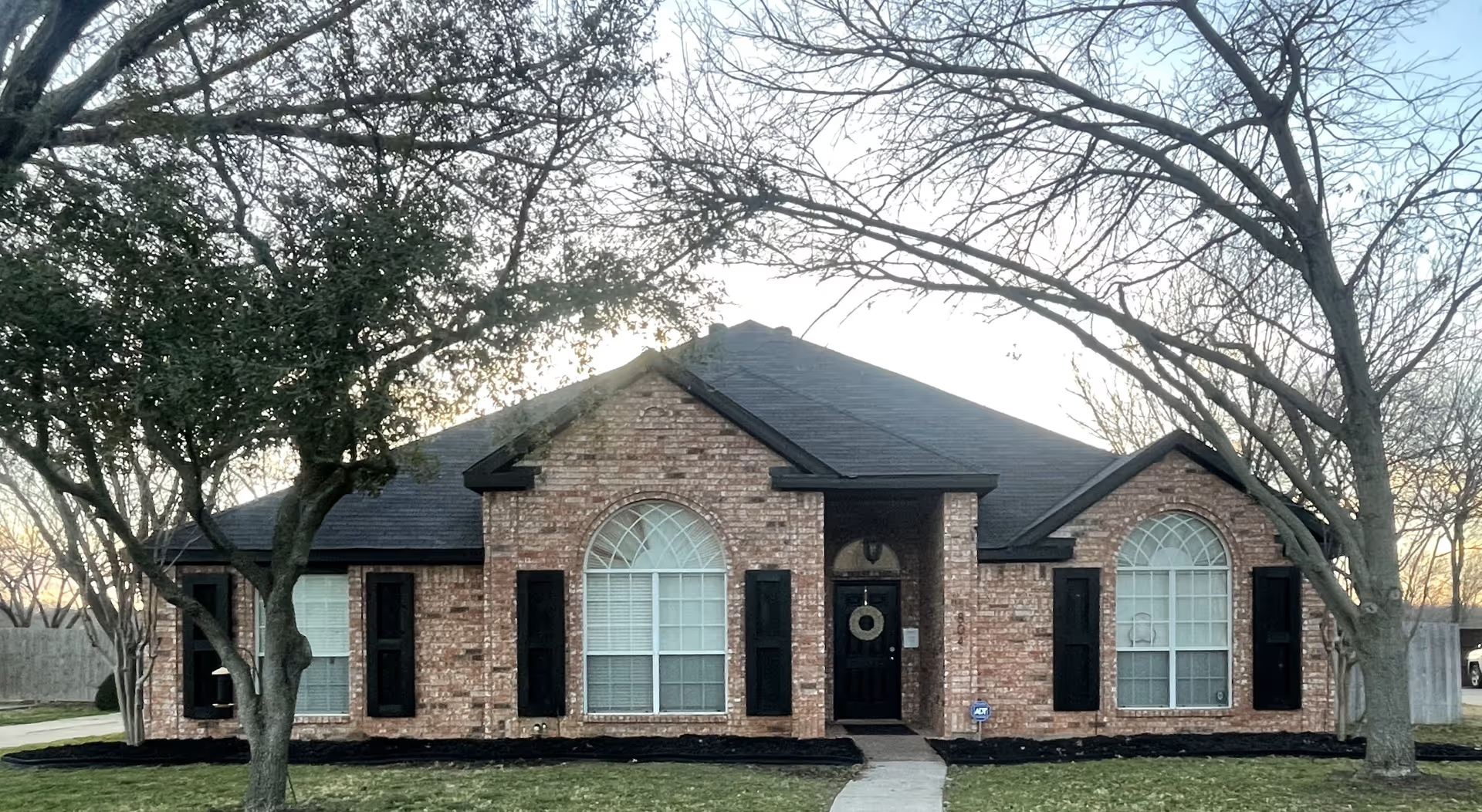
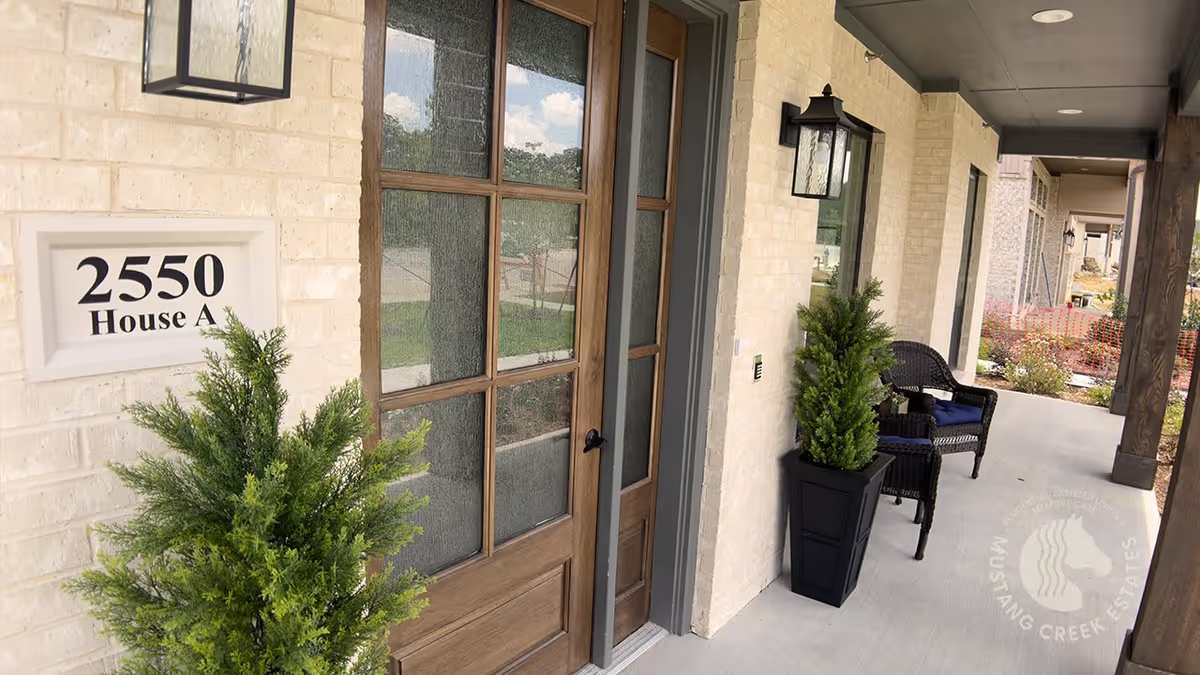
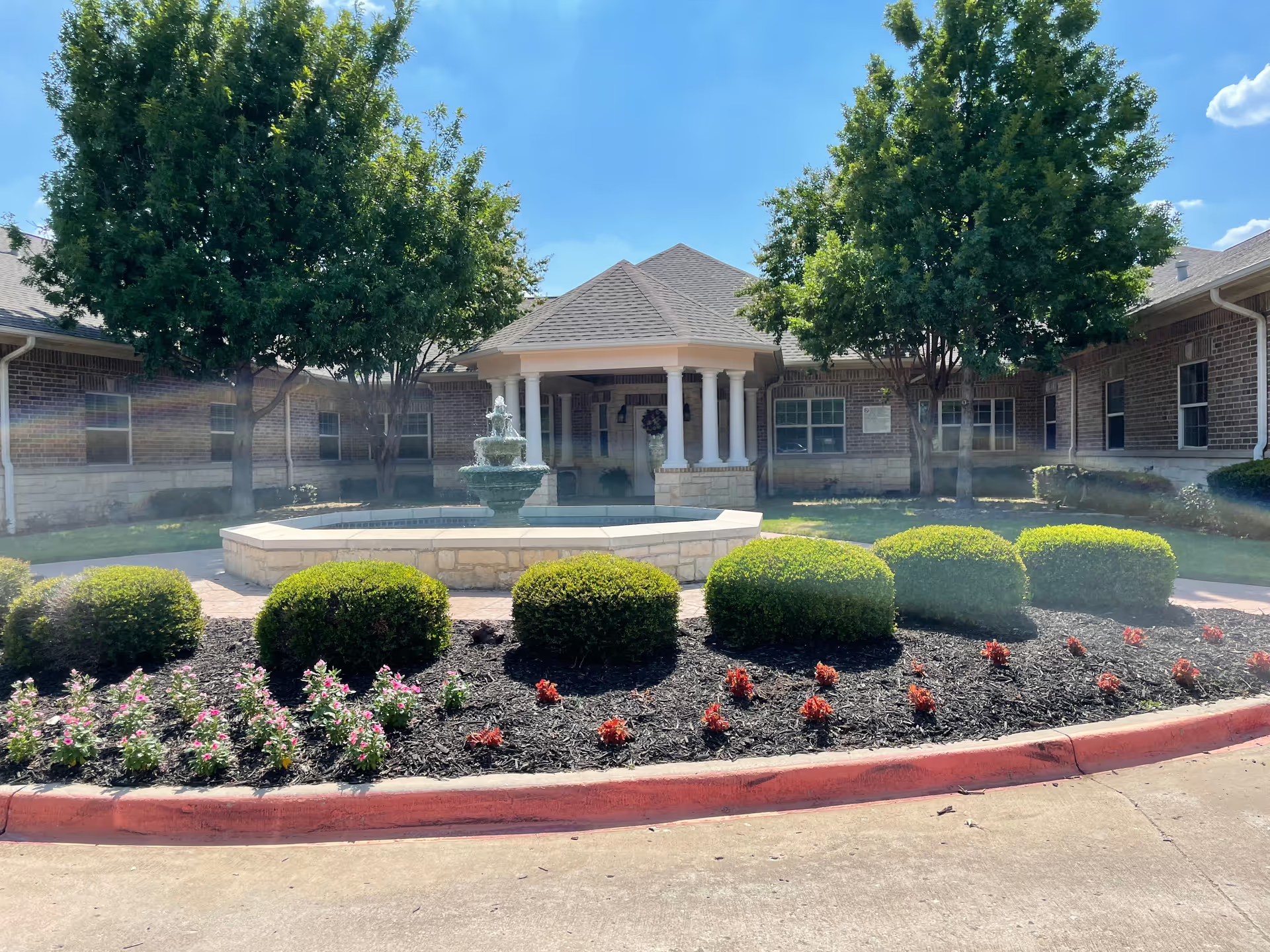
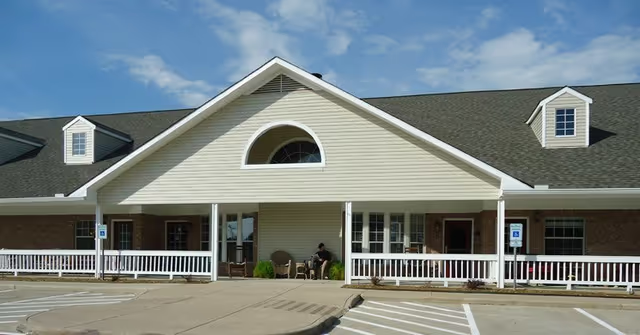
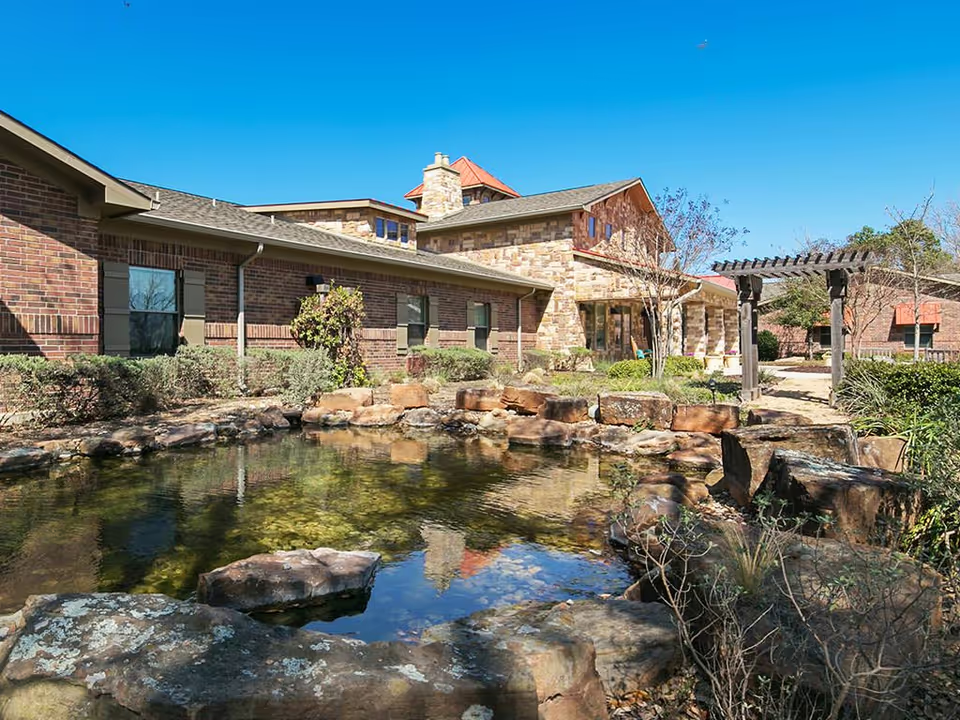
Facilities and environment Teresa’s House is frequently characterized as a finely appointed, home-like residence with generously sized rooms and well-manicured grounds. The setting is described as calm rather than clinical, and families praise cleanliness and an odor-free environment. The small-house approach is emphasized as promoting privacy, individualized attention, and a family atmosphere; however, reviewers also note that this model may be sensitive to changes in census, and prospective families should inquire about how rising occupancy is managed without eroding personalized care.
Management, communication, and value Leadership visibility and open communication are repeatedly noted as strengths, with multiple families describing proactive engagement from owners and director-level staff. Smooth transitions from hospitals or skilled nursing facilities and attentive family partnership are highlighted. A recurrent economic theme is that Teresa’s House tends to be a premium option; several families questioned price versus value and recommended direct conversations about fee structures, what is included, and projected cost changes. In addition, while overwhelmingly positive, a small number of strongly negative accounts raise concerns about care quality and safety; these appear to be isolated relative to the bulk of reviews but warrant direct inquiry during a tour or reference check.
Patterns and practical guidance The dominant pattern across reviews is of high-quality, relationship-centered memory care with excellent dining and a comfortable environment. Key trade-offs are cost and potential sensitivity to occupancy levels. For prospective residents and families: schedule an on-site visit to assess the household where the resident would live, ask for current staffing ratios and turnover statistics, request sample menus and activity calendars, review medication- and incident-reporting practices, and clarify all fees and what constitutes additional charges. Those steps will help verify whether the facility’s strengths align with a family’s clinical and financial priorities.