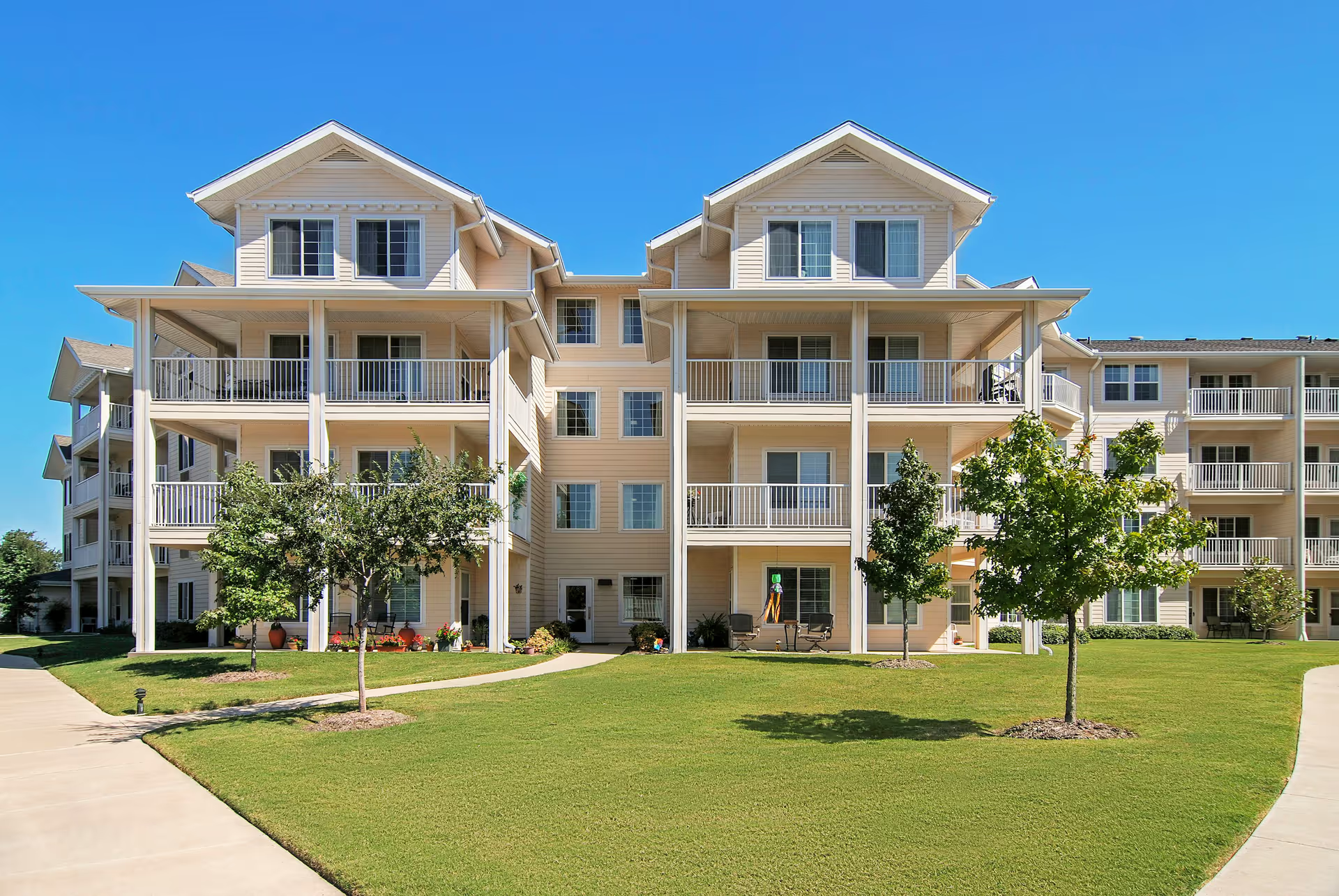
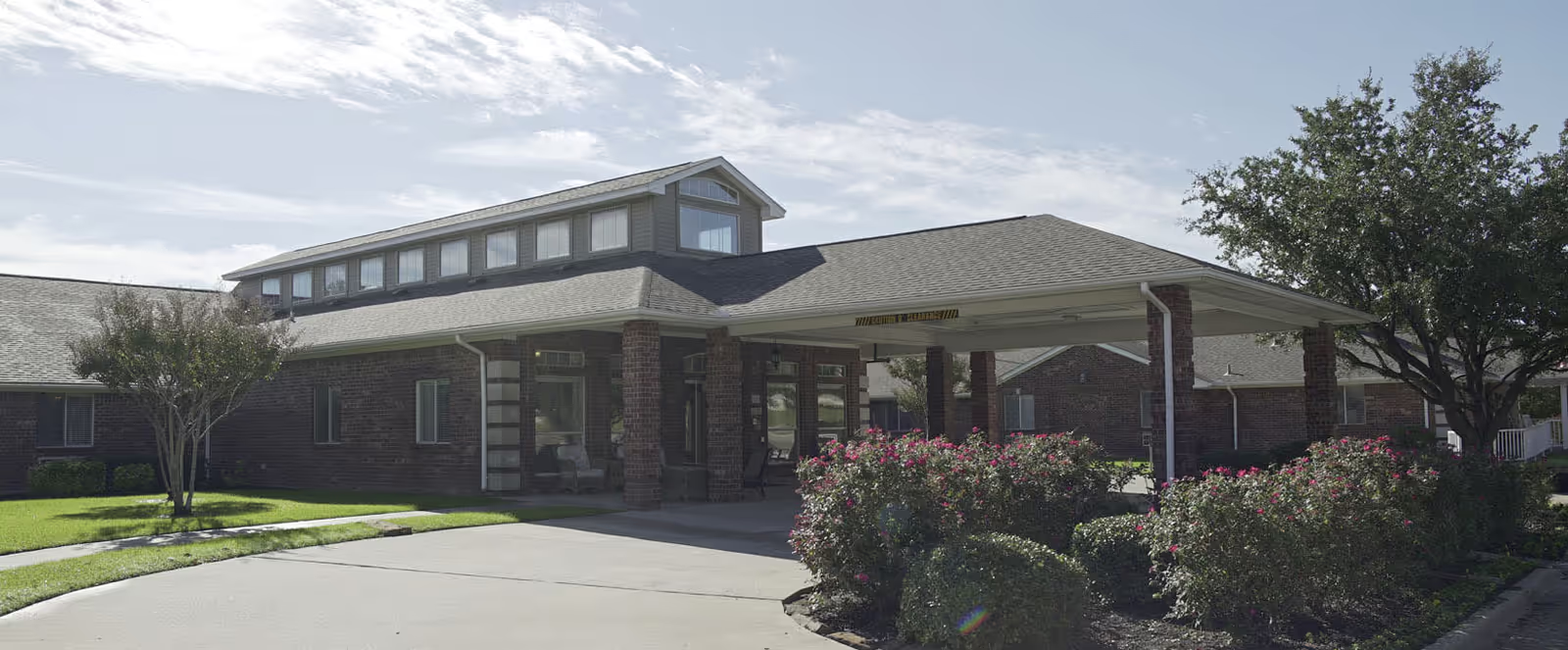
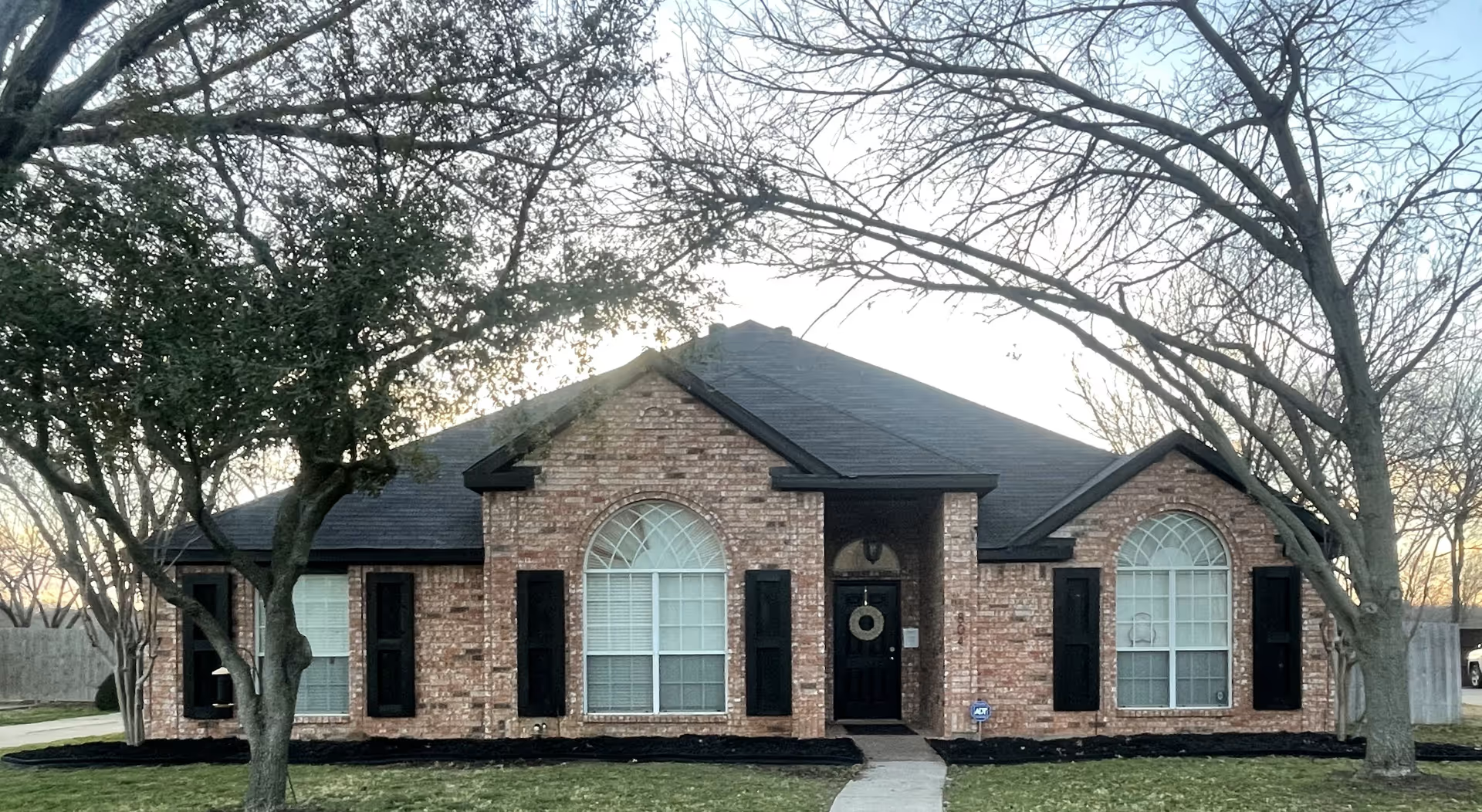
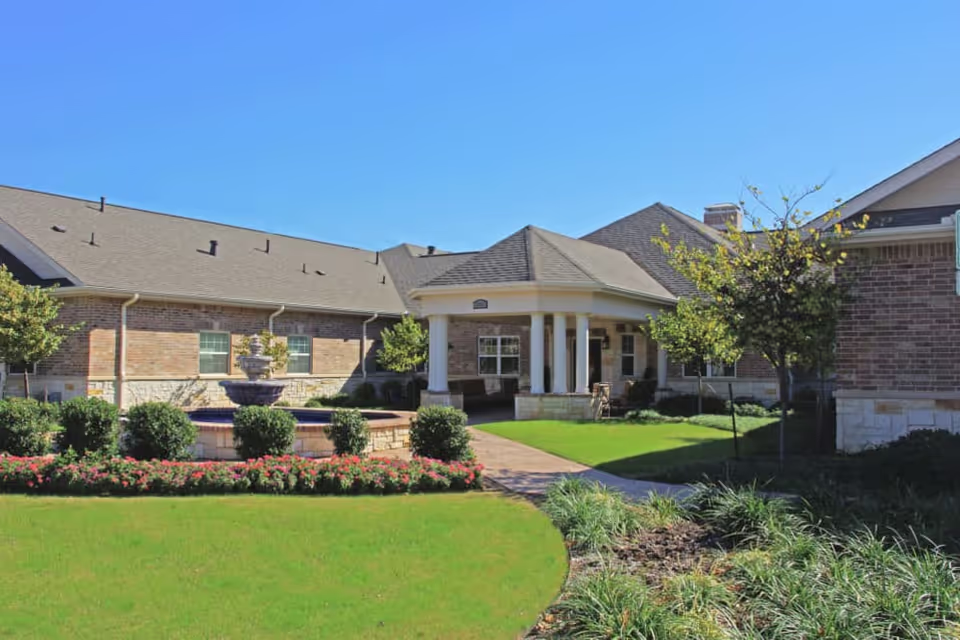
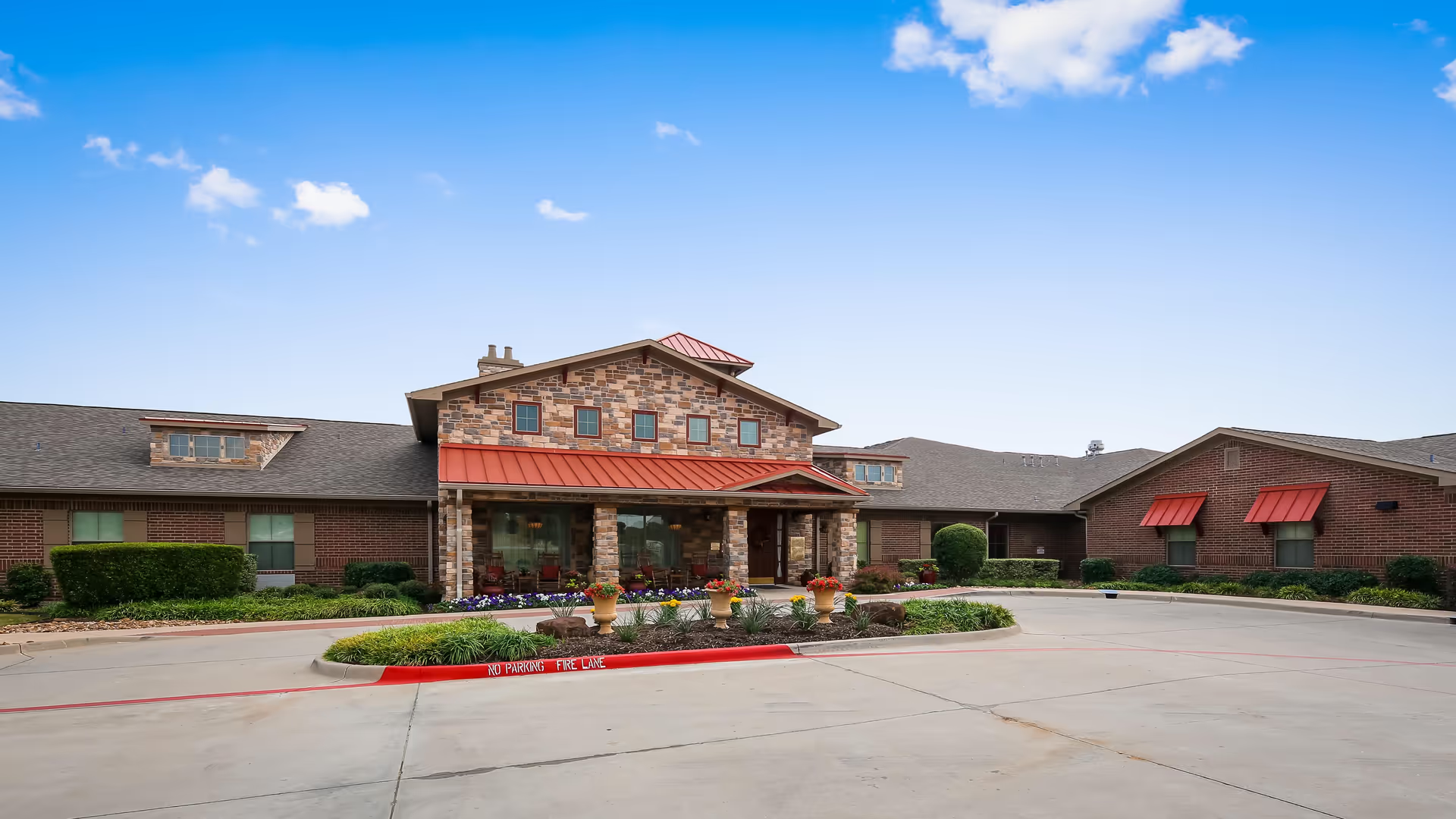
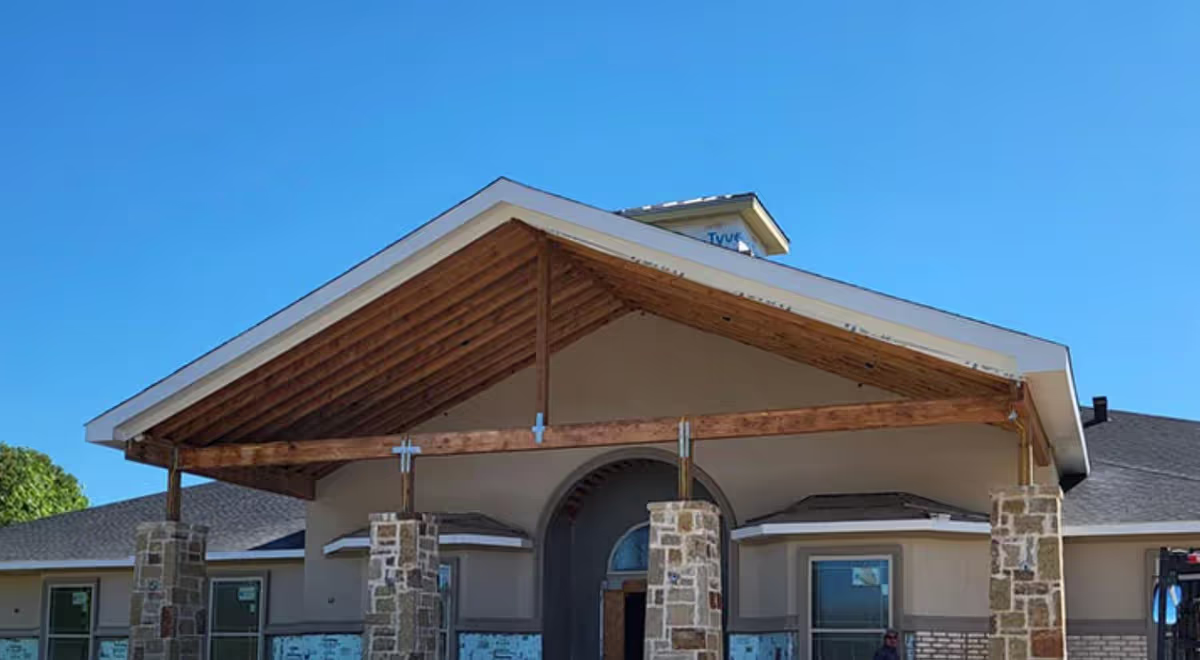
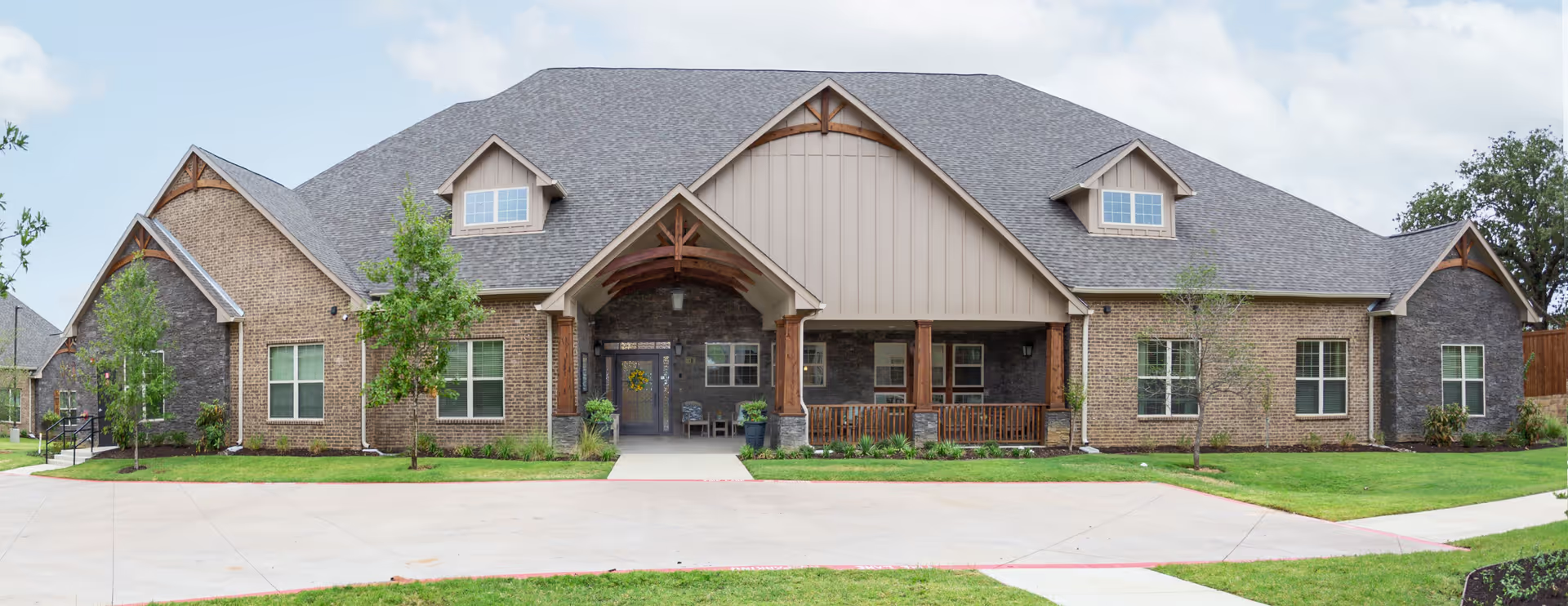
Mayberry Gardens presents as a cluster of small, home‑style assisted‑living and memory‑care houses with many families praising the environment, staff, and programming. Positive themes recur: caregivers are frequently described as compassionate and attentive, managers and activity staff are often accessible and proactive, and the residence model favors smaller household sizes that many families find comforting and individualized. Housekeeping, daily laundry, maintenance, and an all‑inclusive pricing model are commonly noted strengths, and the activity calendar — which includes music, Tai Chi, exercise, crafts, and occasional animal visits — is a distinct selling point. Coordination with hospice and visiting clinicians is reported as effective in many cases.
Care quality shows a mixed but important pattern. Numerous families report high levels of personal attention, regular bathing and dressing assistance, and reliable medication coordination in some houses. Conversely, there are multiple accounts that point to inconsistent delivery of ADL support (bathing, dressing, linen changes) and lapses in medication administration or documentation. These operational weaknesses are associated by some families with high caregiver turnover and periods of understaffing; several accounts link staffing pressures to delayed responses and disrupted routines. There are also explicit and serious claims concerning inappropriate use of chemical restraints and unconsented sedative practices; those are substantive allegations that prospective families should evaluate directly with the provider and, if needed, with regulatory authorities.
Dining and domestic services are generally praised for home‑cooked, nutritionist‑oriented meals and regular laundry/housekeeping, though reviewers also describe variability in meal temperature and occasional declines in food quality. Laundry and clothing management have been a recurrent operational complaint: errors in sorting, damaged garments, and misplacement undermine confidence for some families. Sanitation-related concerns have been raised in a small number of reports and are described as inconsistently handled; this intersects with reported incontinence‑care issues that prospective families should verify during a tour.
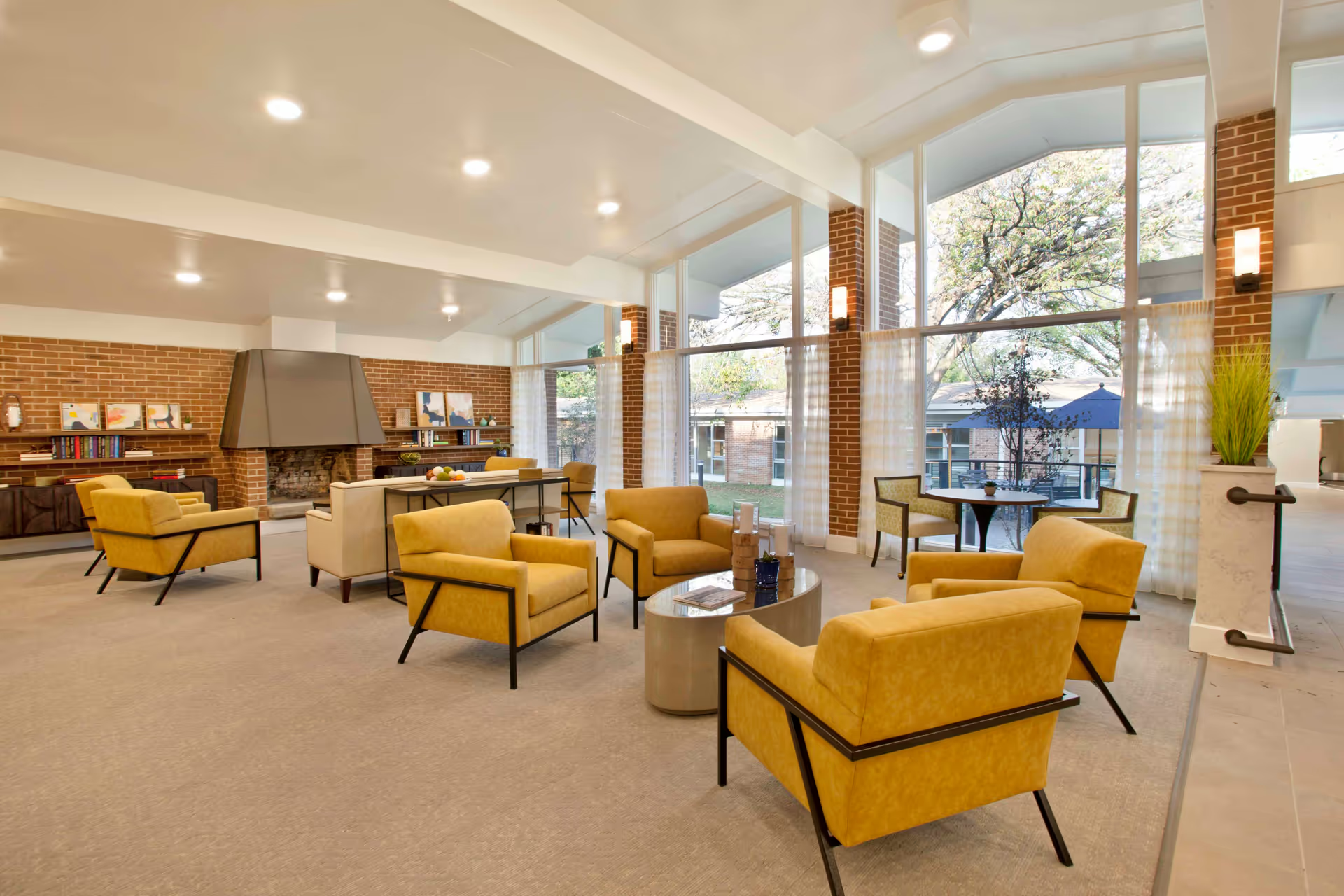
Activities and life enrichment are overall strong but uneven across the multiple houses. Some homes have vibrant programming and a dedicated activities director who proactively engages residents; other homes are described as having fewer offerings or less consistent engagement. Facility features that attract families include individualized room decoration, kitchen‑table dining, intimate common areas, and regular entertainment. A commonly noted facility-level shortfall is the lack of an enclosed, secure outdoor space for residents to use independently.
Management and communication likewise show a split picture. Several administrators and named managers receive repeated praise for responsiveness, problem solving, and family advocacy. At the same time, other families describe poor follow‑through, late or unprofessional managerial presence, and inconsistent communication. Staffing continuity varies by house and over time; this variability appears to drive many of the differences in family experiences.
Notable patterns for prospective families and referral sources: the model works well for people who benefit from a small‑home setting, individualized attention, and an active social program, and many families report peace of mind and strong end‑of‑life coordination. However, there are recurring operational concerns—particularly around consistent ADL support, medication practices, laundry/sanitation processes, staffing stability, and activity availability across different houses. When evaluating Mayberry Gardens, families should tour multiple houses, ask about current staffing ratios and turnover, request written medication and incident‑reporting protocols, inquire about laundry and pest‑control procedures, and confirm the availability of secure outdoor space and on‑site clinical oversight.