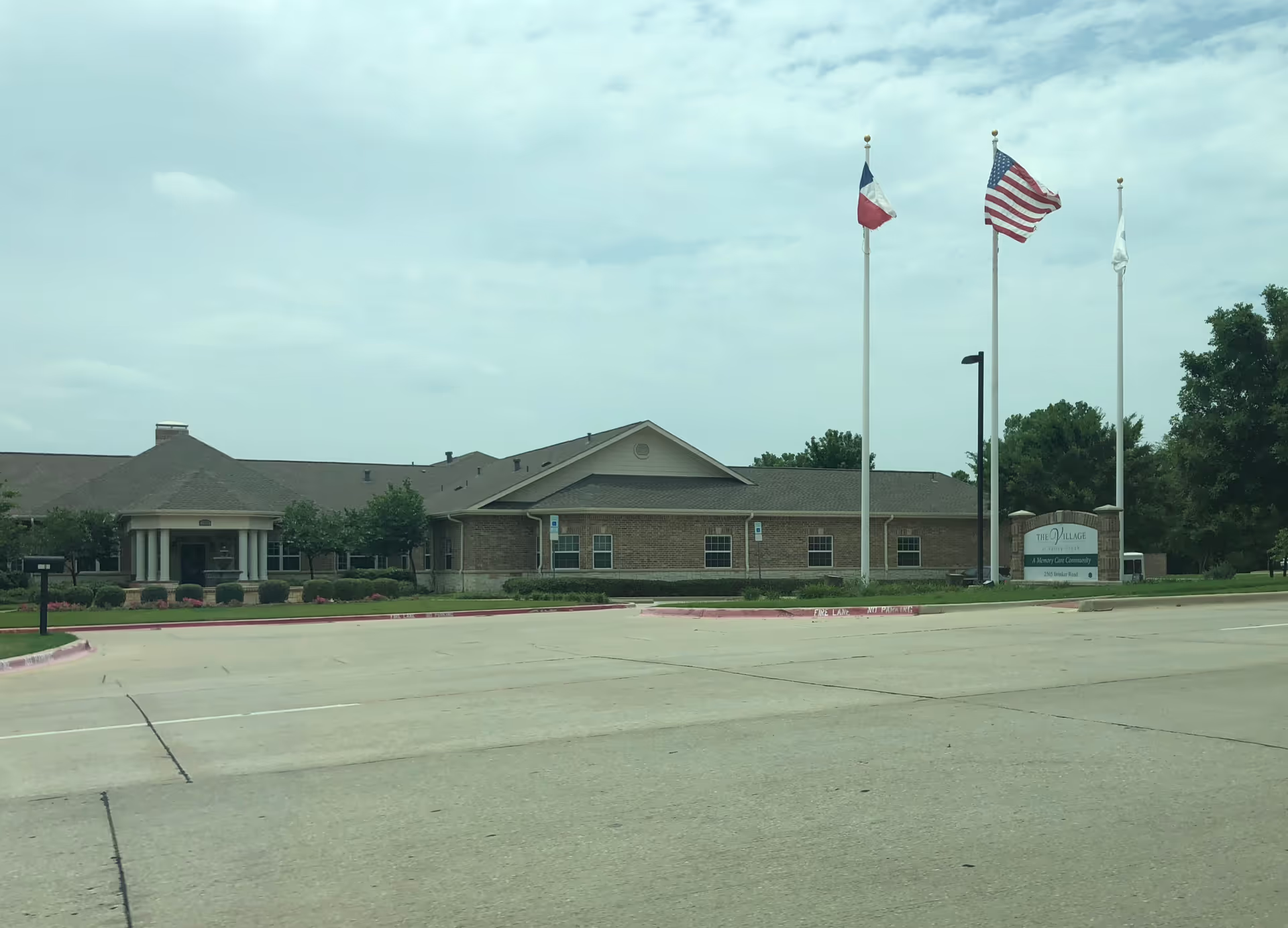
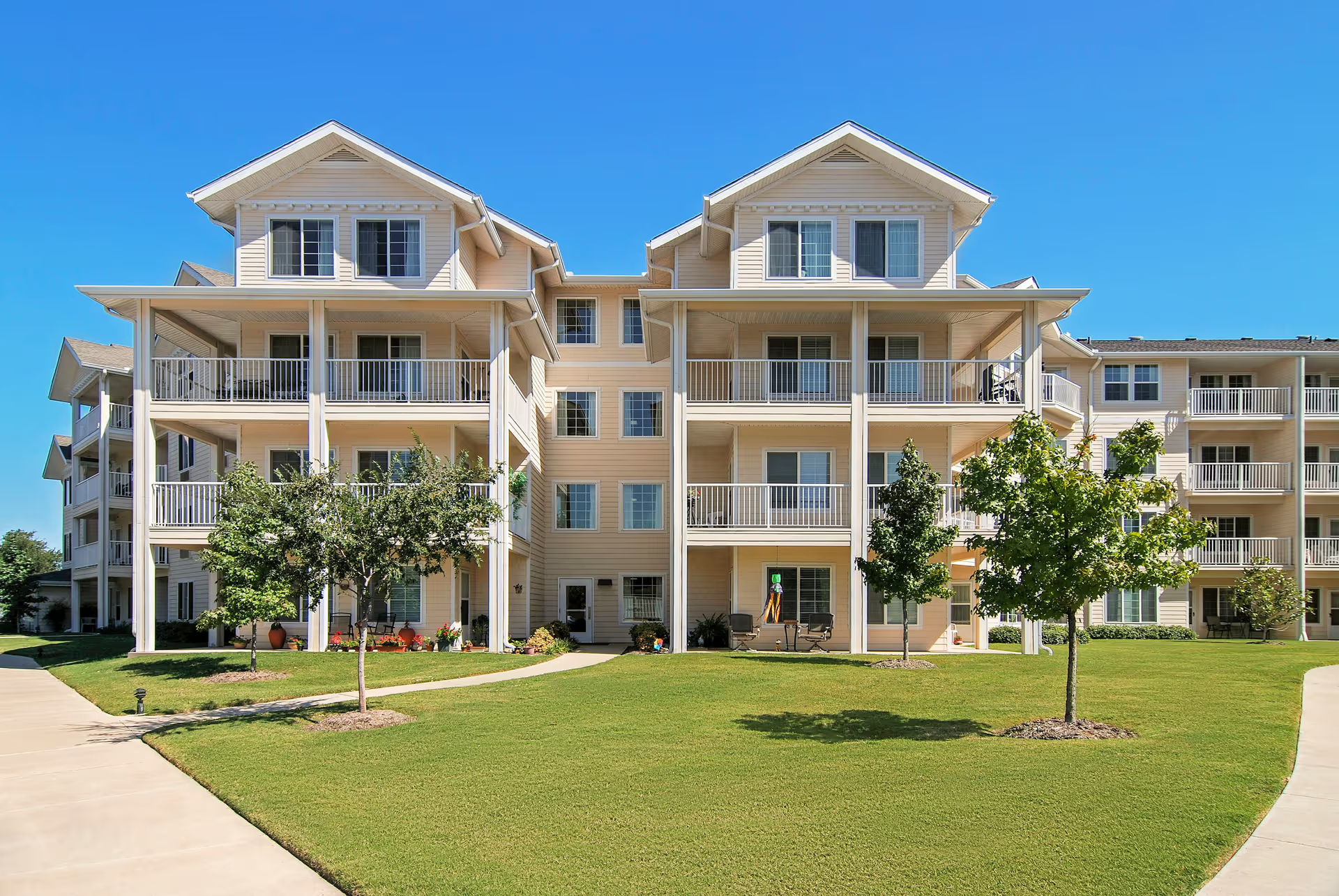
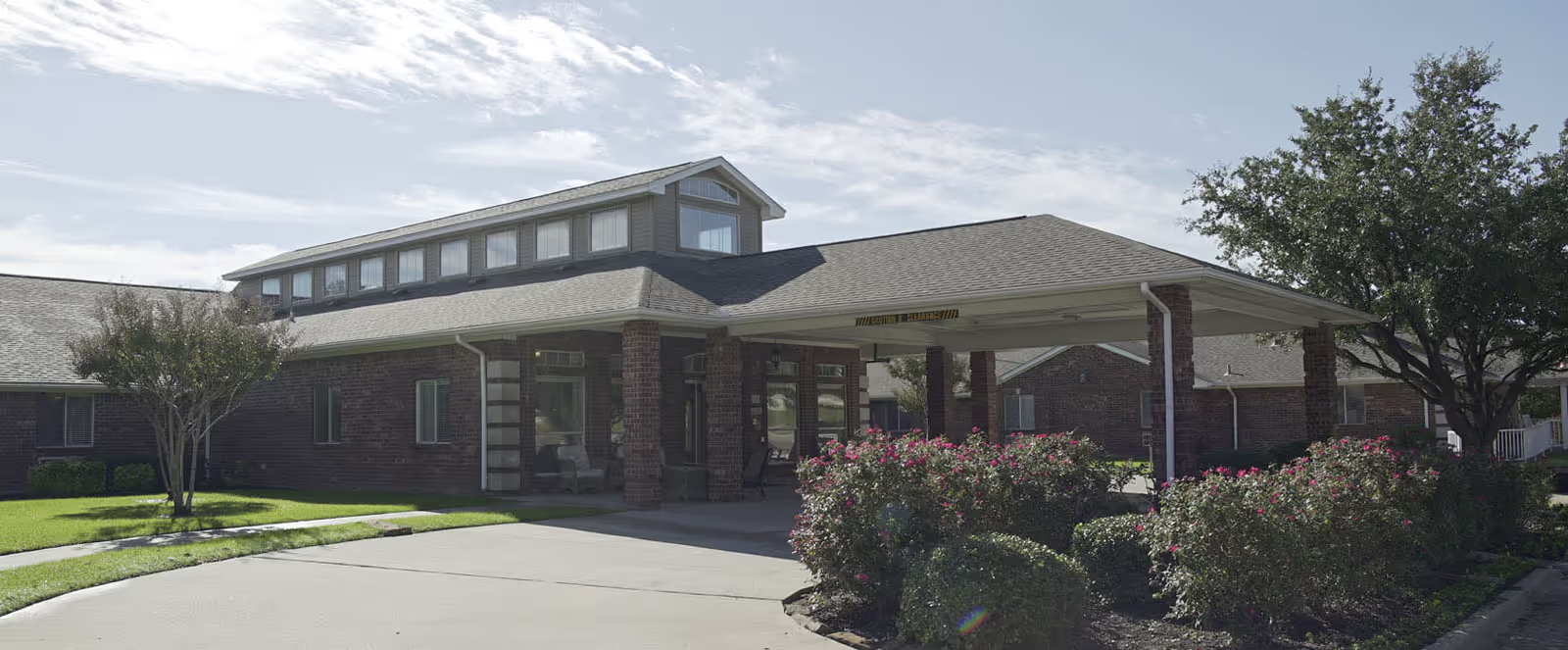
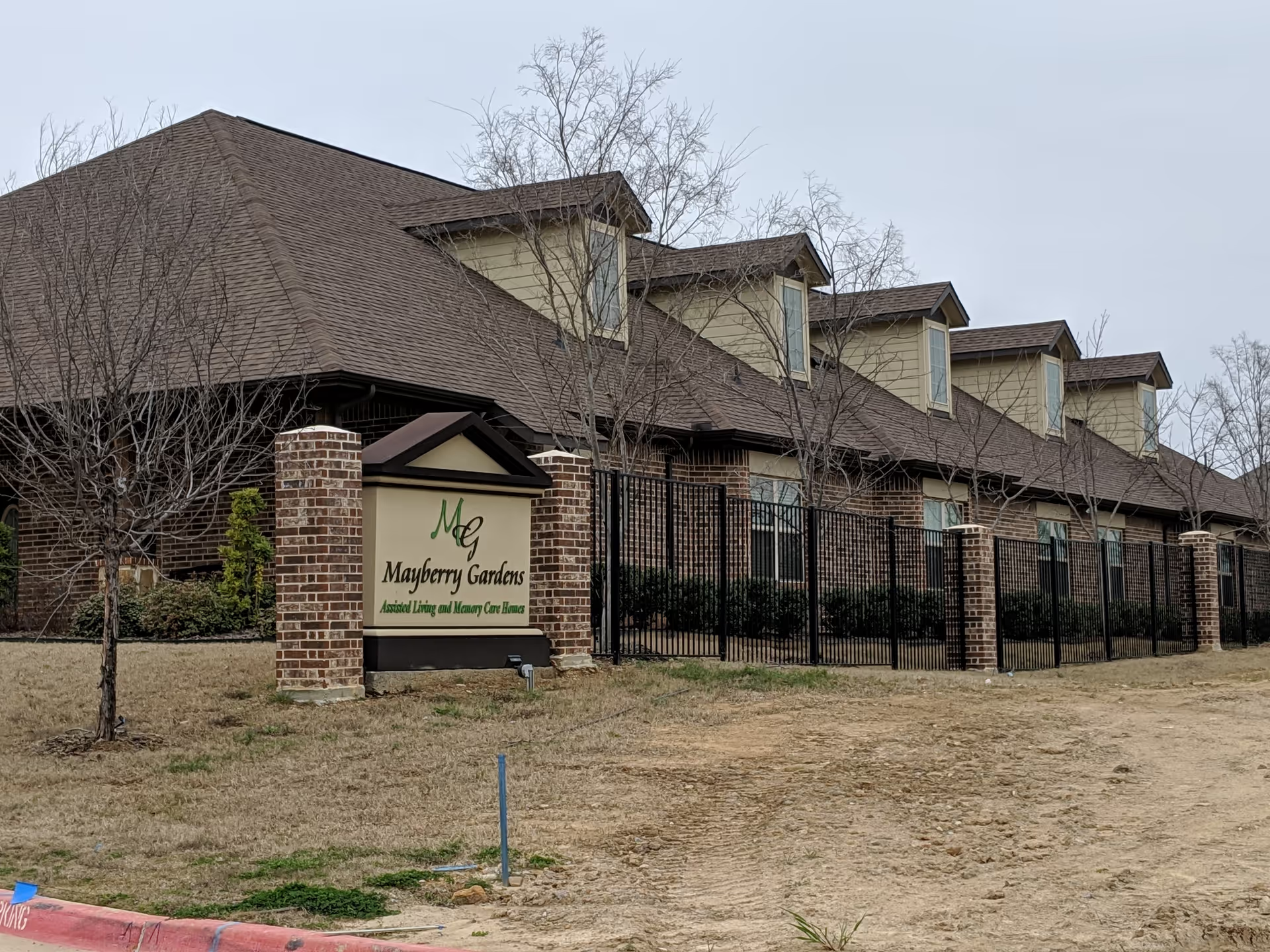
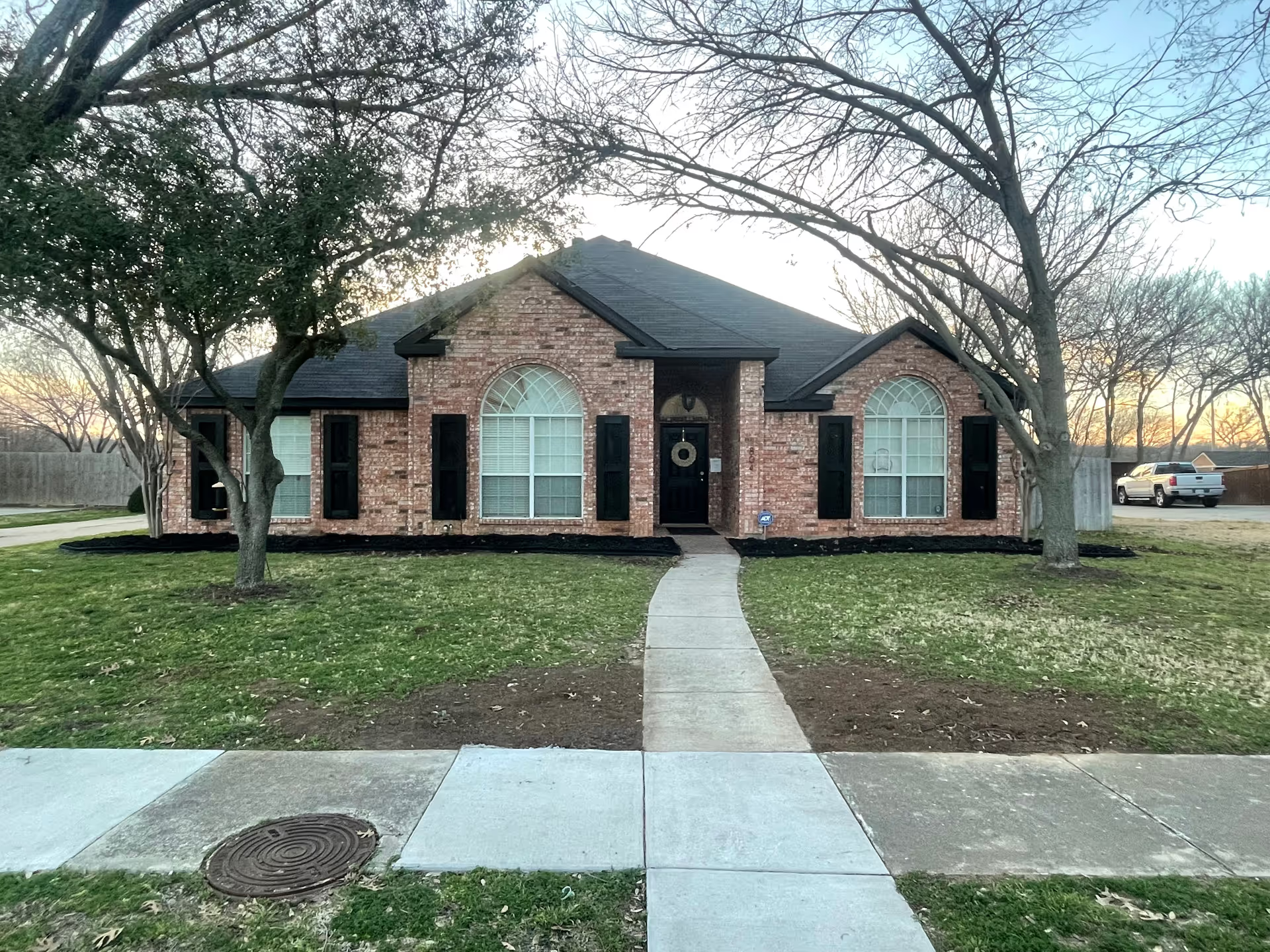
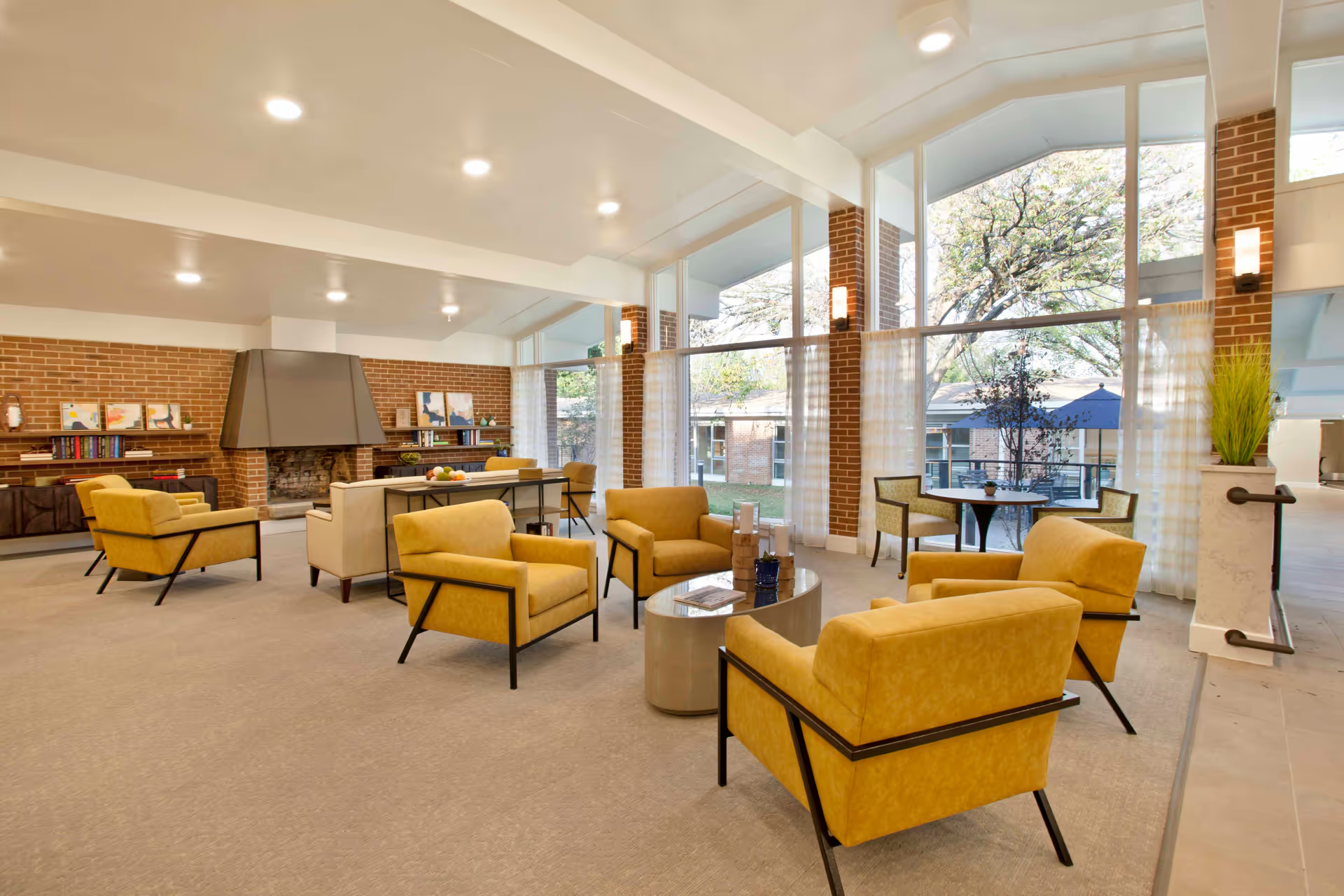
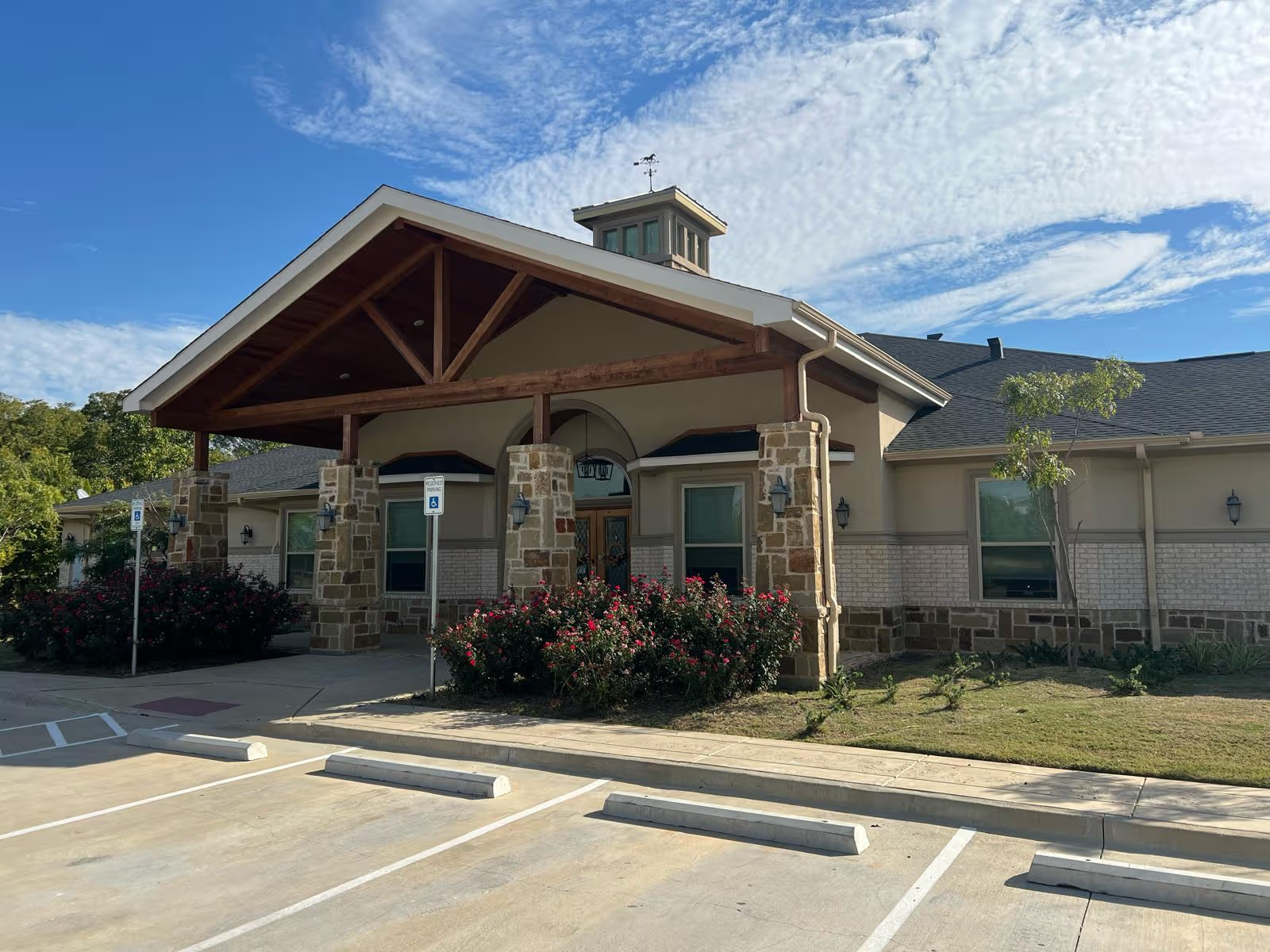
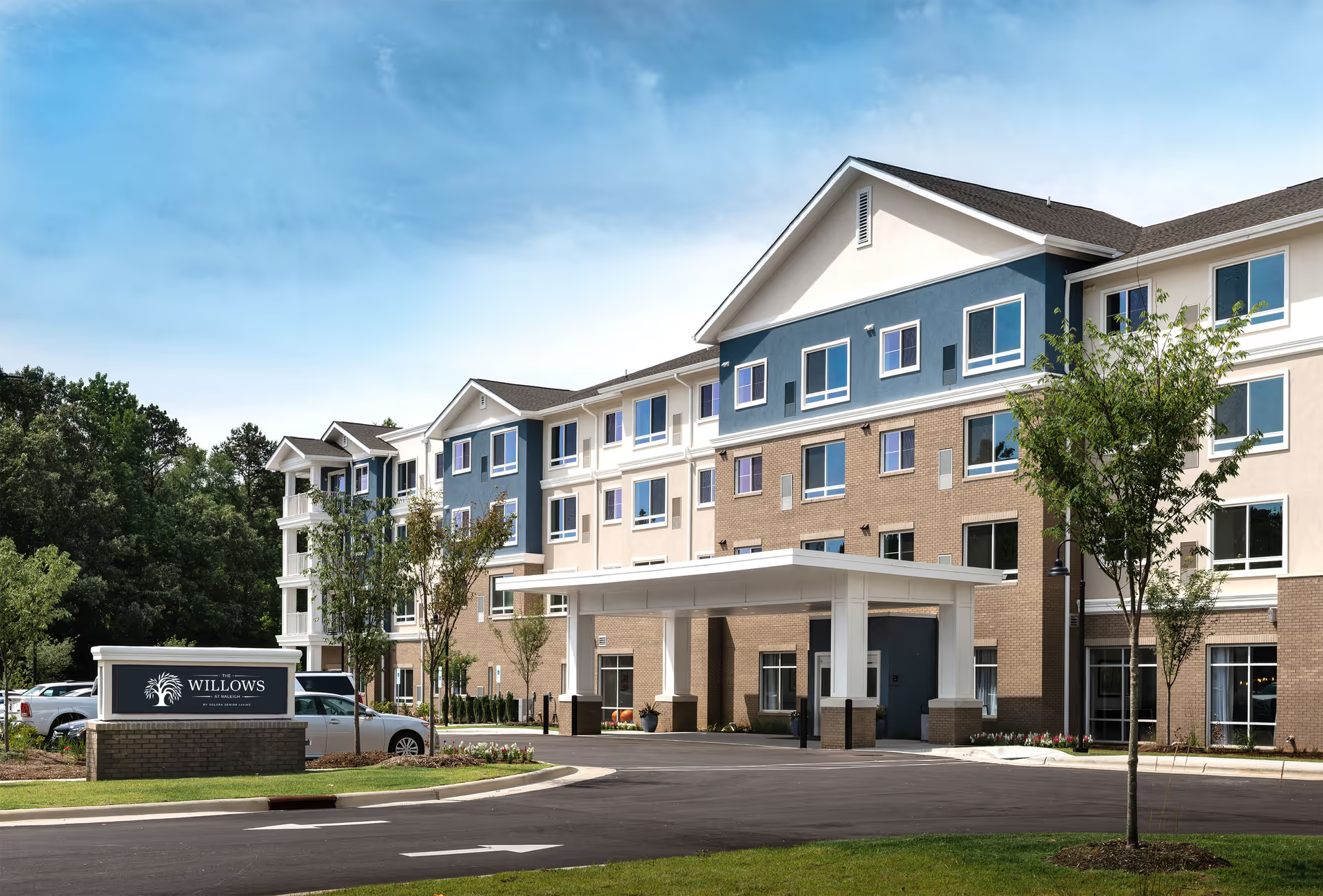
Willow Bend presents a broadly mixed profile: many families describe a well-kept, attractive environment with a home-like feel, varied activities, and a memory-care unit staffed for dementia-specific programming. Numerous reviewers praised warm, compassionate staff members, an active calendar of social and therapeutic events, comfortable common areas and apartment choices, and strong meal preparation by skilled kitchen staff. For prospective residents who prioritize ambiance, variety of activities, and a smaller community feel, these are notable strengths.
At the same time, a recurring set of operational concerns appears across the feedback. The most frequently cited issues relate to inconsistent staffing and staff performance: reviewers describe high turnover, uneven coverage during weekends or off-hours, and variability in professionalism and conduct. These staffing patterns are associated with specific clinical and care-process gaps including delays or inconsistencies in medication administration, irregular personal-care assistance (bathing and dressing), incontinence-care delays, and uneven follow-through on prescribed therapy programs. Several families cited weight loss, dehydration risk factors, urinary problems, and hospital readmissions that they attributed to these care-process failures.
Dining and activities receive predominantly positive comments for variety and social engagement, with many residents enjoying themed meals, live entertainment, exercise classes, and religious services. However, reviewers also describe inconsistent meal quality and service disruptions at times (for example, repetitive menus or uneven food preparation and chaotic meal service on certain shifts). Activity offerings are extensive and often well delivered, but some families described a station-based or mandatory-feel system that was not a good fit for every resident.
Facility upkeep and safety perceptions are likewise mixed. Many reviewers noted a pristine, attractively maintained facility with pleasant outdoor and atrium spaces. Others reported sanitation and housekeeping inconsistencies in particular rooms or common areas, concerns about pest control in specific units, and lapses in day-to-day cleanliness. There are also isolated but significant safety and security concerns described, including inadequate monitoring in certain situations and at least one serious security-related incident; these items suggest variability in incident-response practices and perimeter/control processes.
Management and communication show both strengths and weaknesses. Some families praised responsive leadership, effective onboarding, and clear communication from the medical director or administrator. Conversely, others described limited administrative presence, slow or inconsistent family outreach after incidents or hospital discharges, and difficulty obtaining timely updates or clinical explanations. Therapy continuity and care-plan documentation were identified as areas needing improvement, with accounts of therapy not being continued or not being clearly explained to families.
In summary, Willow Bend offers many elements that make it attractive — a comfortable physical environment, robust activity programming, and caregiving staff who are often described as caring and attentive. However, prospective residents and families should be aware of operational variability: staffing levels, medication administration consistency, personal-care assistance, sanitation practices, security monitoring, and post-hospital follow-up are areas where performance appears uneven. When considering Willow Bend, visitors should ask targeted questions about staffing ratios (including weekend coverage), medication and pain-management protocols, housekeeping schedules, therapy follow-through, incident reporting and family communication processes, and onsite pest-control and security measures. Observing a med-pass, touring during mealtimes, and checking recent staffing and inspection records may help assess whether the facility’s strengths align with an individual resident’s priorities and clinical needs.