Overall, the reviews are strongly positive about Eagle Ridge’s memory-care focus and the quality of day-to-day support. Families frequently describe staff as kind, patient, attentive, and respectful, with caregivers who learn residents’ personalities and provide individualized attention. Several families report that staff communicate about changes in residents’ health and activities, and some value the welcoming approach to family visits, shared meals, support groups, and end-of-life support. A few accounts raise concerns about staff communication or clinical leadership, so families may wish to ask about current staffing, nursing coverage, and how concerns are escalated.
Dining is commonly praised: reviewers describe meals as appealing and well prepared, with snacks and options that residents enjoy. Some families also mention staff accommodating individual dietary preferences. Activities are a prominent strength, with regular music and live entertainment, exercise, games, crafts, cooking, and other group programming. Residents are often encouraged to participate and spend time in shared spaces. However, activity fit may vary; one family felt the programming did not match their relative’s interests and abilities, while another wanted more variety. A family also reported difficulty finding enough activity and outdoor space for a resident who enjoyed gardening.
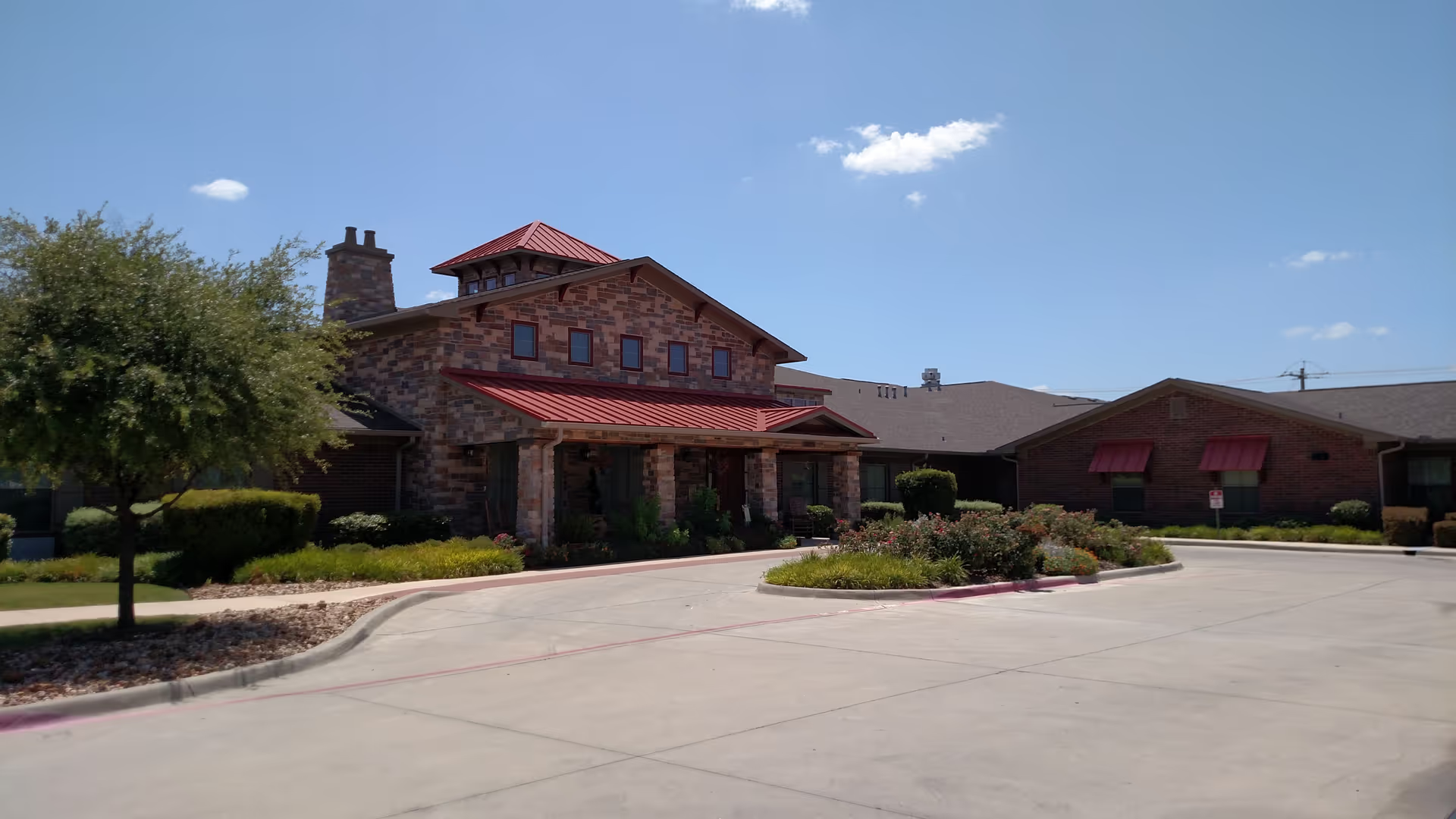
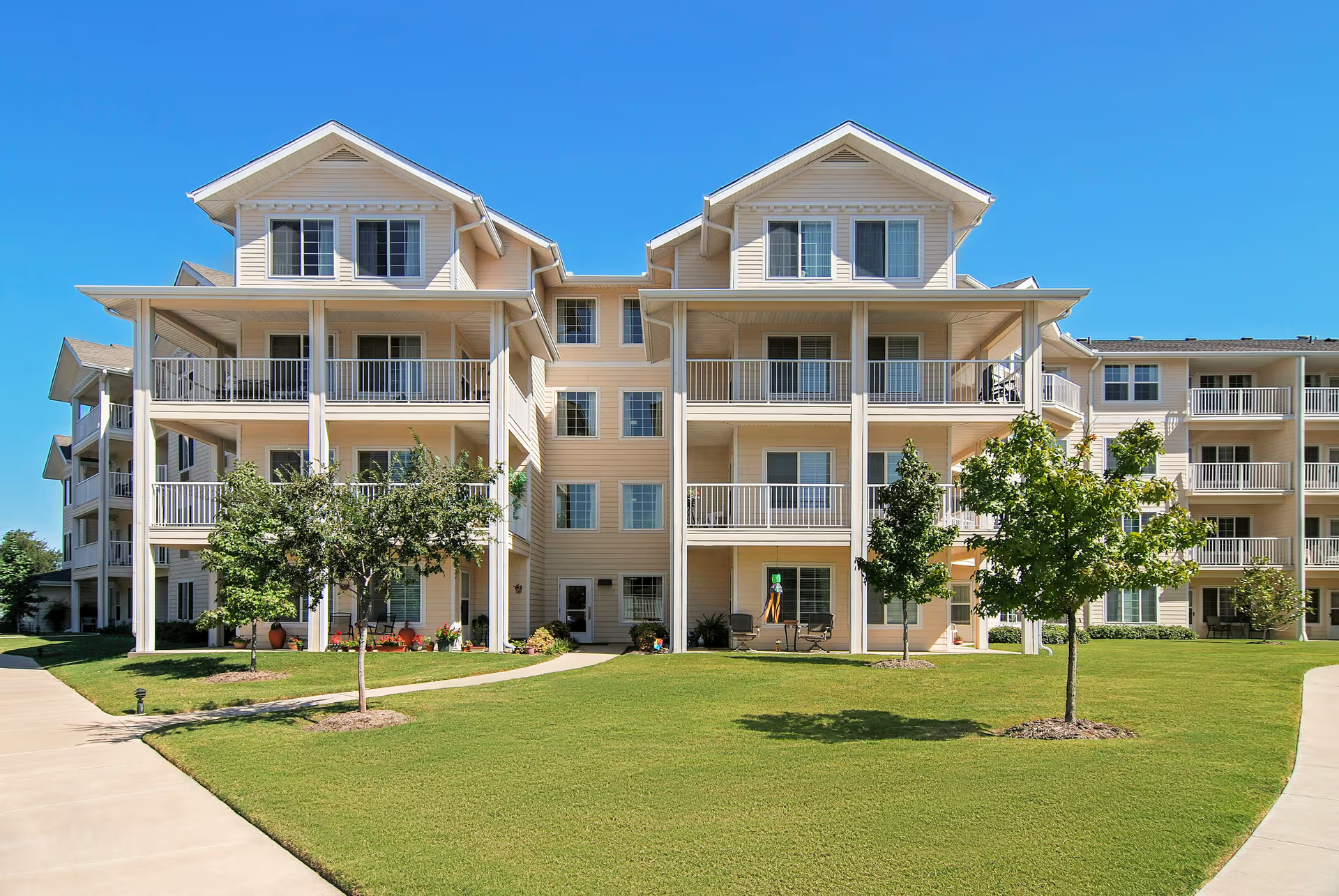
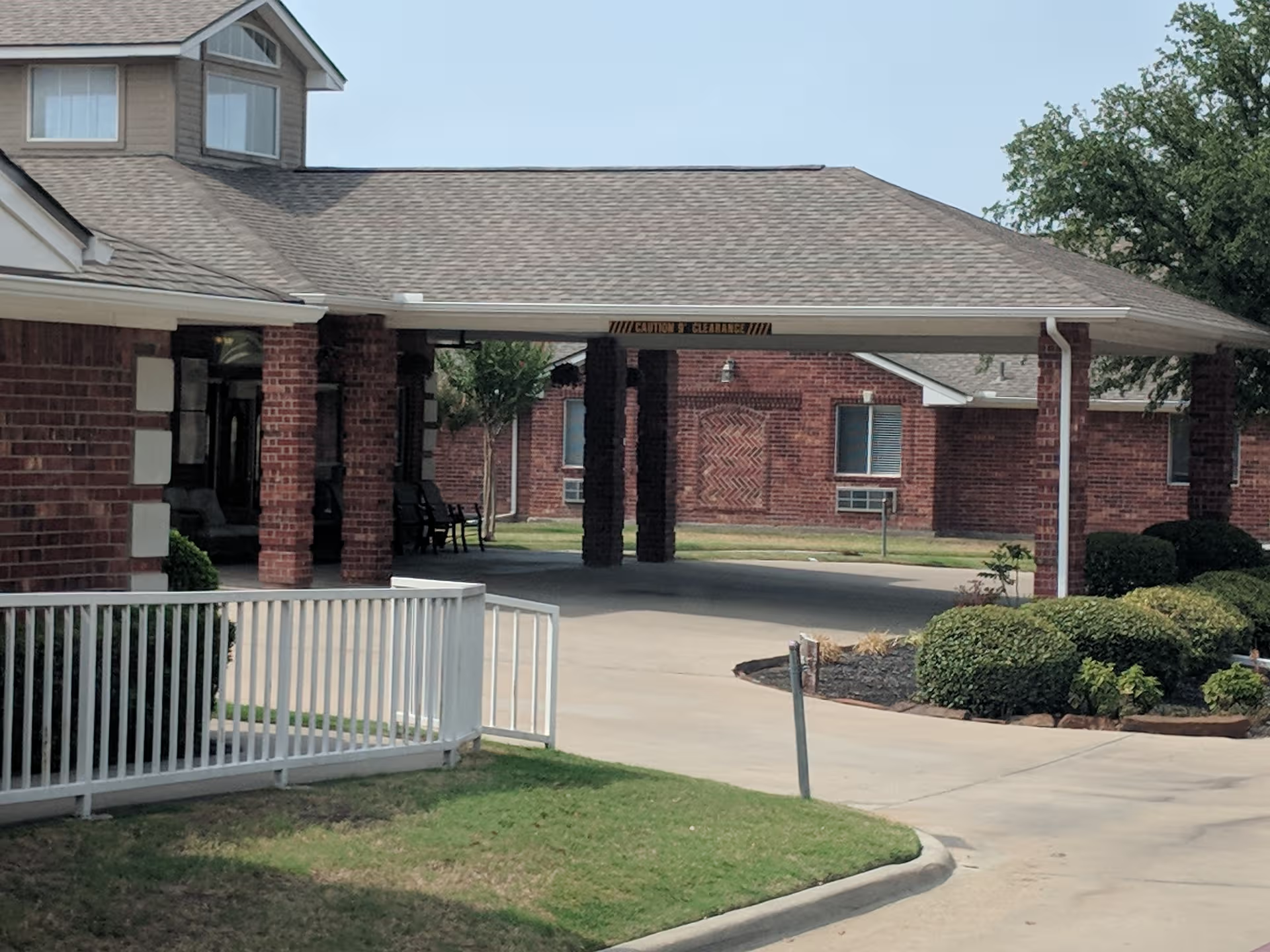
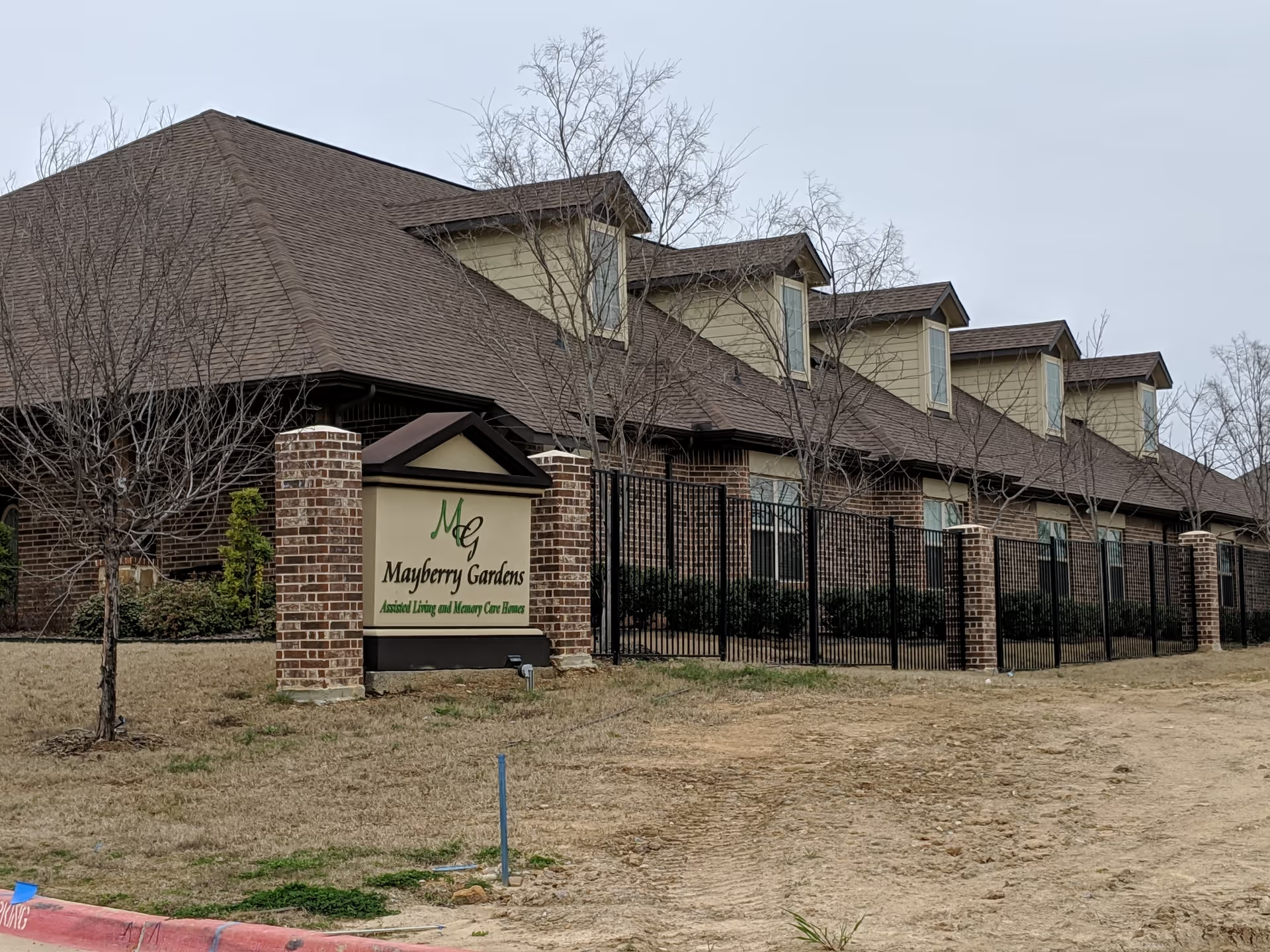
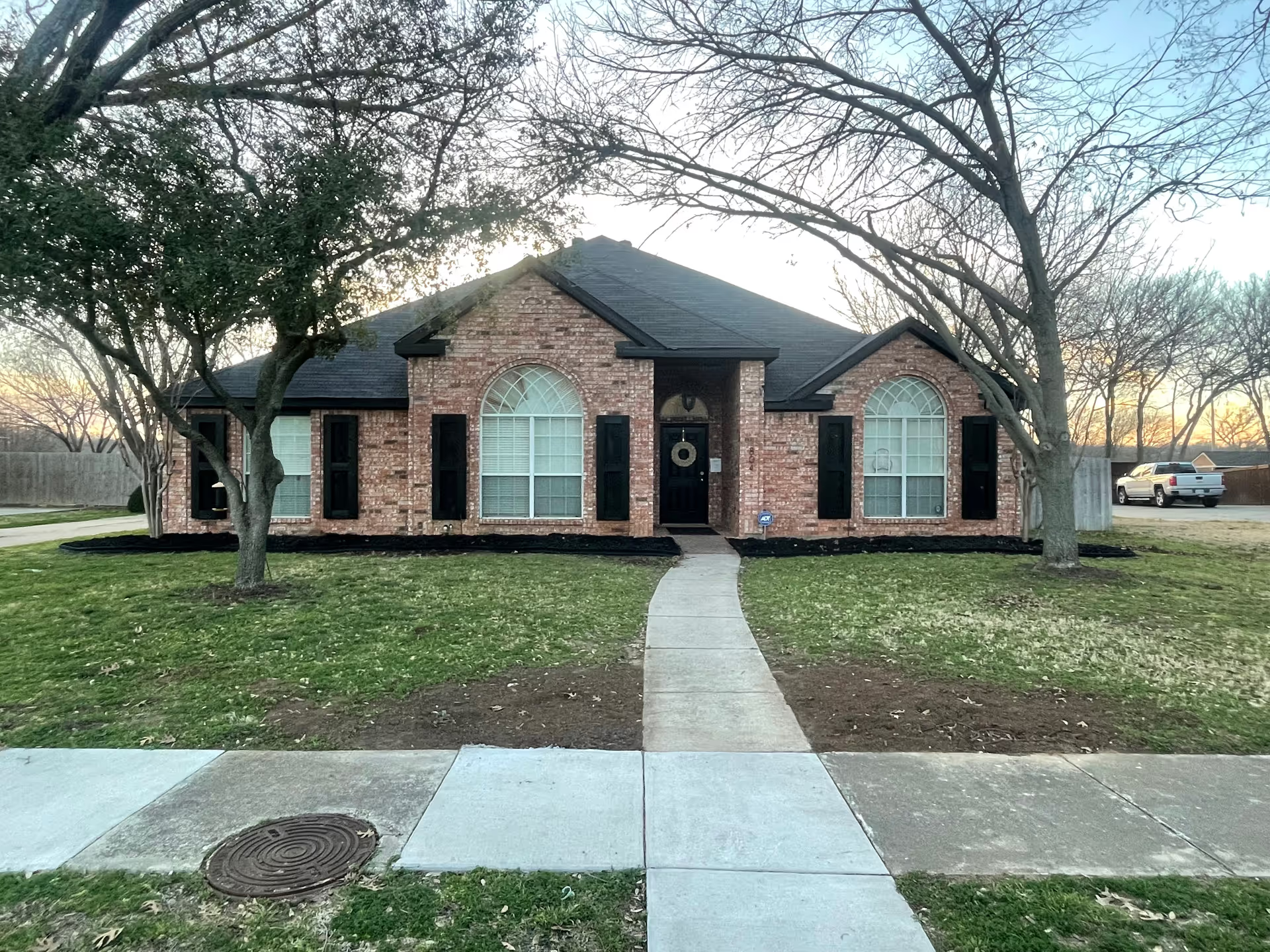
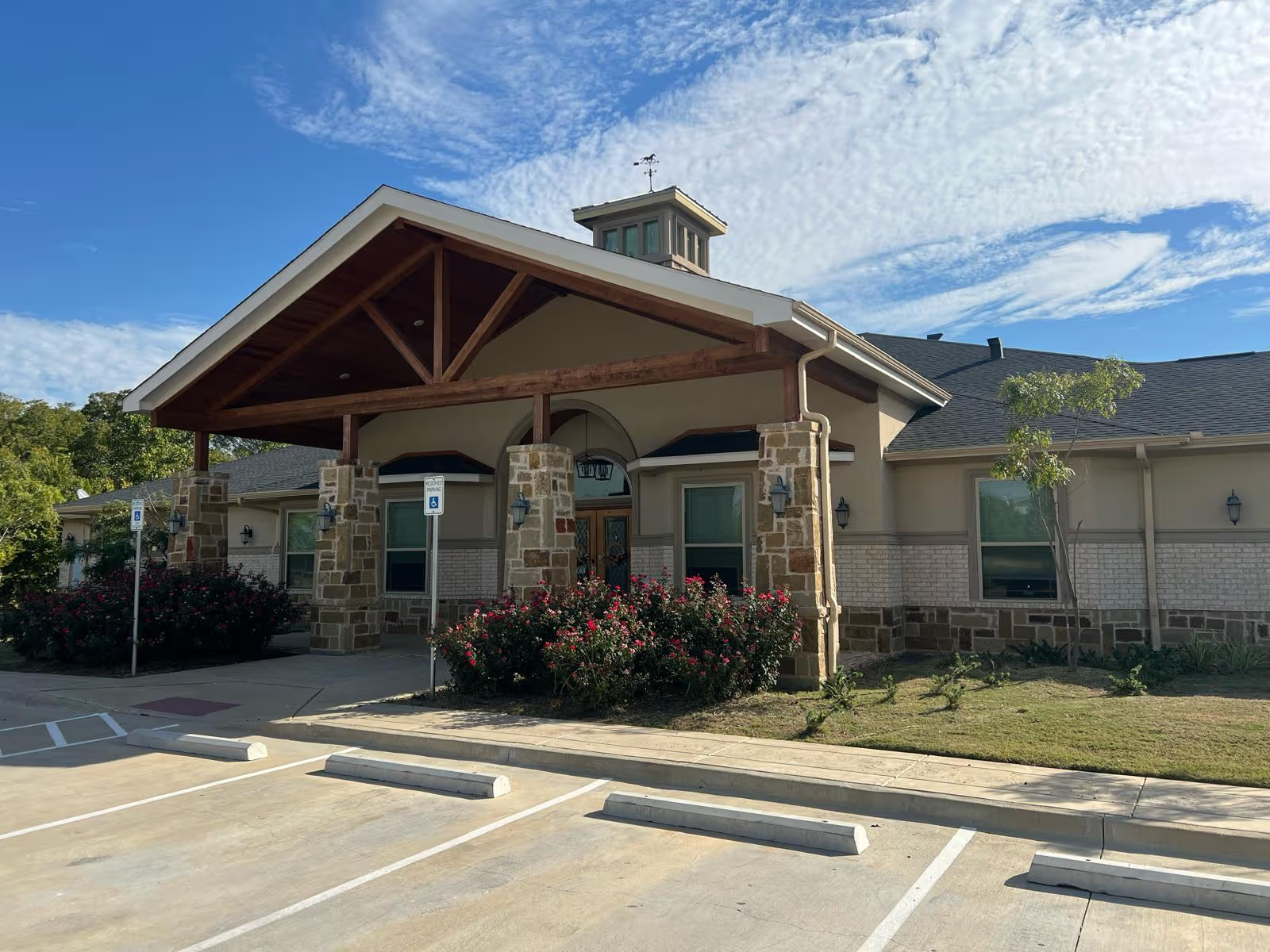
The setting is often described as clean, bright, orderly, and home-like, with a layout intended for memory care and secure courtyards. Reviewers appreciate the common areas and the opportunity for residents to move about safely, though the size and amount of outdoor space may be limiting for some. Room arrangements and availability vary; shared or connected-room options were noted, and some accounts mention furnished rooms and the possibility of aging in place. Cost is also mixed: some families considered the services good value or appreciated pricing clarity, while others found the monthly rate beyond their budget.
Most accounts express confidence in staff and programming, but the reviews also indicate that fit depends on a resident’s clinical and personal needs. Families of residents requiring continuous nursing care, substantial behavioral support, or a particularly tailored activity program should discuss those needs and the community’s capabilities in detail. Individual accounts also raise concerns about medication refusal support, behavioral redirection, billing paperwork, and a period of nursing and leadership instability. These concerns are not the prevailing theme, but they are useful topics for prospective families to verify directly during a tour and care-planning discussion.